
The story of Shake Shack is not just about a burger joint; it’s a quintessential case study in modern brand development, a testament to how a clear vision, a commitment to quality, and a deep understanding of customer experience can transform a humble food stand into a global culinary icon. Far from being an overnight success, Shake Shack’s origins are deeply rooted in a strategic approach to hospitality and community building, carefully cultivated from its very first sizzle. To understand the brand’s meteoric rise, we must return to its unlikely birthplace and trace the foundational principles that shaped its enduring identity.

The Unlikely Genesis: A Hot Dog Cart with a Vision
The narrative of Shake Shack begins not in a gleaming corporate office or a meticulously designed restaurant, but rather as a modest hot dog cart in the heart of New York City. This unassuming start, however, was far from accidental; it was the deliberate experiment of a hospitality visionary.
From Park Kiosk to Culinary Icon: Danny Meyer’s Vision
The year was 2001, and Union Square Hospitality Group (USHG), led by restaurateur Danny Meyer, was already a revered name in fine dining. Meyer, known for establishments like Union Square Cafe and Gramercy Tavern, decided to contribute to the regeneration of Madison Square Park, a once-neglected urban oasis in Manhattan. His idea was simple yet profound: to launch a temporary hot dog cart as part of an art installation, offering high-quality food in a beloved public space. This initial venture, intended to last just three summers, was a departure from his white-tablecloth restaurants, but it carried the same underlying ethos: enlightened hospitality.
Meyer’s vision for the hot dog cart, which would later evolve into Shake Shack, was to create a place that offered superior quality food, genuine hospitality, and an incredible experience, all within a casual, accessible setting. This “fine casual” concept, as it would later be dubbed, sought to bridge the gap between fast-food convenience and fine-dining excellence. It wasn’t just about selling hot dogs; it was about enhancing the park experience, fostering community, and delivering joy through food. This initial experiment proved overwhelmingly popular, with lines forming consistently, signaling a clear demand for something beyond the typical fast-food offerings. The overwhelming success of the temporary cart prompted USHG to submit a proposal to the New York City Department of Parks and Recreation, leading to the establishment of a permanent kiosk in the park in 2004 – the very first Shake Shack.
Crafting the Initial Brand Identity: Simplicity and Quality
Even in its nascent stages, Shake Shack’s brand identity was clear and compelling. The name itself, “Shake Shack,” evokes a sense of nostalgic American roadside diners, promising comfort and familiarity. However, the substance behind the name was anything but ordinary. The core of its identity was built on simplicity, quality, and a sense of place.
The menu was concise, focusing on elevated versions of classic American fare: hot dogs, burgers, fries, and milkshakes. The key differentiator was the unwavering commitment to premium ingredients. Burgers were made from 100% all-natural Angus beef, free from hormones and antibiotics. Hot dogs were Vienna beef. Fries were crinkle-cut. And the milkshakes were hand-spun with real sugar and premium ice cream. This dedication to sourcing better ingredients, typically associated with higher-end restaurants, set Shake Shack apart from its fast-food competitors.
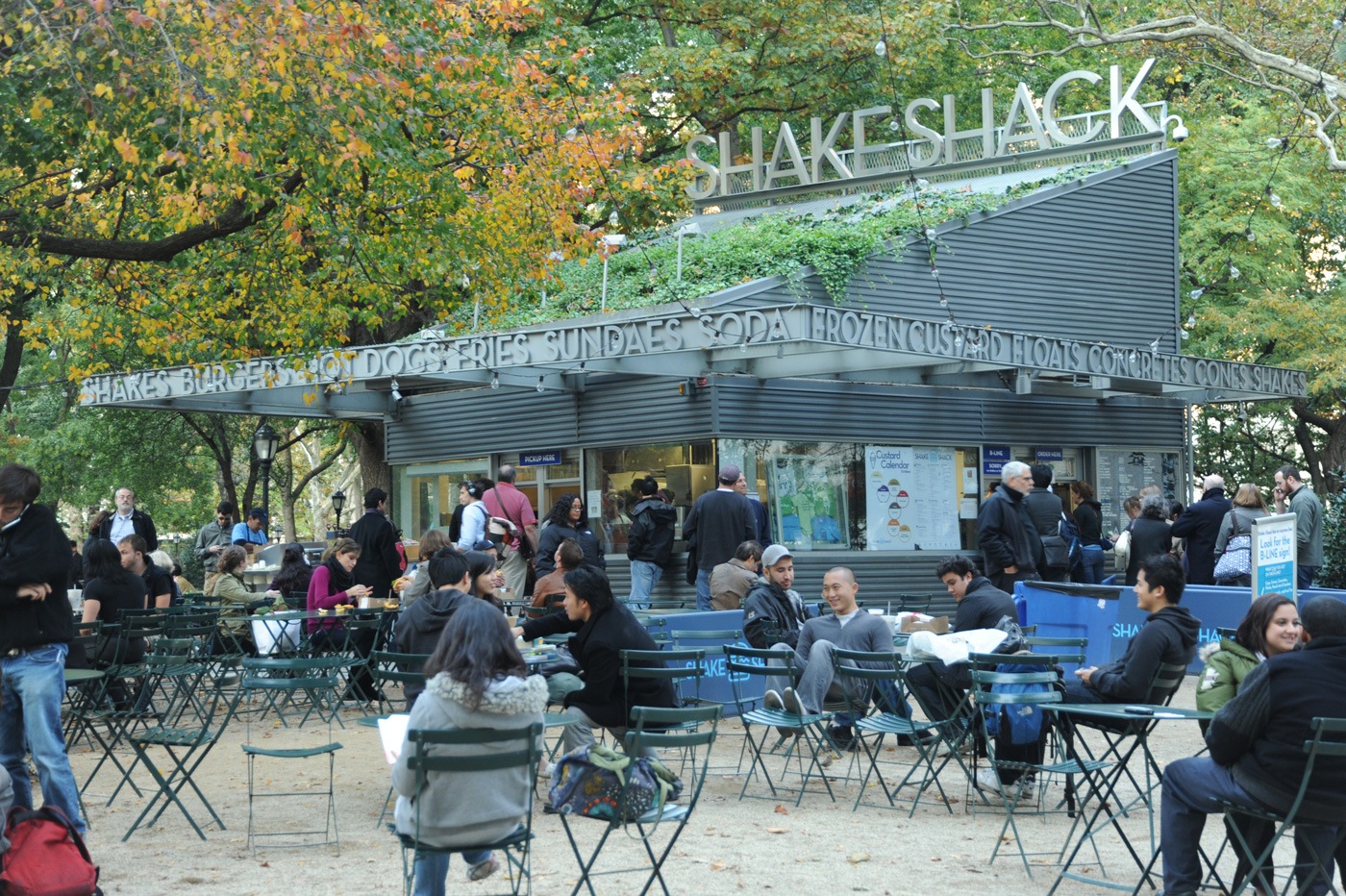
Furthermore, the design of the original kiosk, while modest, reflected a clean, modern aesthetic that was inviting and efficient. It was a humble dwelling, yet it exuded a certain charm and deliberate approach to its visual identity. This early emphasis on quality ingredients and a well-curated, simple menu became the bedrock of the Shake Shack brand, communicating a promise of deliciousness and integrity that resonated deeply with early patrons.
The Importance of Location: Madison Square Park
The choice of Madison Square Park as the brand’s birthplace was strategic and indispensable to its early success and brand narrative. A public park setting immediately imbued Shake Shack with a unique identity – it was a community hub, a destination for relaxation, and a place where people gathered. This location was vital for several reasons:
Firstly, it provided a natural, high-traffic environment without the need for traditional retail storefronts. The park itself served as an extended dining room, offering a relaxed, open-air experience that was a refreshing departure from cramped city eateries. Secondly, it aligned perfectly with Meyer’s philosophy of public service and community engagement. By serving delicious food in a revitalized public space, Shake Shack became an integral part of the park’s resurgence, fostering a sense of shared ownership and local pride. Thirdly, the novelty of finding high-quality food in such an unexpected, yet charming, setting generated significant buzz and word-of-mouth marketing. The lines that snaked through the park became a visible testament to the brand’s desirability, creating an allure that money couldn’t buy. Madison Square Park wasn’t just a location; it was an extension of the Shake Shack brand, embedding it within the fabric of New York City’s urban experience.
Cultivating the “Fine Casual” Experience: A New Niche
Shake Shack didn’t just sell food; it sold an experience. This commitment to an elevated customer journey, dubbed “fine casual,” became a distinctive element of its brand strategy, carving out a unique niche in the competitive restaurant landscape.
Redefining Fast Food: Quality Ingredients and Hospitality
At the core of the “fine casual” ethos was the unwavering commitment to quality. Shake Shack meticulously sourced its ingredients, a practice more commonly found in upscale dining. This extended beyond the beef and ice cream to details like potato buns, fresh produce, and custom blends. This dedication to superior ingredients fundamentally redefined what customers could expect from a “fast food” establishment. It signaled that convenience and affordability didn’t have to come at the expense of taste or ethical sourcing.
Equally important was the infusion of “enlightened hospitality” – Meyer’s signature approach to service. This meant training staff not just to take orders, but to genuinely engage with customers, anticipate their needs, and create a warm, welcoming atmosphere. While the operational model was fast-paced, the service felt personal and attentive. Staff were empowered to go the extra mile, turning transactional encounters into memorable experiences. This blend of premium product and genuine human connection shattered preconceptions about the fast-food industry, proving that quick service could also be exceptional service.
Building Community Through Design and Service
From its inception, Shake Shack recognized the power of design and service in fostering a sense of community around its brand. The original Madison Square Park kiosk, and subsequent locations, were designed to be open, inviting, and conducive to social interaction. While often modern in aesthetic, they retained an approachable and comfortable feel. Outdoor seating, shared tables, and a relaxed ambiance encouraged people to linger, connect, and enjoy their surroundings. The architecture and interior design were thoughtfully crafted to reflect the local character while maintaining a consistent brand aesthetic – clean lines, natural materials, and vibrant, yet subtle, branding elements.
Beyond the physical space, the service model played a crucial role in community building. The genuine hospitality extended by the staff cultivated a loyal following. Customers didn’t just feel like patrons; they felt like valued guests. This human-centric approach transformed each Shake Shack into a local gathering spot, a place where friends and families could reliably enjoy a high-quality meal in a convivial atmosphere. The emphasis on transparency, with open kitchens and visible preparation, further built trust and connection, making the dining experience more engaging and communal.
The Power of Word-of-Mouth Marketing in Early Days
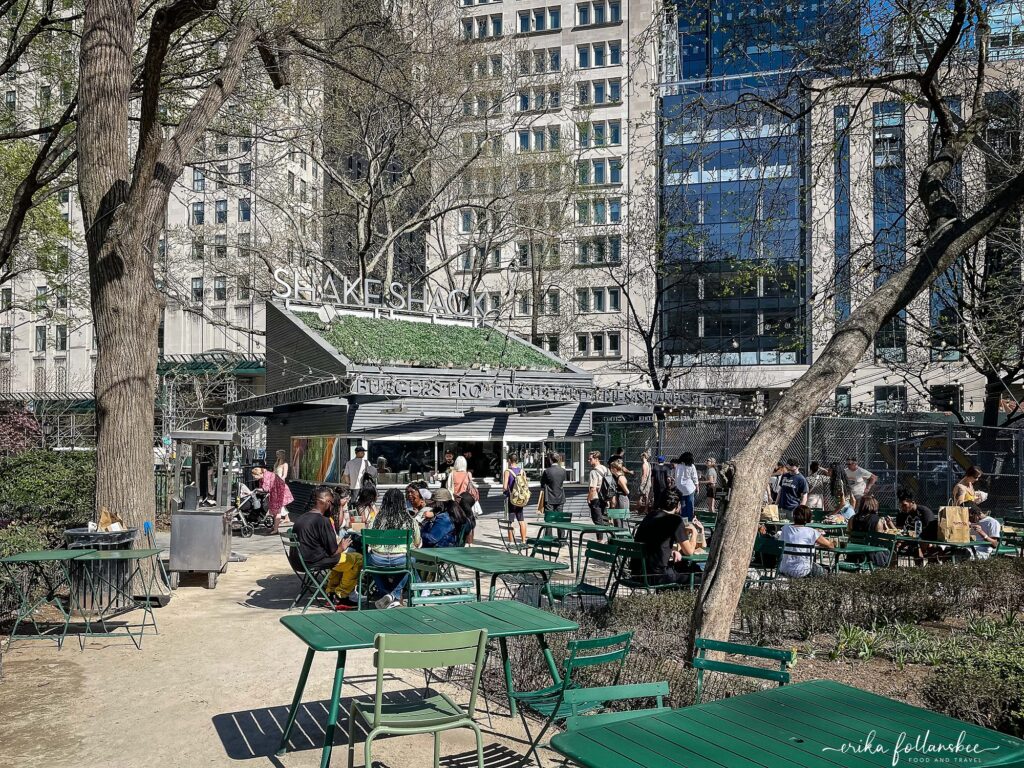
In its formative years, Shake Shack relied heavily on an organic, word-of-mouth marketing strategy. Lacking the budget for extensive advertising campaigns, the brand’s superior product, unique experience, and prime location did the talking. The long lines at Madison Square Park were the most potent form of advertising, creating curiosity and validating the brand’s appeal. People saw the queues, heard the buzz, and felt compelled to try it for themselves.
Food critics, bloggers, and local media quickly caught on to the phenomenon, publishing glowing reviews that amplified its reach. Social media, though nascent in the early 2000s, played an increasingly significant role as customers proudly shared photos of their Shack Burgers and crinkle-cut fries. This authentic endorsement from both tastemakers and everyday patrons was invaluable. It built credibility and desirability in a way that traditional advertising often struggles to achieve. The brand became synonymous with quality and a sought-after experience, making it a “must-try” destination for New Yorkers and tourists alike, proving that a truly exceptional product and experience are the most powerful marketing tools.
Scaling the Brand: From Local Favorite to National Sensation
The challenge for any successful brand is to replicate its initial magic while expanding. Shake Shack deftly navigated this expansion, growing from a single kiosk to a national and then international presence, all while meticulously safeguarding its core brand identity.
Strategic Expansion and Maintaining Brand Consistency
Shake Shack’s expansion strategy was deliberate and measured, avoiding the rapid, unchecked growth that can dilute a brand’s essence. Each new location was carefully selected, often in high-traffic urban centers or vibrant neighborhood hubs, echoing the communal spirit of Madison Square Park. The brand also demonstrated a remarkable ability to adapt its physical spaces while maintaining a consistent brand aesthetic. Whether it was a freestanding restaurant, an airport kiosk, or a mall location, the design elements – clean lines, industrial chic, natural materials, and signature green accents – were consistently applied.
Crucially, maintaining brand consistency went beyond aesthetics. It encompassed the unwavering commitment to quality ingredients, the signature “enlightened hospitality” service model, and the carefully curated menu. Extensive training programs were implemented to ensure that every new team member understood and embodied the Shake Shack ethos. Supply chain logistics were meticulously managed to guarantee the same high-quality ingredients were available across all locations. This dedication to consistency was paramount in ensuring that a Shake Shack experience in Miami felt just as authentic and satisfying as one in New York. The brand understood that its value lay in the reliability of its promise, irrespective of location.
Adapting the Menu While Preserving Core Identity
As Shake Shack expanded, it strategically adapted its menu to local tastes and preferences without straying from its core identity. While the ShackBurger, hot dogs, and crinkle-cut fries remained sacrosanct, the brand introduced localized “concretes” (frozen custard desserts) that incorporated ingredients specific to a city or region. For example, a location might feature a concrete with local pastries or candies, celebrating the unique flavors of its surroundings.
Seasonal specials, limited-time offerings, and collaborations with local chefs or food artisans further demonstrated the brand’s ability to innovate and stay relevant, while still reinforcing its commitment to quality and community. These adaptations were always carefully balanced with the preservation of its foundational menu and brand values. The objective was to offer novelty and relevance without compromising the classic offerings that defined the Shake Shack experience. This approach allowed the brand to resonate with diverse audiences while maintaining a recognizable and trusted core product line.
The IPO Journey: Valuing the Brand’s Equity
In 2015, Shake Shack took a significant leap, going public with an initial public offering (IPO) on the New York Stock Exchange. This move was a clear validation of the brand’s immense equity and market potential. The IPO wasn’t just about raising capital; it was a public declaration of the brand’s strength, its proven business model, and its capacity for future growth. The market’s enthusiastic response, with shares soaring on opening day, underscored the profound value investors placed not just on its financial performance, but on the brand itself – its story, its reputation, its loyal customer base, and its unique positioning in the fast-casual segment.
The IPO marked a pivotal moment, transforming Shake Shack from a beloved restaurant chain into a publicly traded company with global ambitions. It placed a tangible valuation on the intangible assets that had been meticulously built since its hot dog cart days: brand recognition, customer loyalty, perceived quality, and the “fine casual” experience. This journey from a temporary park cart to a publicly traded enterprise serves as a powerful case study for how a carefully nurtured brand identity can translate into substantial market value and sustained growth.
Shake Shack’s Enduring Brand Legacy and Future Trajectory
Today, Shake Shack continues to evolve, but its success remains anchored in the foundational principles established at Madison Square Park. Its legacy is a testament to the power of a brand built on authenticity, quality, and an unwavering commitment to the customer.
The Role of Storytelling in Brand Longevity
Shake Shack’s origin story is a compelling narrative that has become an integral part of its brand longevity. The humble beginnings as a hot dog cart in a revitalized park, overseen by a fine-dining restaurateur, creates a powerful mythos. This story humanizes the brand, making it relatable and aspirational. It communicates authenticity and underscores the brand’s core values of quality, community, and enlightened hospitality.
This narrative is consistently woven into its marketing, its store designs, and its communications, reinforcing a sense of heritage and purpose. Consumers connect with stories, and Shake Shack’s journey from a serendipitous experiment to a global phenomenon resonates deeply, fostering emotional loyalty beyond just the food. The continued emphasis on its origins ensures that as the brand expands, its roots remain visible, grounding its identity in a rich and meaningful history.
Innovation and Sustainability as Brand Pillars
As Shake Shack looks to the future, innovation and sustainability have become increasingly prominent brand pillars. The brand continues to experiment with menu items, leveraging new technologies for operational efficiency, and exploring alternative formats for reaching customers. This commitment to innovation ensures that Shake Shack remains relevant and exciting in a dynamic market.
Simultaneously, sustainability has moved to the forefront of its corporate identity. Building on its early commitment to quality ingredients, Shake Shack is increasingly focused on responsible sourcing, waste reduction, and sustainable packaging. This aligns with evolving consumer values and reinforces its brand promise of doing good while serving delicious food. By integrating sustainability into its operations and messaging, Shake Shack enhances its brand reputation, appeals to a socially conscious customer base, and future-proofs its identity.
The Global Appeal: Exporting the Brand Experience
From its origins in New York City, Shake Shack has successfully exported its unique brand experience to dozens of countries across the globe. This global appeal is a testament to the universal resonance of its core values: high-quality food, genuine hospitality, and a welcoming atmosphere. Despite cultural differences, the desire for a delicious, satisfying meal in a pleasant environment remains constant.
The brand has proven adept at adapting to local markets while maintaining its core identity. Whether it’s adding a specific local flavor to a concrete in Tokyo or navigating different regulatory environments, Shake Shack has demonstrated flexibility without dilution. Its success in diverse international markets solidifies its position as a truly global brand phenomenon, proving that a strong, authentic brand with a compelling origin story and a commitment to its founding principles can truly transcend borders and capture hearts worldwide. The journey from a small hot dog cart in Madison Square Park to a beloved global brand is a powerful lesson in the enduring strength of strategic brand development.
aViewFromTheCave is a participant in the Amazon Services LLC Associates Program, an affiliate advertising program designed to provide a means for sites to earn advertising fees by advertising and linking to Amazon.com. Amazon, the Amazon logo, AmazonSupply, and the AmazonSupply logo are trademarks of Amazon.com, Inc. or its affiliates. As an Amazon Associate we earn affiliate commissions from qualifying purchases.