
The daily ritual of the market close is more than just the final bell; it’s a pivotal moment that encapsulates the day’s economic narrative, reflecting the collective sentiment and action of millions of investors worldwide. For anyone engaged with personal finance, investing, or even just observing the broader economic landscape, understanding where markets closed today is a fundamental piece of the puzzle. It’s a snapshot, a culmination of all the data, news, and investor decisions that transpired over the trading hours, offering crucial insights into the health of various sectors, the impact of global events, and potential indicators for future movements. This article delves into the significance of the daily market close, the factors that drive these numbers, and how to interpret them effectively for your financial journey.
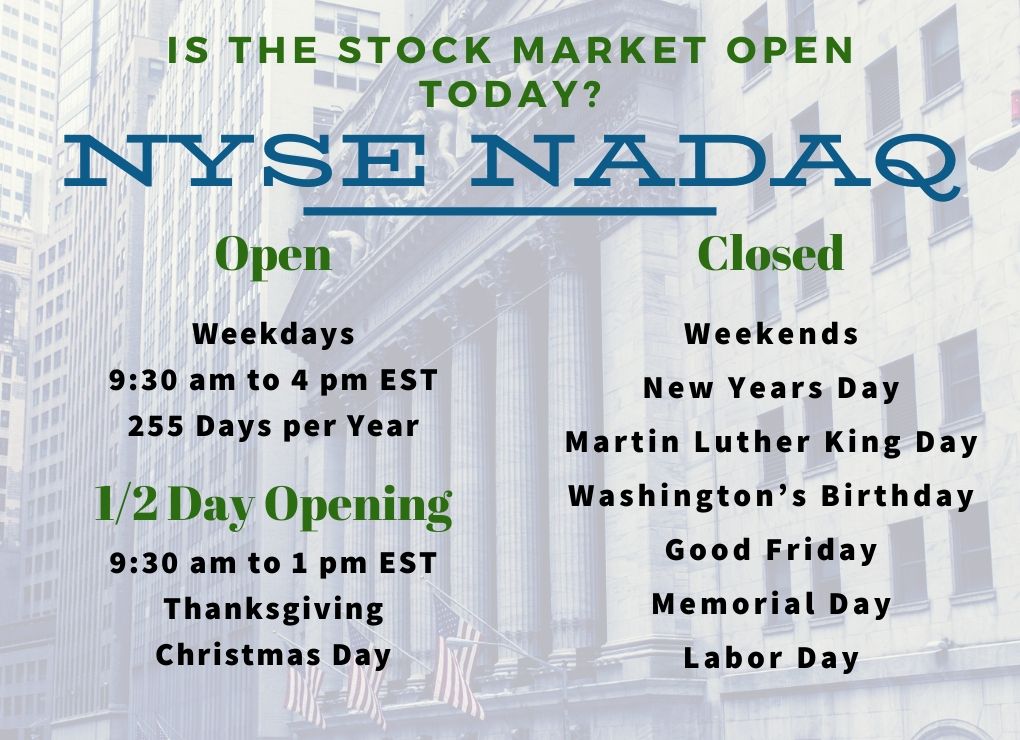
A Daily Snapshot: Understanding Market Performance
The “close” refers to the final trading price of a security or index at the end of a trading day. While individual stock prices fluctuate constantly, the aggregated performance of major indices provides a comprehensive overview of the market’s direction.
Key Indices and Their Movements
When we ask where markets closed, we are typically referring to the performance of benchmark indices. These indices represent a basket of stocks, designed to reflect the overall health of specific segments of the economy or the market as a whole:
- The Dow Jones Industrial Average (DJIA): Often simply called “the Dow,” this index tracks 30 large, publicly owned companies based in the United States. It’s a price-weighted average, meaning stocks with higher prices have a greater impact. Its movements are often seen as a bellwether for the broader industrial health of the US economy.
- The S&P 500 (Standard & Poor’s 500): This is a market-capitalization-weighted index of 500 of the largest US publicly traded companies. It’s widely regarded as one of the best gauges of large-cap US equities and a key indicator of the US economy’s overall health. Its breadth makes it a more comprehensive measure than the Dow.
- The Nasdaq Composite: This index comprises over 3,000 common equities listed on the Nasdaq stock market, heavily weighted towards technology and growth companies. Its performance is often indicative of trends in the tech sector and emerging industries.
Beyond these major US indices, global markets like the FTSE 100 (UK), Nikkei 225 (Japan), DAX 40 (Germany), and Shanghai Composite (China) also provide crucial context. A strong close for these indices often signals positive global sentiment, while declines can suggest broader economic concerns or region-specific challenges. Understanding how these indices moved – whether they gained, lost, or remained flat – gives investors an immediate sense of the market’s mood and direction for the day. A “green close” signifies gains, while a “red close” indicates losses.
Sectoral Performance and Underlying Reasons
A deeper dive into market close data involves dissecting performance by sector. While the overall market might be up, certain sectors could be down, and vice versa. Common sectors include technology, finance, healthcare, energy, consumer staples, industrials, and real estate.
- Identifying Winners and Losers: Did technology stocks soar while energy stocks lagged? Was there a strong performance in defensive sectors like utilities and healthcare, suggesting investor caution?
- Underlying Drivers: Sectoral shifts are often driven by specific news, economic data, or industry trends. For instance, rising oil prices might boost energy stocks, while a positive regulatory announcement could send pharmaceutical companies higher. Conversely, a negative earnings report from a major company could drag down its entire sector. Analyzing these shifts helps investors understand where capital is flowing and what narratives are dominating the market.
The Forces Behind the Close: What Drove Today’s Numbers?
Market closes are rarely arbitrary. They are the cumulative outcome of a complex interplay of economic, corporate, geopolitical, and psychological factors. Dissecting these forces is essential for any informed investor.
Economic Indicators
Macroeconomic data provides the backdrop against which markets operate. Daily releases, or even anticipation of future releases, can significantly sway market sentiment.
- Inflation Reports: Consumer Price Index (CPI) or Producer Price Index (PPI) data can heavily influence interest rate expectations, impacting bond yields and equity valuations. High inflation can signal potential rate hikes, often leading to market jitters.
- Employment Data: Non-farm payrolls, unemployment rates, and wage growth figures offer insights into the labor market’s strength, which directly affects consumer spending and corporate profitability. Strong job growth often boosts confidence, but sometimes “too strong” can signal overheating and spark inflation fears.
- Gross Domestic Product (GDP): While typically released quarterly, GDP forecasts and revisions can impact daily trading. A robust GDP indicates economic expansion, generally positive for corporate earnings.
- Retail Sales: A key measure of consumer spending, strong retail sales figures usually signal a healthy economy, supporting stocks in consumer-facing sectors.
Corporate Earnings and News
Company-specific announcements are powerful market movers.
- Earnings Reports: Quarterly earnings reports are critical. Companies that beat revenue and earnings expectations often see their stock prices rise, sometimes pulling their sector along. Misses can lead to sharp declines.
- Guidance: Even more influential than past earnings is a company’s future guidance. If a company projects weaker-than-expected revenue or profit for upcoming quarters, investors may sell off the stock regardless of strong past performance.
- Mergers & Acquisitions (M&A): Announcements of corporate takeovers or mergers can cause significant price swings for the involved companies and sometimes their competitors.
- Product Launches & Innovation: Breakthrough products or significant technological advancements can ignite investor enthusiasm.
- Legal and Regulatory News: Lawsuits, regulatory fines, or new government regulations can severely impact specific companies or entire industries.
Geopolitical Events and Policy Decisions
Global events and government actions cast long shadows over financial markets.
- Central Bank Policies: Decisions by the Federal Reserve (US), European Central Bank (ECB), or Bank of England (BoE) regarding interest rates, quantitative easing/tightening, and monetary policy statements are paramount. Changes in interest rates directly affect borrowing costs, corporate profitability, and the attractiveness of different asset classes.
- Government Fiscal Policy: Legislation related to taxation, government spending, and infrastructure projects can create winners and losers in the market.
- International Relations and Conflicts: Trade disputes, geopolitical tensions, and armed conflicts introduce uncertainty, often leading to flights to safety (e.g., gold, government bonds) and declines in riskier assets like equities.
- Commodity Prices: Fluctuations in the prices of oil, gas, precious metals, and agricultural products affect industries globally, from energy producers to manufacturers and consumers.
Investor Sentiment and Technical Factors
Beyond the tangible news, the collective psychology of investors and technical trading patterns play a significant role.
- Fear and Greed: Market sentiment often oscillates between these two powerful emotions. Periods of excessive optimism (greed) can lead to bubbles, while panic (fear) can trigger sharp sell-offs.
- Technical Analysis: Chart patterns, moving averages, support and resistance levels, and trading volumes are used by many traders to predict future price movements. Large institutional trades driven by technical signals can influence the close.
- Algorithmic Trading: High-frequency trading algorithms, executing millions of trades per second, can amplify market movements, especially during periods of volatility.
Beyond the Ticker: Implications for Your Portfolio
Understanding where markets closed is a daily exercise in absorbing financial information. However, for most long-term investors, the daily close should be viewed in perspective, not as a signal for immediate, drastic action.
Short-Term Volatility vs. Long-Term Strategy
It’s easy to get caught up in the emotional rollercoaster of daily market fluctuations. A red close can induce anxiety, while a green close brings euphoria.
- Don’t Panic: For long-term investors, daily closes are often noise, not signal. Major market indices have historically trended upwards over decades, despite numerous corrections and bear markets. Selling in a panic after a down day often locks in losses and prevents participation in subsequent recoveries.
- Focus on Your Goals: Your investment strategy should be aligned with your financial goals (retirement, house down payment, education) and your risk tolerance, not on day-to-day market movements.
- Market Timing is Difficult: Consistently predicting daily market direction is exceedingly difficult, even for professionals. A disciplined, consistent investing approach, like dollar-cost averaging, often outperforms attempts at market timing.
Diversification as a Shield
A well-diversified portfolio is designed to weather the daily storms and perform resiliently over the long term.
- Spread Your Risk: Holding a mix of asset classes (stocks, bonds, real estate, commodities), across different sectors and geographies, helps mitigate the impact of a poor performance in any single area. If technology stocks are down, perhaps your bond holdings or value stocks are holding steady.
- Reduce Concentration Risk: A bad day for a specific company or sector has less impact on a diversified portfolio than on one heavily concentrated in a few assets.
Rebalancing and Strategic Adjustments
While daily closes shouldn’t dictate impulsive decisions, they contribute to the broader picture that might warrant periodic portfolio adjustments.
- Periodic Rebalancing: Over time, some assets in your portfolio may grow significantly more than others, altering your desired asset allocation. Rebalancing (selling some winners and buying more of the underperformers) brings your portfolio back to your target allocation, managing risk and potentially buying low/selling high.
- Strategic Shifts (Rare): Significant, long-term shifts in economic paradigms or personal circumstances might necessitate a strategic re-evaluation of your investment thesis. For example, a global shift towards renewable energy might prompt a long-term investor to increase exposure to green technologies. These are not daily decisions but rather periodic, thoughtful reviews.
Accessing and Interpreting Market Data Effectively
In today’s information-rich environment, reliable access to market data and the ability to interpret it are crucial.
Reliable Sources for Market Information
- Financial News Outlets: Reputable sources like The Wall Street Journal, Bloomberg, Financial Times, Reuters, and CNBC offer real-time data, expert analysis, and in-depth reporting.
- Official Exchange Websites: Stock exchange websites (e.g., NYSE, Nasdaq) provide official closing prices and trading data.
- Financial Data Platforms: Platforms like Yahoo Finance, Google Finance, Investing.com, and others offer free access to historical data, charts, and news feeds. Subscription services like FactSet or Refinitiv Eikon provide more granular professional-grade data.
Tools for Analysis
- Charting Software: Most financial platforms include charting tools that allow you to visualize price movements, identify trends, and apply technical indicators.
- Portfolio Trackers: Personal finance apps and brokerage platforms often include tools to track your portfolio’s performance against market benchmarks.
- Economic Calendars: These calendars highlight upcoming economic data releases, central bank meetings, and corporate earnings reports, allowing you to anticipate potential market moving events.
The Role of Financial Advisors
Navigating complex market data and making informed investment decisions can be daunting. A qualified financial advisor can provide invaluable assistance.
- Personalized Guidance: Advisors help you define your financial goals, assess your risk tolerance, and construct a personalized investment plan.
- Market Interpretation: They can help you interpret market data in the context of your specific portfolio and long-term objectives, filtering out the noise.
- Behavioral Coaching: Advisors help prevent emotional decision-making, guiding you to stick to your strategy even during volatile periods.
Looking Ahead: What Tomorrow’s Open Might Bring
While today’s close is definitive, markets are always looking forward. Savvy investors and traders pay attention to indicators that hint at tomorrow’s opening sentiment.
Overnight Futures and Pre-Market Trading
- Futures Markets: Futures contracts on major indices (e.g., S&P 500 futures) trade almost 24 hours a day, providing an early indication of how markets might open the next day. If S&P futures are significantly up or down overnight, it often signals a similar move at the open of the cash market.
- Pre-Market Trading: For individual stocks, pre-market trading occurs before the official opening bell. Company news released overnight or before market open can cause significant price movements during this period, signaling how the stock might perform when regular trading commences.
Upcoming Economic Calendars
Staying abreast of the economic calendar for the next day or week is crucial. Anticipating major economic data releases (e.g., inflation, jobs report) or central bank announcements allows investors to prepare for potential volatility or directional shifts. Knowing what to expect helps to frame the narrative for the upcoming trading day.

Developing a Personal Market Monitoring Routine
For those who want to stay informed without being overwhelmed, developing a routine is key:
- Daily Check-in: A brief check of the major indices and top headlines.
- Weekly Review: A more in-depth look at sectoral performance, significant economic releases, and portfolio alignment.
- Periodic Deep Dive: Every quarter or half-year, a thorough review of your overall financial plan, asset allocation, and market outlook with a longer-term lens.
In conclusion, “where markets closed today” is a fundamental question for anyone connected to the world of money. It’s not just a number; it’s a rich data point that encapsulates the day’s financial story. By understanding the key indices, the underlying forces at play, and how to interpret this information within the context of a well-defined personal investment strategy, individuals can move beyond reactive trading and make informed, confident decisions that align with their long-term financial goals. Always remember that daily closes are part of a much larger, ongoing narrative, and a patient, diversified approach often yields the best results.
aViewFromTheCave is a participant in the Amazon Services LLC Associates Program, an affiliate advertising program designed to provide a means for sites to earn advertising fees by advertising and linking to Amazon.com. Amazon, the Amazon logo, AmazonSupply, and the AmazonSupply logo are trademarks of Amazon.com, Inc. or its affiliates. As an Amazon Associate we earn affiliate commissions from qualifying purchases.