
The story of Costco Wholesale is not merely a tale of retail success; it’s a compelling case study in brand building, strategic vision, and the relentless pursuit of value. To understand the formidable brand that Costco represents today – synonymous with bulk savings, quality goods, and an almost cult-like member loyalty – one must delve into its origins, tracing the separate paths of two pioneering retail concepts that eventually merged to create a global powerhouse. Its genesis is a testament to the power of a clearly defined brand proposition and an unwavering commitment to its core values.

The Seeds of Innovation: Price Club and Costco’s Independent Beginnings
Before the iconic red-and-blue logo became ubiquitous, two distinct entities laid the groundwork for the warehouse club model. These were not just stores, but experiments in a new form of retail, each forging its own brand identity focused on a radical departure from traditional shopping experiences. Their founders, driven by distinct but complementary visions, inadvertently set the stage for one of the most successful retail brands of the 21st century.
Sol Price’s Visionary Retail Experiment: The Birth of Price Club
The true pioneer of the warehouse club concept, and thus a foundational figure in the Costco brand narrative, was Sol Price. In 1976, Price, a savvy businessman already known for creating the FedMart discount store chain, launched Price Club in San Diego, California. His vision was revolutionary for its time: to create a members-only wholesale club catering primarily to small businesses. The brand promise of Price Club was straightforward and powerful: unprecedented low prices on bulk goods, achieved through minimal overhead, no-frills presentation, and a membership fee that helped offset operational costs while fostering a sense of exclusivity.
From a brand perspective, Price Club’s identity was built on efficiency, utility, and a direct appeal to the entrepreneurial spirit of small business owners. It wasn’t about lavish displays or extensive customer service, but rather the stark, undeniable value proposition. The warehouse format itself became part of the brand’s visual language – concrete floors, towering shelves, and products stacked high. This no-frills approach wasn’t a compromise; it was a deliberate brand statement, communicating that every penny saved on aesthetics was passed directly to the customer in the form of lower prices. This early brand positioning created an incredibly loyal following among its target demographic, who understood and appreciated the implicit contract: pay a fee, buy in bulk, save significantly.
Costco Wholesale’s Founding Philosophy: A Consumer-Centric Brand Emerges
Seven years after Price Club’s debut, in 1983, a new player emerged in Seattle, Washington: Costco Wholesale Corporation. Co-founded by James Sinegal and Jeffrey Brotman, Costco’s initial brand strategy mirrored Price Club’s in many ways but with a subtle yet significant shift in emphasis. While Price Club had found its niche primarily with businesses, Sinegal and Brotman explicitly targeted both small businesses and a broader spectrum of individual consumers, particularly those with larger families or specific purchasing habits that benefited from bulk buying.
James Sinegal, with his extensive background in retail, understood the nuances of customer experience and employee relations as vital components of a brand. Costco’s brand identity, from its inception, was not just about low prices, but also about a commitment to quality and a strong ethical stance. Sinegal famously prioritized fair wages and good benefits for employees, believing that a happy workforce translated directly into better customer service and, by extension, a stronger brand reputation. This employee-centric approach became an unspoken but powerful differentiator, fostering a positive perception of the brand that resonated with both its staff and its growing customer base. The Costco brand quickly became associated with not just value, but also integrity and a certain level of curated quality, even within the bulk format.
Forging a Powerhouse: The Strategic Merger and Brand Consolidation
The coexistence of two successful, yet similar, warehouse club models was bound to lead to either fierce competition or strategic alliance. In 1993, the latter transpired, resulting in one of the most significant mergers in retail history. The union of Price Club and Costco Wholesale was a masterclass in brand consolidation, creating a retail giant with unparalleled market reach and a strengthened, unified corporate identity.
The Rationale Behind the Union: Synergies in Brand Value and Market Reach
The merger of Price Club and Costco was not merely an aggregation of assets; it was a strategic convergence of brand strengths. Both companies shared a core brand ethos: offering exceptional value to members. However, they each brought distinct advantages to the table. Price Club had a longer history and a deeply entrenched presence in California and the Southwest, particularly within the business-to-business segment. Costco, while younger, had established a strong footprint in the Pacific Northwest and was rapidly expanding nationally, with a robust appeal to individual consumers.
The rationale for the merger was rooted in realizing powerful synergies in brand value. By combining forces, Price/Costco (as it was initially known) could:
- Expand market dominance: Instantly create the largest warehouse club operator, reducing competition and increasing market share.
- Leverage purchasing power: A unified entity could negotiate better deals with suppliers, further enhancing the brand’s core value proposition of low prices.
- Streamline operations: Consolidate distribution networks, reduce redundant infrastructure, and optimize operational efficiency, all contributing to cost savings that reinforced the brand’s affordability image.
- Standardize best practices: Blend the operational and marketing strengths of both companies, creating a more robust and consistent brand experience.
From a brand perspective, the merger wasn’t about erasing one identity for another; it was about combining the best elements of both to forge a more resilient and expansive brand. It was a recognition that their brand promises were compatible and, when united, immensely powerful.
Navigating Integration: Crafting a Unified Corporate Identity
Merging two successful companies, each with its own culture, customer base, and operational peculiarities, is a monumental task. For Price/Costco, the challenge was to craft a unified corporate identity that honored the legacy of both while projecting a singular, coherent brand image to the market. This process involved more than just changing store signage; it required a careful integration of philosophies, systems, and brand messaging.
James Sinegal, who became CEO of the merged entity, played a crucial role in shaping the new brand identity. He ensured that the core values of both companies – member value, employee welfare, and operational efficiency – remained at the forefront. The decision to eventually drop “Price” from the name in 1997 and become simply “Costco Wholesale Corporation” was a decisive step in solidifying this unified brand. This move streamlined brand communication, created a singular focus, and helped customers identify unequivocally with the Costco name.
The integration process involved:
- Harmonizing membership programs: Ensuring a consistent membership experience across all locations, reinforcing the idea of a single, powerful club.
- Consolidating product offerings: Curating a cohesive product selection that reflected the combined buying power and customer insights of both previous entities, maintaining the brand promise of quality and value.
- Standardizing operational procedures: Implementing a unified approach to store layout, customer service, and inventory management, ensuring a consistent brand experience across the entire chain.
This careful, strategic integration ensured that the new Costco brand was not just larger, but stronger, more efficient, and more consistent in its delivery of value. It demonstrated that successful mergers are as much about brand consolidation and cultural alignment as they are about financial synergy.

The Unmistakable Costco Brand: Pillars of Its Enduring Identity
Today, the Costco brand stands as a paragon of retail success, recognized globally for its unique approach and unwavering commitment to its brand promise. Its identity is built upon several distinct pillars that have been meticulously cultivated since its origins, each contributing to its strong market position and formidable customer loyalty.
The Membership Model: A Foundation of Exclusivity and Loyalty
At the heart of the Costco brand is its membership model. Far from being a mere entry barrier, the annual membership fee is a sophisticated brand strategy that fosters exclusivity, commitment, and a sense of belonging. Members pay for the privilege of access, and in return, they are assured of a value proposition that is difficult to match elsewhere. This creates a powerful psychological contract: “We offer you unparalleled value, and in return, you commit to us.”
This model generates predictable revenue, which further enables Costco to keep prices low – a self-reinforcing brand attribute. More importantly, it cultivates intense customer loyalty. Members feel invested in the brand; they are not just shoppers but “club members.” This transforms transactional relationships into relational ones, making customers more resistant to competitors. The annual renewal becomes a moment of affirmation, solidifying the brand’s presence in their lives. The exclusivity inherent in “members only” also lends an air of prestige and smart shopping, making members feel they are part of an informed, savvy consumer group.
Curated Selection and Value Proposition: The Art of Brand Trust
Unlike traditional retailers that aim for vast selections, Costco famously operates with a limited number of Stock Keeping Units (SKUs). This “curated selection” is not a limitation but a deliberate brand strategy that enhances trust and simplifies the shopping experience. The brand communicates, implicitly, that if Costco carries a product, it has been vetted for quality and offered at the best possible price. This strategic curation reduces decision fatigue for customers and strengthens the perception of Costco as a reliable arbiter of value and quality.
The core value proposition of “best possible prices on high-quality, brand-name merchandise” is a non-negotiable aspect of the Costco brand. This is achieved through aggressive buying power, efficient logistics, and a low-margin, high-volume strategy. Every decision, from warehouse design to inventory management, is geared towards reinforcing this brand promise. Customers trust that they are getting a good deal, which translates into an incredibly positive brand association and repeated visits. This trust is invaluable, as it underpins all other brand attributes.
Kirkland Signature: A Brand Within a Brand Strategy
Perhaps one of the most innovative and successful aspects of Costco’s brand identity is its private label, Kirkland Signature. Launched in 1995, Kirkland Signature isn’t just a generic store brand; it has evolved into a highly respected brand in its own right, often rivaling or exceeding national brands in quality perception. This “brand within a brand” strategy is a powerful testament to Costco’s commitment to quality and value.
Kirkland Signature products are often produced by top-tier manufacturers who also make national brands, ensuring high quality. By affixing the Kirkland Signature label, Costco essentially provides its own endorsement, leveraging its corporate brand trust. This strategy allows Costco to control product quality, ensure consistent supply, and offer items at significantly lower prices than national brands, while still maintaining high-profit margins. It reinforces the overarching Costco brand promise: members are getting premium quality at an unbeatable price. Kirkland Signature enhances brand loyalty, provides differentiation, and acts as a powerful marketing tool, making membership even more appealing. It’s a prime example of how a private label can become a distinct brand asset.
Employee Culture and Customer Experience: Humanizing the Brand
Beyond products and prices, Costco’s brand identity is profoundly shaped by its internal culture and its impact on the customer experience. From its early days, James Sinegal championed an employee-centric philosophy, offering competitive wages, robust benefits, and opportunities for growth. This is not just good HR practice; it’s a critical component of brand building.
A happy, well-compensated, and respected workforce is more likely to provide excellent customer service, treat customers with respect, and embody the brand’s values. Costco’s employees are often cited for their helpfulness and efficiency, directly contributing to a positive brand perception. This positive internal culture translates into a strong external brand image of integrity and fairness. Customers perceive Costco not just as a discount retailer, but as a company that cares about its people and, by extension, its customers. This human element adds depth and authenticity to the brand, making it more relatable and trustworthy than many competitors. It fosters a sense of community and mutual respect that underpins the overall brand experience.
Costco’s Global Brand Footprint and Future Legacy
From its humble beginnings as two separate retail experiments, Costco has evolved into a global retail behemoth, operating hundreds of warehouses across multiple continents. Its journey is an ongoing lesson in maintaining brand consistency while adapting to diverse markets, and its legacy continues to offer invaluable insights into sustainable brand building.
Expanding Beyond Borders: Adapting the Brand for International Markets
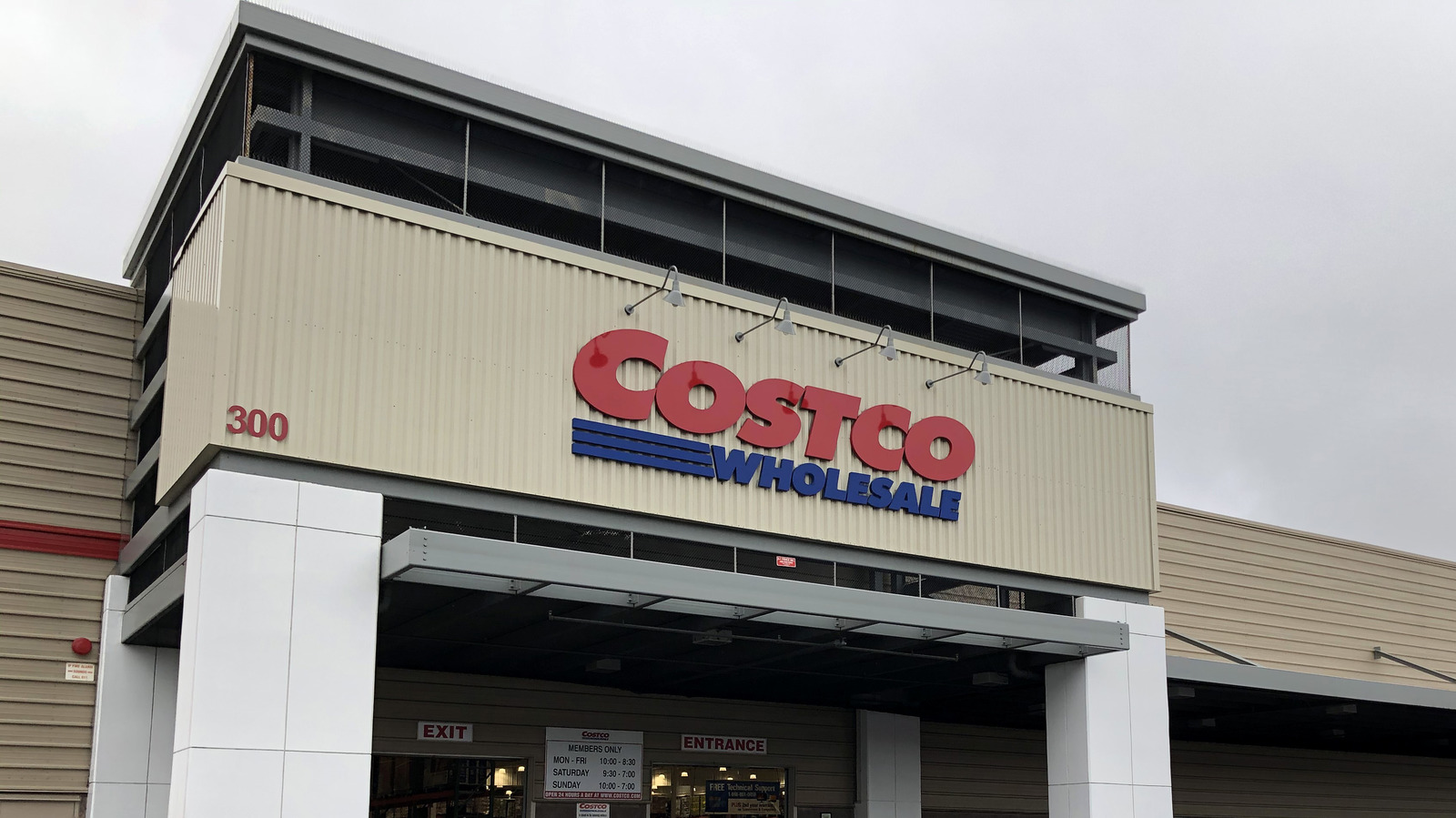
Costco’s global expansion has been strategic and deliberate, beginning in Canada in 1985 and subsequently reaching Mexico, the UK, Japan, Korea, Taiwan, Australia, Spain, France, China, and Iceland. Expanding a brand internationally presents unique challenges: maintaining core identity while localizing for cultural nuances, consumer preferences, and regulatory environments.
Costco has largely succeeded by adhering to its foundational brand pillars: the membership model, bulk value, and a curated selection of quality goods. While the product mix might be adjusted to include local favorites (e.g., specific regional foods or cultural products), the underlying brand experience – the warehouse format, the commitment to low prices, and the efficient shopping journey – remains remarkably consistent. This global consistency reinforces the strength of the Costco brand, making it recognizable and trusted regardless of geographic location. It demonstrates that a strong, well-defined brand proposition can transcend borders with thoughtful adaptation rather than wholesale reinvention. Each new market is a testament to the universal appeal of its brand promise.
An Enduring Model: The Brand’s Resilience and Future Evolution
Costco’s story, from its origins as Sol Price’s audacious experiment and James Sinegal’s complementary vision, offers profound lessons in brand resilience and strategic evolution. It teaches that a powerful brand is built not just on products or prices, but on a clear, consistent, and ethically grounded value proposition. Its brand legacy is one of challenging conventional retail, prioritizing long-term relationships with both customers and employees over short-term gains, and leveraging operational efficiency as a brand attribute.
In an increasingly competitive retail landscape, Costco continues to thrive by staying true to its brand origins while subtly adapting to new consumer behaviors, such as expanding its e-commerce presence without undermining the in-store warehouse experience. The brand’s future evolution will likely involve a continuous balance between maintaining its core, beloved identity and innovating to meet emerging demands. The enduring appeal of Costco lies in its ability to consistently deliver on its brand promise, creating a loyal community of members who trust the brand implicitly. Its origin story is not just history; it’s the blueprint for a brand that continues to define value, quality, and community in the retail world.
aViewFromTheCave is a participant in the Amazon Services LLC Associates Program, an affiliate advertising program designed to provide a means for sites to earn advertising fees by advertising and linking to Amazon.com. Amazon, the Amazon logo, AmazonSupply, and the AmazonSupply logo are trademarks of Amazon.com, Inc. or its affiliates. As an Amazon Associate we earn affiliate commissions from qualifying purchases.