
The digital entertainment landscape has undergone a seismic shift over the last decade. While the early 2010s were defined by the rise of premium, subscription-based “walled gardens” like Netflix and Hulu, the current era is witnessing a massive resurgence in free, ad-supported content. This transition is not merely a change in consumer preference but a sophisticated evolution in streaming technology, data-driven advertising, and cloud-based content delivery networks (CDNs). For users looking to bypass monthly subscription fees, the question of “where” to watch is increasingly answered by a complex ecosystem of apps, software interfaces, and hardware-integrated platforms.

The Rise of FAST: Revolutionizing the Digital Broadcast Landscape
The most significant technological development in the free television space is the emergence of FAST—Free Ad-supported Streaming TV. Unlike traditional Video on Demand (VOD), FAST platforms replicate the linear experience of traditional cable or broadcast television. They offer “channels” that run on a schedule, providing a lean-back experience that mimics the channel-surfing of the analog era, yet is built entirely on modern digital protocols.
How FAST Protocols Work
The backbone of FAST technology relies on Server-Side Ad Insertion (SSAI). Unlike older web-based video players that often struggled with “ad-blockers” or laggy transitions between content and commercials, SSAI stitches the advertisement directly into the video stream on the server before it reaches the user’s device. This results in a seamless, broadcast-quality experience. For the viewer, this means no buffering when a commercial starts and a significantly reduced likelihood of app crashes.
The Shift from Scarcity to Digital Abundance
In the traditional broadcast era, “free” TV was limited by the physical range of radio waves and the number of available Hertz in the electromagnetic spectrum. Today, cloud infrastructure allows platforms to host thousands of niche channels simultaneously. This technological shift has democratized access to specialized content—from 24-hour news cycles and classic cinema to hyper-specific hobbyist channels—all delivered via internet protocol (IP) without the need for a physical antenna or a cable subscription.
Leading AVOD Platforms: A Deep Dive into App Architecture and Content Delivery
The secondary pillar of the free TV ecosystem is AVOD (Ad-supported Video on Demand). While FAST is linear, AVOD is the “on-demand” side of the coin. Several tech giants and media conglomerates have developed robust software architectures to deliver high-definition libraries at zero cost to the consumer.
Pluto TV: The Leader in Linear Digital Broadcasting
Owned by Paramount Global, Pluto TV is often cited as the pioneer of the modern FAST movement. Its software interface is designed to be cross-platform, functioning equally well on a web browser, a mobile app, or a smart TV operating system. The platform’s engineering focus is on “discoverability.” By utilizing a grid-based Electronic Program Guide (EPG), Pluto TV uses metadata to categorize thousands of hours of content into digestible segments, allowing users to navigate through “stations” rather than searching through a static database.
Tubi: Leveraging Deep Libraries and AI Curation
Tubi, a subsidiary of Fox Corporation, represents the pinnacle of AVOD tech through its heavy investment in machine learning. While its library is massive—exceeding 50,000 titles—the core of the Tubi experience is its recommendation engine. Using proprietary algorithms, Tubi analyzes viewing habits to surface “niche” content that might otherwise be lost in a massive catalog. From a technical standpoint, Tubi’s ability to stream high-bitrate content with minimal latency across varying internet speeds makes it a gold standard for free streaming software.
Freevee and The Roku Channel: Ecosystem-Locked Content
Amazon’s Freevee and The Roku Channel demonstrate how free TV is being used as a “hook” within a larger hardware and software ecosystem. These platforms are deeply integrated into their respective operating systems (FireOS and Roku OS). This integration allows for a “universal search” feature, where a user can search for a movie using voice commands, and the OS’s internal API will prioritize free results over paid ones. This seamless link between the hardware remote and the software content library creates a frictionless user experience that rivals paid services.
Public Service and Educational Digital Platforms
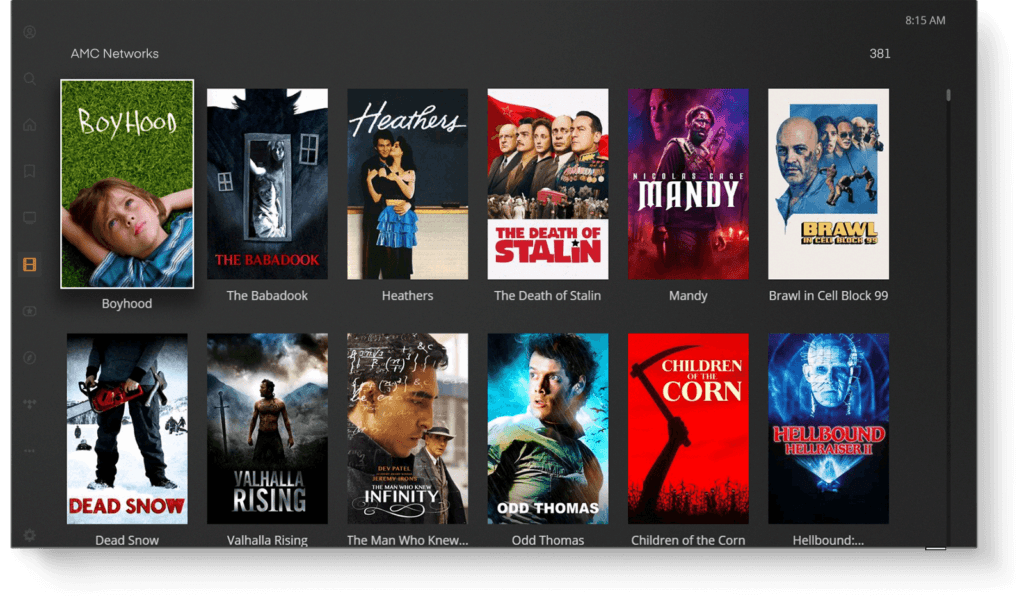
Beyond the commercial giants, the “where” of free TV extends into institutional and public service technology. These platforms often leverage existing educational frameworks and library databases to provide high-quality content without the commercial interruptions found on FAST or AVOD services.
PBS and the Public Media Infrastructure
The PBS app is a masterclass in localized digital distribution. The software uses geo-location data to connect users with their local member station. This allows for a hybrid streaming model: users can watch a national live stream of PBS programming while also accessing a localized VOD library. This requires a complex backend that can manage digital rights for hundreds of different local entities within a single, unified app interface.
Kanopy and Hoopla: Utilizing Library and Institutional Tech
Perhaps the most underrated tech in the free streaming space is the library-linked platform. Kanopy and Hoopla do not use traditional advertising to fund their operations; instead, they interface with the integrated library systems (ILS) of public libraries and universities. By authenticating a user’s library card number through a secure API, these apps provide access to “prestige” cinema and documentaries. This represents a unique intersection of public infrastructure and modern streaming software, providing a “free” service that is technically funded by public taxes and institutional grants.
Digital Privacy and Security in the Free Streaming Era
When accessing TV for free, the “cost” is often the user’s data. Understanding the technical trade-offs of these platforms is essential for any modern tech-savvy viewer. Free streaming apps rely on sophisticated tracking pixels and data harvesting to provide targeted advertising, which is how they remain financially viable.
Protecting Your Digital Privacy on Free Platforms
Users should be aware of the permissions requested by free streaming apps. Many of these applications track viewing habits, device IDs, and even physical location to build a consumer profile. To mitigate this while still enjoying free content, technical users often employ several strategies:
-
VPN Utilization: While some platforms block VPNs to enforce regional licensing, a high-quality VPN can prevent local ISPs from tracking streaming traffic.
-
Dedicated Streaming Accounts: Using a secondary email address for app registrations limits the amount of cross-platform data that can be linked to a user’s primary identity.
-
Ad-Tracking Limitations: Both iOS and Android offer “Limit Ad Tracking” features in their privacy settings, which prevent apps from accessing the device’s unique Advertising Identifier (IDFA).
The Danger of Unofficial Software
The search for “free TV” often leads users toward third-party “IPTV” services or unofficial streaming websites. From a tech perspective, these are high-risk environments. Unlike official apps (Pluto, Tubi, etc.) which are vetted by app stores, unofficial sites often host malicious scripts, drive-by downloads, and phishing redirects. Sticking to official, legal AVOD and FAST platforms ensures that the device’s kernel and local network remain secure from intrusion.
The Technical Future: AI-Driven Personalization and Next-Gen Codecs
As we look forward, the technology behind free television will continue to evolve, making it more efficient and personalized. We are moving away from a one-size-fits-all broadcast model toward a “personalized linear” model.
AI and Generative Scheduling
In the near future, FAST channels may no longer be static. AI could be used to generate a “Channel of One,” where the linear schedule is created in real-time based on a specific user’s preferences. If the system knows a user likes 1980s action movies and tech documentaries, it can dynamically stitch a schedule together, complete with ads that are specifically relevant to that user’s demographic. This requires immense server-side processing power but represents the logical conclusion of current data trends.

Efficiency Through AV1 and H.265
To make free streaming more profitable, platforms must reduce their “egress” costs—the money they pay to move data from their servers to the user’s screen. The adoption of more efficient video codecs like AV1 and HEVC (H.265) allows for 4K streaming at significantly lower bitrates. This tech update is crucial for the free TV market, as it allows platforms to deliver higher visual quality without a proportional increase in bandwidth costs.
In summary, “where” you can watch TV for free is no longer a question of finding a lucky signal with an antenna. It is an exploration of a high-tech ecosystem consisting of FAST channels, AVOD software, and library-integrated platforms. By understanding the underlying technology—from SSAI and EPGs to data privacy and video codecs—viewers can navigate this landscape with professional insight, ensuring they receive the best possible experience without the monthly bill.
aViewFromTheCave is a participant in the Amazon Services LLC Associates Program, an affiliate advertising program designed to provide a means for sites to earn advertising fees by advertising and linking to Amazon.com. Amazon, the Amazon logo, AmazonSupply, and the AmazonSupply logo are trademarks of Amazon.com, Inc. or its affiliates. As an Amazon Associate we earn affiliate commissions from qualifying purchases.