
Venmo has transcended its origins as a simple peer-to-peer payment application to become a multifaceted digital wallet, deeply embedded in the fabric of modern commerce and social interaction. What began as a convenient way for friends to split a dinner bill has evolved into a comprehensive payment ecosystem, enabling transactions across an ever-widening array of scenarios. Understanding “where you can use Venmo” is no longer just about knowing its core functionality; it’s about appreciating the technological integrations and strategic expansions that have propelled it into a ubiquitous financial tool for millions. This exploration delves into the technological infrastructure and diverse applications that define Venmo’s extensive usability, from everyday personal transfers to sophisticated commercial transactions, underlining its pivotal role in the ongoing digitization of money.
The Foundation: Seamless Peer-to-Peer Transactions
At its core, Venmo revolutionized how individuals transfer money, transforming a once cumbersome process into a frictionless, almost social experience. This foundational utility remains a primary driver of its popularity and widespread adoption, underpinned by intuitive user interface design and robust backend processing.
Instant Payments to Friends and Family
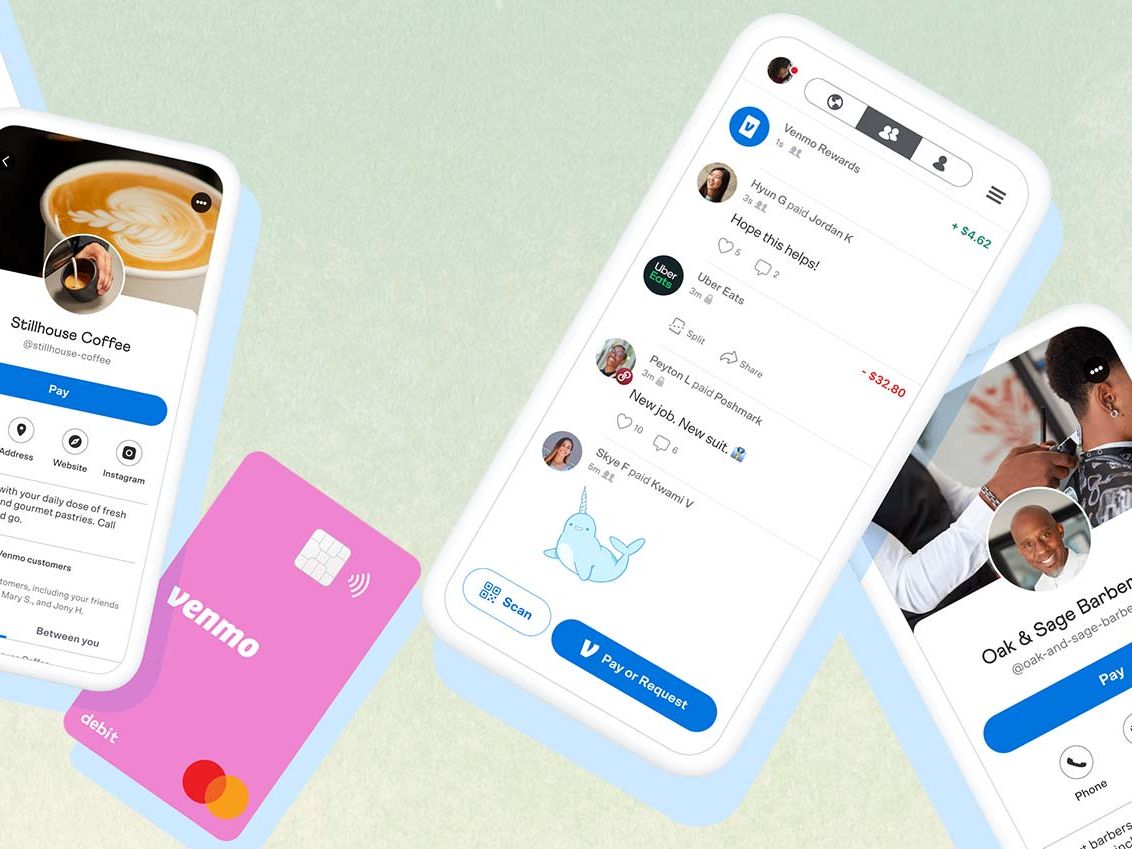
The original and most recognized use case for Venmo involves its peer-to-peer (P2P) payment system. Users can send and receive money from friends and family members almost instantaneously, using just a phone number, email address, or Venmo username. This system bypasses traditional banking delays and complex routing numbers, simplifying what used to be a multi-step process. The technology facilitating this ease of use involves direct integration with users’ bank accounts and debit cards, enabling rapid funds transfer. Furthermore, Venmo’s distinctive social feed, displaying anonymized or public transactions, adds a unique dimension, fostering a sense of community and transparency around financial interactions. While optional, this social layer leverages network effects, making the act of payment more engaging than purely utilitarian transfers, a testament to its savvy integration of social networking principles into financial technology. The underlying infrastructure ensures that these transactions, despite their apparent simplicity, are secured with encryption and fraud detection mechanisms, providing a reliable platform for everyday financial exchanges.
Splitting Bills and Group Expenses
Beyond individual transfers, Venmo excels as a tool for managing group expenses. The “split” feature is a prime example of its technological design addressing a common social pain point. Whether it’s dividing the cost of a shared meal, household utilities, or a group trip, Venmo allows users to easily calculate and request specific amounts from multiple contacts. This functionality eliminates the awkwardness and mathematical gymnastics often associated with group payments, streamlining reconciliation efforts. The app’s ability to integrate with the user’s contact list and payment history makes identifying participants and tracking contributions remarkably straightforward. This technological convenience ensures that financial contributions are collected efficiently, maintaining social harmony by making shared costs transparent and easy to manage for all parties involved. The system automatically notifies recipients of requests, allowing for quick settlement and reducing the administrative burden traditionally associated with group financial coordination.
Expanding Horizons: Venmo in the Commercial Sphere
Recognizing its immense user base and transaction volume, Venmo strategically expanded its capabilities beyond P2P, enabling businesses of all sizes to accept payments. This expansion marks a significant evolution, transforming Venmo into a viable commercial payment solution, leveraging its existing network for broader economic impact.
Paying at Physical Locations with QR Codes
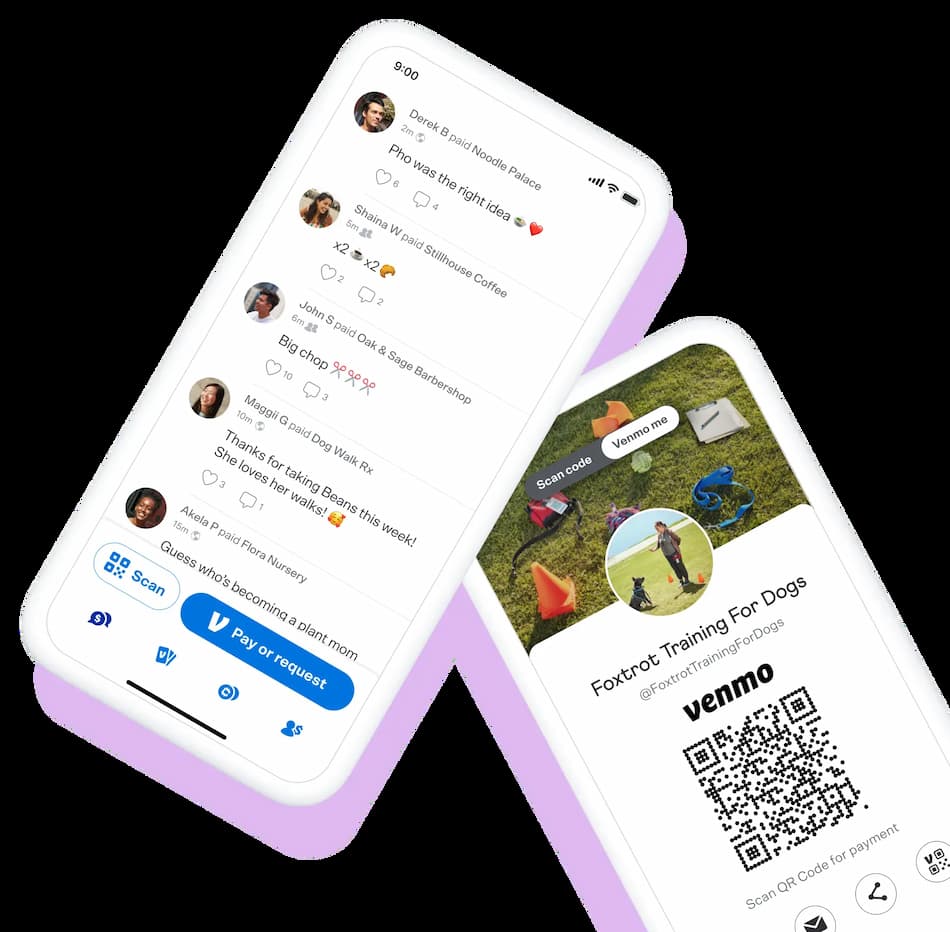
One of Venmo’s innovative leaps into physical retail involves the adoption of QR code payments. This contactless technology allows customers to pay in-store by simply scanning a unique QR code displayed by a merchant. The Venmo app facilitates this transaction by linking the scanned code to the merchant’s business profile, enabling a quick and secure transfer of funds. This method not only offers convenience and speed for the consumer but also provides a cost-effective and low-barrier entry point for businesses to accept digital payments without requiring traditional point-of-sale (POS) terminals or expensive hardware. For businesses, the technology provides instant confirmation of payment, reduces cash handling, and integrates seamlessly with their Venmo business profile for easy reconciliation. This innovation aligns with the broader trend toward contactless payments, driven by advancements in mobile technology and an increasing consumer preference for hygienic and efficient transaction methods. The underlying security protocols ensure that these QR-initiated payments are protected against fraud, mirroring the robust security found in other Venmo transactions.
Online Checkout Integration
Venmo has made significant inroads into the e-commerce landscape by offering “Pay with Venmo” as a checkout option on numerous online merchant websites and within mobile applications. This integration is achieved through sophisticated API (Application Programming Interface) connections, allowing third-party platforms to seamlessly incorporate Venmo’s payment gateway. For consumers, this means a faster and more streamlined checkout experience, often requiring just a few taps within the Venmo app to confirm a purchase, rather than manually entering card details. This reduces friction, which is crucial for improving conversion rates in online retail. For merchants, offering Venmo as a payment option taps into its vast user base, potentially attracting new customers who prefer the convenience and familiarity of the platform. The technical architecture behind this integration ensures secure data transmission and transaction processing, safeguarding both consumer financial information and merchant revenues. This strategic integration reinforces Venmo’s position as a versatile digital payment solution, capable of facilitating transactions across diverse digital storefronts.
Venmo Business Profiles

To cater specifically to merchants and service providers, Venmo introduced dedicated Business Profiles. This feature allows individuals and small businesses to create separate accounts for professional transactions, distinct from their personal Venmo activities. Business Profiles come equipped with enhanced functionalities tailored for commercial use, such as the ability to track sales, manage customer interactions, and access transaction histories for accounting purposes. The technology behind Business Profiles is designed to simplify financial management for entrepreneurs, freelancers, and small enterprises, providing tools for invoicing, payment tracking, and even tax reporting. Furthermore, these profiles enable businesses to generate unique QR codes and shareable payment links, making it easier for customers to find and pay them. This demarcation between personal and business finances within a single platform highlights Venmo’s commitment to evolving beyond a purely social payment app, providing a robust, app-based solution for the modern gig economy and small business sector. The system also supports customer service features, allowing businesses to engage directly with payers regarding specific transactions, enhancing transparency and trust.
Beyond the App: Venmo Debit and Credit Cards
Extending its utility beyond digital-only transactions, Venmo has introduced physical payment instruments that bridge the gap between its digital ecosystem and traditional card networks. These cards leverage existing payment infrastructure while integrating seamlessly with the Venmo app, offering users unparalleled flexibility.
The Venmo Debit Card: A Direct Link to Your Balance
The Venmo Debit Card, powered by Mastercard, represents a significant expansion of Venmo’s utility, allowing users to spend funds directly from their Venmo balance wherever Mastercard is accepted, globally. This card effectively transforms a user’s Venmo balance into a readily accessible bank account, eliminating the need to transfer funds to an external bank account before spending. The technology behind the debit card involves a direct linkage between the physical card and the user’s digital Venmo wallet. This integration provides real-time transaction tracking within the Venmo app, offering detailed insights into spending patterns and immediate notifications for every purchase. Key features include the ability to earn automatic cashback rewards at select merchants, robust fraud protection mechanisms, and access to ATMs for cash withdrawals. The card’s functionality is a testament to Venmo’s commitment to providing a holistic financial tool, blending the convenience of digital payments with the universal acceptance of traditional debit cards, all managed through a centralized, user-friendly mobile interface.
The Venmo Credit Card: Rewards and Financial Flexibility
Building on the success of its debit offering, the Venmo Credit Card, issued by Synchrony Bank and also powered by Visa, further enhances the platform’s financial utility. This card is designed for users seeking financial flexibility and rewards tailored to their spending habits, all while being deeply integrated with the Venmo app experience. A standout technological feature is its dynamic rewards system, which automatically identifies a user’s top spending categories each month and applies enhanced cashback rates to those purchases. This intelligent reward mechanism, driven by advanced analytics, ensures users consistently maximize their benefits without manual selection. The card’s integration with the Venmo app provides an unparalleled level of control and insight, allowing users to track transactions, manage spending, view statements, and make payments directly within the familiar Venmo interface. Security features like virtual card numbers and real-time alerts further enhance the user’s peace of mind. The Venmo Credit Card represents a sophisticated blending of traditional credit card functionality with modern fintech convenience, offering a powerful tool for responsible spending and rewards accumulation within the Venmo ecosystem.
The Technology Driving Venmo’s Versatility
Venmo’s expansive utility is not merely a product of clever marketing but a direct result of robust technological infrastructure and an unwavering focus on user experience. The underlying systems ensure security, efficiency, and scalability, making it a trusted platform for diverse financial activities.
Security Protocols and Data Encryption
At the heart of Venmo’s operational integrity are its comprehensive security protocols and advanced data encryption. Given its role in handling sensitive financial information, Venmo employs industry-standard encryption technologies to protect user data, both in transit and at rest. This includes TLS (Transport Layer Security) for secure communication between the app and its servers, and robust encryption for stored data. Beyond encryption, Venmo implements sophisticated fraud detection algorithms and real-time monitoring systems that continuously analyze transactions for suspicious activity. Multi-factor authentication (MFA) provides an additional layer of security, requiring users to verify their identity through multiple channels before accessing their accounts or authorizing significant transactions. These technological safeguards are paramount in building and maintaining user trust, ensuring that the platform remains secure against evolving cyber threats and unauthorized access, thereby protecting the financial assets and personal information of its vast user base.
User Experience and Interface Design
The intuitive user experience (UX) and clean interface design (UI) are critical technological achievements that underpin Venmo’s widespread appeal. From the moment a user signs up, the app guides them through a seamless onboarding process. The layout is uncluttered, making it easy to navigate between sending money, requesting payments, viewing transaction history, and managing settings. Key design choices, such as the prominent “Pay & Request” button and the social feed, contribute to its distinct identity and ease of use. This focus on human-centered design ensures that complex financial transactions are simplified into a few taps, reducing cognitive load and making the app accessible to a broad demographic, regardless of their technical proficiency. The responsiveness of the app, coupled with clear visual cues and instant notifications, further enhances the user journey, making financial interactions feel effortless and engaging rather than daunting. This deliberate design strategy has been instrumental in reducing friction, fostering user loyalty, and expanding Venmo’s utility beyond a mere payment conduit to a lifestyle application.
API Integrations and Ecosystem Expansion
Venmo’s ability to integrate with a vast array of third-party applications and merchant platforms is a testament to its powerful API (Application Programming Interface) architecture. These APIs allow external developers and businesses to connect their services directly with Venmo’s payment processing capabilities, effectively extending Venmo’s reach into new digital and physical environments. For e-commerce sites, for instance, Venmo’s payment gateway API allows for a seamless “Pay with Venmo” option, streamlining the checkout process for consumers. In physical retail, integrations with POS systems enable QR code payments. This open, yet secure, API strategy has been a cornerstone of Venmo’s ecosystem expansion, fostering a network effect where its utility grows exponentially with each new integration. This technological openness not only benefits Venmo by increasing transaction volume but also empowers businesses to offer diverse payment options, catering to a wider customer base and embracing the future of digital commerce. The ongoing development and maintenance of these APIs are crucial for Venmo to remain a relevant and adaptable player in the rapidly evolving fintech landscape.
In conclusion, Venmo has profoundly reshaped the landscape of digital payments, transforming from a simple app for splitting costs among friends into a comprehensive digital wallet solution. Its journey from peer-to-peer transfers to an omnipresent payment option across online and physical merchants, bolstered by its own debit and credit cards, highlights a strategic and technologically driven evolution. The ubiquitous nature of Venmo today is a direct result of its robust security protocols, user-centric interface design, and sophisticated API integrations that seamlessly weave its services into diverse commercial and social contexts. As technology continues to advance, Venmo’s adaptable architecture positions it to remain at the forefront of financial innovation, continuously expanding “where you can use Venmo” and further embedding itself as an indispensable tool in the digital economy.
aViewFromTheCave is a participant in the Amazon Services LLC Associates Program, an affiliate advertising program designed to provide a means for sites to earn advertising fees by advertising and linking to Amazon.com. Amazon, the Amazon logo, AmazonSupply, and the AmazonSupply logo are trademarks of Amazon.com, Inc. or its affiliates. As an Amazon Associate we earn affiliate commissions from qualifying purchases.