
For the modern traveler, airfare represents one of the most significant discretionary expenses in a personal budget. The fluctuation of ticket prices can feel arbitrary, yet it is governed by complex financial algorithms and market dynamics. Finding the absolute lowest price for a flight is not merely a matter of luck; it is a discipline of financial optimization. To secure the cheapest plane tickets, one must understand the intersection of yield management, currency arbitrage, and the strategic use of financial instruments like credit card rewards.
Understanding the Market Dynamics of Airfare
The airline industry operates on a model known as dynamic pricing. Unlike retail goods with fixed margins, airline seats are “perishable” inventory. Once a plane takes off, the value of an unsold seat drops to zero. This creates a high-stakes environment where airlines use sophisticated software to adjust prices in real-time based on demand, competitor pricing, and historical data.
The Role of Yield Management Systems
Yield management is the process of allocating the right type of capacity to the right kind of customer at the right price to maximize revenue. For the consumer, this means that the person sitting next to you may have paid half—or double—what you paid for the same experience. Airlines categorize seats into various “fare buckets.” Even within the economy cabin, there are multiple tiers of pricing. As lower-priced buckets are filled, the system automatically opens higher-priced tiers.
To find the cheapest tickets, you must aim to book when the lowest fare buckets are still open. This typically requires monitoring the market before the “business travel” surge, which usually occurs closer to the departure date when corporate travelers are willing to pay a premium for flexibility.
Supply, Demand, and the Seasonal Curve
The fundamental law of economics—supply and demand—is the primary driver of airfare costs. During peak seasons, such as summer holidays or major international festivals, demand far outstrips supply, allowing airlines to maintain high price floors. Conversely, traveling during the “shoulder season”—the period between peak and off-peak—offers the best ROI for your travel budget. By shifting a trip by just two weeks, a traveler can often see a 30% to 50% reduction in ticket costs, representing a significant saving in their annual personal finance planning.
Leveraging Financial Instruments: Points, Miles, and Credit Strategy
In the world of personal finance, travel is often subsidized by the strategic use of credit card rewards. For many, the “cheapest” ticket is not one bought with cash, but one redeemed through a points ecosystem. This approach turns everyday spending into a travel fund, effectively lowering the net cost of airfare to nearly zero.
Maximizing Sign-Up Bonuses (SUBs)
The fastest way to accumulate the capital necessary for “free” or deeply discounted flights is through credit card sign-up bonuses. Financial institutions are willing to offer tens of thousands of miles to acquire high-value customers. By strategically opening a new card before a large planned expense, a consumer can earn enough points for a round-trip international flight. When managed responsibly, this is a form of financial engineering that bypasses the traditional cash market for tickets.
The Power of Transferable Points
Not all points are created equal. Fixed-value points (where 100 points always equals $1) offer simplicity but limited upside. The real value lies in transferable points currencies offered by major banks. These points can be moved to various airline loyalty programs, often at a 1:1 ratio.
The financial advantage here is the ability to exploit “sweet spots” in airline award charts. For example, while a cash ticket from New York to Tokyo might cost $1,500, it might only cost 60,000 miles. If those miles were earned through a sign-up bonus or 2x/3x multipliers on daily spending, the “cost” of that ticket is a fraction of the market price.
Calculating the Cent-Per-Point (CPP) Value
To treat travel as a true financial asset, one must calculate the Cent-Per-Point (CPP) value. This is done by taking the cash price of the flight (minus taxes and fees) and dividing it by the number of points required. If a $500 flight costs 50,000 points, the value is 1.0 CPP. If a $2,000 flight costs 50,000 points, the value is 4.0 CPP. A savvy investor in their own travel seeks redemptions that exceed the baseline value of the points, ensuring they are getting the maximum “yield” on their spending.
Tactical Booking Platforms and Digital Arbitrage
While the underlying economics dictate the price, the platform you use to find that price can influence the final cost. Navigating the landscape of meta-search engines and online travel agencies (OTAs) requires a tactical approach to ensure transparency and avoid hidden markups.
Utilizing Meta-Search Engines for Financial Transparency
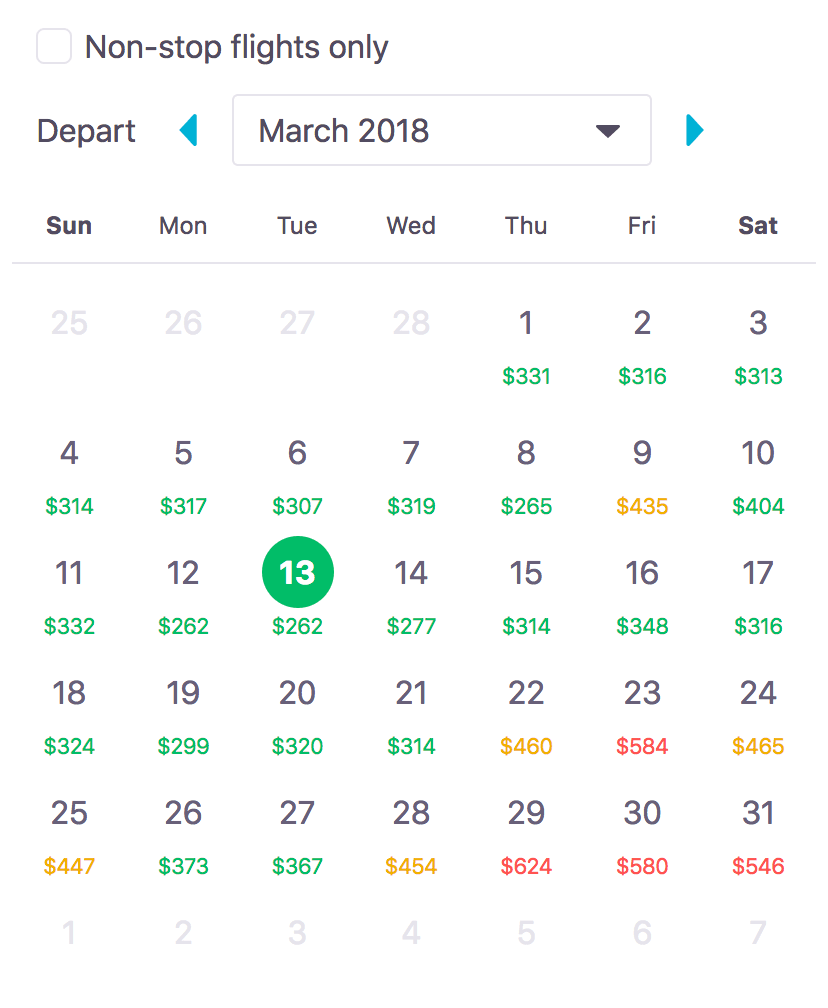
Tools like Google Flights and ITA Matrix are the gold standard for price discovery. Unlike many OTAs that might hide certain airlines or add their own service fees, these engines aggregate data directly from airline APIs.
Google Flights, in particular, offers a “Price Guarantee” on certain routes, promising to refund the difference if the price drops after booking. This is a powerful risk-mitigation tool for the budget-conscious traveler. Furthermore, using the “Explore” map feature allows travelers to search by budget rather than destination—a “price-first” strategy that is the hallmark of efficient travel spending.
The Currency Conversion Play
A lesser-known tactic in the quest for the cheapest tickets is currency arbitrage. Sometimes, booking a flight on the local version of an airline’s website (e.g., booking a flight within Spain on the Spanish version of the site in Euros rather than the US version in Dollars) can result in a lower price due to the exchange rates used by the airline’s internal system.
However, this strategy only works if you use a credit card with no foreign transaction fees. Without such a card, the 3% bank fee will often negate any savings found through currency manipulation. This highlights the importance of having the right financial “stack” before attempting advanced booking techniques.
Hidden-City Ticketing: A High-Risk, High-Reward Strategy
Hidden-city ticketing involves booking a flight with a layover in your actual intended destination and simply walking away at the layover point. For example, a flight from New York to Los Angeles might be $300, but a flight from New York to San Francisco with a layover in Los Angeles might be $150.
From a purely mathematical standpoint, this is the cheapest way to fly certain routes. However, it carries significant financial and logistical risks. Airlines strictly forbid this practice in their “Contract of Carriage.” If caught, an airline may void your remaining tickets, confiscate your frequent flyer miles, or even bill you for the price difference. It is a classic “gray market” financial move that requires a high tolerance for risk.
Timing the Market: When to Pull the Trigger
In investing, “time in the market” usually beats “timing the market.” In airfare, however, timing is everything. The window in which you book can be the difference between a budget-friendly trip and a financial burden.
The “Goldilocks Window” for Domestic and International Flights
Historical data suggests there is a “Goldilocks Window” for booking—not too early, and not too late. For domestic flights, this is typically 1 to 3 months before departure. For international travel, the window shifts to 2 to 8 months. Booking a year in advance often results in paying a “premium for certainty,” as airlines have not yet begun to discount seats to fill the plane. Conversely, booking within 21 days of departure subjects the traveler to “close-in” pricing designed to capture high-intent business travelers.
Fare Alerts and Passive Market Monitoring
Rather than manually checking prices every day—which is an inefficient use of “time-wealth”—travelers should utilize passive monitoring tools. Services like Going (formerly Scott’s Cheap Flights) or Skyscanner alerts do the heavy lifting. They monitor for “mistake fares”—instances where an airline accidentally lists a $1,200 ticket for $120 due to human error or a software glitch. Capitalizing on a mistake fare is the ultimate win in the airfare market, providing a massive return on the “investment” of a subscription fee for such services.
Optimizing Your Travel Budget Beyond the Ticket
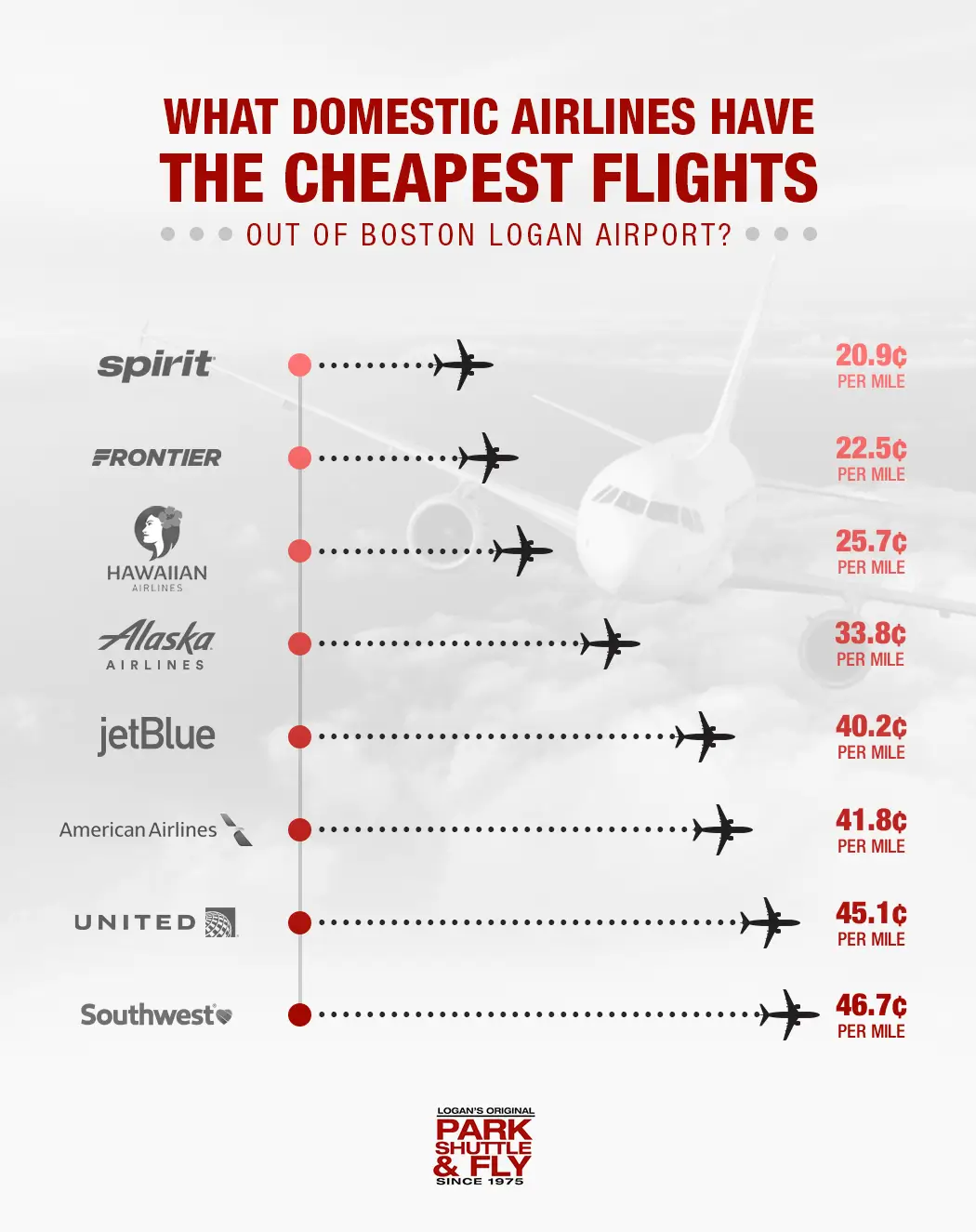
The “cheapest” ticket can often be a financial trap if one does not account for the total cost of ownership. A $50 flight on a low-cost carrier (LCC) can easily become a $150 flight after adding fees for carry-on bags, seat selection, and water.
Budget Airlines vs. Full-Service Carriers: A Total Cost Analysis
When evaluating the cost of a ticket, a traveler must perform a “fully loaded” cost analysis. This includes:
-
Baggage Fees: Many LCCs charge more for a carry-on than the base fare itself.
-
Airport Distance: LCCs often fly into secondary airports (e.g., London Stansted instead of Heathrow). The cost of a 50-mile train ride or Uber can offset the savings on the flight.
-
Opportunity Cost: A flight with two 4-hour layovers may save $100 but cost a full day of vacation time. If your “hourly rate” for leisure is high, the more expensive direct flight may be the better financial decision.

Financial Protection and Travel Insurance
Finally, getting the cheapest ticket is only a success if you actually get to your destination. Low-cost tickets are often non-refundable and inflexible. To protect the capital invested in a trip, savvy travelers use credit cards that offer built-in trip cancellation and interruption insurance. This “free” insurance layer ensures that a mechanical delay or a health emergency doesn’t turn a cheap flight into a total loss.
In conclusion, finding the cheapest plane tickets is a multi-faceted financial endeavor. It requires a deep understanding of how airlines price their inventory, the discipline to use credit rewards as a secondary currency, and the analytical skills to calculate the total cost of travel. By treating airfare as a market to be analyzed rather than a fixed cost to be accepted, you can significantly lower your travel expenses and increase the purchasing power of your discretionary income.
aViewFromTheCave is a participant in the Amazon Services LLC Associates Program, an affiliate advertising program designed to provide a means for sites to earn advertising fees by advertising and linking to Amazon.com. Amazon, the Amazon logo, AmazonSupply, and the AmazonSupply logo are trademarks of Amazon.com, Inc. or its affiliates. As an Amazon Associate we earn affiliate commissions from qualifying purchases.