
In an era defined by fluctuating economies, rising inflation, and an ever-present squeeze on household budgets, the cost of living has become a prominent concern for individuals and families worldwide. Among the most fundamental necessities, food expenses often represent a significant portion of monthly outgoings. For many, finding ways to mitigate these costs isn’t just a matter of frugality; it’s a critical component of personal financial survival and stability. This article aims to reframe the concept of “free food” not merely as a charitable handout, but as a legitimate and often essential personal finance strategy.

Accessing free food resources can dramatically reduce grocery bills, freeing up vital funds for other essentials like rent, utilities, healthcare, or even debt repayment and savings. It’s about resourceful living, leveraging community support, and understanding the myriad avenues available to ensure food security without compromising financial well-being. From organized relief efforts to digital platforms and opportunistic discoveries, we will explore the diverse landscape of free food options, viewing each through the lens of its profound impact on personal finance.
Navigating Community Support Systems for Food Access
The bedrock of free food access often lies within established community support systems. These organizations, whether government-backed, non-profit, or religiously affiliated, serve as vital lifelines, providing structured and consistent access to food for those in need. Understanding how to access and utilize these resources effectively is a cornerstone of any robust personal financial strategy aiming to reduce food expenses.
Food Banks and Pantries: Essential Lifelines
Food banks and pantries are perhaps the most widely recognized and frequently utilized sources of free food. They operate by collecting donated non-perishable food items, fresh produce, and sometimes even frozen goods, then distributing them to individuals and families facing food insecurity. The financial impact of regular access to a food pantry cannot be overstated; it can effectively zero out a substantial portion of a household’s grocery budget for weeks at a time, allowing funds to be reallocated to other pressing financial obligations.
- How they work: Most food banks require a simple registration process, often involving proof of address and identification. Some may have income-based eligibility criteria, while others operate on a no-questions-asked policy, particularly during emergencies. Visits are typically scheduled or held on specific days, and recipients can often choose items from a selection, much like a small grocery store.
- Financial Advantage: By providing staples like pasta, rice, canned goods, fresh fruits, and vegetables, food banks directly reduce the need to purchase these items, making a significant dent in weekly or monthly food expenditures. This saving is critical for families on tight budgets, preventing trade-offs between food and other necessities.
- Tips for Access: To find local food banks and pantries, start by searching online for “food bank near me” or “food pantry [your city/state].” Websites like Feeding America (in the U.S.) or national food bank networks in other countries offer locator tools. Don’t hesitate to call ahead to understand their operating hours, eligibility requirements, and what to bring for registration. Approaching these services with dignity and gratitude is important, remembering they exist to support community members through challenging times.
Community Kitchens and Soup Kitchens: Nutritious Meals for All
Beyond groceries, community and soup kitchens offer prepared meals, often hot and nutritious, served in a communal setting. These services are particularly invaluable for individuals without cooking facilities, those experiencing homelessness, or families struggling to prepare meals due to time constraints or lack of resources.
- How they work: Unlike food banks, soup kitchens typically provide ready-to-eat meals on a set schedule. They often operate on a drop-in basis, with fewer formal requirements for eligibility, making them highly accessible.
- Financial Advantage: Utilizing a community kitchen can eliminate the cost of ingredients, cooking fuel (electricity/gas), and even the time associated with meal preparation. For those living paycheck to paycheck, securing one or more free, nutritious meals daily can represent a substantial financial saving, easing the burden of daily sustenance.
- Tips for Access: Local churches, synagogues, mosques, and other religious organizations often run community kitchens. Non-profit organizations focused on poverty or homelessness are also key providers. Check community bulletins, local government websites, or search online for “soup kitchen [your city]” or “free meals [your area].” Schedules can vary, so it’s wise to confirm operating hours.
Church and Religious Organizations: Grassroots Aid
Many churches, temples, mosques, and other religious institutions maintain their own outreach programs, which frequently include food assistance. These initiatives often operate with less bureaucracy than larger food banks and can offer more immediate or tailored support.
- How they work: Food programs from religious organizations can range from small on-site pantries to regular community meal services, or even food voucher programs. Eligibility is often informal, driven by the organization’s mission to serve its local community.
- Financial Advantage: These grassroots efforts can supplement other food sources, providing additional relief. They sometimes offer unique items, culturally specific foods, or fresh produce from community gardens, diversifying the financial benefits of free food access.
- Tips for Access: The best way to find these resources is often through local networking. Inquire at community centers, libraries, or directly contact local religious institutions. Their services are typically well-advertised within their neighborhoods.
Leveraging Digital Platforms and Apps for Cost-Saving Meals
The digital age has introduced innovative ways to connect individuals with food resources, transforming how we approach food waste and access affordable sustenance. For the financially savvy, these platforms represent powerful tools to significantly reduce food expenditures, acting as virtual financial assistants in the quest for cost-effective meals.
Food Waste Reduction Apps: Rescuing Edibles and Saving Money
A significant amount of edible food is wasted daily by restaurants, bakeries, and grocery stores. A new wave of apps has emerged to combat this, allowing consumers to purchase surplus food at heavily discounted prices, often nearing “free” in terms of value for money. While not always strictly free, the financial savings are so substantial that they warrant inclusion as a critical strategy.
- Explanation: Apps like Too Good To Go, Olio, and Karma connect users with establishments that have unsold food nearing its expiry date but still perfectly good to eat. Users can “rescue” surprise bags of food, often for a fraction of the original price. Olio, specifically, often features truly free food shared by neighbors.
- Financial Advantage: These apps provide access to high-quality meals, baked goods, and groceries that would otherwise be out of budget. Regularly utilizing such apps can lead to significant savings on daily meals or grocery shopping, allowing for substantial reallocation of funds. Imagine getting a full dinner for the price of a coffee, or a bag of fresh produce for a couple of dollars – the financial impact is immediate and tangible.
- Tips for Use: Download the apps and set your location. Be prepared for “surprise bags” – you usually don’t know exactly what you’re getting, which can be an adventure. Timing is crucial; popular spots sell out quickly. Plan pick-up times efficiently to maximize savings across multiple venues.
Hyperlocal Sharing Platforms and Social Media Groups
The power of community extends online through hyperlocal sharing platforms and social media groups. These digital communities facilitate direct exchange of goods, including food, among neighbors, often for no cost at all.
- Explanation: Platforms like “Buy Nothing” groups on Facebook, local community pages, or Nextdoor allow individuals to post items they no longer need – including surplus garden produce, unopened pantry items, or leftover party food – for free to anyone in the group.
- Financial Advantage: This is a truly zero-cost avenue for obtaining food. It fosters a sense of mutual aid and community resilience, enabling neighbors to support each other. For someone needing to stretch their budget, a regular check of these groups can yield unexpected and valuable food items, directly reducing the need to purchase them.
- Tips for Use: Join relevant local groups and turn on notifications. Be respectful, clear in your requests, and offer items when you have surplus. Building a good reputation within these communities can open doors to more consistent sharing opportunities. Always prioritize safety when meeting strangers for exchanges.
Strategic Approaches to Unexpected and Opportunity-Based Free Food
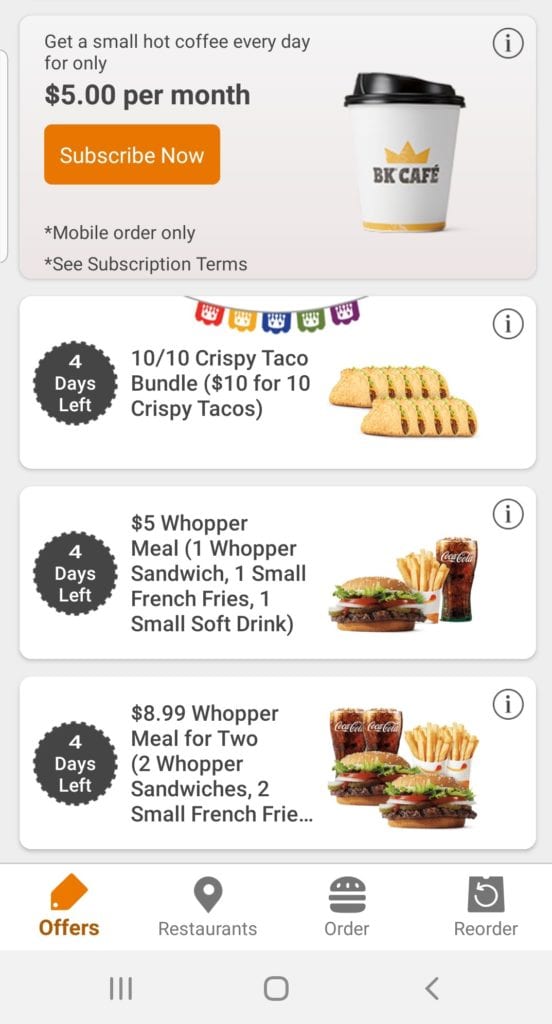
Beyond organized systems and digital tools, there exist numerous opportunistic and strategic ways to obtain free food. These methods often require a degree of awareness, planning, and sometimes, social engagement, but they can be incredibly effective in supplementing one’s food supply and reducing financial strain.
Public Events and Samples: A Frugal Feast
Many public events, promotions, and store openings offer free food as a way to attract attendees and showcase products. These can range from small samples to substantial meal options.
- Explanation: Think grand openings of new businesses, product launch events, street fairs, farmers’ market samples, university events, or even political rallies. Food is often a draw, and attendees can benefit from complimentary snacks or full meals.
- Financial Advantage: While not a consistent source, strategically attending such events can cover an occasional meal or provide snacks, reducing daily spending. For students or those with flexible schedules, these opportunities can be particularly beneficial for cutting down on lunch costs.
- Tips: Keep an eye on local community calendars, social media event listings, and local news for announcements of free events. Farmers’ markets are excellent for sampling produce. Be polite and enjoy the offerings without overindulging, ensuring a positive experience for everyone.
Workplace Perks and Professional Networking Events
For those who are employed or engaged in professional development, the workplace and related events can be surprising sources of free food, acting as a direct reduction in daily meal costs.
- Explanation: Many companies offer free coffee, snacks, or even catered lunches as employee perks. Similarly, professional conferences, workshops, and networking events almost invariably provide refreshments, often including breakfast, lunch, and dinner.
- Financial Advantage: Consistently taking advantage of these opportunities can significantly reduce an individual’s expenditure on daily meals, especially lunch. Over the course of a week or month, these savings can accumulate into a substantial amount, directly impacting one’s personal budget.
- Tips: Be aware of your workplace’s policies on shared food. When attending professional events, factor in the provided meals to your daily plan. Network effectively while enjoying the food – it’s a dual benefit.
Foraging and Backyard Gardening (with caveats)
For the adventurous and those with access to green spaces, foraging for wild edibles and cultivating a backyard garden offer truly zero-cost food options, directly impacting long-term financial independence.
- Explanation: Foraging involves responsibly collecting wild plants, fruits, and fungi that are safe to eat. Backyard gardening, even on a small scale, allows individuals to grow their own produce.
- Financial Advantage: Both methods provide fresh, organic food at virtually no monetary cost. Over time, a productive garden can significantly reduce grocery bills for produce, herbs, and even some staple vegetables. Foraging, when done safely and ethically, can provide seasonal delicacies for free.
- Caveats and Tips: Foraging requires extensive knowledge to identify edible plants and avoid poisonous look-alikes. Always confirm local laws and obtain permission if foraging on private land. For gardening, start small, research local growing conditions, and consider cost-effective methods like composting for soil enrichment. Frame this as a long-term strategy for self-sufficiency and financial resilience, not a quick fix.
Beyond Free Food: Integrating Food Access into Holistic Financial Planning
Accessing free food is more than just a temporary solution; it’s a powerful component that, when integrated into a broader financial strategy, can lay the groundwork for long-term stability and resilience. Understanding its role within your overall financial picture transforms it from a stop-gap measure into a sustainable financial tool.
Budgeting and Expense Reduction
At its core, utilizing free food directly addresses one of the most significant line items in many household budgets: food expenses. This reduction has a ripple effect across all aspects of personal finance.
- Financial Impact: By consistently securing free or heavily discounted food, individuals can drastically cut down their food budget. This freed-up capital can then be strategically reallocated. It might go towards building an emergency fund, making extra payments on high-interest debt, investing in education or skills, or simply providing a much-needed buffer for unexpected expenses. This reduction in a fixed expense category provides flexibility and reduces financial stress, a crucial element of overall well-being.
- Tools: Integrate free food sources into your budgeting apps or spreadsheets. Track how much you save by utilizing food banks, rescue apps, or community meals. Seeing the tangible savings can motivate continued resourcefulness and provide a clearer picture of your financial health.
Building a Resilient Food Strategy
True food security comes from diversifying sources, not relying on just one. A resilient food strategy combines various free and low-cost options to create a sustainable and adaptable system for nourishment.
- Explanation: Instead of solely depending on a food bank, for instance, a resilient strategy might involve regular visits to a food pantry, supplementing with items from food waste apps, participating in a local “Buy Nothing” group, and occasionally growing some herbs or vegetables. This multi-pronged approach reduces vulnerability to the limitations or changes of any single source.
- Financial Impact: A diversified strategy ensures more consistent access to food, minimizing emergency grocery runs and preventing situations where hunger might lead to impulsive, expensive food choices. It builds a robust safety net, protecting your budget from unforeseen disruptions in any one source.
Advocacy and Mutual Aid
While individual strategies are vital, recognizing the systemic nature of food insecurity and participating in broader solutions can have long-term societal benefits that ultimately reduce future financial strain on communities.
- Explanation: This involves understanding the root causes of food insecurity, advocating for policies that support food access (e.g., increased funding for food banks, living wages), and contributing to mutual aid networks when financially able. Mutual aid can be as simple as sharing surplus from your garden or donating to a local food drive.
- Financial Impact: By participating in advocacy and mutual aid, individuals contribute to creating a more equitable and food-secure society. This can indirectly benefit personal finance by fostering stronger community support systems and reducing the likelihood of future widespread food crises that can impact everyone financially. It’s an investment in community well-being that yields dividends for all.

Conclusion
The question “Where can you get free food?” opens the door to a multifaceted exploration of financial resourcefulness, community strength, and innovative solutions to a universal need. Far from being a niche concern, understanding and leveraging free food options is a legitimate and often vital component of personal financial management. In a world where every dollar counts, reducing the significant burden of food expenses can free up capital for savings, debt reduction, or other critical life investments, thereby enhancing overall financial stability and peace of mind.
By exploring organized community support systems, embracing the power of digital platforms, and strategically seeking out opportunistic sources, individuals can construct a resilient and sustainable food strategy. This approach not only addresses immediate nutritional needs but also empowers individuals to take proactive steps towards greater financial independence. Approaching these resources with dignity, gratitude, and a willingness to learn ensures that the cycle of mutual aid continues, strengthening communities and securing a fundamental human right – access to food. Food security is not just about survival; it is a cornerstone of a healthy and stable financial future.
aViewFromTheCave is a participant in the Amazon Services LLC Associates Program, an affiliate advertising program designed to provide a means for sites to earn advertising fees by advertising and linking to Amazon.com. Amazon, the Amazon logo, AmazonSupply, and the AmazonSupply logo are trademarks of Amazon.com, Inc. or its affiliates. As an Amazon Associate we earn affiliate commissions from qualifying purchases.