
The global costume market is no longer a niche industry relegated to the final weeks of October. From the perspective of personal finance, business strategy, and market investment, the costume sector has evolved into a multi-billion-dollar juggernaut. Whether you are an entrepreneur looking to capitalize on seasonal arbitrage, a content creator investing in high-quality assets for brand building, or a consumer seeking the highest return on investment for a single-use garment, understanding where to buy costumes requires a sophisticated look at the supply chain, retail models, and economic cycles.
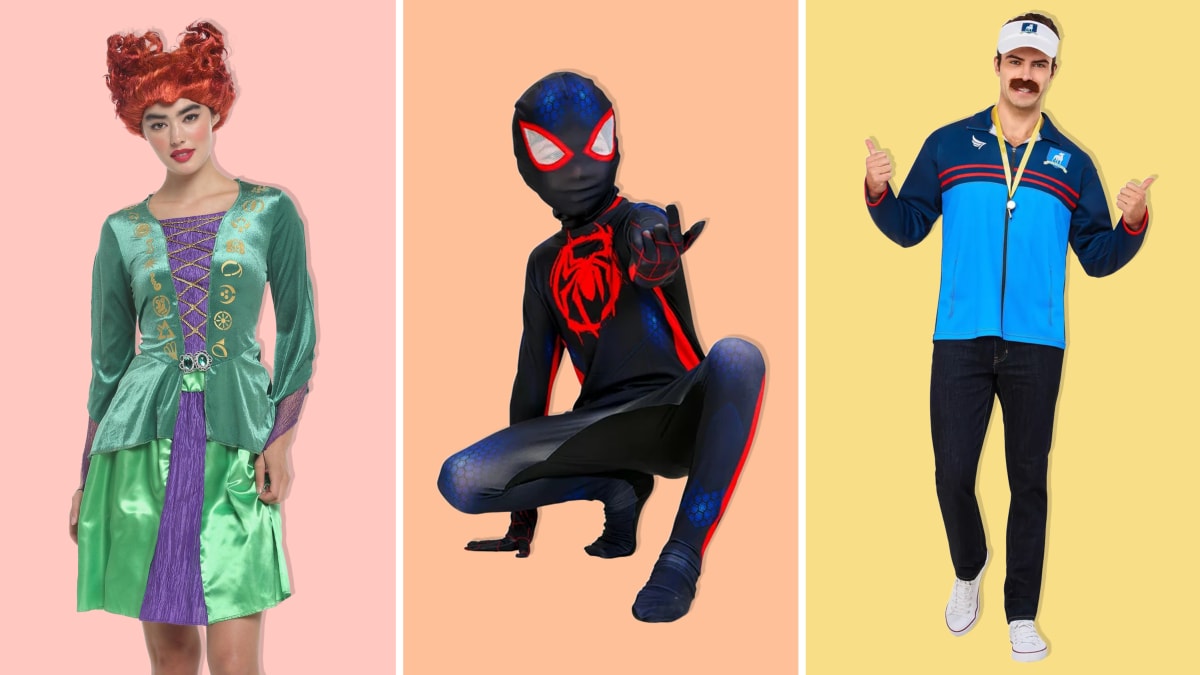
The Economic Powerhouse of Seasonal Retail
The most visible segment of the costume industry is the seasonal pop-up market. For many, the answer to “where can you buy costumes” begins and ends with the physical storefronts that appear in vacant strip malls every September. However, the financial mechanics behind these retailers are a masterclass in agile business strategy and real-estate management.
The Spirit Halloween Real Estate Model
Spirit Halloween, owned by Spencer Gifts, operates over 1,400 locations across North America. Their “where” is strategically determined by the failures of other retail sectors. By utilizing “ghost” real estate—vacant Big Box stores left behind by bankrupt chains—they minimize long-term capital expenditure. For the savvy investor or business observer, this model represents a unique approach to temporary retail. They sign short-term leases, often for only three months, which allows them to avoid the overhead associated with year-round physical maintenance.
From a consumer’s financial perspective, these physical hubs provide immediate gratification but often at a premium price. The markup in these locations is significant, covering the logistical costs of rapid deployment and the high demand of last-minute shoppers. For those looking to optimize their personal finance, buying from these locations is the “spot market” of costuming—highly convenient but rarely the most cost-effective.
Major Market Players and Retail Consolidation
Outside of the pop-up model, traditional retail giants like Walmart, Target, and Amazon dominate the volume-based costume market. These entities leverage massive economies of scale to keep prices low, making them the primary destination for the budget-conscious consumer.
Amazon, in particular, has disrupted the “where” of costume buying by integrating third-party sellers from global manufacturing hubs. This has created a high-velocity marketplace where prices fluctuate based on real-time demand. For a buyer, the financial strategy here is “early acquisition.” Data shows that costume prices on major e-commerce platforms can surge by 30% to 50% in the two weeks leading up to a major holiday. Strategic purchasing in August or early September represents a simple but effective way to preserve capital.
Digital Marketplaces: Sourcing for Resale and Personal Branding
For entrepreneurs and professional creators, the question of where to buy costumes is a matter of business sourcing. The costume industry offers significant opportunities for side hustles, particularly through retail arbitrage and the curation of high-end accessories.
Leveraging Global B2B Platforms for Wholesale
If you are looking to enter the costume market as a seller, or if you are a corporate entity sourcing for large-scale events, the “where” shifts toward B2B platforms like Alibaba and Global Sources. Sourcing directly from manufacturers in regions like Zhejiang, China, allows for a drastically lower cost per unit.
However, this involves a different set of financial risks. Quality control, shipping logistics, and import duties must be factored into the total cost of acquisition. For a business, buying costumes here is an investment in inventory. The “buy low, sell high” mantra applies perfectly to the seasonal cycle; sourcing in the first quarter of the year when manufacturing demand is low can result in significant margins during the fourth-quarter peak.
The Rise of Specialized E-commerce Aggregators
Websites such as HalloweenCostumes.com or BuyCostumes.com represent a middle ground between the generalist approach of Amazon and the wholesale nature of B2B platforms. These companies act as specialized aggregators. They often manufacture their own exclusive lines, which gives them a competitive moat in terms of pricing and variety.

From a financial standpoint, these aggregators offer loyalty programs and “off-season” clearance sales that provide the highest value for money. For individuals who participate in the “cosplay” circuit or historical reenactments, these platforms are essential for sourcing base layers that can be modified, saving on the labor costs of full custom builds.
High-Value Investments: The Professional Cosplay and Artisan Market
At the higher end of the spectrum, costumes are treated less like disposable garments and more like capital assets or collectible art. This is where the intersection of “Money” and “Costuming” becomes most apparent, as the valuations for custom work can reach thousands of dollars.
Commissioning Custom Work as a Business Expense
For professional influencers, streamers, and actors, a costume is a tool of the trade. Sourcing these items often happens through artisan marketplaces like Etsy or through direct commissions on social platforms like Instagram and X (formerly Twitter).
When buying in this tier, the “where” is less about a storefront and more about the reputation of the individual maker. This is a high-trust market. From a financial management perspective, these purchases are often tax-deductible as business expenses for professional creators. The ROI is measured in brand engagement, follower growth, and the longevity of the garment. A $2,000 custom-fitted suit of armor may have a higher long-term value than ten $50 mass-produced costumes because of its durability and the “wow factor” it provides to a digital brand.
Resale Value and the Secondary Market
One of the most overlooked aspects of the costume economy is the secondary market. Platforms like eBay, Poshmark, and specialized Facebook groups allow for the liquidation of costume assets. High-quality costumes, particularly those from licensed franchises or reputable makers, retain a surprising amount of their value.
A strategic buyer can purchase a high-end costume, use it for a season or a specific project, and then resell it for 60-70% of its original value. This “rental-by-ownership” model is a sophisticated way to manage personal hobby finances. It effectively reduces the “cost of use” to a fraction of the sticker price, provided the item is maintained in excellent condition.
Strategic Consumerism: Cost-Benefit Analysis of Purchasing Models
To truly answer where you should buy a costume, you must evaluate your specific financial goals. Are you seeking the lowest entry price, the highest quality, or the best resale potential?
Rental Economics vs. Capital Ownership
In major metropolitan areas, high-end costume rentals remain a viable business model. For a flat fee—often 20% to 30% of the item’s retail value—you can access professional-grade theatrical attire.
Financially, rental makes sense for “one-off” high-stakes events like gala balls or corporate masques. However, if the intent is to use the costume more than twice, the math quickly shifts in favor of outright ownership. The “where” in this case would be local theatrical supply houses or historic costume shops, which often sell off their older rental stock at a discount to make room for new inventory. These “retired” rentals are often made of much higher quality materials than anything found in a pop-up shop, representing an excellent value-to-durability ratio.

Arbitrage Opportunities in the Secondary Market
Finally, for those looking at costumes as a “Money” opportunity rather than just a purchase, the best place to buy is often “where everyone else is selling.” The week following Halloween or major conventions is the peak period for supply and the lowest point for demand.
Savvy financial actors use this period to sweep up high-value items at 75% discounts. By holding this “inventory” for ten months, they can flip the items for a significant profit when the seasonal demand returns. This form of micro-investing requires storage space and a small amount of liquid capital, but the percentage returns often outperform traditional market indices over the same short-term window.
In conclusion, “where can you buy costumes” is a question with a multi-layered financial answer. From the opportunistic real-estate plays of pop-up retailers to the high-end commissions of the artisan market and the strategic arbitrage of the secondary market, the costume industry offers a wealth of lessons in market dynamics, asset valuation, and strategic spending. Whether you are buying for a brand, a business, or personal use, the key is to look beyond the rack and understand the economic engine behind the mask.
aViewFromTheCave is a participant in the Amazon Services LLC Associates Program, an affiliate advertising program designed to provide a means for sites to earn advertising fees by advertising and linking to Amazon.com. Amazon, the Amazon logo, AmazonSupply, and the AmazonSupply logo are trademarks of Amazon.com, Inc. or its affiliates. As an Amazon Associate we earn affiliate commissions from qualifying purchases.