
Applying for a credit card is a significant step in managing your personal finances, offering both convenience and a pathway to building a strong credit history. In today’s dynamic financial landscape, the options for submitting a credit card application are more diverse than ever, catering to various preferences and situations. From the rapid, digital channels that dominate the modern era to traditional in-person interactions, understanding where and how to apply is the first crucial step. This guide will delve into the primary avenues available, equipping you with the knowledge to confidently navigate the application process and select the method best suited for your financial journey.
The Digital Frontier: Online Credit Card Applications
The internet has revolutionized nearly every aspect of our lives, and personal finance is no exception. Online credit card applications have emerged as the most popular and efficient method for a vast majority of applicants. They offer unparalleled convenience, speed, and access to a wide array of products, often from the comfort of your own home.
Bank and Financial Institution Websites
The most direct and frequently utilized online avenue is through the official websites of banks, credit unions, and other financial institutions. Nearly every major credit card issuer, from global giants to smaller regional banks, maintains a robust online presence dedicated to showcasing their credit card offerings.
These websites typically feature detailed descriptions of each card, outlining benefits, rewards programs, interest rates, annual fees, and eligibility requirements. Prospective applicants can browse various categories, such as rewards cards, balance transfer cards, secured cards, or cards for specific credit profiles (e.g., students, those with fair credit, or excellent credit). The application process itself is usually straightforward: applicants fill out an online form with personal and financial details, often receiving an instant decision or a decision within minutes. The security protocols on these official sites are generally robust, employing encryption and other measures to protect sensitive data. This method is ideal for those who already have a preferred bank or have specific card features in mind from a known issuer.
Online Comparison Platforms and Marketplaces
Beyond individual issuer websites, a growing number of online comparison platforms and financial marketplaces have become invaluable resources for credit card applicants. Websites like Credit Karma, NerdWallet, The Ascent, or Bankrate aggregate credit card offers from multiple providers, allowing users to compare different cards side-by-side based on various criteria.
These platforms often provide filters to narrow down options by credit score requirement, rewards type, APR, annual fee, and other features. Many also offer tools like credit score estimators and personalized recommendations based on an individual’s financial profile. A significant advantage of using these platforms is the ability to potentially see “pre-qualified” offers, which indicate a higher likelihood of approval without undergoing a hard credit inquiry that could temporarily ding your credit score. Once a suitable card is identified, these platforms typically direct the user to the issuer’s official application page to complete the process. This method is particularly beneficial for those who want to explore a broad spectrum of options and find the best fit for their financial goals and credit standing.
Mobile Banking Apps: Convenience at Your Fingertips
With the ubiquitous rise of smartphones, mobile banking apps have evolved beyond simple account management tools. Many financial institutions now integrate credit card application functionalities directly into their mobile apps. If you already bank with an institution, applying for one of their credit cards through their app can be incredibly convenient.
The app may pre-populate some of your personal information, streamlining the application process significantly. This method leverages the security features inherent in mobile banking apps, offering a secure and seamless experience. It’s an excellent option for existing customers who appreciate the ease of managing all their financial products through a single interface and for those who prefer the speed and portability of mobile devices for their financial transactions.
Traditional Avenues: In-Person and Mail Applications
While digital methods dominate, traditional avenues for credit card applications still exist and offer distinct advantages, particularly for those who prefer personal interaction or require hands-on assistance.
Branch Visits: Personalized Assistance
Visiting a physical bank or credit union branch remains a viable option for applying for a credit card. This method provides the opportunity for direct, one-on-one interaction with a financial representative. Branch personnel can walk applicants through the various credit card products, explain terms and conditions, and answer any specific questions in real-time.
This personalized approach can be particularly helpful for first-time applicants, individuals with unique financial situations, or those who simply feel more comfortable discussing sensitive financial matters face-to-face. Representatives can also assist with gathering necessary documentation and ensuring the application is completed accurately, potentially reducing errors that could delay approval. While the application itself might still be submitted electronically via a branch computer or tablet, the human element adds a layer of guidance and assurance that online methods cannot replicate.
Mail-In Applications: A Less Common Path
Although significantly less common today, applying for a credit card via mail is still an option, albeit a slower one. This typically involves receiving a pre-approved offer in the mail, completing the physical application form, and sending it back. Some financial institutions may also have downloadable application forms on their websites that can be printed, filled out, and mailed.
While not as efficient as online or in-person applications, this method might appeal to individuals who prefer not to conduct financial transactions online or who do not have easy access to a bank branch. However, it’s important to note the increased processing time and the potential security risks associated with sending sensitive personal information through postal services. Always ensure any mail-in offer is legitimate before providing your details.
Understanding Eligibility and Preparing Your Application
Regardless of where you choose to apply, understanding the common criteria for approval and preparing your necessary documents are critical steps to ensure a smooth and successful application process.
Key Factors for Approval: Credit Score, Income, and Debt
Credit card issuers evaluate several factors to assess an applicant’s creditworthiness. The most prominent among these are:
- Credit Score: This three-digit number is a primary indicator of your financial reliability. Cards are typically categorized for excellent, good, fair, or poor credit. A higher credit score generally unlocks access to cards with better terms and rewards.
- Income: Issuers need to confirm you have a stable source of income to repay your debts. They will look at your gross annual income, and it must be sufficient to cover new credit obligations.
- Debt-to-Income (DTI) Ratio: This ratio compares your total monthly debt payments to your gross monthly income. A lower DTI indicates you have more disposable income to take on new debt.
- Credit History Length: A longer history of managing credit responsibly is often viewed favorably.
- Payment History: A consistent record of on-time payments on existing debts is crucial.
Understanding these factors allows you to select cards for which you are realistically eligible, thereby increasing your chances of approval.
Essential Documents and Information Required
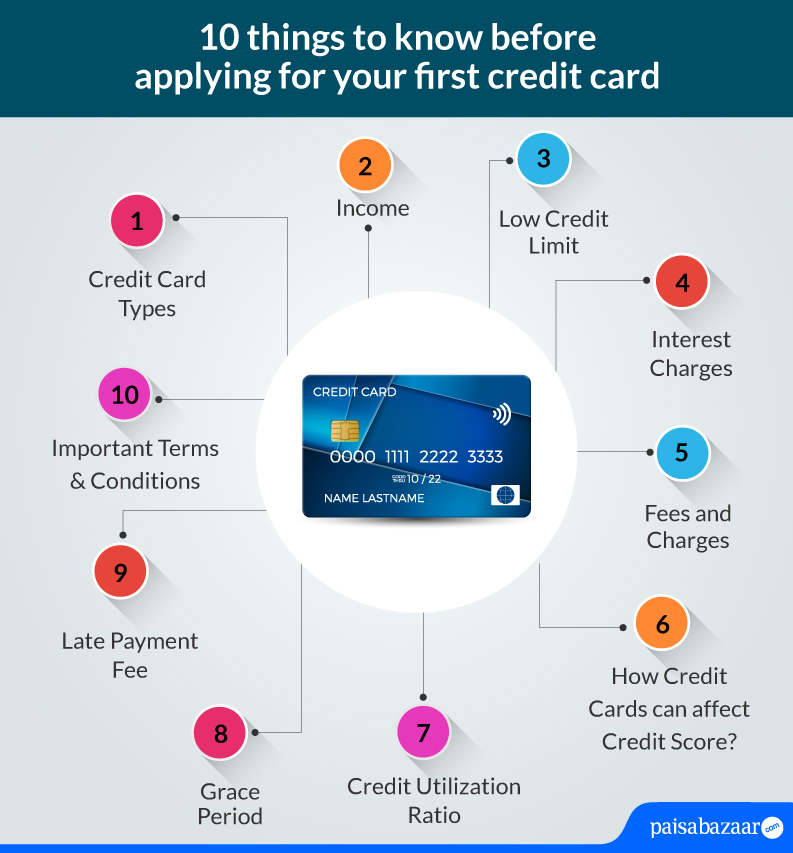
When applying for a credit card, whether online or in person, you’ll typically need to provide the following information and potentially supporting documents:
- Personal Information: Full legal name, date of birth, Social Security Number (SSN) or Individual Taxpayer Identification Number (ITIN), and current address.
- Contact Information: Phone number and email address.
- Employment and Income Details: Employer’s name, occupation, gross annual income, and sometimes proof of income (pay stubs, tax returns).
- Financial Information: Rent or mortgage payments, and potentially information about existing bank accounts or other debts.
- Government-Issued ID: For in-person applications, a driver’s license or passport is usually required for identity verification.
Having these details readily available will significantly speed up the application process.
The Application Process: Step-by-Step Guidance
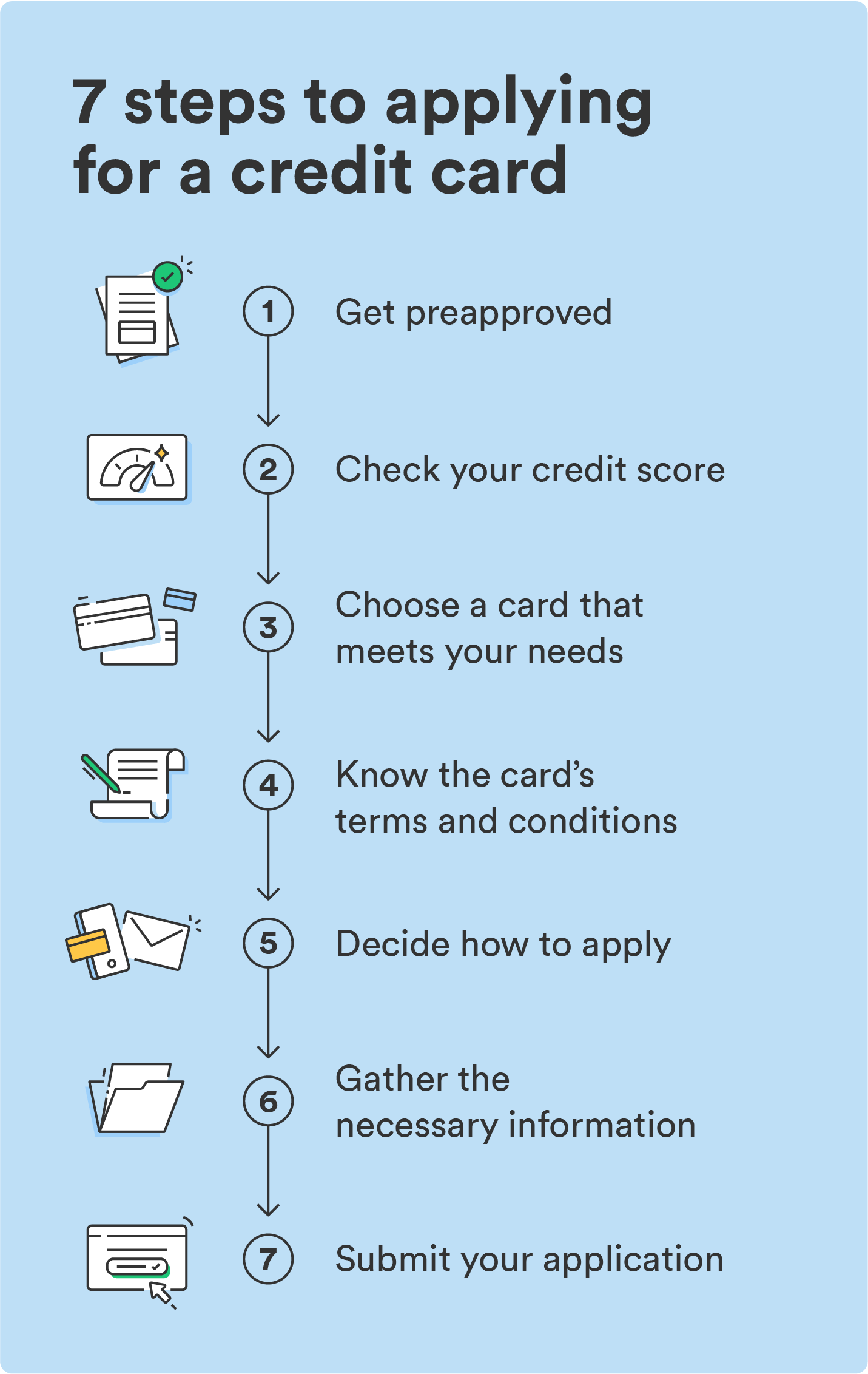
While the specifics may vary slightly by issuer and application channel, the general steps involved in applying for a credit card are:
- Research and Selection: Identify the credit card that best aligns with your financial needs and credit profile.
- Gather Information: Collect all necessary personal, financial, and employment details.
- Complete the Application: Fill out the application form accurately and completely, whether online, in-person, or via mail.
- Review and Submit: Double-check all information for accuracy before submitting.
- Await Decision: You may receive an instant decision, or it could take a few business days. The issuer may also request additional information.
- Receive Card: If approved, your card will be mailed to you, usually within 7-10 business days.
Navigating the Application Process: Tips for Success
A successful credit card application isn’t just about knowing where to apply; it’s also about strategic preparation and understanding.
Researching the Right Card for Your Needs
Before you even begin an application, thoroughly research the credit card market. Don’t simply apply for the first card you see. Consider:
- Your Credit Score: Match cards to your current credit standing. Applying for premium cards with an average credit score is likely to result in rejection.
- Spending Habits: If you travel frequently, look for travel rewards cards. If you spend a lot on groceries, find a card with bonus rewards in that category.
- Financial Goals: Are you trying to build credit, consolidate debt (balance transfer), or earn cash back?
- Fees and Rates: Understand the annual fee, APR, foreign transaction fees, and late payment fees.
A well-chosen card can be a powerful financial tool, while a poorly chosen one can be a burden.
Checking Pre-Qualification Offers
Many financial institutions and comparison websites offer a “pre-qualification” or “pre-approval” feature. This allows you to see which credit cards you’re likely to be approved for without a hard inquiry on your credit report. It’s a soft inquiry, meaning it won’t affect your credit score. Pre-qualification is an excellent way to gauge your eligibility and narrow down your options before committing to a formal application, which does trigger a hard inquiry.
Understanding Terms and Conditions
Always read the fine print. The credit card agreement contains critical information about interest rates, fees, payment due dates, grace periods, and how rewards are earned and redeemed. Understanding these terms before you activate and use your card will help you avoid surprises and manage your credit responsibly. Pay particular attention to introductory APR offers and their expiration dates, as well as any conditions that might cause an increase in your standard APR.
What to Do After Applying
The journey doesn’t end once you hit submit. There are a few steps to consider after your application is in.
Monitoring Application Status
Most online applications provide a confirmation number that you can use to check the status of your application on the issuer’s website. If you applied in person or via mail, you might receive a notification through email or postal mail, or you may need to call a customer service line. If you don’t hear back within the stated timeframe, don’t hesitate to follow up.
Receiving Your Card and Activation
Once approved, your physical credit card will be mailed to your address. Upon receipt, it’s crucial to activate the card immediately by following the instructions provided (usually via phone or online). Activation confirms you’ve received the card and helps prevent unauthorized use.

Responsible Credit Card Use
Having a credit card is a privilege that comes with responsibility. To leverage its benefits and avoid pitfalls:
- Pay Your Bill On Time, Every Time: This is the most important rule for maintaining a good credit score and avoiding late fees.
- Pay in Full: If possible, pay your statement balance in full each month to avoid interest charges.
- Monitor Your Spending: Keep track of your purchases to stay within your budget and avoid overspending.
- Check Statements Regularly: Review your monthly statements for any errors or fraudulent charges.
- Understand Your Credit Limit: Avoid maxing out your card, as a high credit utilization ratio can negatively impact your credit score.
By understanding where to apply, preparing adequately, and practicing responsible credit card use, you can successfully integrate this financial tool into your life, enhancing your purchasing power and building a robust financial future.
aViewFromTheCave is a participant in the Amazon Services LLC Associates Program, an affiliate advertising program designed to provide a means for sites to earn advertising fees by advertising and linking to Amazon.com. Amazon, the Amazon logo, AmazonSupply, and the AmazonSupply logo are trademarks of Amazon.com, Inc. or its affiliates. As an Amazon Associate we earn affiliate commissions from qualifying purchases.