
Vanilla Gift Cards have become a staple in the modern financial landscape, serving as a bridge between traditional cash and digital payment systems. Whether received as a holiday present, a performance bonus at work, or purchased as a tool for personal budgeting, these “open-loop” prepaid cards offer a level of flexibility that merchant-specific cards simply cannot match. However, to truly maximize the value of a Vanilla Gift Card, one must understand the nuances of where they are accepted, how they interact with merchant payment processors, and how to integrate them into a broader personal finance strategy.
Understanding Vanilla Gift Cards as a Financial Tool
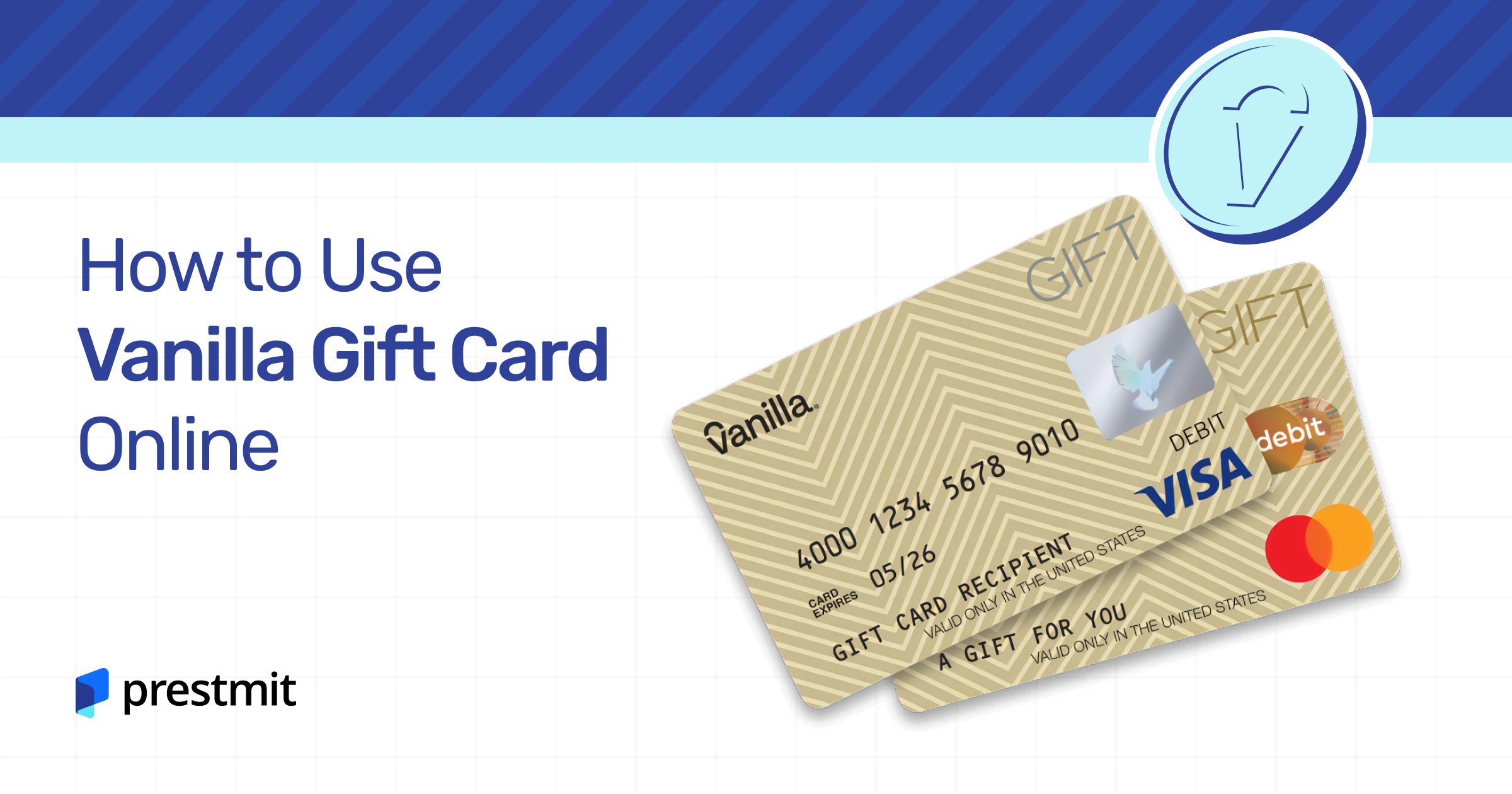
Before diving into specific retailers, it is essential to categorize the Vanilla Gift Card within the ecosystem of financial instruments. Unlike a “closed-loop” card—such as one valid only at Starbucks or Target—the Vanilla Gift Card is typically issued under the Visa or Mastercard network. This classifies it as an open-loop card, meaning it is intended for use anywhere those major payment networks are accepted.
What is a Vanilla Gift Card?
At its core, a Vanilla Gift Card is a non-reloadable prepaid card. Unlike a standard debit card, it is not linked to a personal bank account. This provides a layer of anonymity and security, making it an excellent tool for online transactions where a user might be hesitant to share their primary banking information. From a financial management perspective, it functions as a “fixed-asset” card—once the balance is depleted, the card’s utility ends.
Prepaid vs. Debit: Key Distinctions
While Vanilla Gift Cards carry the Visa or Mastercard logo, they do not function exactly like a traditional bank-issued debit card. The most significant difference lies in the absence of a PIN-based “cash back” option at registers and the inability to withdraw funds from an ATM. For the consumer, this means the card is strictly for point-of-sale (POS) purchases and online checkouts. Understanding this distinction is the first step in avoiding frustration at the checkout counter.
Online and In-Store Acceptance: Where Your Card Works
The primary appeal of the Vanilla Gift Card is its near-universal acceptance. Because it operates on the backbone of the world’s largest payment processors, the list of “where” you can use it is far longer than the list of where you cannot.
Major Online Retailers and Marketplaces
In the digital economy, Vanilla Gift Cards are widely accepted by giants such as Amazon, eBay, and Walmart.com. However, using them online requires a specific step: registration. To pass the fraud detection algorithms of major e-commerce platforms, the card often needs a zip code associated with it.
When shopping on Amazon, many savvy users choose to use their Vanilla Gift Card to purchase an “Amazon Reload.” This moves the specific balance of the gift card onto their Amazon account, effectively eliminating the risk of a declined transaction later due to a cent-off discrepancy.
Brick-and-Mortar Locations and Point-of-Sale Usage
For physical shopping, the Vanilla Gift Card is accepted at millions of locations, including:
- Grocery Stores: Kroger, Whole Foods, and Publix.
- Big Box Retailers: Target, Best Buy, and Costco (provided the card is a Visa).
- Pharmacies: CVS, Walgreens, and Rite Aid.
When using the card in person, it is processed as a “credit” transaction. Even though the card says “debit,” you will usually swipe or insert the card and sign the receipt (or simply complete the transaction without a PIN).
Subscription Services and Digital Goods
The Vanilla Gift Card is a favorite for gamers and digital content consumers. It is compatible with the Apple App Store, Google Play Store, Steam, and the PlayStation Network. For those looking to manage their monthly “subscription creep,” using a prepaid card for services like Netflix or Spotify can be a brilliant move. It ensures that the service cannot auto-renew if you haven’t intentionally added funds, giving you absolute control over your discretionary spending.
Limitations and Exclusions: Where You Might Face Issues
While the Vanilla Gift Card is versatile, it is not without its hurdles. Certain merchant categories use specific processing logic that can result in unexpected declines, even if the card has a sufficient balance.
Recurring Payments and “Hold” Policies
Many service providers that rely on recurring monthly billing—such as utility companies or some gym memberships—may decline prepaid cards. These merchants prefer a payment method linked to a bank account to ensure long-term solvency. Furthermore, “trial” offers often perform a small “ping” or “hold” on the card to verify it. If your card balance is exactly the amount of the eventual subscription but doesn’t account for a $1.00 verification hold, the transaction may fail.
International Restrictions and Currency Conversion
Most Vanilla Gift Cards issued in the United States are restricted to domestic use. This is a critical point for personal finance planning: if you are traveling abroad or attempting to purchase from an international online vendor (even if the price is listed in USD), the transaction will likely be blocked. Always check the back of your card for the “Valid only in the United States” disclaimer to avoid being stranded without payment options.
Gas Stations and Restaurants: The Pre-Authorization Challenge
One of the most common points of failure for Vanilla Gift Cards is the “pre-authorization hold.”
- Gas Stations: When you swipe at the pump, the station often requests a hold of $75 to $150 to ensure you can pay for a full tank. If your card only has $50 on it, it will be declined at the pump. To bypass this, pay the attendant inside for a specific amount.
- Restaurants: Many restaurants automatically add a 20% “buffer” to the pre-authorization to account for a potential tip. If your bill is $40 and your card has $45, it might be declined because the system is looking for $48 ($40 + 20% tip).
Strategic Ways to Maximize the Value of Your Gift Card
From a personal finance perspective, a gift card is an asset that should be managed for maximum efficiency. Leaving “zombie balances”—those small amounts like $1.43—on a card is a waste of capital.
Paying Down Small Balances
If you have a small remaining balance, the best strategy is “split tender” transactions. Most physical retailers allow you to use the remaining balance of your gift card first and then pay the rest with cash or another card. This ensures you extract every cent of value from the instrument.
Converting Leftover Balances to Digital Credit
As mentioned previously, digital reloads are the most efficient way to clear a card. Since Amazon allows you to reload your balance with any amount over $0.50, you can take a card with a random remaining balance and “sweep” it into your Amazon account. This consolidates fragmented funds into a single, usable pool of capital.
Use as a Budgeting Tool for Discretionary Spending
One of the most effective ways to use a Vanilla Gift Card in a personal finance strategy is as a “controlled spending” account. If you struggle with overspending on coffee, dining out, or online gaming, you can “pay” yourself a monthly allowance via a prepaid card. Once the card is empty, your budget for that category is exhausted for the month. This creates a hard ceiling on spending that a standard debit card does not provide.
Security and Management of Your Prepaid Assets
Treating a Vanilla Gift Card with the same level of care as cash is vital. Because it is not tied to your identity in the same way a credit card is, recovering lost funds can be a bureaucratic nightmare.
Protecting Your Balance from Fraud
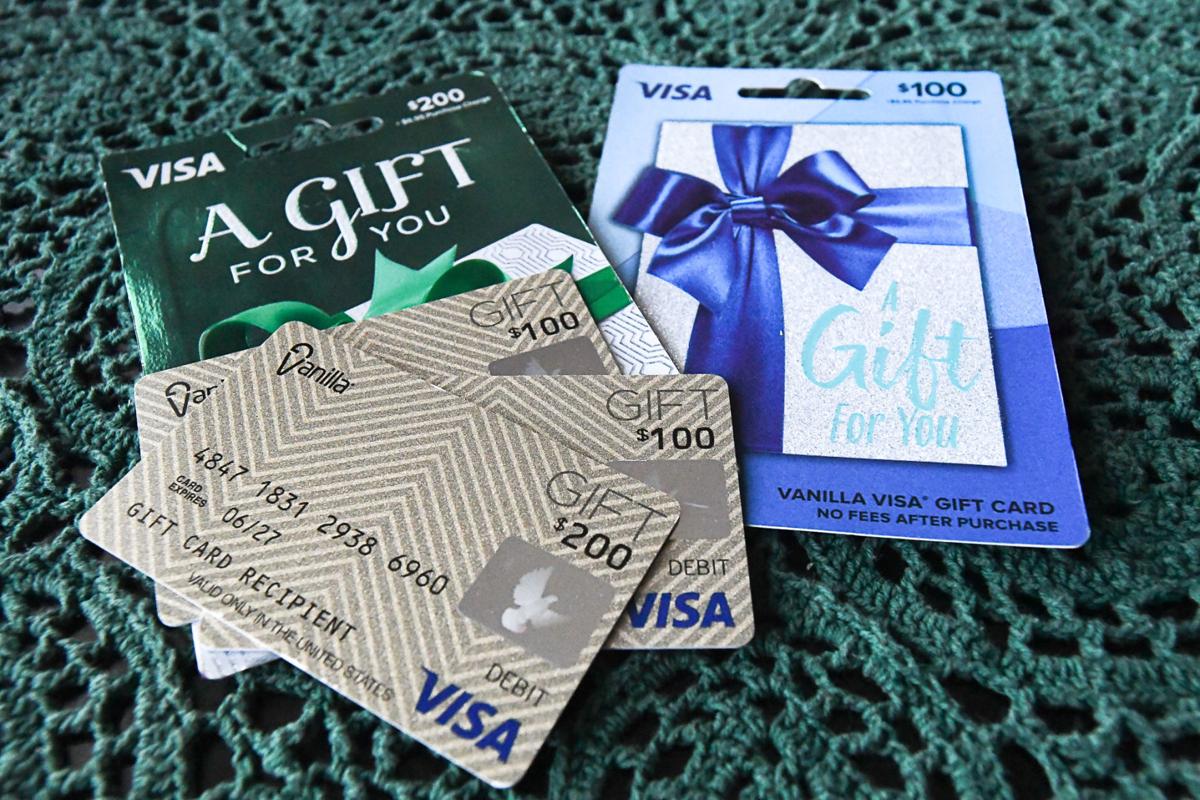
Scams involving gift cards are on the rise. Always ensure the silver “scratch-off” coating on the back of the card is intact when purchasing or receiving one. Furthermore, never provide the card numbers to anyone over the phone claiming to be from a government agency or technical support; these are hallmarks of financial fraud.
Checking Your Balance and Transaction History
To manage your “prepaid portfolio,” stay diligent about checking your balance. The official Vanilla Gift website allows you to enter the card details to see exactly what remains. Keeping a small note in your wallet or a digital memo on your phone with the current balance of your various cards prevents the embarrassment of a declined transaction and helps you plan your purchases more accurately.
By viewing the Vanilla Gift Card not just as a one-time gift, but as a strategic tool for secure online shopping and disciplined budgeting, consumers can navigate the modern marketplace with greater financial agility. Whether you are sweeping a balance into an Amazon account or using it to firewall your primary bank account from online vendors, the Vanilla Gift Card remains one of the most useful instruments in the personal finance toolkit.
aViewFromTheCave is a participant in the Amazon Services LLC Associates Program, an affiliate advertising program designed to provide a means for sites to earn advertising fees by advertising and linking to Amazon.com. Amazon, the Amazon logo, AmazonSupply, and the AmazonSupply logo are trademarks of Amazon.com, Inc. or its affiliates. As an Amazon Associate we earn affiliate commissions from qualifying purchases.