
In an era where healthcare costs continue to climb, managing medical, dental, and wellness expenses can be a significant financial challenge for many individuals and families. CareCredit has emerged as a specialized financial tool designed to ease this burden, offering a dedicated line of credit specifically for health, wellness, and personal care needs. While many cardholders understand its basic premise, a common question remains: “Where exactly can I use my CareCredit card?”
CareCredit isn’t just another general-purpose credit card. It’s a key that unlocks access to a vast network of providers, offering promotional financing options that can make necessary treatments and elective procedures more affordable. For those seeking clarity on how to leverage this financial instrument fully, understanding its scope and proper application is paramount. This comprehensive guide will delve into the myriad of places and services where your CareCredit card is accepted, offering insights into its mechanism, benefits, and how to maximize its utility for your health and financial well-being.
Understanding CareCredit: A Specialized Financial Tool for Healthcare
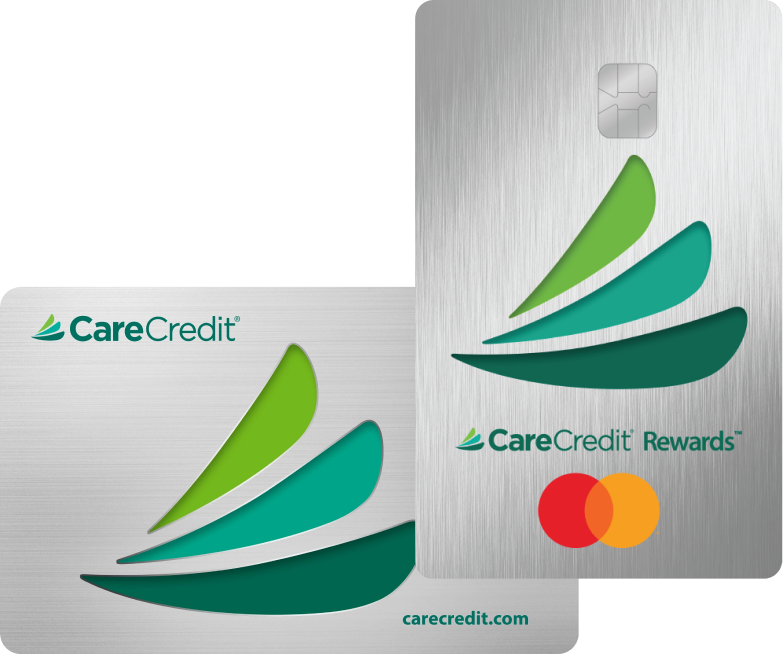
CareCredit is a healthcare financing credit card that allows cardholders to pay for health, wellness, and beauty needs not covered by traditional insurance. It’s designed to help individuals manage out-of-pocket expenses by offering various financing options, including short-term, interest-free periods.
What is CareCredit and How Does It Work?
At its core, CareCredit functions like a revolving line of credit, similar to a traditional credit card, but with a crucial distinction: its acceptance is limited to specific healthcare-related providers. When you apply and are approved for a CareCredit card, you receive a credit limit based on your financial history and creditworthiness. This limit can then be used at any participating provider within their extensive network.
The primary draw of CareCredit lies in its promotional financing options. For eligible purchases, CareCredit often offers “no interest if paid in full” within specified periods—typically 6, 12, 18, or 24 months. This means if you pay off the entire promotional balance before the period ends, you won’t be charged any interest. However, it’s vital to understand the deferred interest clause: if the balance is not paid in full by the end of the promotional period, interest will be charged from the original purchase date, often at a high annual percentage rate (APR). This makes meticulous budgeting and timely payments critical to fully capitalize on CareCredit’s benefits and avoid unnecessary financial penalties.
Unlike standard credit cards, CareCredit is specifically designed to facilitate access to healthcare services, meaning it cannot be used for everyday purchases like groceries, gas, or general retail. This focused application ensures that it serves its intended purpose: a financial bridge for medical and wellness expenditures.
Differentiating CareCredit from Other Financing Options
It’s important to distinguish CareCredit from other financial avenues. While personal loans, general credit cards, or even direct payment plans from providers can fund healthcare costs, CareCredit offers a unique blend of features:
- Specialized Focus: Its exclusive use for healthcare services means its terms and acceptance network are tailored to this niche, unlike a general-purpose credit card.
- Promotional Financing: The interest-free periods are a significant advantage, often more generous than what general credit cards offer for new purchases, provided the balance is paid off on time.
- Provider Network: A vast, pre-established network of healthcare providers simplifies finding a practitioner who accepts it.
- Approval Process: Applications are often quick, with instant credit decisions available, allowing patients to proceed with necessary treatments without lengthy delays.
However, it’s crucial to weigh these advantages against potential downsides, such as the high standard APR if promotional terms are not met, and the potential impact on your credit score if payments are missed. For many, CareCredit acts as a critical financial tool, bridging the gap between immediate healthcare needs and available funds, particularly when insurance coverage is insufficient or nonexistent for certain procedures.
Key Categories of Providers Accepting CareCredit
The versatility of CareCredit truly shines in the extensive range of health, wellness, and personal care services where it is accepted. Far from being limited to just medical emergencies, CareCredit’s network spans across numerous specialties, making it a valuable resource for planned treatments, cosmetic enhancements, and even pet care.
Dental Care: From Routine to Cosmetic
Dental health is a cornerstone of overall well-being, and CareCredit is widely accepted across various dental practices. This includes:
- Routine & Preventative Care: Check-ups, cleanings, X-rays, and cavity fillings.
- Restorative Procedures: Root canals, crowns, bridges, dentures, and dental implants.
- Orthodontics: Braces, Invisalign, and other aligner treatments for both adults and children.
- Cosmetic Dentistry: Veneers, teeth whitening, bonding, and gum contouring.
- Oral Surgery: Wisdom tooth extractions and other surgical procedures.
CareCredit can be particularly beneficial for extensive dental work or cosmetic procedures that are often not fully covered by traditional dental insurance, allowing patients to pursue necessary treatments without immediate financial strain.
Vision Care: Enhancing Sight and Eye Health
From basic vision correction to advanced surgical procedures, CareCredit helps patients access a broad spectrum of eye care services:
- Eye Exams & Prescriptions: Routine check-ups, contact lens fittings, and prescription eyewear (glasses and contacts).
- Specialized Treatments: Glaucoma treatment, dry eye therapy, and diabetic eye care.
- Surgical Procedures: LASIK and PRK vision correction surgery, cataract surgery, and other corrective eye surgeries.
Many optometrists and ophthalmologists are part of the CareCredit network, making high-quality vision care more accessible and affordable, especially for elective surgeries like LASIK which typically fall outside insurance coverage.
Veterinary Services: For Our Beloved Pets
The health and well-being of our animal companions are often as important as our own. CareCredit recognizes this by partnering with thousands of veterinarians and animal hospitals nationwide. This means you can use your card for:
- Routine Pet Care: Annual check-ups, vaccinations, parasite control, and spay/neuter procedures.
- Emergency & Specialized Treatments: Emergency visits, surgeries, dental care for pets, chronic disease management, and specialty services like oncology or dermatology.
- Medications & Supplies: In some cases, medications prescribed by the vet and certain pet care products.
For pet owners, CareCredit can be a lifesaver during unexpected veterinary emergencies or for ongoing care that can quickly accumulate significant costs.
Cosmetic & MedSpa Procedures: Investing in Self-Enhancement
Beyond essential medical care, CareCredit extends its reach into the realm of personal aesthetics and wellness, offering financing for:
- Plastic Surgery: Breast augmentation, liposuction, rhinoplasty, facelifts, and tummy tucks.
- Non-Surgical Treatments: Botox, dermal fillers, laser hair removal, chemical peels, microdermabrasion, and other skin rejuvenation treatments.
- Dermatology Services: Acne treatments, mole removal, skin cancer screenings (when not covered by medical insurance), and scar revision.
These services, often considered elective, are rarely covered by health insurance. CareCredit provides a financial pathway for individuals looking to invest in their appearance and confidence.
Other Health & Wellness Services: A Holistic Approach
The utility of CareCredit doesn’t stop there. Its network continues to expand, encompassing a variety of other health and wellness providers, including:

- Audiology: Hearing tests, hearing aids, and cochlear implants.
- Chiropractic Care: Adjustments and other chiropractic treatments for musculoskeletal issues.
- Physical Therapy: Rehabilitation services for injuries or post-operative recovery.
- Urgent Care Centers: For non-life-threatening illnesses and injuries (though always check for specific acceptance).
- Weight Loss Programs: Medically supervised weight management plans.
- Fertility Treatments: Assisted reproductive technologies and related services.
- Sleep Centers: For sleep studies and treatments for sleep disorders.
This broad acceptance illustrates CareCredit’s commitment to supporting a comprehensive approach to health, enabling access to a wide array of services that contribute to overall well-being.
Finding CareCredit Providers Near You
Discovering where to use your CareCredit card effectively is crucial for maximizing its benefits. CareCredit has streamlined this process, providing several reliable methods to locate participating providers within their extensive network.
Utilizing the Online Provider Locator Tool
The most efficient and reliable method to find CareCredit-accepting providers is through their official website. CareCredit offers a user-friendly online provider locator tool that allows you to search based on your specific needs:
- Search by Specialty: You can specify the type of service you’re looking for, such as “dentist,” “veterinarian,” “dermatologist,” “optometrist,” or “plastic surgeon.”
- Search by Location: Enter your zip code, city, or state to find providers in your vicinity.
- Advanced Filters: Some tools allow you to filter by specific procedures (e.g., LASIK, braces) or even by the name of a specific practice or doctor if you have one in mind.
This tool is continuously updated, ensuring that you have access to the most current list of participating providers. It’s advisable to always start your search here to ensure the provider you intend to visit is part of the CareCredit network.
Inquiring Directly with Providers
While the online tool is comprehensive, it’s always a good practice to confirm directly with the provider’s office, especially if you have a specific clinic or doctor in mind. When scheduling an appointment or discussing treatment options, simply ask: “Do you accept CareCredit?”
Many practices prominently display signage or mention CareCredit on their websites as an accepted payment method. However, a quick phone call can confirm their current policy and help you understand how they process CareCredit payments, particularly regarding promotional financing options. This direct communication can also clarify if CareCredit is accepted for all services offered by the practice or only for specific procedures.
What to Do If Your Preferred Provider Doesn’t Accept It
In some instances, your preferred healthcare provider may not be part of the CareCredit network. If this occurs, you have a few options:
- Discuss Alternative Payment Plans: Many medical and dental offices offer their own in-house payment plans, allowing you to pay for services over time. These plans might not offer interest-free periods but can still ease the immediate financial burden.
- Explore Other Financing Options: Consider personal loans from banks or credit unions, which might offer competitive interest rates depending on your credit score. Alternatively, if you have a Health Savings Account (HSA) or Flexible Spending Account (FSA), these tax-advantaged accounts are excellent for covering qualified medical expenses.
- Consider a Different Provider: If CareCredit is crucial to your ability to afford a necessary treatment, you might need to broaden your search for another qualified provider in your area who does accept the card. Use the CareCredit provider locator to find alternatives.
- Negotiate Cash Discounts: Some providers offer a discount for patients who pay in full with cash or a standard credit card at the time of service, which can be an option if CareCredit isn’t accepted.
It’s important to remember that while CareCredit is widely accepted, it’s not universal. Planning ahead and confirming acceptance is key to a smooth and stress-free healthcare experience.
Maximizing Your CareCredit Benefits and Financial Health
While CareCredit offers unparalleled access to healthcare financing, its true value is unlocked through informed and responsible usage. Understanding its terms, especially the nuances of promotional financing, is vital to leveraging its benefits without incurring unexpected costs.
Understanding Promotional Financing and Deferred Interest
The cornerstone of CareCredit’s appeal is its promotional financing options, often advertised as “no interest if paid in full within 6, 12, 18, or 24 months.” These offers are incredibly advantageous, effectively providing an interest-free loan for eligible healthcare expenses. However, it’s critical to comprehend the concept of deferred interest:
- How it Works: During the promotional period, no interest is charged on your purchase. However, if the full promotional balance is not paid off by the end of the promotional term, interest is retroactively applied to the original purchase amount from the date of the transaction. This can result in a significant lump sum of interest charges.
- Crucial Steps: To avoid deferred interest, you must ensure that the entire promotional balance is paid in full before the promotional period expires. This means making at least the minimum monthly payments (which typically won’t pay off the full balance on their own) and ideally paying more, to ensure the balance is zeroed out in time.
Always read the specific terms and conditions of your promotional offer. Keep track of the end date and set reminders to ensure you pay off the balance completely before interest kicks in.
Budgeting and Repayment Strategies for Responsible Use
Effective budgeting is paramount when using CareCredit, especially with deferred interest offers. Consider these strategies:
- Calculate Required Payments: Divide the total purchase amount by the number of months in your promotional period. This gives you the monthly payment you need to make to pay off the balance in full on time.
- Set Up Auto-Pay: Automating your payments ensures you never miss a due date, which helps protect your credit score and avoids late fees.
- Prioritize CareCredit Payments: If you have multiple debts, consider prioritizing paying off promotional CareCredit balances to avoid the high deferred interest.
- Avoid Over-Extending: Only use CareCredit for expenses you are confident you can pay off within the promotional period. Accumulating too many balances can make repayment unmanageable.
- Use for Planned Expenses: CareCredit is excellent for planned procedures where you can budget for repayment. For unexpected emergencies, ensure you have a clear repayment plan.
Responsible use of CareCredit can enhance your financial flexibility, allowing you to access necessary treatments without depleting savings or incurring immediate interest.
When CareCredit Might Not Be the Best Option
While highly beneficial, CareCredit isn’t always the optimal choice for every financial situation or healthcare expense:
- If You Cannot Pay in Full: If you anticipate being unable to pay off the promotional balance within the allotted time, the retroactive interest can make CareCredit a very expensive option. In such cases, a personal loan with a fixed interest rate from the start, or an installment plan directly from the provider, might be more predictable and potentially cheaper.
- Small, Routine Expenses: For minor costs that you can easily cover with your debit card, cash, or a general-purpose credit card that offers rewards, using CareCredit might be unnecessary and could tie up your credit line.
- Impact on Credit Score: Applying for CareCredit results in a hard inquiry on your credit report, which can temporarily lower your score. Missed payments or high utilization can also negatively impact your creditworthiness. If you’re planning to apply for a mortgage or another significant loan soon, consider if a new credit line is advisable.
- Availability of HSAs/FSAs: If you have a Health Savings Account (HSA) or Flexible Spending Account (FSA), these tax-advantaged accounts allow you to pay for qualified medical expenses with pre-tax dollars, often a more cost-effective solution than any credit card.
CareCredit is a powerful financial tool, but like any financial instrument, it comes with terms and conditions that demand careful consideration. By understanding its capabilities and limitations, you can make informed decisions that support both your health and your financial goals.

Conclusion
The CareCredit card stands as a testament to specialized financial innovation, offering a crucial lifeline for individuals navigating the often-complex landscape of healthcare expenses. Far from being a niche product, its broad acceptance across dental, vision, veterinary, cosmetic, and various other health and wellness providers underscores its versatility and value. For cardholders, understanding “where can I use my CareCredit card” is not merely about identifying locations but about unlocking a comprehensive solution to manage their health and well-being proactively.
From routine check-ups and preventative care to life-changing surgical procedures and beloved pet care, CareCredit bridges the gap between immediate needs and financial capabilities. Its promotional financing options, when managed diligently, offer a significant advantage, allowing individuals to access high-quality care without the immediate burden of interest. However, the onus is on the cardholder to understand the terms, particularly the deferred interest clause, and to employ responsible budgeting and repayment strategies.
By utilizing the online provider locator, directly inquiring with practices, and preparing for situations where it might not be accepted, you can navigate your healthcare journey with greater confidence and financial clarity. Ultimately, CareCredit is more than just a payment method; it’s a strategic financial partner that, when used wisely, empowers you to prioritize your health and the health of your loved ones, ensuring access to the care you deserve.
aViewFromTheCave is a participant in the Amazon Services LLC Associates Program, an affiliate advertising program designed to provide a means for sites to earn advertising fees by advertising and linking to Amazon.com. Amazon, the Amazon logo, AmazonSupply, and the AmazonSupply logo are trademarks of Amazon.com, Inc. or its affiliates. As an Amazon Associate we earn affiliate commissions from qualifying purchases.