
Navigating the landscape of personal finance can often feel like charting an unfamiliar sea, especially when a pressing need for funds arises. Whether you’re consolidating high-interest debt, funding a significant home improvement project, covering unexpected medical expenses, or simply need a financial bridge during a transitional period, a personal loan can be a powerful tool. But the fundamental question remains: “Where can I take out a personal loan?” The answer isn’t singular; it involves a diverse ecosystem of lenders, each with its unique advantages, eligibility criteria, and offerings. Understanding these avenues is the first critical step toward securing the financial support you need responsibly and effectively. This comprehensive guide will demystify the options available, equipping you with the knowledge to make an informed decision tailored to your specific financial situation. From traditional banks to modern online lenders, we’ll explore the various sources, the factors lenders consider, and how to approach the application process to ensure you secure the best possible terms for your personal loan.

Understanding Personal Loans: A Foundational Overview
Before diving into where to find a personal loan, it’s crucial to grasp what a personal loan entails and why it might be the right financial product for your needs. A solid foundation of understanding ensures you approach the borrowing process with clarity and confidence.
What is a Personal Loan?
At its core, a personal loan is typically an unsecured installment loan, meaning it doesn’t require collateral like a car or house. Lenders approve these loans primarily based on your creditworthiness, income, and debt-to-income ratio. Once approved, you receive a lump sum of money that you repay in fixed monthly installments over a predetermined period, usually ranging from one to seven years, along with interest. The beauty of a personal loan lies in its flexibility; unlike a mortgage or auto loan, personal loans generally don’t restrict how you use the funds, making them suitable for a wide array of personal financial needs. This freedom, coupled with predictable repayment schedules, makes them an attractive option for many borrowers.
Key Characteristics and Benefits
Personal loans come with several characteristics that make them distinct and often beneficial. Fixed interest rates are a common feature, meaning your monthly payment remains constant throughout the loan term, simplifying budgeting. The predictability of these payments offers financial stability, allowing you to plan your finances without the worry of fluctuating costs. Furthermore, personal loans can be instrumental in debt consolidation, where you take out a single loan to pay off multiple high-interest debts (like credit cards). This not only simplifies your payments into one manageable sum but can also save you money on interest over time if you secure a lower APR. They are also incredibly useful for financing major purchases or unexpected expenses, providing immediate access to funds without depleting savings or incurring high credit card interest.
When a Personal Loan Makes Sense
Deciding if a personal loan is the right move involves assessing your specific circumstances. They are particularly well-suited for situations where you need a lump sum of cash for a defined purpose and can commit to a structured repayment plan. Common scenarios include financing home renovations, covering medical bills not covered by insurance, funding a wedding or a significant life event, or even making a large purchase. Critically, personal loans can be a strategic tool for financial management. By consolidating high-interest credit card debt into a lower-interest personal loan, you can reduce your overall interest payments and streamline your finances. However, it’s paramount that you have a clear plan for repayment and that the monthly payments fit comfortably within your budget to avoid financial strain.
Factors Lenders Consider
When you apply for a personal loan, lenders conduct a thorough evaluation to assess your ability and likelihood of repaying the debt. Your credit score is perhaps the most significant factor, offering a snapshot of your past borrowing behavior. A higher credit score generally translates to better loan terms and lower interest rates. Lenders also scrutinize your debt-to-income (DTI) ratio, which compares your total monthly debt payments to your gross monthly income. A lower DTI indicates you have more disposable income to cover new loan payments. Your income stability, employment history, and other financial obligations also play a crucial role. Lenders want assurance that you have a steady source of income to meet your repayment responsibilities. Understanding these factors beforehand allows you to prepare adequately and potentially improve your financial standing before applying.
Traditional and Modern Avenues for Personal Loans
The journey to finding a personal loan often begins with exploring the most common and accessible lending sources. These can be broadly categorized into traditional financial institutions and the rapidly expanding realm of online and fintech lenders. Each offers distinct advantages and caters to different borrower profiles.
Banks
Traditional banks remain a cornerstone of the personal loan market. For many, their local bank is the first port of call due to familiarity and existing relationships. If you already have checking or savings accounts with a bank, they might offer you more favorable rates or streamlined application processes, leveraging your existing financial history with them. Banks typically have robust customer service infrastructure and physical branches, which can be reassuring for those who prefer face-to-face interactions or have complex questions. However, bank loan qualifications can sometimes be more stringent, often requiring higher credit scores and established financial histories. The application process might also be more time-consuming compared to online alternatives. Major banks like Chase, Wells Fargo, Bank of America, and Citibank all offer a range of personal loan products, often tailored to different credit tiers.
Credit Unions
Credit unions are member-owned financial cooperatives that operate on a non-profit basis. This unique structure often translates to more competitive interest rates and lower fees on personal loans compared to traditional banks. Credit unions are known for their community-focused approach and willingness to work with members who might have less-than-perfect credit scores, often offering more flexible terms and personalized service. To qualify for a loan from a credit union, you must first become a member, which usually involves meeting specific eligibility criteria (e.g., living in a particular area, working for a certain employer, or being part of an association). Examples include Navy Federal Credit Union, Alliant Credit Union, and local community credit unions. If you meet the membership requirements, a credit union can be an excellent source for a personal loan, providing a more human-centric lending experience.
Online Lenders
The rise of online lenders has revolutionized the personal loan landscape, offering unparalleled convenience, speed, and often, competitive rates. These lenders operate entirely online, allowing you to apply for a loan from the comfort of your home, often receiving approval and funding within a few business days. Online lenders leverage sophisticated algorithms and technology to assess creditworthiness, sometimes offering loans to a broader range of credit profiles, including those with fair credit, where traditional banks might hesitate. The application process is typically streamlined, digital, and user-friendly. However, the sheer volume of online lenders can be overwhelming, necessitating careful research to ensure you’re dealing with reputable entities. Popular online lenders include LendingClub, SoFi, Prosper, LightStream, and Marcus by Goldman Sachs, each catering to slightly different market segments with varying rates and terms.
Exploring Alternative and Specialized Lending Options
Beyond the traditional and prominent online lenders, the financial market offers several other avenues for personal loans. These options can be particularly useful for individuals with unique financial situations, those seeking specific features, or those exploring non-traditional borrowing methods.

Peer-to-Peer (P2P) Lending Platforms
Peer-to-Peer (P2P) lending platforms connect individual borrowers directly with individual investors, bypassing traditional financial institutions. Platforms like Prosper and Funding Circle (which often focuses on business loans but has personal loan aspects) facilitate this connection. For borrowers, P2P lending can sometimes offer more flexible terms or competitive rates, especially if your credit profile doesn’t perfectly align with traditional lender criteria. Investors fund portions of your loan, diversifying their risk. The application process is typically online, similar to direct online lenders, but the funding source is different. While P2P lending has grown in popularity, it’s essential to understand that approval and interest rates are still heavily influenced by your credit score and financial health, as investors are looking for reliable returns.
Fintech Companies and Niche Lenders
The broader category of “Fintech” (financial technology) encompasses a vast array of companies that use innovative technology to deliver financial services. Many online lenders fall under this umbrella, but some fintech companies specialize in niche markets or offer unique loan products. For instance, some fintech lenders might focus on offering loans to specific professions, recent graduates, or those with thin credit files, using alternative data points to assess creditworthiness beyond traditional scores. These companies often aim to make lending more inclusive and accessible. While they can provide valuable options, it’s crucial to thoroughly vet any lesser-known fintech company to ensure their legitimacy and understand all terms and conditions before committing.
Secured Personal Loans
While most personal loans are unsecured, a secured personal loan is an option that some lenders provide. With a secured loan, you use an asset you own, such as a savings account, certificate of deposit (CD), or even a car (though less common for a “personal loan” as opposed to an auto loan), as collateral. If you default on the loan, the lender has the right to seize the collateral to recover their losses. The primary advantage of a secured personal loan is that it can be easier to qualify for, especially if you have a lower credit score or limited credit history, and it often comes with lower interest rates due to the reduced risk for the lender. However, the risk to you is significant: failure to repay could result in the loss of your asset. This option should be considered carefully and typically only when unsecured options are unavailable or prohibitively expensive.
Employer-Sponsored Loan Programs
In some cases, your employer might offer a loan program as part of their employee benefits package. These are typically low-interest or even interest-free loans designed to help employees in financial distress or for specific purposes like relocation. These programs are not widely available and vary significantly from company to company. If your employer does offer such a program, it can be an extremely attractive option due to favorable terms and a lack of traditional credit checks. However, repayment is usually deducted directly from your paycheck, and specific conditions and limits apply. It’s worth checking with your HR department to see if this is an option available to you, but it should not be relied upon as a primary source for personal loans due to its rarity.
Navigating the Application Process and Choosing the Right Lender
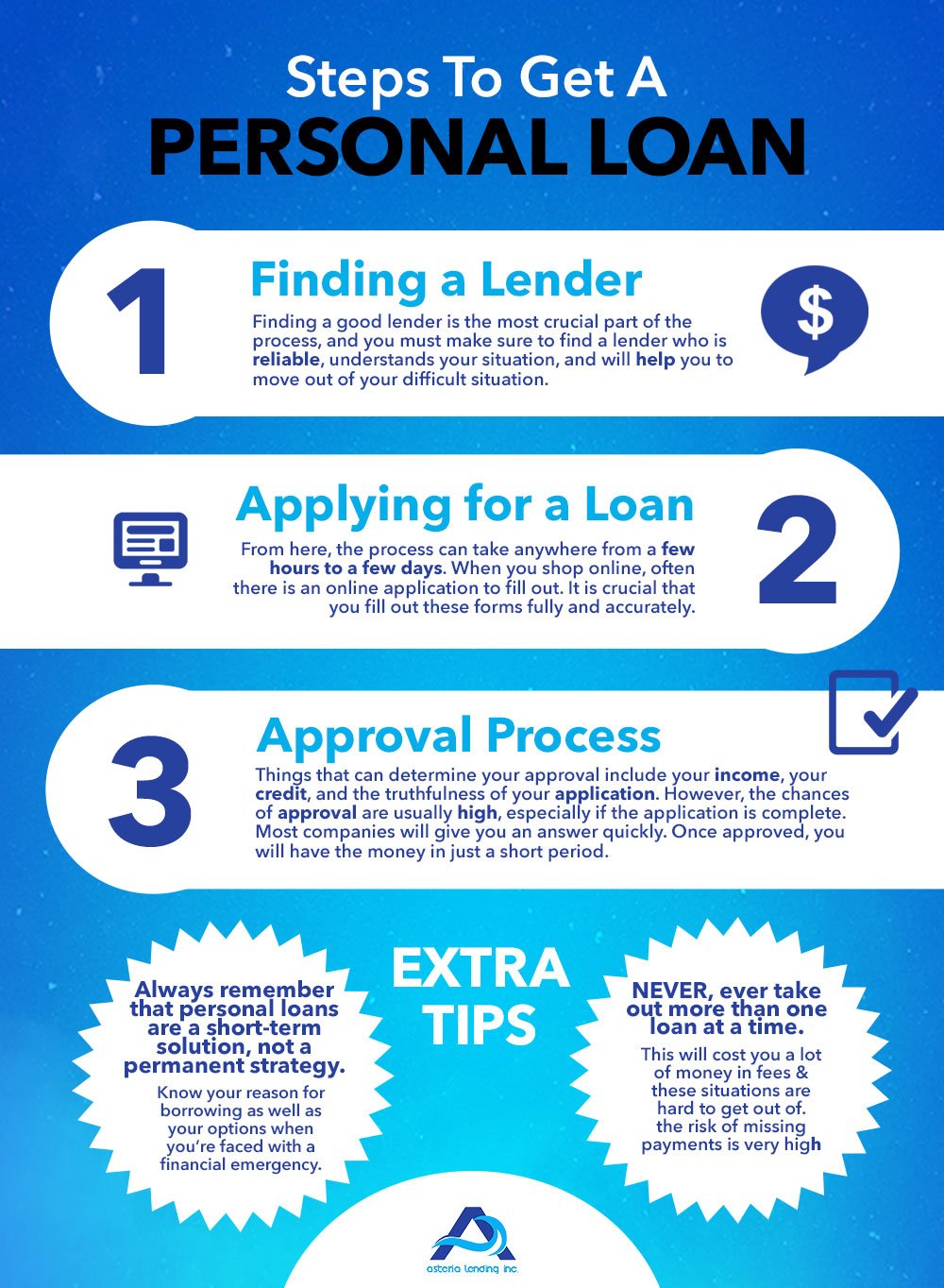
Once you’ve identified potential sources for a personal loan, the next critical phase involves preparing your application and diligently comparing offers. This step is crucial for securing the most favorable terms and avoiding pitfalls.
Preparing Your Application
A well-prepared application can significantly smooth the loan approval process. Begin by knowing your credit score and credit report. Many services offer free access to your credit score, and you can obtain a free credit report annually from each of the three major credit bureaus. Reviewing your report allows you to identify and dispute any inaccuracies that could negatively impact your application. Gather essential documentation, which typically includes proof of identity (driver’s license, passport), proof of income (pay stubs, W-2s, tax returns), bank statements, and details of your existing debts. Having these documents ready will expedite the application process. Some lenders also require employment verification, so be prepared to provide contact information for your employer.
Comparing Loan Offers
This is arguably the most vital step in the entire process. Do not accept the first offer you receive. Instead, apply to several lenders (banks, credit unions, and online lenders) to receive multiple pre-approval offers. Pre-approvals typically involve a “soft inquiry” on your credit report, which doesn’t affect your score. Once you have a few offers, meticulously compare them. The most important metric is the Annual Percentage Rate (APR), which includes both the interest rate and any associated fees, giving you the true cost of the loan. Also, consider the loan term (how long you have to repay) and the monthly payment amount. A longer term might mean lower monthly payments but will likely result in more interest paid over the life of the loan. Conversely, a shorter term means higher monthly payments but less overall interest. Factor in any origination fees, late payment fees, and prepayment penalties (though many personal loans don’t have these). Read the fine print carefully.
Red Flags to Watch Out For
While many lenders are reputable, the personal loan market also has its share of predatory actors. Be wary of any lender that guarantees approval regardless of your credit score, especially if it seems too good to be true. Upfront fees, particularly those requested before you even receive funds, are a major red flag, as legitimate lenders typically deduct origination fees from the loan amount or incorporate them into the APR. Avoid lenders that pressure you into making an immediate decision or refuse to provide clear, written terms. Unlicensed lenders or those operating without transparency should be steered clear of entirely. Always check a lender’s reputation through reviews and official registrations (e.g., with the Better Business Bureau or state financial regulators).
The Impact on Your Credit Score
Applying for a personal loan involves a “hard inquiry” on your credit report once you formally apply (after pre-approval). This hard inquiry can cause a slight, temporary dip in your credit score. However, this impact is usually minimal and short-lived. More significantly, responsible repayment of your personal loan can have a positive impact on your credit score over time. Making consistent, on-time payments demonstrates creditworthiness, which can improve your payment history (a major component of your credit score) and potentially diversify your credit mix. Conversely, missing payments or defaulting on the loan will severely damage your credit score, making it harder and more expensive to borrow in the future.
Responsible Borrowing and Repayment
Securing a personal loan is only half the journey; the other, equally critical half involves responsible management and repayment. Approaching your loan with a clear strategy is essential for protecting your financial health and achieving your goals.
Creating a Repayment Plan
Before you even sign the loan agreement, you should have a solid repayment plan in place. This involves integrating your new monthly loan payment into your existing budget. Automating your payments directly from your bank account is one of the most effective strategies to ensure you never miss a due date. Set up reminders a few days before each payment is due, even with automation, as a backup. Understand your budget intimately: where your money comes from, where it goes, and how much is truly disposable. If the loan payment feels like a stretch, reassess your budget or reconsider the loan amount or terms. A feasible repayment plan is the backbone of successful borrowing.
Understanding the Total Cost
While the monthly payment is a crucial figure, it’s equally important to understand the total cost of your loan over its entire term. This includes the principal amount borrowed plus all the interest you will pay. Use an online personal loan calculator to estimate this total cost based on different interest rates and loan terms. Sometimes, a seemingly attractive low monthly payment over a very long term can result in significantly more interest paid overall. Balancing the affordability of your monthly payment with the desire to minimize total interest paid is key. This holistic view prevents sticker shock and helps you make a truly cost-effective decision.
What Happens If You Can’t Pay?
Life is unpredictable, and sometimes, despite best intentions, financial circumstances change, making it difficult to meet loan obligations. If you anticipate or experience difficulty making payments, the worst thing you can do is ignore the problem. Immediately contact your lender. They may be willing to work with you, offering options such as deferment, forbearance, or a temporary adjustment to your payment schedule. While these options often come with their own costs (e.g., extended interest accrual), they are far better than defaulting. Defaulting on a loan has severe consequences: it will gravely damage your credit score, lead to collection agency involvement, potential legal action, and make future borrowing extremely challenging and expensive. Proactive communication is your best defense.
Improving Your Financial Health Post-Loan
Successfully repaying a personal loan can be a stepping stone to improved financial health. Not only does it demonstrate responsible credit management (which can boost your credit score), but it also frees up cash flow once the loan is fully paid off. Use this opportunity to continue building your emergency fund, pay down other debts, or start investing. The discipline learned during the loan repayment period can be applied to other areas of your financial life. Continuously monitoring your credit report, managing your debt-to-income ratio, and living within your means are habits that will serve you well long after your personal loan is a distant memory. A personal loan, when used wisely and repaid diligently, can be a powerful tool for achieving specific financial goals and strengthening your overall financial foundation.
aViewFromTheCave is a participant in the Amazon Services LLC Associates Program, an affiliate advertising program designed to provide a means for sites to earn advertising fees by advertising and linking to Amazon.com. Amazon, the Amazon logo, AmazonSupply, and the AmazonSupply logo are trademarks of Amazon.com, Inc. or its affiliates. As an Amazon Associate we earn affiliate commissions from qualifying purchases.