
Investing in stocks can seem like a daunting prospect, shrouded in complex jargon and high-stakes decisions. However, at its core, stock investing is simply buying a small piece of a company with the expectation that its value will grow over time. It’s a powerful avenue for wealth creation, offering the potential to outpace inflation and achieve long-term financial goals. For many, the biggest hurdle isn’t the act of investing itself, but rather knowing where and how to begin. This guide will demystify the process, providing a clear roadmap for anyone looking to take their first steps into the world of stock market investing.
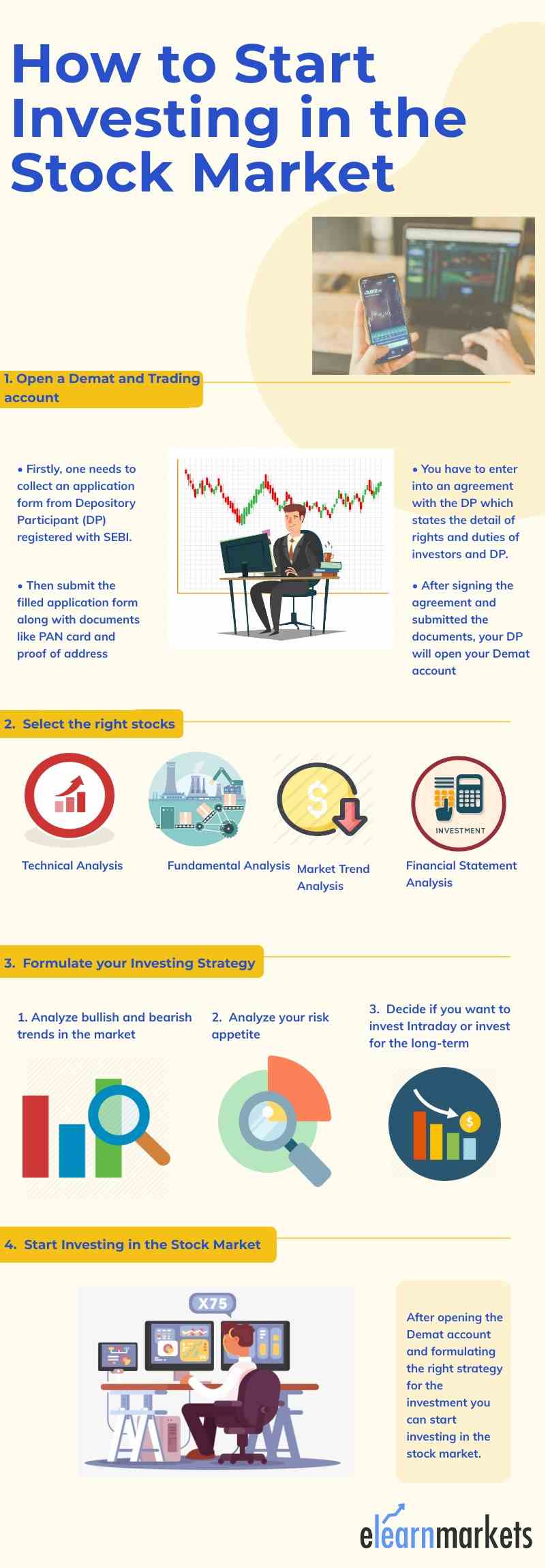
Understanding the Fundamentals Before You Begin
Before you commit your hard-earned money, it’s crucial to grasp the basic concepts that underpin stock market investing. A solid foundation will empower you to make informed decisions and navigate the market with greater confidence.
What Exactly is a Stock?
In simple terms, a stock (also known as equity) represents a fractional ownership interest in a company. When you buy a company’s stock, you become a shareholder, meaning you own a tiny piece of that business. This ownership comes with potential benefits:
-
Capital Appreciation: If the company grows and becomes more profitable, the value of its stock typically increases, allowing you to sell your shares for more than you paid for them.
-
Dividends: Some companies distribute a portion of their profits to shareholders in the form of regular payments called dividends.
-
Voting Rights: As a shareholder, you may have the right to vote on certain company matters, although this is more common with larger holdings.
Why Invest in Stocks?
The primary reason individuals invest in stocks is to grow their wealth. Historically, stocks have offered higher returns over the long term compared to other asset classes like bonds or savings accounts. This growth potential is crucial for:
-
Beating Inflation: Over time, the purchasing power of money erodes due to inflation. Stock market returns often outpace inflation, helping your money maintain and grow its real value.
-
Compounding Returns: The magic of compounding allows your investment earnings to generate further earnings. The earlier you start, the more time your money has to compound, leading to significant wealth accumulation over decades.
-
Achieving Financial Goals: Whether it’s saving for retirement, a down payment on a house, or your children’s education, stock investing can be a powerful tool to reach these long-term objectives.
Key Risks to Consider
While the potential rewards are attractive, stock investing isn’t without its risks. It’s vital to be aware of them:
-
Market Volatility: Stock prices can fluctuate significantly in the short term due to economic news, company performance, political events, or investor sentiment.
-
Company-Specific Risk: An individual company’s stock value can plummet if it faces financial difficulties, poor management, or industry disruption.
-
Loss of Capital: There’s always a risk that you could lose some or all of your initial investment, especially if you invest in speculative stocks or don’t diversify properly.
Understanding these risks isn’t meant to deter you but to encourage responsible investing through research and diversification.
Your Investment Goals and Time Horizon
Before even opening an account, define why you’re investing and when you’ll need the money.
-
Short-term goals (under 5 years): For these, stocks might be too volatile. Consider lower-risk options like high-yield savings accounts or short-term bonds.
-
Long-term goals (5+ years): This is where stocks shine. The longer your time horizon, the more time your investments have to recover from market downturns and benefit from long-term growth. Your goals will influence your risk tolerance and asset allocation strategy.
Choosing the Right Investment Platform
Once you understand the basics, the next practical step is to select an investment platform. The best choice for you will depend on your budget, comfort level with technology, and how much hands-on involvement you desire.
Robo-Advisors: Automated Simplicity
Robo-advisors are digital platforms that use algorithms to manage your investments based on your financial goals, risk tolerance, and time horizon.
-
Pros: Low fees (typically 0.25% to 0.50% of assets under management), automatic diversification, rebalancing, and tax-loss harvesting. They require minimal effort from the investor.
-
Cons: Less control over individual stock selections, limited customization, and no human financial advisor interaction (though some offer hybrid models).
-
Examples: Betterment, Wealthfront, Schwab Intelligent Portfolios.
-
Ideal for: Beginners, those with smaller portfolios, or investors who prefer a hands-off, automated approach.
Discount Brokerage Firms: DIY Investing
Discount brokers provide a platform for you to buy and sell stocks, ETFs, mutual funds, and other investments yourself. They offer a wide range of tools and research resources but typically don’t provide personalized advice.
-
Pros: Control over your investments, often $0 commission for stock and ETF trades, extensive research tools, and a broad selection of investment products.
-
Cons: Requires more self-education and discipline, you are responsible for your investment decisions, and some advanced features might be complex for new investors.
-
Examples: Fidelity, Charles Schwab, Vanguard, E*TRADE, TD Ameritrade (now part of Schwab).
-
Ideal for: Investors who want more control, are willing to do their own research, and are comfortable making independent investment decisions.
Full-Service Brokers: Personalized Guidance
Full-service brokers offer comprehensive financial planning and investment management services, often with a dedicated financial advisor.
-
Pros: Personalized advice, tailored portfolios, tax planning, estate planning, and a holistic approach to your financial life.
-
Cons: Significantly higher fees, often a percentage of assets under management (1% or more), and sometimes require a higher minimum investment.
-
Examples: Merrill Lynch, Morgan Stanley, independent financial advisors.
-
Ideal for: High-net-worth individuals, those with complex financial situations, or investors who prefer hands-on guidance from a human expert.
Micro-Investing Apps: Starting Small
These mobile-first applications allow you to invest small amounts of money, often by rounding up spare change from everyday purchases or investing tiny increments.
-
Pros: Very low minimums (sometimes as little as $1), fractional shares (buying a portion of a single stock), and easy to use interfaces.
-
Cons: Limited features compared to traditional brokers, often focus on ETFs rather than individual stocks, and may have subscription fees.
-
Examples: Acorns, Robinhood, Webull, M1 Finance.
-
Ideal for: Absolute beginners who want to dip their toes in the water with minimal capital, or those looking to automate small, consistent investments.
Deciding What to Invest In: Beyond Individual Stocks
While the title focuses on “stocks,” it’s crucial for beginners to understand that the stock market offers various instruments that provide exposure to equities, often with built-in diversification.
Individual Stocks: High Risk, High Reward
Investing in individual company stocks means you’re betting on the success of a specific business.
-
Pros: Potential for high returns if your chosen company performs exceptionally well.
-
Cons: High risk due to lack of diversification; a single company’s poor performance can significantly impact your portfolio. Requires extensive research and analysis to pick winning stocks.
-
Strategy: For beginners, if you choose individual stocks, focus on well-established “blue-chip” companies with a strong track record and robust financials. Diversify across several companies and industries.
Exchange-Traded Funds (ETFs): Instant Diversification
ETFs are a popular choice for beginners because they offer instant diversification. An ETF is a collection of stocks, bonds, or other assets that trades like a single stock on an exchange.
-
Pros: Diversification (e.g., an S&P 500 ETF holds stocks of 500 different companies), low expense ratios (annual fees), and liquidity (can be bought and sold throughout the day).
-
Cons: Can have small trading commissions (though many brokers offer commission-free ETF trades), and some may have tracking errors relative to their underlying index.
-
Types: Index ETFs (track market indexes like the S&P 500), sector ETFs (focus on specific industries like technology or healthcare), international ETFs.
-
Ideal for: Most beginners who want broad market exposure with lower risk than individual stocks.
Mutual Funds: Professionally Managed Portfolios
Mutual funds are professionally managed portfolios of stocks, bonds, or other investments. When you invest in a mutual fund, you pool your money with other investors, and a fund manager makes investment decisions on your behalf.
-
Pros: Professional management, built-in diversification, and convenience.
-
Cons: Higher expense ratios than most ETFs, potential for sales charges (loads), and they only trade once per day after the market closes.
-
Types: Actively managed (manager tries to beat the market) or passively managed (index funds that track a specific index).
-
Ideal for: Investors who prefer professional management and are comfortable with slightly higher fees.
Index Funds: Tracking the Market
Index funds are a type of mutual fund or ETF designed to track the performance of a specific market index, such as the S&P 500.
-
Pros: Extremely low expense ratios, broad diversification, and historically good long-term returns (as they mirror the market’s performance). They remove the need for individual stock picking.
-
Cons: You won’t outperform the market, as their goal is simply to match it.
-
Ideal for: The vast majority of long-term investors, offering a simple, low-cost, and effective way to gain stock market exposure.
Setting Up Your Investment Account and Making Your First Trade
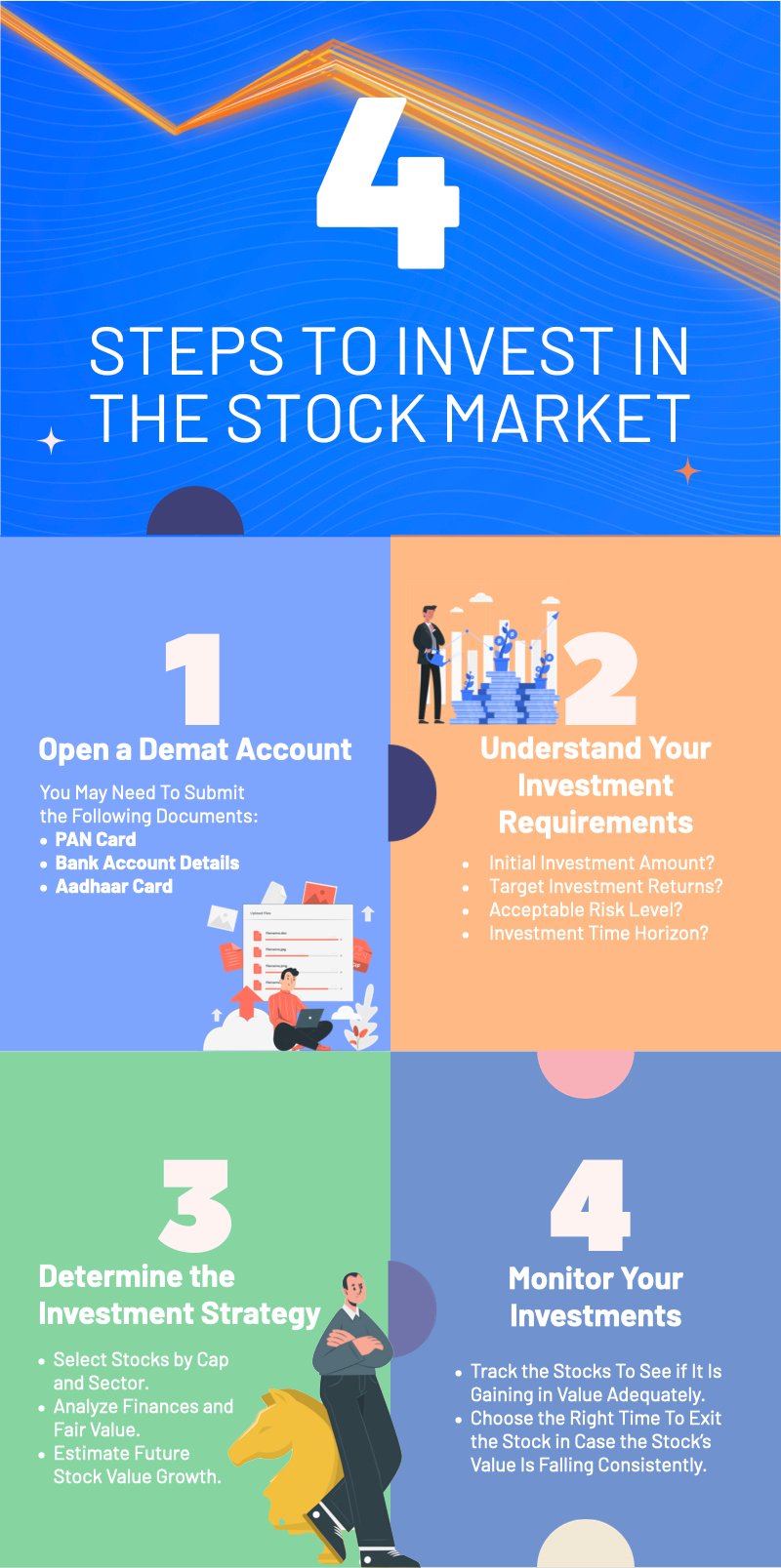
Once you’ve chosen your platform and decided on your initial investment vehicle, the practical steps of opening and funding your account are straightforward.
Gathering Necessary Documents
To open an investment account, you’ll typically need:
-
Proof of Identity: Government-issued ID (driver’s license, passport).
-
Proof of Address: Utility bill or bank statement.
-
Social Security Number (SSN) or Tax Identification Number (TIN).
-
Bank Account Information: To link for deposits and withdrawals.
Funding Your Account
Most platforms offer several ways to deposit money:
-
ACH Transfer: Electronic transfer from your bank account (most common, usually free, takes a few business days).
-
Wire Transfer: Faster but often incurs a fee.
-
Check: Mail a physical check (slowest option).
-
Rollover: Transfer funds from an existing retirement account (e.g., old 401(k) to an IRA).
Understanding Order Types
When you’re ready to buy or sell, you’ll encounter different order types:
-
Market Order: An instruction to buy or sell a stock immediately at the best available current price. This is the simplest but can result in a slightly different price than what you saw a second ago due to market fluctuations.
-
Limit Order: An instruction to buy or sell a stock only at a specific price or better. For example, a limit order to buy at $50 means it will only execute if the stock price drops to $50 or lower. This gives you more control over the price you pay/receive. For beginners, market orders are often sufficient for highly liquid stocks and ETFs.
The Importance of Diversification
Diversification is perhaps the most critical concept in investing. It means spreading your investments across various assets to reduce risk.
-
Asset Allocation: Don’t put all your money in stocks; consider bonds, real estate, or cash.
-
Industry Diversification: Don’t invest only in tech stocks; spread across healthcare, consumer goods, finance, etc.
-
Geographical Diversification: Don’t invest only in U.S. companies; include international stocks.
ETFs and mutual funds are excellent tools for achieving instant diversification.
Dollar-Cost Averaging: A Smart Strategy
Dollar-cost averaging (DCA) is an investment strategy where you invest a fixed amount of money at regular intervals (e.g., $100 every month), regardless of the asset’s price.
-
Benefits: It helps mitigate the risk of market timing. When prices are high, your fixed investment buys fewer shares; when prices are low, it buys more shares. Over time, this averages out your purchase price.
-
Ease: It automates consistency and removes emotional decision-making from market fluctuations.
Essential Tips for Long-Term Investing Success
Investing is a journey, not a sprint. Adopting a long-term perspective and consistent habits are key to success.
Start Early and Invest Consistently
The single most powerful factor in wealth accumulation is time, thanks to the miracle of compound interest. Even small, consistent contributions made early in life can grow into substantial sums over decades. Set up automated transfers to your investment account.
Educate Yourself Continuously
The financial world is dynamic. Stay informed by reading reputable financial news, books, and educational resources. Understand the companies you invest in, macroeconomic trends, and investment strategies. Never stop learning.
Avoid Emotional Decisions
Market downturns can be scary, and rallies can be exhilarating. However, making investment decisions based on fear or greed often leads to poor outcomes. Resist the urge to panic sell during a crash or chase “hot” stocks during a bubble. Stick to your long-term plan.
Rebalance Your Portfolio Periodically
Over time, the weight of different assets in your portfolio may shift due to varying returns. Rebalancing involves selling off some of your overperforming assets and buying more of your underperforming ones to bring your portfolio back to your target asset allocation. This helps manage risk and maintain your desired exposure.
Understand Tax Implications
Investing comes with tax considerations. Capital gains (profit from selling an investment) and dividends are taxable. Understand the difference between short-term (held for one year or less, taxed at ordinary income rates) and long-term capital gains (held for more than a year, taxed at lower rates). Utilize tax-advantaged accounts like IRAs (Individual Retirement Accounts) and 401(k)s, which offer tax deferral or tax-free growth, to optimize your returns.
Conclusion
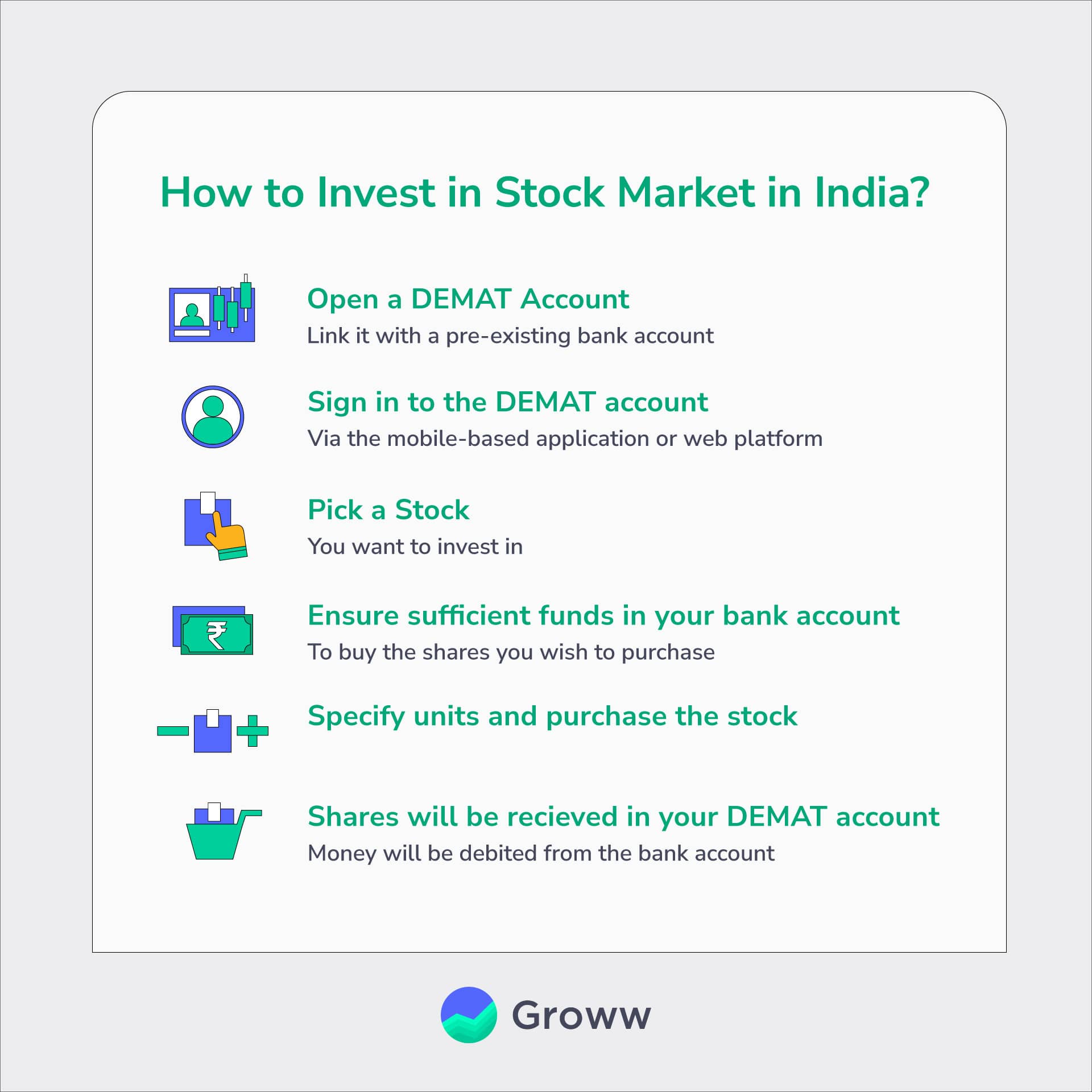
Embarking on your stock investing journey doesn’t have to be complicated or intimidating. By understanding the fundamentals, choosing the right platform for your needs, diversifying your investments, and adopting a long-term, disciplined approach, you can confidently take control of your financial future. Start small, be patient, educate yourself continuously, and let the power of compounding work its magic. The most important step is simply to begin.
aViewFromTheCave is a participant in the Amazon Services LLC Associates Program, an affiliate advertising program designed to provide a means for sites to earn advertising fees by advertising and linking to Amazon.com. Amazon, the Amazon logo, AmazonSupply, and the AmazonSupply logo are trademarks of Amazon.com, Inc. or its affiliates. As an Amazon Associate we earn affiliate commissions from qualifying purchases.