
Navigating the intricacies of personal finance often involves a surprising number of details that, while seemingly minor, are absolutely critical to managing your money effectively. Among these, your bank account number stands out as a fundamental piece of information, essential for everything from setting up direct deposits to paying bills online. Yet, for many, the precise location of this vital identifier isn’t immediately obvious, leading to moments of frustration when it’s urgently needed. This article delves into the various reliable places you can find your bank account number, illuminates its importance, and offers crucial advice on how to keep it secure, all within the broader context of sound personal financial management.
The Indispensable Role of Your Bank Account Number in Personal Finance
Your bank account number is more than just a sequence of digits; it’s the unique identifier that distinguishes your specific account from millions of others within your financial institution. Understanding its function and why it’s so critical is the first step toward better financial literacy and security.
Beyond Just a Number: Understanding Its Significance
Think of your bank account number as the specific street address for your money. While your bank’s name (and its routing number) acts like the city and state, the account number points directly to your individual financial residence. This unique identifier allows banks and other financial entities to accurately direct funds to and from your account, ensuring that transactions are attributed correctly. Without it, the modern banking system would grind to a halt, as there would be no way to differentiate between various customers or their specific financial holdings. It underpins nearly every electronic transaction, from payroll deposits to online purchases, and serves as a cornerstone of your financial identity.
Key Scenarios Requiring Your Account Number
Knowing where to find your account number becomes paramount in a multitude of financial situations. Here are some of the most common scenarios where you’ll need it:
-
Setting Up Direct Deposit: Whether it’s your paycheck, government benefits, or a tax refund, direct deposit requires your account number (and often your bank’s routing number) to ensure funds are deposited directly into your designated account. This is a primary driver for many individuals needing to locate this information.
-
Automated Bill Payments: If you’re setting up recurring payments for utilities, loans, or subscriptions directly from your bank account, you’ll typically need to provide your account number to authorize these debits.
-
Wire Transfers and ACH Payments: Sending or receiving money through wire transfers, or initiating Automated Clearing House (ACH) transactions, necessitates your account number to ensure the funds reach the correct recipient or originate from the proper source.
-
Linking External Accounts: When connecting your bank account to third-party financial apps (like budgeting tools or investment platforms), or linking it to another bank account you hold elsewhere, your account number is often required for verification.
-
Making Over-the-Counter Deposits/Withdrawals: While less common with debit cards, sometimes for larger transactions or specific account types, a teller might ask for your account number for verification purposes.
-
Applying for Loans or Credit: Certain loan applications, especially those requiring direct deposit of funds or automatic repayment, may ask for your account number.
Differentiating Account Numbers from Debit Card Numbers
It’s a common misconception, particularly among new account holders, to confuse a bank account number with a debit card number. While both are critical financial identifiers, they serve entirely different purposes and operate distinctly:
-
Bank Account Number: This is the unique identifier for your entire bank account. It links directly to the balance of funds held within that account and is used for direct deposits, wire transfers, and linking financial services. It typically has between 8 and 12 digits, though this can vary by institution.
-
Debit Card Number: This 16-digit number (usually found on the front of your debit card) is associated with a specific payment instrument linked to your account. It’s used for point-of-sale transactions, online purchases, and ATM withdrawals. While it draws funds from your bank account, the card number itself is not your bank account number. If your card is lost or stolen, you get a new card number, but your bank account number generally remains the same. Sharing your debit card number carries a higher immediate risk of fraudulent transactions than sharing your bank account number alone.
Primary Locations to Find Your Bank Account Number
Fortunately, your bank account number isn’t hidden in some obscure corner. Financial institutions make it available through several convenient and secure channels. Knowing these key locations will save you time and stress.
Your Physical Checks and Deposit Slips
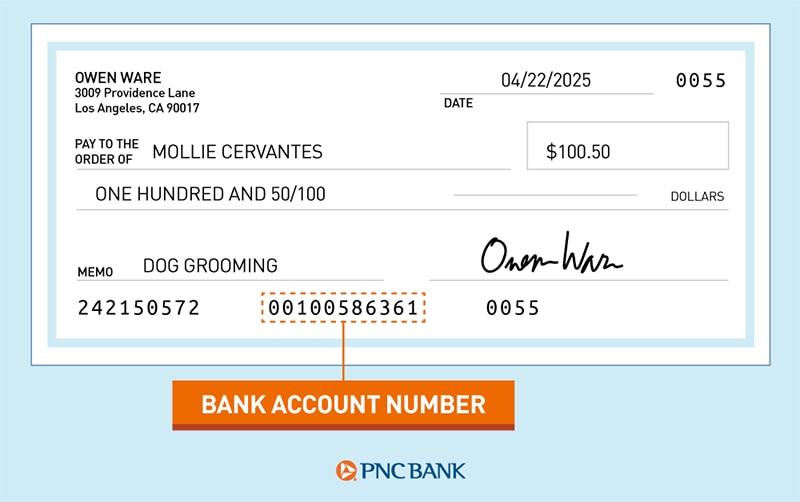
For checking accounts, the most traditional and often quickest place to find your account number is on a physical check or deposit slip. If you have a checkbook, look at the bottom of a blank check. You’ll typically see three sets of numbers printed in magnetic ink (MICR line):
-
Routing Number: The first set of 9 digits on the far left. This identifies your bank.
-
Account Number: The middle set of digits. This is your specific account number, usually 8-12 digits long.
-
Check Number: The last set of digits on the far right. This corresponds to the individual check number.
Deposit slips follow a similar pattern, with your routing and account numbers printed at the bottom.
Accessing It Through Online Banking Portals
In our increasingly digital world, online banking portals have become a primary hub for managing your finances. Your bank account number is almost always accessible here, offering a secure and convenient method, especially if you don’t use physical checks.
-
Log In: Access your bank’s official website and log in to your account using your username and password.
-
Navigate to Account Details: Once logged in, look for a section labeled “Account Summary,” “Account Details,” “My Accounts,” or similar. You might need to click on the specific checking or savings account you wish to view.
-
Find Account Number: Within the account details, your full account number should be displayed. For security reasons, some banks might initially show only the last few digits and require you to click a button (e.g., “Show Full Account Number”) or enter a password to reveal the complete number.
Locating It on Your Monthly Bank Statements
Bank statements, whether received digitally or by mail, are comprehensive records of your account activity and contain all the essential identifying information, including your account number.
-
Paper Statements: If you receive paper statements, your account number (and often the routing number) will typically be printed near the top of the statement, usually next to your name and address, or within the “Account Summary” section.
-
Electronic Statements (eStatements): Most banks offer eStatements accessible through your online banking portal. Navigate to the “Statements” or “Documents” section, select the desired statement (e.g., the most recent one), and download or view the PDF. Your account number will be clearly displayed within the document, similar to a paper statement. This is often an excellent option as eStatements are always available and can be saved securely.
The Information Provided by Your Mobile Banking App
Mobile banking apps offer an on-the-go solution for managing your money, and most now provide quick access to your account number information.
-
Log In: Open your bank’s official mobile app on your smartphone or tablet and log in.
-
Select Account: Tap on the specific checking or savings account you want to view.
-
Look for Details/Settings: Within the account view, look for an option like “Account Details,” “Account Info,” “Settings,” or a small icon (like an ‘i’ for information or a gear).
-
Reveal Account Number: Similar to online banking, the app may display a masked version of your account number initially and require a tap or further authentication (e.g., face ID, fingerprint, PIN) to reveal the full number for security.
Alternative Methods and When to Use Them
While the primary methods cover most situations, there are times when these options might not be available or suitable. Knowing alternative avenues ensures you can always retrieve your information when needed.
Contacting Your Bank Directly: Phone, Branch, or Chat

If you cannot access your account number through digital means or don’t have checks/statements readily available, contacting your bank directly is the most reliable alternative.
-
Phone Banking: Call your bank’s customer service number (usually found on their website, a previous statement, or the back of your debit card). Be prepared to verify your identity through a series of security questions (e.g., date of birth, last four digits of SSN, mother’s maiden name, recent transaction details) before they will disclose your account number.
-
Visiting a Branch: For those who prefer in-person assistance, visiting your local bank branch is a secure option. Bring a valid photo ID (like a driver’s license or passport) and be prepared to answer security questions. A teller can look up your account details and provide the number.
-
Secure Chat/Messaging: Many banks now offer secure chat features within their online banking portals or mobile apps. You can initiate a conversation with a bank representative who can assist you after verifying your identity.
Utilizing Bank-Issued Documents (e.g., Welcome Kits)
When you first open a bank account, you typically receive a welcome kit or a folder of documents. This often includes a printed sheet with your account details, including your full account number and routing number. While these documents might be stored away, they serve as a valuable reference point, especially for newly opened accounts before statements or online access are fully established.
When to Avoid Sharing Your Account Number
While your account number is vital for legitimate transactions, it’s crucial to understand when and with whom it’s safe to share it. Be highly cautious in the following situations:
-
Unsolicited Requests: Never provide your account number in response to unsolicited emails, phone calls, or text messages, especially if they claim to be from your bank and ask for sensitive information. This is a common tactic for phishing scams.
-
Public Forums or Insecure Channels: Do not post your account number on social media, public forums, or transmit it via unencrypted email or text messages.
-
Suspicious Websites: Only enter your account number on secure, encrypted websites that you know and trust, typically identified by “https://” in the URL and a padlock icon in your browser.
-
Requests for “Verification” Without Context: If someone asks for your account number for “verification” without a clear, legitimate reason (e.g., you initiated a specific transaction, they are setting up direct deposit for you), be suspicious. Legitimate entities usually only ask for this information when you are initiating a transaction or service.
Safeguarding Your Financial Identity: Security Best Practices
Knowing where to find your account number is only half the battle; the other half is ensuring its security. Protecting this information is paramount to safeguarding your financial identity and preventing fraud.
Understanding the Risks of Improper Sharing
While an account number alone isn’t always enough for a fraudster to drain your account (they typically need more, like a routing number, PIN, or Social Security number), its improper disclosure still poses significant risks:
-
Unauthorized Withdrawals: Combined with your bank’s routing number, an account number can be used to set up unauthorized ACH debits.
-
Identity Theft: If a fraudster gathers your account number along with other personal details, it can contribute to a larger profile for identity theft, opening new accounts in your name or accessing existing ones.
-
Phishing and Social Engineering: Disclosing your account number can make you a target for more sophisticated phishing attempts, where criminals use this piece of information to make their scams seem more legitimate.
Secure Storage and Retrieval Practices
Adopt habits that minimize risk while ensuring easy access when you need it:
-
Memorize Important Numbers: If possible, memorize your most frequently used account number.
-
Secure Digital Storage: If you store it digitally, use secure password managers that encrypt your data, or within a password-protected document on your computer that’s not easily accessible. Avoid saving it in plain text files or unencrypted notes apps.
-
Shred Old Statements/Checks: When disposing of old bank statements or voided checks, always shred them to prevent dumpster diving fraud.
-
Limit Physical Copies: Keep physical copies of documents containing your account number to a minimum, and store them in a secure location (e.g., a locked drawer, safe deposit box).
-
Only Share When Necessary: Share your account number only with trusted individuals or organizations for legitimate financial purposes (e.g., your employer for direct deposit, a reputable biller for auto-payments).
Recognizing and Reporting Phishing Attempts
Be vigilant against attempts by criminals to trick you into revealing your account number:
-
Suspicious Emails/Texts: Look for grammatical errors, generic greetings (“Dear Customer”), urgent demands, and unusual sender addresses. Banks will never ask for your full account number or other sensitive details via email or text message.
-
Fake Websites: Always verify the URL of a website before entering sensitive information. Phishing sites often have URLs that are slightly off (e.g., “yourbankk.com” instead of “yourbank.com”).
-
Unusual Phone Calls: If someone calls claiming to be from your bank and asks for your account number or other personal information, politely decline and offer to call them back using the official number from your bank’s website or statement.
-
Report Incidents: If you suspect you’ve been targeted by a phishing attempt or have inadvertently shared your account number with an untrustworthy source, contact your bank immediately to report the incident and monitor your account for any unauthorized activity.
Common Misconceptions and Additional Considerations
To truly master your personal financial management, it helps to clear up a few common misunderstandings and consider broader implications of your account information.
Account Number vs. Routing Number: A Crucial Distinction
While often requested together, your account number and routing number serve distinct, albeit complementary, purposes:
-
Routing Number: This 9-digit number identifies your specific financial institution (bank, credit union) and its branch location for electronic transactions. It’s like the postal code for your bank. Different types of transactions (e.g., wire transfers vs. ACH) might use slightly different routing numbers, so it’s always best to verify the correct one for the specific transaction type.
-
Account Number: As discussed, this identifies your specific account within that institution.
Both are needed for many transactions (like direct deposit or ACH transfers) to ensure funds go to the correct bank and the correct account at that bank.
The Specifics of Different Account Types (Savings, Checking)
It’s important to remember that if you have multiple accounts (e.g., a checking account, a savings account, a money market account) with the same bank, each will have its own unique account number. When you need to provide an account number for a specific purpose (like direct deposit for your paycheck), ensure you are providing the number for the correct account where you want the funds to go.

What to Do If You Can’t Find Your Account Number
Despite all the options, there might be a rare instance where you’re struggling to locate your account number. Don’t panic.
-
Retrace Your Steps: Double-check your online banking, mobile app, and recent statements. Sometimes it’s just a matter of overlooking it.
-
Review Welcome Materials: If you’re a new account holder, check any physical documents you received when opening the account.
-
Contact Customer Service: As a last resort, contact your bank’s customer service via phone or by visiting a branch. They have the tools and security protocols to help you retrieve your account number after a thorough identity verification process.
In conclusion, your bank account number is a foundational element of your personal finance toolkit. Knowing where to find it across various platforms, understanding its specific role, and committing to best practices for its security are all vital components of responsible financial management. By equipping yourself with this knowledge, you empower yourself to navigate your financial world with confidence and peace of mind.
aViewFromTheCave is a participant in the Amazon Services LLC Associates Program, an affiliate advertising program designed to provide a means for sites to earn advertising fees by advertising and linking to Amazon.com. Amazon, the Amazon logo, AmazonSupply, and the AmazonSupply logo are trademarks of Amazon.com, Inc. or its affiliates. As an Amazon Associate we earn affiliate commissions from qualifying purchases.