
Embarking on the journey of stock market investing can seem daunting, especially for newcomers. The fundamental question, “Where can I purchase stocks?”, often serves as the initial gateway to understanding the financial markets. In essence, buying stocks means acquiring a small piece of ownership in a publicly traded company. This ownership can offer the potential for capital appreciation, through an increase in the stock’s value, and sometimes passive income through dividends. However, navigating the various platforms and understanding the mechanics involved requires careful consideration and a clear strategy. This comprehensive guide will demystify the process, outlining the primary avenues for purchasing stocks and equipping you with the knowledge to make informed decisions tailored to your financial goals.

Understanding the Avenues for Stock Purchases
The landscape of stock acquisition has evolved significantly, offering a range of options from highly automated digital platforms to personalized human guidance. Each avenue caters to different investor preferences, experience levels, and financial objectives.
Online Brokerage Accounts
Undoubtedly the most popular and accessible method for individual investors today, online brokerage accounts have revolutionized stock trading. These platforms allow you to buy and sell a wide array of securities from the comfort of your home or on the go via mobile apps.
Full-Service vs. Discount Brokers
Online brokers generally fall into two categories:
- Discount Brokers: These platforms offer low commissions (often zero for stock and ETF trades), a wide range of investment products, and robust trading tools. They are ideal for self-directed investors who prefer to manage their own portfolios and conduct their own research. Examples include Charles Schwab, Fidelity, E*TRADE, Vanguard, and Robinhood. While they provide tools and research, they typically don’t offer personalized financial advice.
- Full-Service Brokers: These firms, such as Merrill Lynch or Morgan Stanley, offer comprehensive financial planning, investment advice, portfolio management, and a broader suite of wealth management services. They cater to investors who desire personalized guidance, estate planning, and a more hands-on relationship with a financial advisor. Consequently, their fees and commissions are significantly higher, making them generally more suitable for high-net-worth individuals or those with complex financial situations.
When choosing an online brokerage, consider factors such as commission fees, available investment products (stocks, ETFs, mutual funds, options, bonds), research tools, customer service quality, and the overall user experience of their platform and mobile app. Many discount brokers now offer fractional shares, allowing investors to buy a portion of a high-priced stock with a smaller amount of capital, making investing even more accessible.
Robo-Advisors
For investors seeking a hands-off approach to portfolio management, robo-advisors present an excellent solution. These digital platforms use algorithms to construct and manage diversified portfolios based on your financial goals, risk tolerance, and time horizon.
How They Work and Their Benefits
Upon signing up, you typically complete a questionnaire that helps the robo-advisor understand your investment profile. Based on your responses, it recommends a suitable portfolio, often consisting of low-cost Exchange-Traded Funds (ETFs) that provide broad market exposure. Key benefits include:
- Low Fees: Robo-advisors typically charge a small annual management fee (e.g., 0.25% to 0.50% of assets under management), significantly less than human financial advisors.
- Diversification: They automatically create diversified portfolios, reducing single-stock risk.
- Automatic Rebalancing: Portfolios are automatically rebalanced to maintain the target asset allocation.
- Tax-Loss Harvesting: Some advanced robo-advisors offer tax-loss harvesting strategies to optimize after-tax returns.
- Accessibility: They often have low or no account minimums, making investing accessible to those with smaller starting capital.
While robo-advisors primarily invest in ETFs, which hold baskets of stocks, they are an indirect way to gain exposure to the stock market without having to pick individual stocks. They are ideal for beginner investors or those who prefer a largely automated investment process.
Direct Stock Purchase Plans (DSPs) and Dividend Reinvestment Plans (DRIPs)
Another, less common, avenue for purchasing stocks is directly from the companies themselves. Some companies offer Direct Stock Purchase Plans (DSPs) or Dividend Reinvestment Plans (DRIPs).
Niche but Valuable Options
- DSPs: These plans allow you to buy shares directly from a company without going through a broker. They are generally offered by larger, well-established companies and can be a good option for long-term investors looking to invest small, regular amounts. However, the selection of companies offering DSPs is limited, and the purchasing process might be less flexible than through a brokerage.
- DRIPs: If you already own shares of a company, a DRIP allows you to automatically reinvest any dividends earned back into purchasing more shares or fractional shares of that same company. This is an excellent strategy for compounding returns over time, particularly for income-focused investors.
While DSPs and DRIPs can save on brokerage commissions, they often lack the diversification and flexibility offered by a brokerage account. They are best suited for long-term investors committed to specific companies.
Key Factors to Consider When Choosing a Platform
Selecting the right platform is crucial for a smooth and effective investing experience. Several important factors should guide your decision-making process.
Fees and Commissions
The cost of investing can significantly impact your long-term returns.
- Trading Commissions: Many online brokers now offer commission-free trading for stocks and ETFs. However, be aware of potential commissions for options, mutual funds, or international stocks.
- Account Maintenance Fees: Some brokers charge a monthly or annual fee, especially if your account balance falls below a certain threshold.
- Transfer Fees: If you decide to move your account to another broker, you might incur fees for transferring assets out.
- Expense Ratios: For mutual funds and ETFs, pay attention to the expense ratio, which is an annual fee charged as a percentage of your investment. Lower expense ratios mean more of your money is working for you.
Investment Options
Consider the breadth of investment products offered by a platform.
- Do they offer individual stocks, ETFs, mutual funds, bonds, options, futures, or even cryptocurrencies?
- If you plan to diversify beyond individual stocks, ensure your chosen platform supports these other asset classes. Some platforms might specialize in certain types of investments, so align their offerings with your investment strategy.
Research Tools and Educational Resources
Especially for new investors, access to robust research tools and educational content is invaluable.
- Look for platforms that provide detailed company financials, analyst ratings, news feeds, charting tools, and screening capabilities to help you identify potential investments.
- Educational articles, webinars, and tutorials can help you understand market dynamics and investment strategies, empowering you to make informed decisions rather than relying on guesswork.
Customer Support and User Experience
Good customer support can be a lifesaver when you encounter issues or have questions.
- Check for availability (24/7, business hours), contact methods (phone, chat, email), and the quality of support.
- The user interface (UI) and user experience (UX) of the platform and mobile app are also vital. A clean, intuitive design makes it easier to navigate, place trades, and monitor your portfolio. This is particularly important for beginners who might be overwhelmed by complex interfaces.
Account Minimums
Some platforms require a minimum deposit to open an account or access certain features. While many online brokers have eliminated minimums, especially for standard brokerage accounts, some premium services or specific investment products might still have them. Ensure the minimum requirements align with your available capital.
The Mechanics of Buying Stocks
Once you’ve chosen your platform, the actual process of buying stocks involves a few straightforward steps.
Opening and Funding Your Account
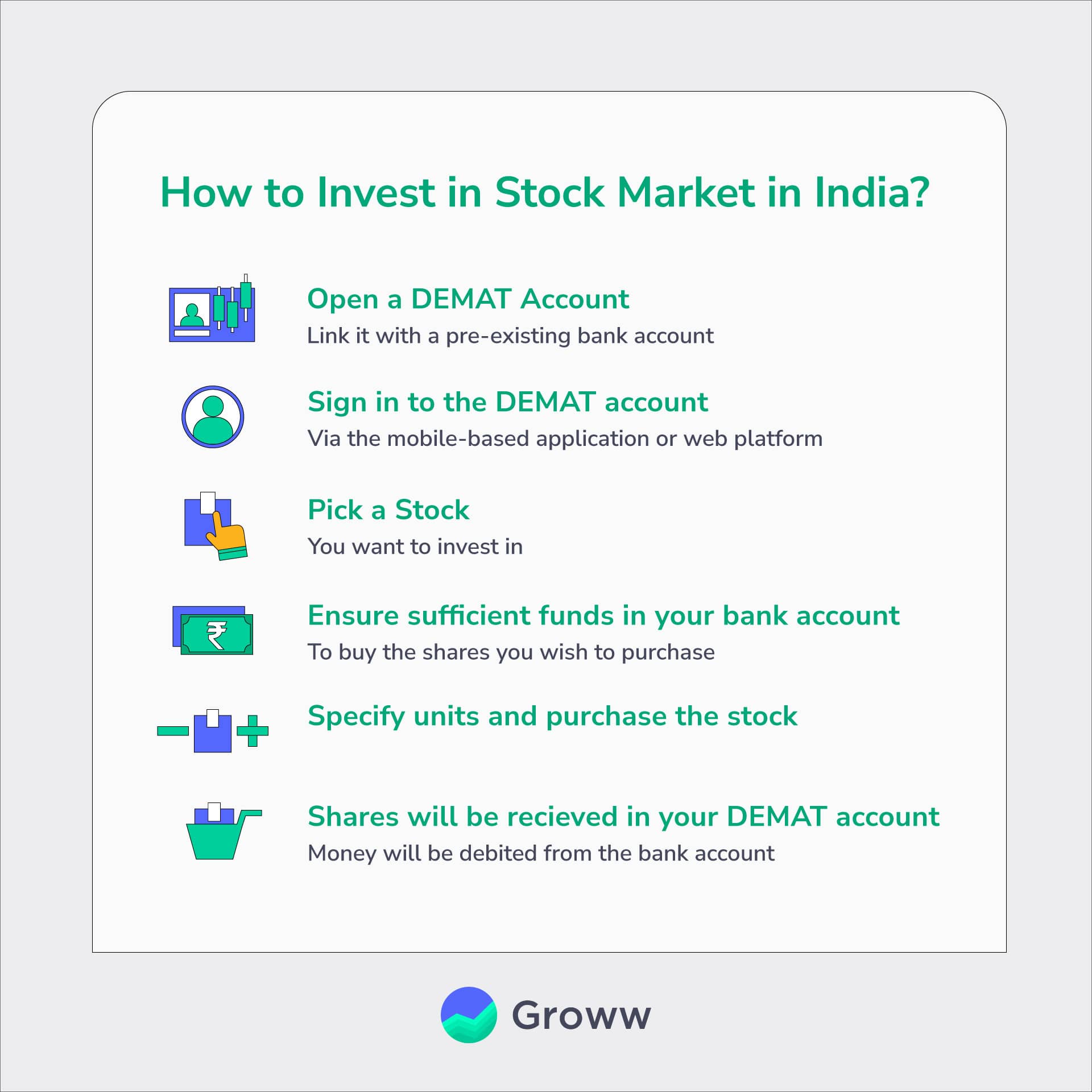
- Open an Account: You’ll typically complete an online application, providing personal information (name, address, Social Security number, employment details) and linking a bank account for funding. The broker will verify your identity, a process usually completed within a few business days.
- Fund Your Account: After your account is approved, you’ll need to transfer money into it. Common funding methods include:
- Electronic Funds Transfer (EFT): Linking your bank account allows you to transfer funds digitally, usually taking 1-3 business days.
- Wire Transfers: Faster but often incur fees.
- Checks: A slower option.
- Account Transfers: If you’re moving an existing investment account from another broker.
Placing a Trade
With funds in your account, you’re ready to buy stocks.
- Select a Stock: Use the platform’s search function to find the company you wish to invest in.
- Specify Quantity: Decide how many shares you want to buy (or the dollar amount if fractional shares are available).
- Choose Order Type: This is a critical step:
- Market Order: Instructs the broker to buy or sell shares immediately at the best available current market price. While quick, the execution price might differ slightly from what you saw, especially in volatile markets.
- Limit Order: Allows you to specify the maximum price you’re willing to pay for a buy order or the minimum price you’re willing to accept for a sell order. Your trade will only execute if the stock reaches your specified price or better. This offers more control over the execution price but isn’t guaranteed to execute if the price isn’t met.
- Stop-Loss Order: An order to sell a security when it reaches a certain price, used to limit an investor’s loss on a security position.
- Review and Confirm: Always double-check all details of your order before confirming.
Essential Considerations Before Investing
Before you commit your capital, a few fundamental principles can significantly enhance your chances of success and mitigate risks.
Define Your Investment Goals and Risk Tolerance
Clarity on why you’re investing and how much risk you’re comfortable with is paramount. Are you saving for retirement in 30 years, a down payment on a house in five years, or building a general wealth portfolio? Long-term goals often allow for higher risk (and potential reward) in stocks, while shorter-term goals might necessitate lower-risk investments. Your risk tolerance dictates how much market volatility you can emotionally and financially withstand without panicking and making impulsive decisions.
Do Your Research (Due Diligence)
Never invest in something you don’t understand.
- Company Fundamentals: Investigate a company’s financial health, including its revenue, earnings, debt, competitive advantages, and management team. Understand its business model and industry outlook.
- Industry Trends: Is the company operating in a growing sector or one facing significant headwinds?
- Valuation: Is the stock reasonably priced relative to its earnings and growth prospects, or is it overvalued?
Diversification is Key
The golden rule of investing: “Don’t put all your eggs in one basket.” Diversification involves spreading your investments across different companies, industries, and asset classes (e.g., stocks, bonds, real estate) to reduce overall risk. If one investment underperforms, others may compensate. ETFs and mutual funds are excellent tools for instant diversification.
Start Small and Learn
You don’t need a large sum of money to start investing. Begin with an amount you’re comfortable losing, as all investments carry risk. Use this initial experience to learn how the market works, how to navigate your chosen platform, and how your emotions react to market fluctuations. Gradually increase your investments as your knowledge and confidence grow. The journey of investing is a continuous learning process.
Navigating the Market as a New Investor
The stock market is a dynamic environment, and a well-informed mindset is crucial for long-term success.
Understanding Market Volatility
The stock market is inherently volatile. Prices fluctuate daily, and significant drops can occur. It’s vital to understand that these ups and downs are normal and part of the investing landscape. Overreacting to short-term fluctuations by selling during a downturn can lock in losses and prevent you from benefiting from subsequent recoveries.
The Importance of a Long-Term Perspective
History shows that over extended periods, the stock market tends to trend upwards, despite numerous corrections and bear markets. Adopting a long-term perspective (e.g., 5-10 years or more) allows your investments time to recover from downturns and benefit from compounding returns. Focus on “time in the market,” rather than attempting to “time the market,” which is notoriously difficult to do consistently.
Continuous Learning
The financial world is constantly evolving. Stay informed about economic news, company performance, and new investment products or strategies. Read reputable financial publications, listen to podcasts, and engage with educational content. The more you learn, the better equipped you’ll be to make informed decisions and adapt to changing market conditions.

Seeking Professional Guidance (When Needed)
While self-directed investing is empowering, don’t hesitate to consult a qualified financial advisor, especially as your financial situation becomes more complex or if you feel overwhelmed. A professional can provide personalized advice, help you develop a comprehensive financial plan, and keep your emotions in check during turbulent times.
In conclusion, purchasing stocks is more accessible than ever, thanks to a variety of platforms catering to every investor profile. Whether you opt for a self-directed online brokerage account, the automated convenience of a robo-advisor, or the direct approach of DSPs, the key to successful investing lies in understanding your options, conducting thorough research, defining clear goals, and maintaining a disciplined, long-term perspective. Start small, educate yourself continuously, and embrace the journey of building wealth.
aViewFromTheCave is a participant in the Amazon Services LLC Associates Program, an affiliate advertising program designed to provide a means for sites to earn advertising fees by advertising and linking to Amazon.com. Amazon, the Amazon logo, AmazonSupply, and the AmazonSupply logo are trademarks of Amazon.com, Inc. or its affiliates. As an Amazon Associate we earn affiliate commissions from qualifying purchases.