
In the rapidly evolving landscape of digital finance, Venmo has solidified its position as a ubiquitous platform, transforming how individuals and businesses approach payments. More than just a simple money transfer app, Venmo has expanded its utility far beyond its initial peer-to-peer (P2P) roots, integrating into various commercial ecosystems. For the modern user, understanding the full breadth of Venmo’s acceptance is crucial to leveraging its convenience and technological prowess. This exploration delves into the diverse avenues where Venmo can be utilized for payments, highlighting the underlying technological integrations that make these transactions seamless.
Venmo’s Core: Facilitating Seamless Peer-to-Peer Transactions
At its inception, Venmo revolutionized personal finance by simplifying the act of splitting bills, sharing expenses, and sending money between friends and family. Its design was inherently social, adding a feed that showcased anonymized transactions, fostering a sense of community around digital payments. This foundational peer-to-peer functionality remains a cornerstone of the Venmo experience, showcasing the power of a user-centric design approach in financial technology.
The Foundation of Digital Social Payments
The genius of Venmo’s initial offering lay in its intuitive interface and the removal of traditional banking friction for small, frequent transfers. Users could link their bank accounts or debit cards, allowing for instant transfers to other Venmo users, often with an engaging emoji or message accompanying the transaction. This ease of use, coupled with its mobile-first design, quickly made it the go-to app for millennials and Gen Z for everything from sharing the cost of a takeout order to settling debts after a group trip. The underlying architecture prioritizes speed and accessibility, ensuring that funds are transferred efficiently between digital wallets, and then can be cashed out to a linked bank account. This P2P functionality is not just about sending money; it’s about creating a frictionless digital social exchange, a testament to effective app development and user experience.
Streamlining Everyday Transfers: From Rent to Dinner Bills
Beyond casual money exchanges, Venmo’s P2P system is increasingly used for more significant, albeit still informal, transactions. Roommates often use it to split rent and utility bills, small businesses operating without traditional POS systems accept it for services, and even informal childcare providers or tutors leverage its simplicity. The technology behind this allows for direct, immediate transfers without the need for bank routing numbers or complex forms, reducing the administrative overhead associated with managing group finances. This streamlines a myriad of everyday financial interactions, transforming potential points of friction into moments of effortless convenience. The ability to easily request money, not just send it, further enhances its utility for managing shared expenses, making it a powerful tool for micro-financial coordination in personal and small-scale professional contexts.
Expanding Horizons: Venmo’s Acceptance Across Merchants
While P2P payments remain central, Venmo has strategically expanded its capabilities to encompass commercial transactions, bridging the gap between social payments and mainstream commerce. This expansion leverages robust API integrations and innovative payment solutions, allowing users to pay directly from their Venmo balance or linked funding sources at a growing number of businesses, both online and in physical stores.
Online Shopping: Integrating Venmo at Checkout
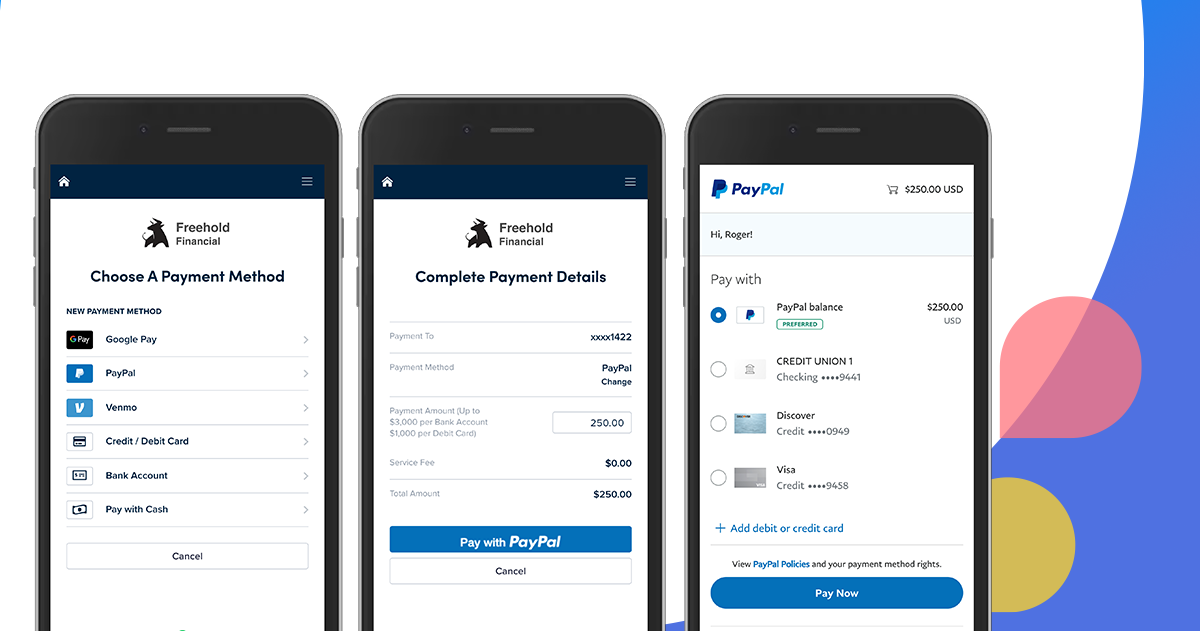
One of Venmo’s significant technological advancements has been its integration into the checkout processes of numerous online retailers. When shopping online, users can often find Venmo listed as a payment option alongside traditional credit cards or PayPal. This integration is typically facilitated through PayPal’s extensive merchant network, as Venmo is a PayPal service. Clicking the “Pay with Venmo” option usually redirects the user to the Venmo app or a secure web portal to authorize the payment. This not only streamlines the checkout experience by leveraging existing Venmo account details but also caters to a demographic that prefers mobile-first payment solutions. The back-end technology ensures secure data transmission and transaction processing, offering both convenience to the user and a diverse payment acceptance method for the merchant. For e-commerce businesses, adopting Venmo as a payment gateway can tap into a loyal user base, potentially increasing conversion rates by offering a familiar and trusted payment method.
In-Store Convenience: QR Codes and the Venmo Debit Card
The leap from online to in-store payments posed a different set of technological challenges, which Venmo has addressed through innovative solutions. The Venmo QR Code allows users to pay at physical merchant locations simply by scanning a code displayed at the point of sale. This cashless, contactless method is increasingly prevalent, particularly in smaller businesses, food trucks, or pop-up shops that might not invest in traditional card readers. The QR code acts as a digital identifier for the merchant, allowing the Venmo app to initiate a secure transaction directly from the user’s account.
Furthermore, the Venmo Debit Card (issued by Bancorp Bank, pursuant to a license from Mastercard International Incorporated) provides another layer of in-store payment flexibility. This card, directly linked to a user’s Venmo balance, can be used anywhere Mastercard is accepted, effectively turning the Venmo balance into a universally accepted payment method. If the Venmo balance is insufficient, it can automatically draw funds from a linked bank account. This hybrid approach – combining a physical card with the digital Venmo ecosystem – offers the best of both worlds, extending Venmo’s utility to virtually every physical retail environment without requiring specific Venmo merchant integrations. This represents a significant technological bridge, connecting a digital wallet with the traditional card network infrastructure.
Partnering Platforms: Popular Apps and Services

Beyond general online and in-store merchant acceptance, Venmo has forged direct partnerships with several popular apps and services. This includes major food delivery platforms, ride-sharing services, ticketing apps, and various subscription services. Within these integrated apps, Venmo appears as a native payment option, often requiring just a few taps to complete a purchase. This deep integration simplifies the user journey by eliminating the need to re-enter payment details or navigate away from the primary app. The APIs provided by Venmo allow these partner applications to securely initiate and process payments, making the experience feel integrated and fluid. For example, when ordering food, selecting Venmo as the payment method might simply prompt a confirmation within the Venmo app itself, then return the user to the delivery app. This strategic embedding into widely used applications showcases Venmo’s commitment to becoming an omnipresent payment solution within the digital economy.
Navigating the Venmo Payment Ecosystem
Effectively utilizing Venmo for its diverse payment options requires a foundational understanding of its underlying ecosystem, including how funds are managed, transaction limits, and the security protocols in place. This understanding empowers users to make informed decisions and ensures a smooth, secure payment experience.
Funding Your Payments: Linked Accounts and Venmo Balance
At the heart of the Venmo ecosystem is the flexibility of its funding sources. Users can link multiple bank accounts, debit cards, and credit cards to their Venmo profile. When making a payment, Venmo typically prioritizes using the existing Venmo balance first. If the balance is insufficient, or if the user explicitly selects it, funds can be drawn directly from a linked bank account or debit card. Credit cards can also be used, though Venmo may impose a standard transaction fee (typically 3%) for payments funded by a credit card, especially for P2P transfers. This tiered funding system provides users with control over how their payments are processed, aligning with individual financial preferences. The underlying technology securely encrypts and stores payment credentials, abstracting the complexity of banking infrastructure into a simple, user-friendly interface.
Understanding Transaction Limits and Fees
To ensure security and manage risk, Venmo, like most financial platforms, implements various transaction limits. These limits can apply to the amount sent per transaction, daily limits, and weekly limits, and often differ between P2P payments and authorized merchant payments. For instance, verified users typically have higher weekly spending limits than unverified users. Furthermore, while P2P payments are generally free when funded by a Venmo balance, bank account, or debit card, using a credit card for P2P transactions incurs a fee. Similarly, instant transfers of funds from Venmo to a bank account typically involve a small fee (e.g., 1.75% with a minimum and maximum), whereas standard transfers are free but take 1-3 business days. Understanding these limits and potential fees is crucial for financial planning and avoiding unexpected charges, especially when relying on Venmo for larger or time-sensitive transactions. These mechanisms are part of the platform’s overall risk management and operational cost recovery strategies.
Digital Security: Protecting Your Payments
In an era of increasing cyber threats, Venmo places a strong emphasis on the digital security of its platform and user transactions. This includes employing advanced encryption technologies to protect user data and financial information, both in transit and at rest. Multi-factor authentication (MFA), such as requiring a PIN or biometric verification (fingerprint or face ID) for app access and certain transactions, adds an essential layer of security. Users also have the ability to set privacy controls for their transactions, deciding whether they are public, visible to friends, or private. While Venmo takes extensive measures to secure its platform, user vigilance is also paramount. This includes using strong, unique passwords, being wary of phishing attempts, and regularly reviewing transaction history for any unauthorized activity. The continuous evolution of Venmo’s security features reflects the dynamic nature of digital threats and the platform’s commitment to maintaining user trust in its technology.
Beyond Transactions: Advanced Venmo Features and Future Outlook
Venmo’s journey as a technological platform is far from complete. It continuously evolves, introducing new features and exploring emerging trends to enhance its utility and maintain its competitive edge in the digital payments arena. These advancements reflect a broader industry push towards more integrated, versatile, and forward-looking financial tools.
Group Payments and Splitting Bills
Building on its social payment origins, Venmo has refined features specifically designed for group payments and bill splitting. While simple P2P transfers always allowed for individual requests, dedicated features streamline the process for multiple participants. This includes tools that allow a user to pay for a group expense and then easily send requests to individual members for their share, often with pre-calculated amounts. This enhances the convenience for communal activities like dining out, group travel, or shared subscriptions, making the financial reconciliation process virtually effortless. The technological integration here simplifies complex multi-party transactions, a significant improvement over manual calculations and individual payment requests.
Cryptocurrency on Venmo: A Glimpse into the Future
In a bold move reflecting broader technological trends, Venmo has integrated cryptocurrency buying and selling directly within its app. Users can now purchase, hold, and sell a selection of cryptocurrencies, including Bitcoin, Ethereum, Litecoin, and Bitcoin Cash, using their Venmo balance or linked bank account. This feature positions Venmo not just as a payment app, but as a gateway to the burgeoning world of digital assets, appealing to a tech-savvy user base interested in exploring new financial frontiers. The integration of crypto demonstrates Venmo’s commitment to staying at the forefront of financial technology, providing users with a simplified, accessible entry point into what can often be a complex and intimidating market. While primarily for holding and selling at present, the potential future integration of crypto into actual merchant payments remains a fascinating prospect, blurring the lines between traditional fiat and digital currencies within a single app.

The Evolving Landscape of Digital Wallet Adoption
The trajectory of Venmo’s development is indicative of the broader trends in digital wallet adoption. As mobile technology becomes increasingly integral to daily life, consumers expect their financial tools to be equally accessible and versatile. Venmo’s expansion from P2P to online and in-store merchant payments, coupled with its foray into cryptocurrency and continuous feature enhancements, illustrates a strategic vision for a comprehensive digital financial platform. The future of Venmo will likely involve deeper integrations into various sectors, potentially including loyalty programs, advanced budgeting tools, and even more sophisticated investment options. As digital security measures continue to advance and regulatory frameworks adapt, the utility and reach of platforms like Venmo are poised for further significant growth, solidifying their role as indispensable tools in the modern digital economy. The continuous innovation in features and the expansion of acceptance points underscore Venmo’s ambition to remain a central pillar in how we interact with money digitally.
aViewFromTheCave is a participant in the Amazon Services LLC Associates Program, an affiliate advertising program designed to provide a means for sites to earn advertising fees by advertising and linking to Amazon.com. Amazon, the Amazon logo, AmazonSupply, and the AmazonSupply logo are trademarks of Amazon.com, Inc. or its affiliates. As an Amazon Associate we earn affiliate commissions from qualifying purchases.