
Acquiring a used car is a significant financial decision, often representing one of the largest purchases an individual makes outside of a home. Navigating the diverse marketplace requires a strategic approach rooted in sound financial principles to ensure value, mitigate risks, and optimize your investment. This guide delves into the various avenues for purchasing used vehicles, emphasizing the financial considerations inherent in each choice.
Understanding the Financial Landscape of Used Car Purchases
Before even beginning your search, a thorough understanding of the financial commitment is paramount. A used car’s price tag is merely the initial expenditure; a multitude of other costs will factor into the total financial burden.
Budgeting for Your Used Car: Beyond the Sticker Price
Effective budgeting for a used car goes far beyond the advertised price. You must factor in sales tax, registration fees, potential documentation fees (especially at dealerships), and the cost of necessary immediate repairs or maintenance. A common rule of thumb suggests that the total car payment (if financing) should not exceed 10-15% of your net monthly income, with total car-related expenses (including insurance, fuel, and maintenance) staying within 20%. Failing to consider these ancillary costs can quickly lead to financial strain, turning a seemingly good deal into a long-term liability. Research average insurance costs for specific models you’re considering, and allocate a contingency fund for unexpected post-purchase maintenance.
Financing Options: Loans, Cash, and Interest Rates
Your method of payment significantly impacts the overall cost. Paying cash upfront eliminates interest payments and can sometimes provide leverage in negotiations. However, it also depletes your liquid savings, which might be better allocated to an emergency fund or other investments. If financing, securing a low-interest auto loan is crucial. Interest rates vary widely based on your credit score, the loan term, and the lender. Pre-approval from a bank or credit union before visiting dealerships can empower you with a clear budget and a competitive offer, preventing you from accepting potentially higher rates offered by dealership financing departments. Always compare the Annual Percentage Rate (APR) to understand the true cost of borrowing. A longer loan term may result in lower monthly payments but will accumulate more interest over time, making the car more expensive in the long run.
The True Cost of Ownership: Insurance, Maintenance, and Registration
Beyond the purchase price and financing, ongoing expenses are continuous financial considerations. Insurance premiums are mandatory and can vary dramatically based on the car’s make, model, age, your driving history, location, and coverage type. Researching insurance costs for specific vehicles is a critical step in pre-purchase budgeting. Maintenance and repair costs are also inevitable. Older vehicles, while cheaper upfront, may incur higher maintenance expenses. Researching common issues and typical repair costs for specific models can provide insight. Finally, annual registration fees and potential emissions testing fees contribute to the recurring financial outlay, varying by state and vehicle type. Factor these into your long-term budget to avoid financial surprises.
Navigating Dealer vs. Private Seller Markets
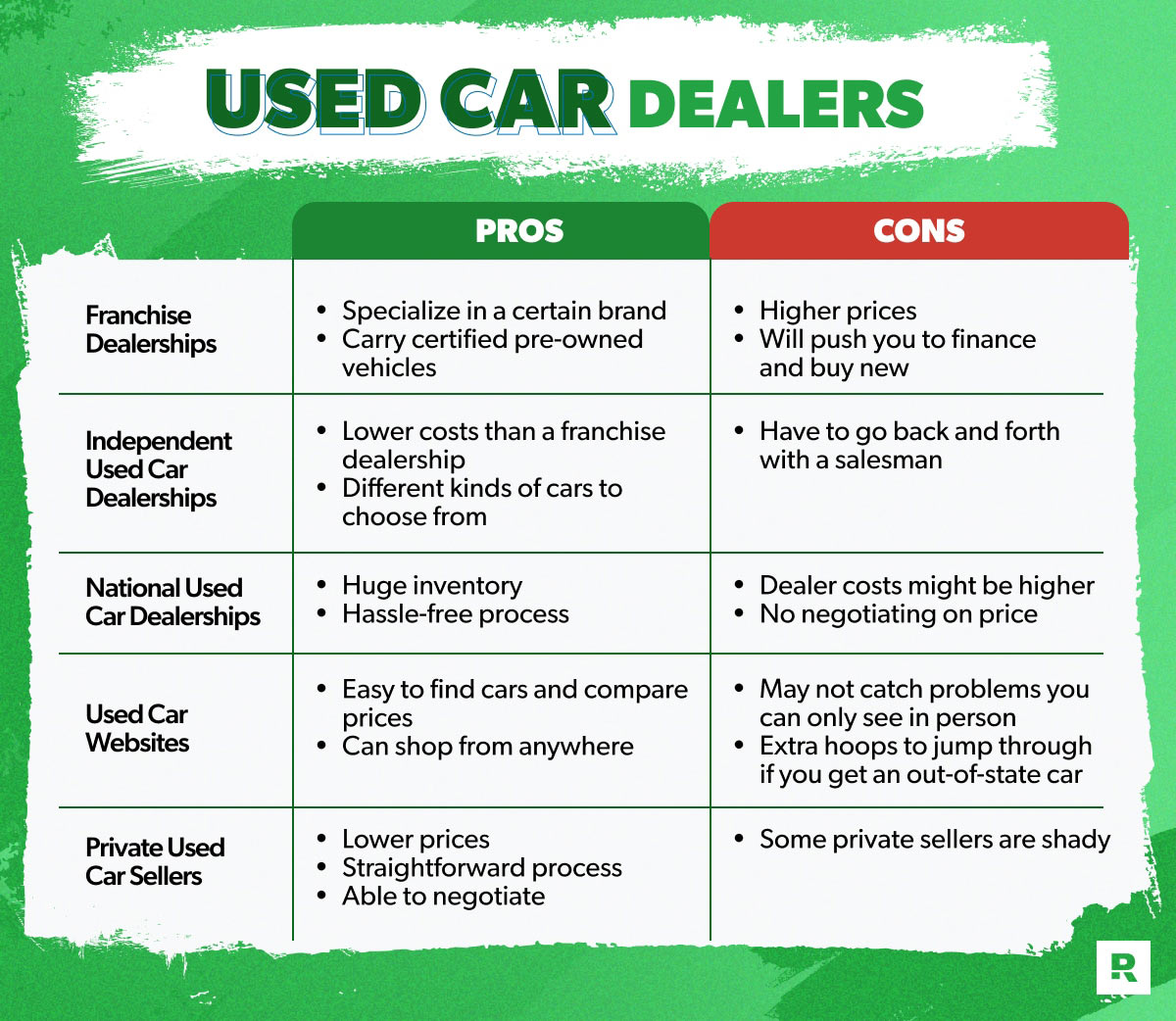
The decision between purchasing from a dealership and a private seller presents distinct financial advantages and disadvantages that warrant careful consideration.
Advantages and Disadvantages of Dealerships (Financial Perspective)
Dealerships offer convenience, a wider selection, and often provide financing options and trade-in opportunities. From a financial standpoint, dealerships often include warranties (even limited ones for used vehicles), which can offer peace of mind and protect against immediate repair costs. They also handle all the necessary paperwork, which can save time and potential errors. However, these conveniences come at a price. Dealerships typically have higher overhead costs, which are passed on to the consumer through higher prices. Negotiating can be more challenging due to the structured sales environment and the focus on profit margins. Be wary of hidden fees, such as “documentation fees” or “pre-delivery inspection fees,” which can add hundreds of dollars to the final price. While financing is available, always compare their rates with pre-approved loans from independent lenders.
The Cost-Benefit of Private Sales (Potential Savings vs. Risk)
Buying from a private seller can often yield significant cost savings. Without the overhead of a dealership, sellers are generally more flexible on price, potentially allowing you to negotiate a better deal. This route is often chosen by budget-conscious buyers looking to maximize their purchasing power. The financial risk, however, is considerably higher. Private sales typically offer no warranty, meaning you assume all responsibility for any post-purchase repairs. The “as-is” nature of these transactions requires rigorous due diligence, including a comprehensive pre-purchase inspection (PPI) by an independent mechanic and a thorough vehicle history report. Failing to invest in these preventative measures can lead to substantial unexpected repair costs that negate any initial savings. Furthermore, verifying the legitimacy of the seller and the clear title of the vehicle is solely your responsibility, a critical financial and legal protection.
Certified Pre-Owned (CPO) Programs: Are They Worth the Premium?
Certified Pre-Owned (CPO) vehicles are a hybrid option, typically offered by franchised dealerships. These vehicles undergo rigorous multi-point inspections, often come with an extended manufacturer’s warranty, and may include additional perks like roadside assistance. Financially, CPO vehicles carry a higher price tag than non-CPO used cars of similar make, model, and age. The premium covers the cost of the inspection, any reconditioning performed, and the added warranty coverage. The financial decision hinges on your risk tolerance and budget. For buyers prioritizing peace of mind and protection against unexpected repair costs, the CPO premium can be a worthwhile investment, potentially saving money on future out-of-pocket expenses. However, if you are comfortable with a higher level of risk and have an emergency fund for potential repairs, a non-CPO vehicle might offer better value for your dollar.
Leveraging Online Resources and Platforms
The digital age has revolutionized the used car market, offering a plethora of online resources that can simplify your search, compare prices, and identify potential savings.
Aggregator Sites: Broadening Your Search Economically
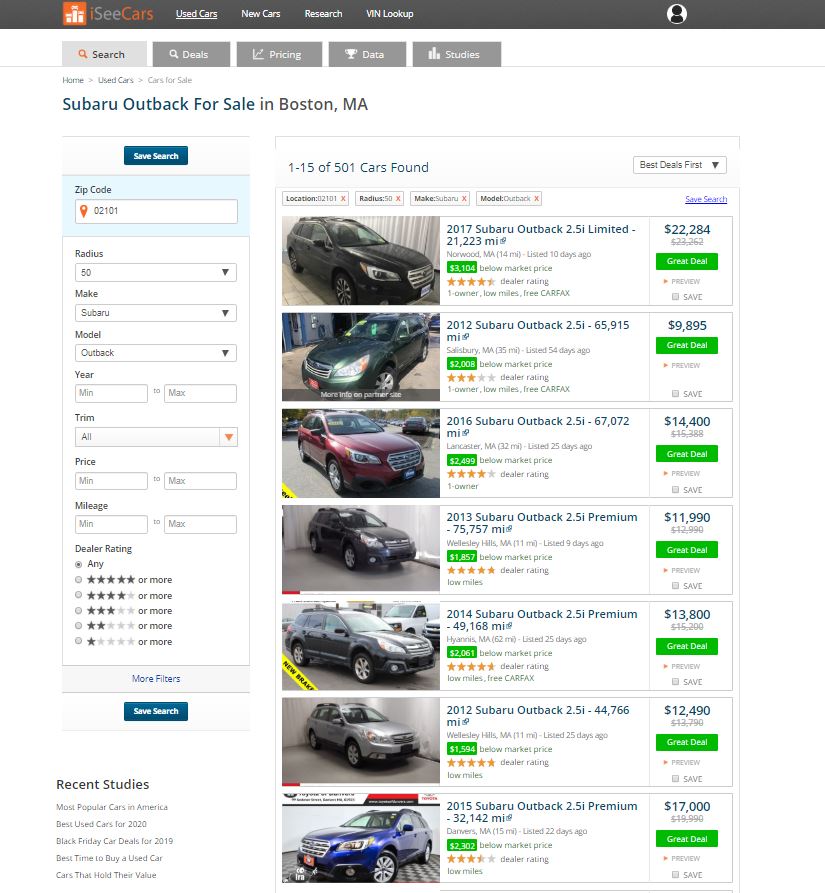
Websites like AutoTrader, Cars.com, and Edmunds serve as massive aggregators, listing vehicles from both dealerships and private sellers across a wide geographic area. These platforms are invaluable for price comparison, allowing you to gauge the market value for specific makes and models. You can filter by price range, mileage, year, features, and location, efficiently narrowing down options that fit your budget. This economic search allows you to identify outliers—both overpriced and potentially undervalued vehicles—helping you refine your negotiation strategy. By providing a comprehensive view of available inventory, these sites enable a more informed financial decision, preventing you from overpaying due to limited local options.
Auction Sites: High Risk, High Reward Opportunities
Online auction platforms, such as eBay Motors or even specific government/fleet auction sites, can offer significant discounts. These platforms often feature vehicles that are repossessions, fleet liquidations, or trade-ins that dealerships don’t want to carry. The financial appeal is the potential for acquiring a vehicle at a price well below market value. However, the risk is substantial. Vehicles are often sold “as-is,” with minimal or no opportunity for a pre-purchase inspection. Detailed information about the car’s condition or history might be limited. This avenue is generally best suited for experienced buyers or those with a robust understanding of car mechanics and a willingness to take on significant financial risk, as post-purchase repair costs can quickly erode any initial savings. A strict bidding limit based on a conservative valuation is crucial.
Direct-to-Consumer Online Retailers: Convenience and Pricing
Companies like Carvana and Vroom have emerged as direct-to-consumer online used car retailers, offering a seamless purchasing experience. These platforms often provide competitive, no-haggle pricing, transparent vehicle history reports, and offer home delivery with a return policy (typically 7 days). From a financial perspective, their streamlined model often eliminates traditional dealership overheads, which can translate to competitive pricing. The no-haggle policy means the price you see is the price you pay, simplifying the budgeting process. Their return policies also mitigate some of the financial risk associated with buying a used car sight unseen. However, ensure you thoroughly understand their financing options and any associated fees, as they may differ from traditional lenders.
Essential Financial Due Diligence Before Buying
Regardless of where you source your used car, meticulous financial due diligence is non-negotiable to protect your investment and avoid costly mistakes.
Vehicle History Reports: A Small Investment for Major Protection
Services like CarFax and AutoCheck provide comprehensive vehicle history reports for a modest fee. This small investment can save you thousands in potential repair costs and legal headaches. These reports detail past accidents, title issues (salvage, flood, odometer fraud), service records, previous ownership, and recall information. Identifying a vehicle with a problematic history can prevent you from purchasing a “lemon” that will perpetually drain your finances through repairs or possess diminished resale value. It’s a critical step in assessing the long-term financial viability of any used car.
Pre-Purchase Inspections (PPIs): Avoiding Costly Surprises
A pre-purchase inspection (PPI) by an independent, certified mechanic is perhaps the most crucial financial safeguard. For a fee typically ranging from $100 to $200, a mechanic will thoroughly inspect the vehicle for mechanical issues, safety concerns, and potential problems not visible to the untrained eye. A PPI can uncover expensive latent defects—such as transmission problems, frame damage, or worn-out components—that could cost thousands to repair post-purchase. This allows you to either negotiate a lower price to cover the cost of repairs, request the seller to fix the issues, or walk away from a financially unsound deal. Never skip a PPI, especially for private sales or non-CPO vehicles.
Negotiating Strategies: Securing the Best Price
Effective negotiation can significantly reduce your financial outlay. Research market prices extensively using online aggregators to establish a fair value range. Be prepared to walk away if the price isn’t right. Leverage information from the vehicle history report or PPI—any identified issues provide strong bargaining points. When buying from a dealership, negotiate the “out-the-door” price (including all fees and taxes), rather than focusing solely on the vehicle price, to avoid hidden costs. Understand the value of your trade-in separately if you have one, rather than allowing it to be bundled into the negotiation. Patience and preparation are your strongest financial allies in this phase.
Smart Strategies for Long-Term Value and Resale
A used car purchase is not just about the upfront cost but also about maintaining its value and considering its future financial implications.
Choosing Reliable Models for Reduced Depreciation
While all cars depreciate, some models hold their value significantly better than others. Researching vehicles known for their reliability and slower depreciation rates can be a smart financial move. Brands with strong reputations for longevity and lower maintenance costs often command higher resale values. Opting for a popular model that is in high demand can also ensure an easier and more profitable sale down the line. This forward-thinking approach minimizes your total cost of ownership over the vehicle’s lifespan.
The Importance of Maintenance Records for Future Value
Comprehensive and well-organized maintenance records are invaluable. When it comes time to sell, a car with a documented service history—showing regular oil changes, tire rotations, and timely repairs—will command a higher price and attract more buyers. It demonstrates that the vehicle has been well-cared for, signaling reliability and reducing perceived risk for the next owner. Financially, diligent maintenance isn’t just about prolonging the life of your car; it’s also about preserving its market value.
When to Sell: Maximizing Your Return
Understanding the optimal time to sell your used car can significantly impact your financial return. Key factors include mileage thresholds (e.g., before reaching 100,000 miles, which is often a psychological barrier for buyers), the car’s age, and seasonal demand. Selling before major maintenance intervals (like timing belt replacements) can also be financially advantageous. Staying attuned to market trends and understanding your car’s depreciation curve allows you to make an informed decision that maximizes your residual value, providing a better financial foundation for your next vehicle purchase.
aViewFromTheCave is a participant in the Amazon Services LLC Associates Program, an affiliate advertising program designed to provide a means for sites to earn advertising fees by advertising and linking to Amazon.com. Amazon, the Amazon logo, AmazonSupply, and the AmazonSupply logo are trademarks of Amazon.com, Inc. or its affiliates. As an Amazon Associate we earn affiliate commissions from qualifying purchases.