
For individuals exploring options for medical weight management, phentermine often emerges as a common prescription medication. However, the seemingly simple question, “where can I get phentermine,” quickly unearths a complex financial landscape that prospective users must navigate. This article delves into the economic considerations surrounding the legal and safe acquisition of phentermine, moving beyond medical advice to focus squarely on the costs, financial strategies, and economic risks associated with this prescribed weight-loss aid. Understanding the monetary implications is paramount to making informed decisions and ensuring both health and financial well-being.
Navigating the Financial Labyrinth of Prescription Medications
Obtaining a prescription medication like phentermine involves a series of steps, each with its own set of financial implications. From initial consultations to ongoing treatment, costs can accumulate, making it essential to understand the full spectrum of potential expenditures.
The Cost of Consultation: Doctor Visits and Assessments
The first financial hurdle in obtaining phentermine is the initial medical consultation. Phentermine is a controlled substance and requires a prescription from a licensed healthcare provider. This typically involves visits to a primary care physician, or potentially a specialist such as an endocrinologist, bariatric physician, or a medical weight loss clinic.
- Primary Care Physician (PCP) Visits: For many, the journey begins with a visit to their PCP. The cost of such a visit can vary widely. With health insurance, patients typically pay a co-pay, which can range from $20 to $75, depending on their plan. For those with high-deductible plans, the full cost of the visit, potentially hundreds of dollars, might fall to the patient until the deductible is met. Uninsured individuals face the full negotiated rate, which can be significant, prompting some clinics to offer cash discounts or sliding scale fees based on income.
- Specialist Consultations: If a PCP refers to a specialist, or if an individual directly seeks specialized care, consultation fees can be higher. Specialist co-pays generally range from $50 to $150, and out-of-pocket costs without insurance or before meeting a deductible can be even more substantial, often exceeding $300-$500 for an initial comprehensive assessment.
- Weight Loss Clinics: Dedicated medical weight loss clinics often offer packaged programs that may include initial consultations, follow-up visits, and sometimes even discounted medication. While these packages might seem appealing, it’s crucial to understand the total cost, what’s included, and whether phentermine is part of the standard offering or an additional expense. Some clinics operate on a cash-only basis, making insurance coverage irrelevant for their consultation fees.
Understanding Prescription Drug Pricing and Insurance Coverage
Once a prescription for phentermine is issued, the next financial consideration is the cost of the medication itself. Phentermine is available as a generic drug, which typically means it’s more affordable than a brand-name equivalent. However, pricing can still fluctuate significantly.
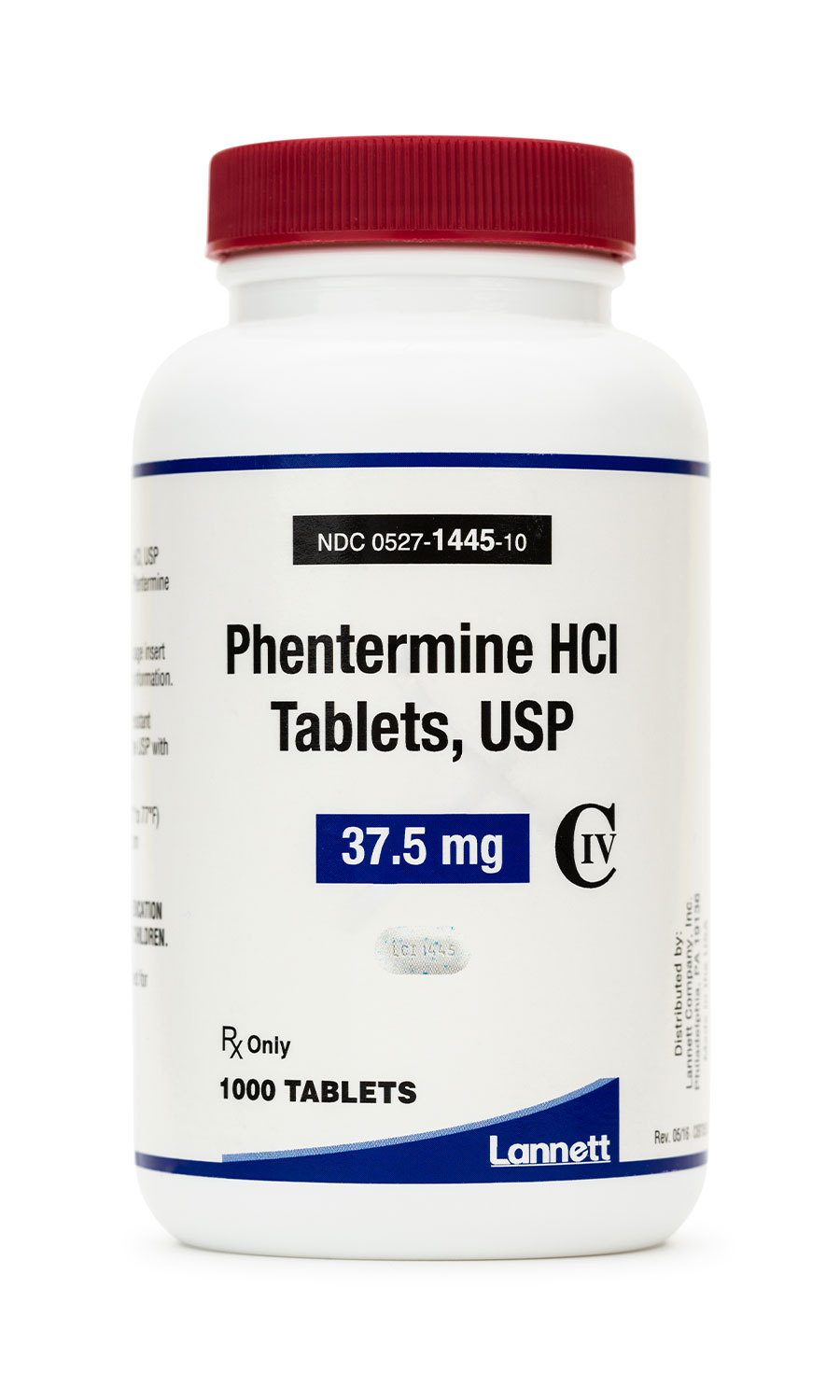
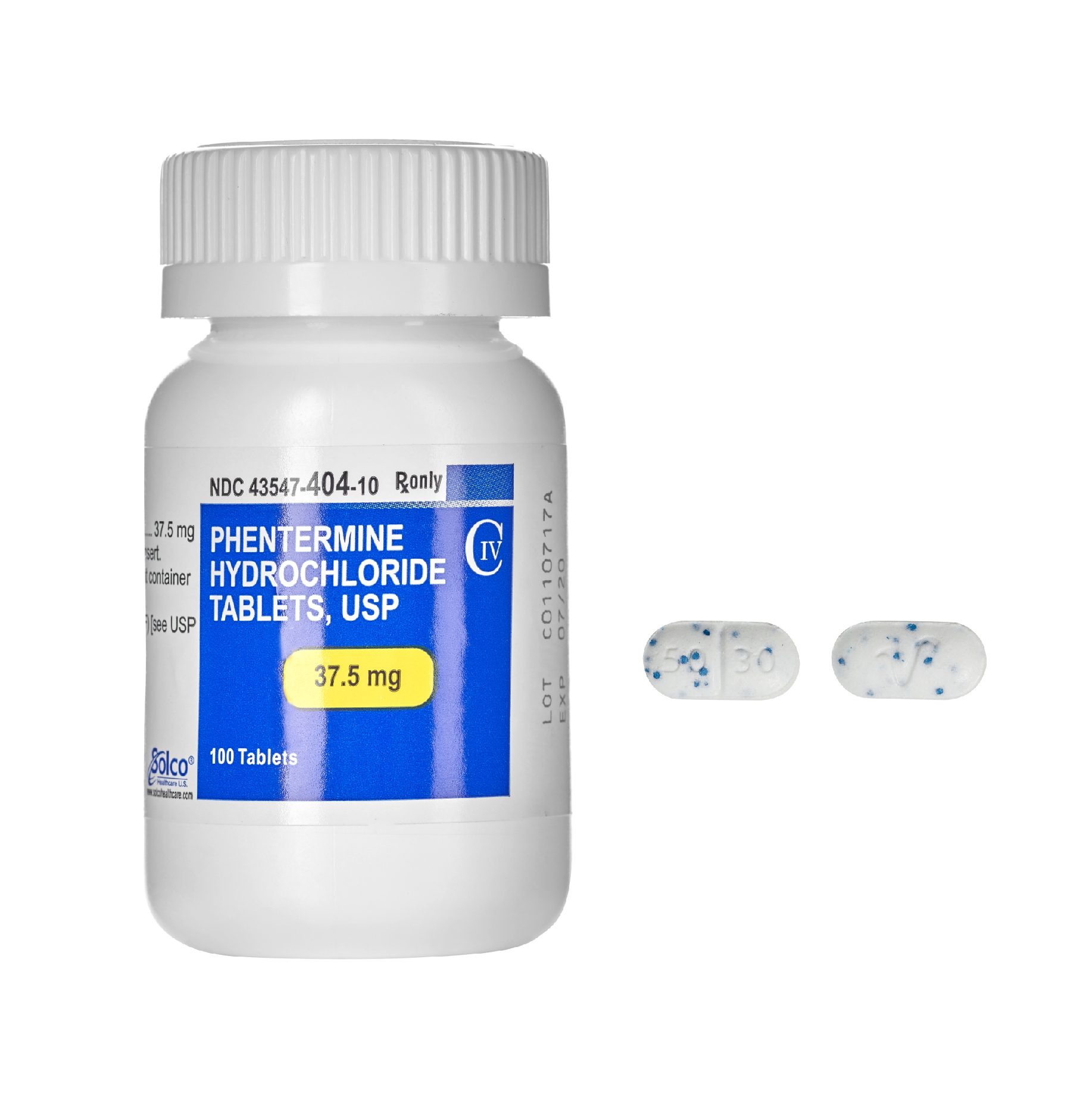
- Variability in Pharmacy Pricing: The retail price of generic phentermine can differ drastically from one pharmacy to another. Factors influencing this include the pharmacy’s purchasing agreements, location, and even their current inventory. A 30-day supply of phentermine (e.g., 37.5mg tablets) might cost anywhere from $20 to over $100 without insurance.
- The Role of Insurance and Formularies: Health insurance plans often cover generic medications, but the extent of coverage varies. Most plans have a “formulary,” a list of covered drugs, categorized into tiers. Generic phentermine is usually in a lower tier, meaning a lower co-pay (e.g., $10-$30). However, if a specific dosage or formulation is not on the formulary, or if a prior authorization is required, the out-of-pocket cost could be higher. Patients with high-deductible plans will again bear the full negotiated cost until their deductible is met.
- Pharmacy Benefit Managers (PBMs): PBMs manage prescription drug benefits for health insurers and play a significant role in drug pricing. Their negotiated rates with pharmacies determine what your insurance pays and, consequently, your co-pay or out-of-pocket cost. It’s not uncommon for a pharmacy’s “cash price” to be lower than an insurance co-pay, especially with discount cards.
The Hidden Costs: Lab Tests and Follow-up Appointments
Beyond the initial consultation and medication, there are often recurring and ancillary costs that contribute to the overall financial burden of phentermine treatment.
- Required Lab Tests: Before prescribing phentermine, healthcare providers typically order a panel of lab tests to assess eligibility and rule out contraindications (e.g., thyroid function, kidney function, cardiovascular health markers). These tests are crucial for safety but come with their own costs. With insurance, patients might pay a co-pay for lab services or contribute to their deductible. Without insurance, these tests can easily run into hundreds of dollars.
- Follow-up Visits for Monitoring: Phentermine treatment is not a one-time event. Due to its potential side effects and the need to monitor patient progress and health, regular follow-up appointments are usually required to renew prescriptions. These visits incur the same co-pays or out-of-pocket costs as initial consultations, adding to the ongoing financial commitment. For chronic conditions requiring continuous medication, these recurring costs become a significant part of personal budgeting.
- The Cumulative Financial Burden: When all these factors are considered – initial consultations, lab tests, medication costs, and regular follow-up appointments – the cumulative financial outlay for a course of phentermine treatment can be substantial, especially over several months. It’s a significant financial commitment that demands careful planning.
Strategies for Managing Phentermine Costs
While the costs associated with legally obtaining phentermine can be considerable, various financial strategies and resources are available to help mitigate the burden and make treatment more accessible.
Leveraging Insurance Benefits and Pharmacy Programs
Maximizing your health insurance benefits and utilizing available pharmacy programs can significantly reduce out-of-pocket expenses for phentermine.
- Verify Insurance Coverage and Formulary: Before starting treatment, thoroughly review your health insurance plan’s prescription drug formulary to confirm phentermine’s coverage and its assigned tier. Understand any prerequisites, such as prior authorization, which may require your doctor to submit additional paperwork to your insurer justifying the need for the medication. Knowing this upfront can prevent unexpected costs.
- Health Savings Accounts (HSAs) and Flexible Spending Accounts (FSAs): These tax-advantaged accounts allow you to set aside pre-tax money specifically for qualified medical expenses, including prescription medications, doctor visits, and lab tests. Using an HSA or FSA can effectively reduce your overall healthcare spending by lowering your taxable income. For those with high-deductible health plans, an HSA is an invaluable tool for managing out-of-pocket medical costs.
- Pharmacy Discount Cards and Programs: Several programs, such as GoodRx, SingleCare, and Optum Perks, offer significant discounts on prescription medications, often beating insurance co-pays for generic drugs. It’s wise to check these platforms before filling your prescription, as the cash price with a discount card can sometimes be lower than what you’d pay through your insurance, especially if you haven’t met your deductible.
- Manufacturer Coupons: While less common for generic medications like phentermine, it’s always worth checking if the manufacturer of a specific dosage form or authorized generic offers coupons or patient assistance programs. These programs are typically designed to help low-income or uninsured individuals access medications.
Comparing Pharmacy Prices: A Smart Consumer Approach
Being an informed and proactive consumer can lead to substantial savings on phentermine. Prices can vary widely, even within the same geographic area.
- Shop Around: Don’t settle for the first price you receive. Call multiple local pharmacies (including major chains, independent pharmacies, and grocery store pharmacies) to inquire about their cash price for your phentermine prescription. Utilize online tools and apps (like those mentioned above) that allow you to compare prices at pharmacies near you. This simple step can sometimes reveal differences of $20-$50 for a single prescription.
- Consider Mail-Order Pharmacies: Many insurance plans encourage or require the use of mail-order pharmacies for maintenance medications. These pharmacies often offer 90-day supplies at a reduced cost compared to 30-day fills at retail pharmacies. While convenient and potentially cost-effective, ensure timely delivery and verify their return policies.
- Ask About Cash Prices: Sometimes, a pharmacy’s “cash price” (the price without using insurance) might be lower than your insurance co-pay, especially if you have a high co-pay for generic drugs. Always ask the pharmacist for their best cash price or if they have any in-house discount programs.
- Generic vs. Brand Name: Phentermine itself is a generic. However, if your doctor prescribes a combination drug (like phentermine/topiramate extended-release, which is brand-name Qsymia), ensure you understand the significant price difference and whether a generic alternative is available or equally effective.
Budgeting for Long-Term Weight Management
Incorporating phentermine into a broader, sustainable weight management plan requires careful financial budgeting, viewing these expenditures as an investment in long-term health.
- Integrate Medication Costs into Your Budget: Treat phentermine costs as a regular line item in your personal finance budget, similar to groceries or utilities. This proactive approach helps avoid unexpected financial strain. Factor in not just the medication itself, but also co-pays for follow-up visits and potential lab tests.
- Consider the Total Cost of Wellness: Phentermine is typically part of a comprehensive weight management strategy that includes dietary changes, increased physical activity, and potentially other support services. Budget for healthy food, gym memberships or exercise equipment, and possibly consultations with registered dietitians or personal trainers. Viewing these holistically ensures a realistic financial picture.
- The Financial Benefits of Successful Weight Loss: While there are upfront costs, successful weight management can lead to significant long-term financial benefits. Reducing obesity-related comorbidities (like type 2 diabetes, heart disease, high blood pressure, and sleep apnea) can decrease future healthcare costs for specialist visits, additional medications, hospitalizations, and complex procedures. This is a crucial “return on investment” for your health.
The Economic Risks of Unregulated Sourcing
In an attempt to bypass the legitimate financial pathways, some individuals might consider acquiring phentermine through unregulated or illegal channels. This path, however, comes with severe economic and personal risks that far outweigh any perceived savings.
The Illusion of Cheap Alternatives: Online and Black Market Dangers
The internet is rife with websites purporting to offer phentermine without a prescription, often at what seem like significantly lower prices. However, these are fraught with peril.
- Counterfeit and Substandard Drugs: The primary risk is receiving counterfeit, adulterated, or incorrectly dosed medication. These products may contain no active ingredient, too much or too little, or even harmful substances. The financial loss from purchasing ineffective or dangerous drugs is substantial, as there’s no recourse for refunds or complaints.
- Financial Fraud and Identity Theft: Unregulated online pharmacies often operate with dubious security. Providing personal and payment information to these sites exposes you to credit card fraud, identity theft, and other cybercrimes, leading to significant financial losses and long-term credit damage.
- Lack of Quality Control: Unlike legitimate pharmacies regulated by health authorities, unregulated sources have no oversight. There are no guarantees regarding storage, handling, or expiry dates, further jeopardizing the efficacy and safety of the product, resulting in wasted money and potential health complications.
Legal and Financial Consequences of Illegal Acquisition
Phentermine is a Schedule IV controlled substance in the United States, meaning its acquisition, possession, or distribution without a valid prescription is illegal.
- Fines and Legal Fees: Being caught with phentermine without a prescription can lead to serious legal ramifications, including substantial fines. Engaging legal counsel to defend against such charges incurs significant attorney fees, easily running into thousands or tens of thousands of dollars.
- Criminal Record and Incarceration: Depending on the jurisdiction and the specifics of the offense, illegal possession or attempted purchase of a controlled substance can result in a criminal record, probation, or even jail time. A criminal record can severely impact future employment opportunities, housing applications, and professional licensing, leading to long-term financial instability and reduced earning potential.
- The Cost of Reputation: Beyond direct legal costs, the damage to one’s reputation, both personal and professional, can have indirect but profound financial implications. Rebuilding trust and a positive image after such an incident can be a lengthy and expensive process.
Health Complications and Associated Costs
The greatest economic risk of unregulated phentermine comes from potential health complications arising from unverified medication.
- Adverse Health Events: Using counterfeit or improperly dosed phentermine can lead to severe adverse reactions, overdose, or lack of therapeutic effect. This often necessitates emergency medical care, hospitalizations, and extensive medical treatments, all of which incur exorbitant costs, regardless of insurance status.
- Exacerbation of Existing Conditions: Without proper medical oversight, phentermine might be used by individuals with contraindications (e.g., heart conditions, uncontrolled hypertension), leading to life-threatening exacerbations. The financial burden of managing such health crises far outweighs any initial savings from unregulated sourcing.
- Long-Term Health Damage: Chronic health issues stemming from unsafe medication can lead to ongoing medical expenses, reduced quality of life, and potentially permanent disability, further impacting earning capacity and financial stability.
Investing in Your Health: The Financial Value of Legitimate Pathways
Ultimately, viewing the costs of legitimately obtaining phentermine as an investment in one’s health, rather than just an expense, underscores the long-term financial wisdom of following prescribed channels.
Physician Oversight as a Financial Safeguard
The involvement of a qualified healthcare professional is not merely a medical necessity but also a significant financial safeguard.
- Minimizing Risks, Maximizing Outcomes: A physician accurately assesses your health, identifies contraindications, monitors progress, and manages side effects. This oversight ensures the medication is appropriate and used safely, reducing the risk of costly complications or ineffective treatment. This professional guidance ensures that your financial investment in the medication yields actual health benefits.
- Optimizing Treatment Plans: A doctor can adjust dosages, recommend alternative treatments, or discontinue phentermine if it’s not working or causing adverse effects. This prevents wasted money on ineffective medication and guides you towards a more suitable and cost-effective treatment path.
Long-Term Financial Returns on Health Investments
Successful weight management achieved through legitimate means can yield substantial financial returns over time, far outweighing the initial costs.
- Reduced Future Healthcare Costs: Obesity is a major risk factor for numerous chronic diseases. By achieving and maintaining a healthy weight, individuals significantly reduce their risk of developing conditions like type 2 diabetes, heart disease, stroke, certain cancers, and osteoarthritis. This translates directly into fewer doctor visits, fewer prescriptions for chronic conditions, fewer hospitalizations, and potentially lower insurance premiums over a lifetime.
- Improved Productivity and Earning Potential: Better health often leads to increased energy levels, improved mood, and enhanced cognitive function. This can translate into greater productivity at work, fewer sick days, and potentially better career advancement opportunities, indirectly boosting earning potential.
- Enhanced Quality of Life: While not directly quantifiable in monetary terms, the improved quality of life, increased mobility, and enhanced self-esteem that come with successful weight management have an inherent value that reduces stress and improves overall well-being, indirectly contributing to financial stability.

Financial Planning for Sustainable Wellness
Proactive financial planning is crucial for making sustainable health choices, including accessing necessary medications like phentermine.
- Establish a Healthcare Emergency Fund: Beyond general savings, consider building a dedicated fund for unexpected healthcare costs or for managing recurring medication expenses.
- Review and Maximize Insurance Annually: Take time during open enrollment periods to re-evaluate your health insurance plan to ensure it meets your current and anticipated healthcare needs, including prescription drug coverage.
- View Health as an Asset: Shift your mindset from seeing health expenditures as unavoidable costs to viewing them as essential investments in your most valuable asset: your body and mind. This perspective encourages prioritizing legitimate, safe, and effective pathways, even if they incur upfront costs, recognizing their long-term value.
In conclusion, while the question “where can I get phentermine” may seem straightforward, its answer is deeply intertwined with financial considerations. From the costs of medical consultations and the medication itself to the crucial role of insurance and discount programs, navigating this process requires a savvy financial approach. Crucially, the economic risks associated with seeking unregulated sources are severe and potentially life-threatening, making the legitimate, albeit more costly, path the only viable and financially responsible option. By understanding these financial complexities and adopting proactive budgeting and consumer strategies, individuals can invest wisely in their health, ensuring a safer and more effective journey toward weight management.
aViewFromTheCave is a participant in the Amazon Services LLC Associates Program, an affiliate advertising program designed to provide a means for sites to earn advertising fees by advertising and linking to Amazon.com. Amazon, the Amazon logo, AmazonSupply, and the AmazonSupply logo are trademarks of Amazon.com, Inc. or its affiliates. As an Amazon Associate we earn affiliate commissions from qualifying purchases.