
Tax season often brings a mix of anxiety and anticipation. Whether you are expecting a significant refund or are concerned about a complex liability, the question of “where can I get my taxes done” is the first hurdle in the financial calendar. In the modern financial landscape, the options range from automated algorithms to high-level strategic consultants. Choosing the right path depends entirely on your financial complexity, your budget, and your comfort level with the tax code.
This guide explores the various avenues available for tax preparation, categorized by their utility, cost, and the specific financial scenarios they serve.

Evaluating Your Needs: DIY Software vs. Professional Accountants
Before selecting a destination for your tax filing, you must conduct a brief audit of your financial year. The “Money” niche of tax preparation is generally split into two camps: the Do-It-Yourself (DIY) digital route and the professional advisory route.
When Digital Software Suffices
For a large segment of the population, particularly those with a single W-2 income and no dependents or complex investments, retail tax software is often the most cost-effective choice. Platforms like TurboTax, H&R Block, and FreeTaxUSA have evolved into sophisticated financial tools. They use “interview-style” formats to guide you through deductions and credits.
If your primary goal is to minimize costs and your financial situation is straightforward (standard deduction, basic interest income, and no business ownership), these tools provide a secure and efficient way to file. They are particularly useful for those who want to understand the mechanics of their return without paying the premium for a human consultant.
When to Hire a Certified Public Accountant (CPA)
As your net worth grows or your income streams diversify, the DIY approach can become a liability rather than a cost-saving measure. You should consider a professional CPA or an Enrolled Agent (EA) if you fall into the following categories:
- Small Business Owners/Freelancers: Navigating Schedule C, depreciation, and home office deductions requires a nuanced understanding of tax law that software may miss.
- Real Estate Investors: Handling rental income, 1031 exchanges, and property depreciation is inherently complex.
- High Net Worth Individuals: If you are subject to the Alternative Minimum Tax (AMT) or have complex estate planning needs, a human expert is essential.
- Cryptocurrency and Stock Traders: While software is catching up, high-volume trading and “wash sale” rules often require professional oversight to ensure compliance.
Local and National Tax Preparation Services
If you prefer a face-to-face interaction but do not necessarily need the year-round strategic planning of a high-end accounting firm, retail tax preparation services are a middle-ground option.
National Chains: Convenience and Guarantees
National chains like H&R Block and Jackson Hewitt are ubiquitous during tax season. Their primary value proposition is convenience and “peace of mind” guarantees. These offices are staffed by tax preparers who have completed specific training programs.
One advantage of national chains is their “Refund Advance” products and audit support services. For individuals who need their refund immediately to manage cash flow or who feel intimidated by the prospect of an IRS letter, these chains provide a safety net. However, be mindful of the fee structure; prices can escalate quickly based on the number of forms required, sometimes rivaling the cost of a private CPA.
Independent Local Firms
Local independent tax offices often provide a more personalized touch than national chains. These firms are typically rooted in the community and may offer better continuity, allowing you to work with the same preparer year after year.
From a personal finance perspective, building a relationship with a local preparer can be beneficial. They become familiar with your family’s financial trajectory, making them better equipped to offer advice on things like 529 college savings plans or retirement contributions that could lower your tax bracket in future years.
Free Resources for Low-to-Moderate Income Taxpayers
High-quality tax preparation does not always have to come with a high price tag. There are several government-backed and non-profit initiatives designed to ensure that the cost of filing doesn’t eat into the financial stability of taxpayers.

The IRS Free File Program
The IRS partners with several brand-name software providers to offer the “Free File” program. If your Adjusted Gross Income (AGI) falls below a certain threshold (typically around $79,000), you can use professional-grade software to file your federal return at no cost. Many of these providers also offer free state filing for specific income brackets. This is an underutilized financial tool that allows taxpayers to access premium algorithms for free.
VITA and TCE Programs
The Volunteer Income Tax Assistance (VITA) program offers free tax help to people who generally make $64,000 or less, persons with disabilities, and limited English-speaking taxpayers. Similarly, the Tax Counseling for the Elderly (TCE) program offers free tax help for all taxpayers, particularly those who are 60 years of age and older, specializing in questions about pensions and retirement-related issues unique to seniors.
These programs are staffed by IRS-certified volunteers and are often located at community centers, libraries, and schools. They provide a vital service for those who want professional eyes on their documents without the financial burden of a private firm.
Maximizing Your Return: What to Look for in a Tax Preparer
Regardless of where you go, the quality of the preparer is more important than the sign on the door. Not all tax preparers are created equal, and in the world of personal finance, due diligence is your best defense against fraud or errors.
Verifying Credentials and PTINs
Anyone who is paid to prepare or assist in preparing federal tax returns must have a valid Preparer Tax Identification Number (PTIN). Before handing over your financial life, ask for this number. Furthermore, check for professional credentials. CPAs, Enrolled Agents, and Tax Attorneys have “unlimited representation rights,” meaning they can represent you before the IRS on any matter. Unenrolled preparers have much more limited authority.
Understanding Fee Structures
Transparency is a hallmark of a reputable financial service. Avoid preparers who base their fee on a percentage of your refund or those who promise a larger refund than their competitors before seeing your documents. This is a significant red flag in the industry.
Reputable preparers usually charge a flat fee per form or an hourly rate. Ensure you get a clear estimate upfront and understand what is included—such as electronic filing fees or costs for filing state and local returns.
Preparing for Your Appointment: Organizing Financial Documents
Where you get your taxes done is only half the battle; the other half is what you bring to the table. Efficient tax preparation relies on organized data.
Essential Income Documentation
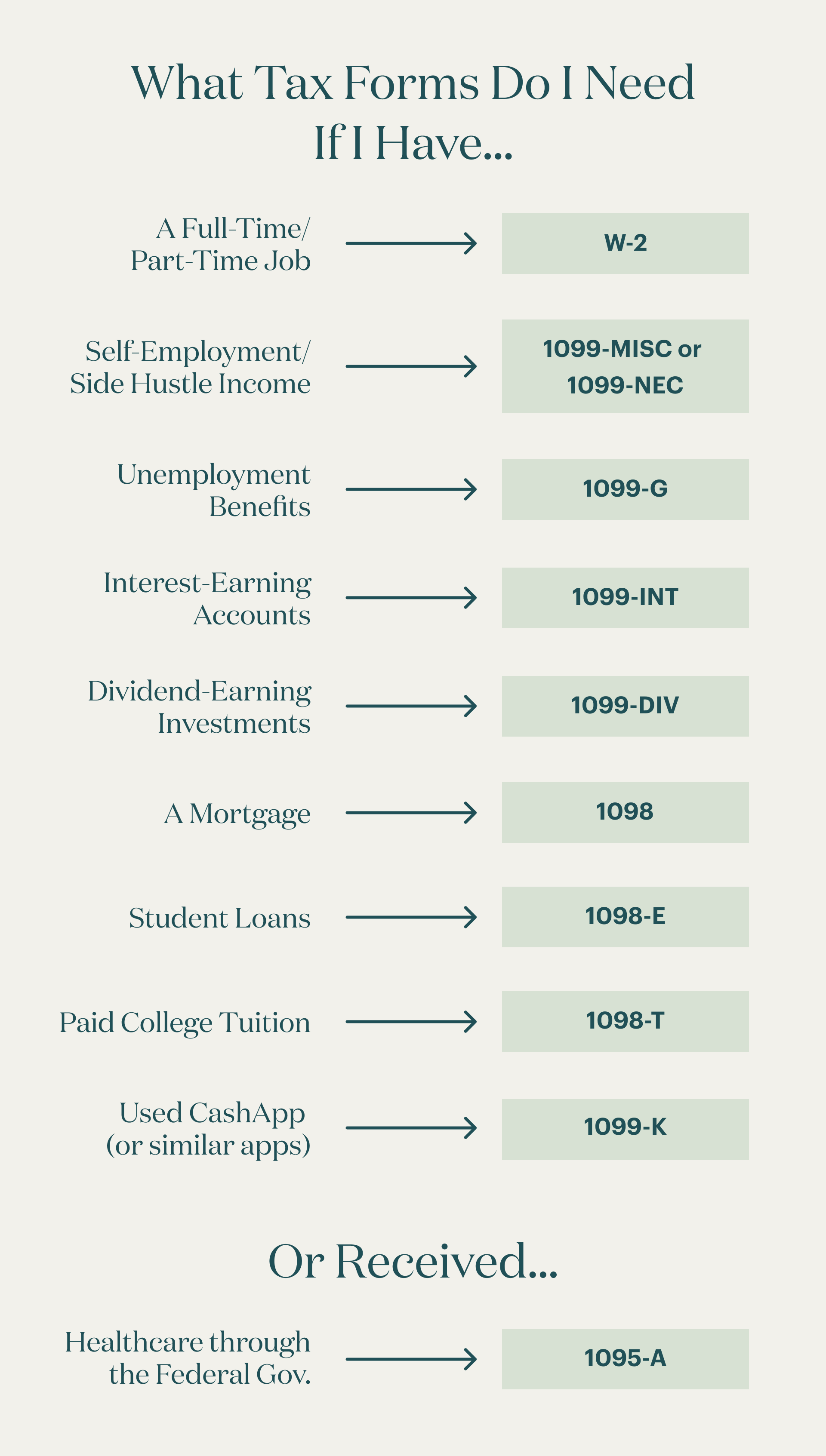
To ensure your preparer (human or software) can work effectively, you must gather all “information returns.” This includes:
- W-2s from employers.
- 1099-NEC/MISC for freelance or contract work.
- 1099-INT and 1099-DIV for interest and dividends.
- 1099-B for brokerage transactions.
- 1099-K if you received payments via third-party networks (like Venmo or PayPal) for business goods and services.
Deductions and Credits Checklist
To maximize your financial outcome, come prepared with documentation for potential deductions. This includes records of mortgage interest (Form 1098), student loan interest, charitable contribution receipts, and medical expenses if they exceed a certain percentage of your income. If you are a business owner, having an organized Profit and Loss (P&L) statement will significantly reduce the time a preparer spends on your return, which in turn reduces your bill.
Conclusion
Deciding where to get your taxes done is a strategic financial decision. If you have a simple financial profile, leveraging IRS Free File or DIY software keeps more money in your pocket. If your financial life is complex—involving investments, business ownership, or significant assets—investing in a CPA or Enrolled Agent is a wise expenditure that can prevent costly audits and identify tax-saving strategies for the future.
Ultimately, tax preparation should not be viewed merely as a compliance chore, but as an annual check-up on your financial health. By choosing the right venue and arriving prepared, you turn a stressful season into an opportunity for financial optimization and long-term wealth management.
aViewFromTheCave is a participant in the Amazon Services LLC Associates Program, an affiliate advertising program designed to provide a means for sites to earn advertising fees by advertising and linking to Amazon.com. Amazon, the Amazon logo, AmazonSupply, and the AmazonSupply logo are trademarks of Amazon.com, Inc. or its affiliates. As an Amazon Associate we earn affiliate commissions from qualifying purchases.