
In the world of global franchising and corporate identity, few names carry as much curiosity and historical weight as the “BMT.” For decades, customers walking into a Subway restaurant have ordered this flagship sandwich, often without realizing they are participating in a sophisticated piece of brand storytelling. What does the Subway BMT stand for? While the answer depends on whether you are looking at the company’s historical roots or its modern marketing strategy, the evolution of the name provides a profound case study in brand strategy, local-to-global pivoting, and the power of the “backronym.”
By deconstructing the BMT, we uncover how a brand can successfully transition from a localized tribute to an international powerhouse while maintaining a signature identity that resonates across different cultures and eras.
The Origins of the BMT: From Transit Roots to Fast-Food Iconography
To understand the BMT, one must look back to the inception of the Subway brand in the mid-1960s. When Fred DeLuca and Peter Buck opened their first submarine sandwich shop, they weren’t just selling food; they were selling a concept. The transition from “Pete’s Super Submarines” to “Subway” in 1968 was a pivotal branding decision that aligned the business with the fast-paced, urban energy of New York City, even though the first shop was in Bridgeport, Connecticut.
The New York Connection: Brooklyn-Manhattan Transit
The original meaning of BMT is “Brooklyn-Manhattan Transit.” This was a tribute to the New York City subway system, which consisted of several lines, one of the most prominent being the BMT. In the late 1960s, New York City culture was the pinnacle of urban sophistication and grit. By naming their flagship sandwich after a major transit line, DeLuca and Buck were utilizing a “borrowed equity” brand strategy. They were tethering their sandwiches to the reliability, speed, and iconic nature of the New York transit system.
This naming convention wasn’t just clever; it was a way to build a brand personality that felt established and “metropolitan,” even when the company was still in its infancy. In brand strategy, this is known as associative positioning—linking a new product to a well-known cultural entity to accelerate consumer trust.
Why Naming Matters: Building Local Relevance
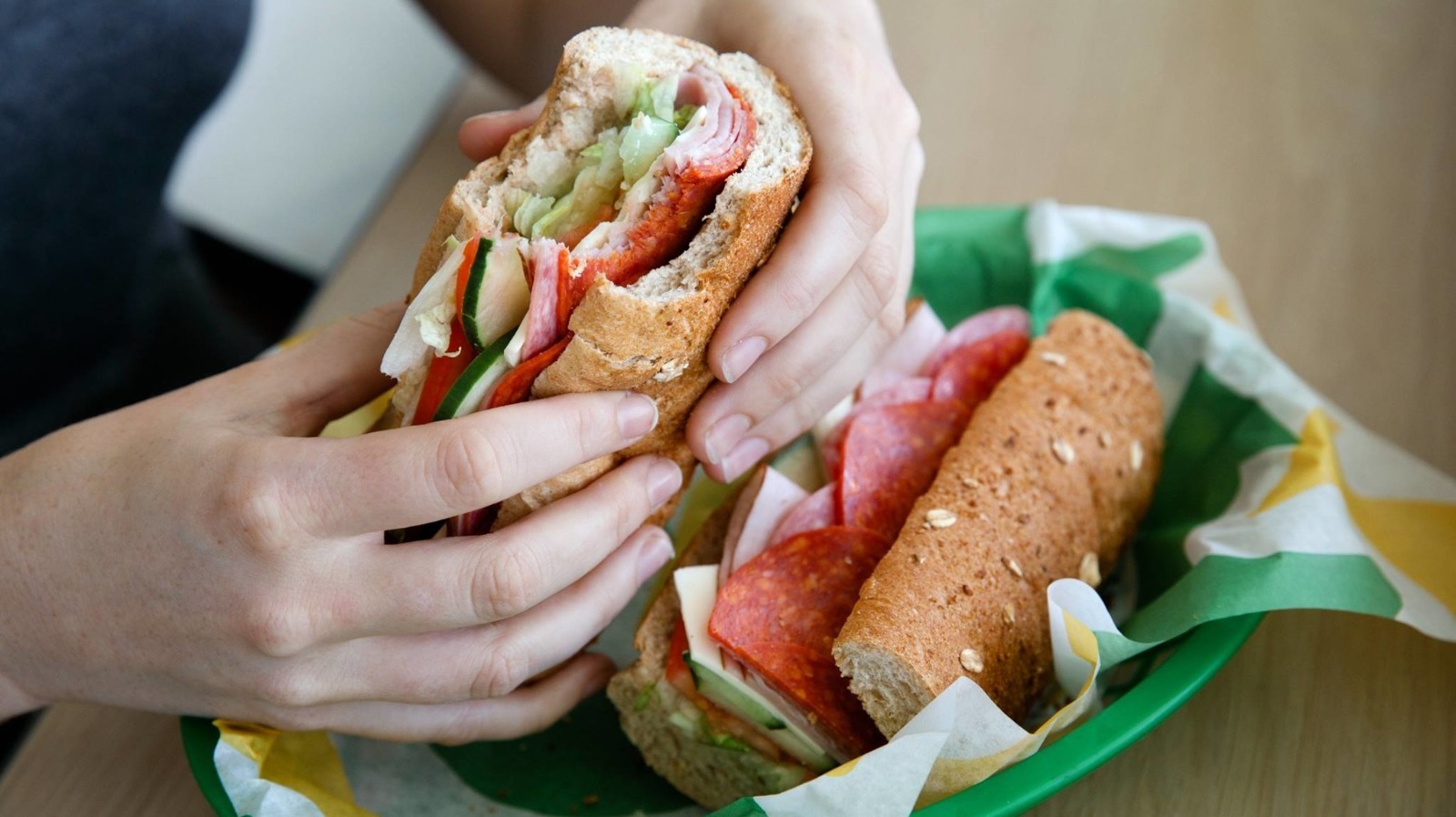
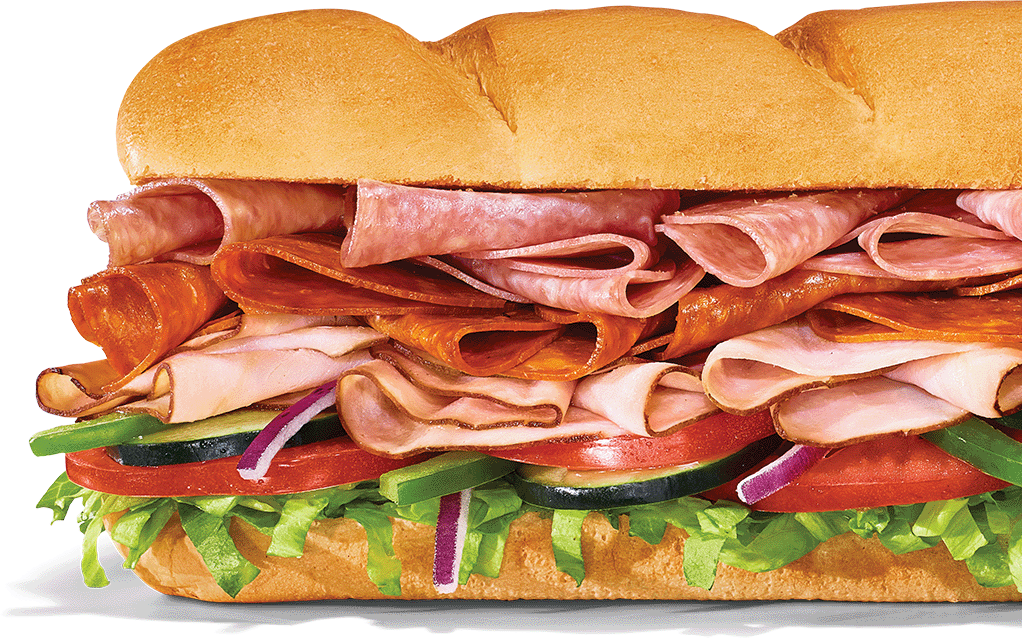
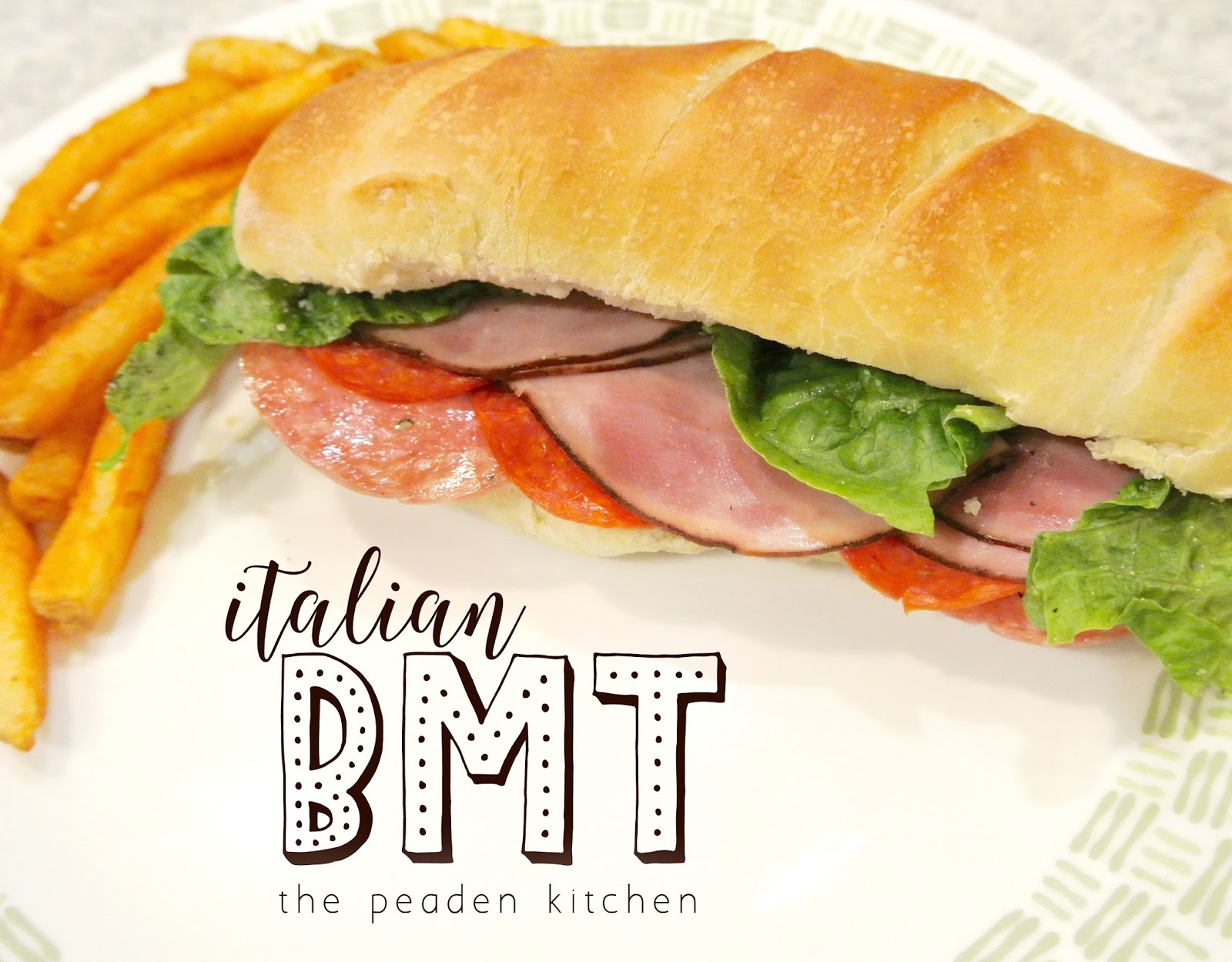
In its early years, the BMT sandwich served as a geographical anchor. Even for those who didn’t live in New York, the name “Subway” and the “BMT” sandwich evoked a specific type of deli culture. It suggested a product that was hearty, fast, and quintessentially American. The BMT—packed with pepperoni, salami, and ham—mirrored the diversity and robustness of the city it honored. This period of the brand’s history shows the importance of a strong narrative foundation. A brand is more than a logo; it is a story, and the BMT provided a narrative of urban adventure.
The Strategic Pivot: Rebranding the Acronym for a Global Audience
As Subway began its massive expansion in the 1980s and 90s, the brand faced a common challenge in corporate identity: the “geographic trap.” A name that works perfectly in the Northeastern United States may lose its meaning in California, London, or Tokyo. A customer in Sydney likely has no emotional or cognitive connection to the Brooklyn-Manhattan Transit line.
The Shift to “Biggest, Meatiest, Tastiest”
Recognizing that the “Brooklyn-Manhattan Transit” reference was becoming a liability—or at least an obscure trivia point—Subway’s marketing team executed a brilliant brand pivot. They didn’t change the name; they changed the meaning. The BMT was officially rebranded as the “Biggest, Meatiest, Tastiest” sandwich.
This is a classic example of a “backronym” (a back-formed acronym). By keeping the letters BMT, Subway preserved the brand equity they had built over decades. Long-time customers didn’t feel alienated because the product name remained the same. However, the new definition moved the brand from a historical reference to a benefit-driven message. In branding, moving from “what we are” (a transit-themed sub) to “what you get” (the biggest, meatiest, and tastiest) is a fundamental shift toward consumer-centric marketing.
Overcoming Geographic Limitations in Brand Messaging
The transition to “Biggest, Meatiest, Tastiest” allowed Subway to scale globally without losing its flagship product’s identity. This strategy highlights a key lesson in brand management: flexibility. A brand must be able to adapt its message to new markets while keeping its core identifiers intact. By redefining the acronym, Subway ensured that the BMT remained relevant in every language and territory. The superlative nature of the new definition—Biggest, Meatiest, Tastiest—is universally understood and appeals to the basic value proposition of fast food: abundance and flavor.
Brand Identity and Consumer Perception: The Power of Mystery
There is a psychological component to branding that Subway has mastered through the BMT: the “Curiosity Gap.” For years, the question “What does BMT stand for?” has been a recurring topic of conversation among consumers. This level of engagement is a marketer’s dream.
The “Secret” Menu and Word-of-Mouth Marketing
Even though the “Biggest, Meatiest, Tastiest” definition is the official corporate stance, the “Brooklyn-Manhattan Transit” origin story persists as a piece of brand lore. This duality creates a layer of depth to the brand identity. Consumers enjoy knowing “insider information.” When a brand has a history that goes beyond its current advertising, it feels more authentic and less like a manufactured corporate entity.
In the digital age, this mystery translates into organic search traffic and social media engagement. People search for the meaning of the BMT, leading them back to Subway’s history and reinforcing the brand’s longevity. This is “accidental” content marketing that keeps the brand top-of-mind.
Consistency in a Competitive Market
While other fast-food chains frequently rotate their menus or launch “limited-time offers” to stay relevant, Subway has leaned on the BMT as a pillar of consistency. In brand strategy, a signature product serves as a “north star.” Even as Subway has modernized its stores and updated its “Eat Fresh” campaign to focus on health, the BMT remains the indulgent, classic choice. This consistency builds brand loyalty; customers know exactly what they are getting when they order a BMT, regardless of whether they are in a suburban strip mall or a bustling airport.
Lessons in Brand Longevity: Maintaining Legacy While Innovating
The story of the BMT is ultimately a story of how a brand manages its legacy. It illustrates the delicate balance between honoring where a company came from and positioning itself for where it is going.
Balancing Tradition with Modern Health Trends
In the late 1990s and early 2000s, Subway pivoted its brand identity toward health and wellness, largely through the “Subway Diet” campaign. For many brands, a product like the BMT—loaded with processed meats—might have been seen as a contradiction to this new “healthy” image. However, Subway’s brand architecture allowed the BMT to exist as the “original” choice.
Strategic brand management involves managing a portfolio of products that satisfy different consumer needs. While the “Fresh Fit” meals targeted the health-conscious, the BMT remained the anchor for the traditional fast-food consumer. By not abandoning the BMT during their health-focused era, Subway avoided the mistake of alienating their core demographic.
Intellectual Property and the Value of a Signature Product
From a business finance and brand strategy perspective, the BMT is one of Subway’s most valuable pieces of intellectual property. It is a trademarked name that no competitor can use. In the crowded “Quick Service Restaurant” (QSR) industry, having a unique, three-letter identifier is an immense advantage.
The BMT serves as a case study for new brands on the importance of naming. A name should be:
- Memorable: Short and punchy.
- Adaptable: Able to take on new meanings as the company grows.
- Defensible: Legally protectable as a unique identifier.
Conclusion: The BMT as a Branding North Star
What the Subway BMT stands for is more than just a list of ingredients or a defunct New York transit line. It stands for a brand’s ability to reinvent itself without losing its soul. It represents the successful transition from a local Connecticut shop with New York aspirations to a global franchise with a presence in over 100 countries.
Through the clever use of backronyms, associative positioning, and the maintenance of brand lore, Subway has kept the BMT relevant for over fifty years. For brand strategists and marketing professionals, the BMT serves as a reminder that the best names are those that can tell a story, solve a geographic problem, and promise a specific consumer benefit—all at the same time. Whether you view it as a tribute to the Brooklyn-Manhattan Transit or as the “Biggest, Meatiest, Tastiest” sandwich on the menu, the BMT remains a masterclass in the enduring power of a well-managed brand identity.
aViewFromTheCave is a participant in the Amazon Services LLC Associates Program, an affiliate advertising program designed to provide a means for sites to earn advertising fees by advertising and linking to Amazon.com. Amazon, the Amazon logo, AmazonSupply, and the AmazonSupply logo are trademarks of Amazon.com, Inc. or its affiliates. As an Amazon Associate we earn affiliate commissions from qualifying purchases.