
In the intricate world of personal finance, your bank account number serves as a fundamental identifier, a unique sequence of digits that points directly to your specific account within a financial institution. While often overshadowed by the ubiquitous debit card number or the convenience of digital payments, knowing how to readily access your account number, alongside your bank’s routing number, is indispensable for a multitude of financial transactions. From setting up direct deposits for your paycheck, facilitating automatic bill payments, initiating wire transfers, or even simply verifying your account for various online services, this number is a cornerstone of modern financial management.
This guide will demystify the process, detailing various reliable methods to locate your bank account number and routing number. We’ll explore both traditional, tangible sources and the ever-growing digital avenues, empowering you with the knowledge to retrieve this vital information securely and efficiently whenever the need arises.
Traditional Methods: The Tried and True Ways
Before the advent of widespread digital banking, locating your bank account number often relied on physical documents and direct interaction with your bank. These methods remain entirely valid and, for some, represent the most comfortable and secure way to access their details.
On Your Checks
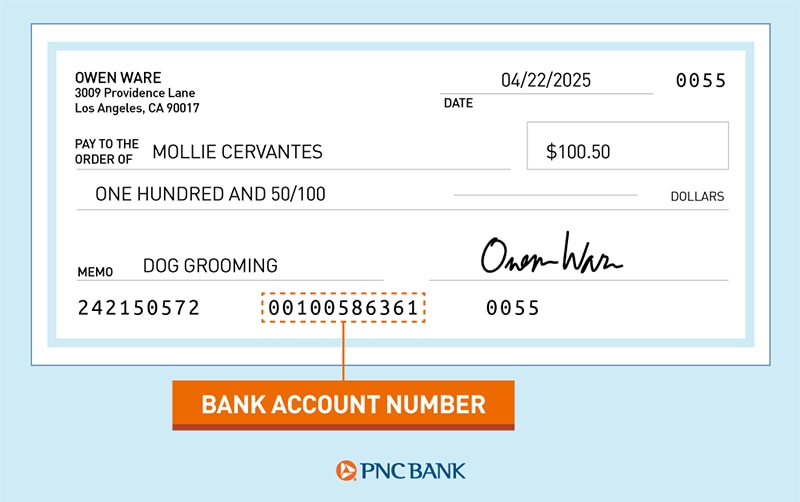
Perhaps the most classic and straightforward method, your personal checks are a treasure trove of your account information. Look at the bottom edge of any printed check from your checkbook. You will typically find three sets of numbers, separated by special symbols.
- The Routing Number: This is almost always the first set of nine digits on the left. It identifies your financial institution, telling other banks where to send money. It’s often referred to as the ABA (American Bankers Association) routing transit number.
- Your Account Number: This is usually the middle set of numbers. Its length can vary by bank, but it’s the specific identifier for your individual account.
- The Check Number: The last set of numbers, often on the far right, is simply the unique number for that particular check.
While incredibly convenient, remember that sharing a blank or cancelled check can reveal both your account and routing numbers, so always exercise caution when providing this information.
Physical Bank Statements
Your monthly or quarterly bank statements, whether received via postal mail or printed from an online portal, are another reliable source. Your account number is prominently displayed on these documents, usually near your name and address at the top or within the account summary section.
Keeping physical bank statements secure is crucial, as they contain a wealth of personal and financial information. Shred them thoroughly before discarding to prevent identity theft.
Visiting a Bank Branch
For those who prefer a face-to-face interaction or if other methods prove challenging, a visit to your local bank branch is a guaranteed way to obtain your account number. Simply present a valid form of identification (such as a driver’s license or passport) to a teller or customer service representative. They will be able to look up your account details and provide you with the necessary information, often printing it out for your records. This method offers the highest level of security and personal verification.
Digital Convenience: Accessing Your Details Online
In today’s digital age, your bank account information is often just a few clicks or taps away, accessible through secure online platforms and mobile applications.
Online Banking Portal
Your bank’s online banking website is arguably the most common and convenient way to find your account number. After logging in securely with your username and password, navigate to your account summary or a specific account details page. Most banks will display your full account number and routing number clearly in this section. If it’s not immediately visible, look for options like “Account Details,” “Statement & Documents,” or “View Account Info.” Some banks might partially mask your account number for security purposes, showing only the last few digits, but will offer an option to “reveal” the full number after additional verification.
Always ensure you are on your bank’s official website (check the URL) and use a secure, private internet connection when accessing your financial information online.
Mobile Banking Applications
The vast majority of banks now offer robust mobile banking apps that put your financial information at your fingertips. Similar to the online banking portal, once you’ve logged into your bank’s official mobile app, you can usually find your account number by selecting the specific account you’re interested in and then looking for “Account Details,” “Account Info,” or a similar option.

Mobile apps often integrate additional security features like fingerprint or facial recognition, making access both convenient and secure. However, ensure your mobile device itself is protected with a strong passcode and up-to-date security software.
Digital Bank Statements
Even if you opt for paperless billing, you can typically access your digital bank statements through your online banking portal or mobile app. These PDF documents are digital replicas of their physical counterparts and will contain your account number in the same prominent locations. Downloading and saving these statements to a secure, encrypted folder on your computer can be a good way to keep a record of your account details.
When All Else Fails: Direct Assistance
If you’ve exhausted the self-service options or prefer direct communication, your bank’s customer service channels are always available to help.
Contacting Customer Service
You can usually find your bank’s customer service number on their official website, on the back of your debit card, or on a recent bank statement. When you call, be prepared to answer several security questions to verify your identity. This typically includes details like your full name, address, date of birth, social security number, and possibly recent transaction history. Once your identity is confirmed, the representative will be able to provide your account and routing numbers. Never provide sensitive information to unsolicited callers; always initiate the call yourself.
Understanding Your Account and Routing Numbers
While often discussed together, it’s crucial to understand the distinct roles of your account number and routing number.
The Account Number
This is your unique identifier within the bank. It tells the bank exactly which individual account (e.g., checking, savings, money market) belongs to you. Its length can vary significantly between financial institutions, typically ranging from 8 to 12 digits, but sometimes more. You will need your account number for almost any transaction that involves direct debits or credits to your specific bank account, such as setting up direct deposit, linking third-party payment apps, or paying bills directly from your bank.
The Routing Number
Also known as an ABA routing transit number, this nine-digit code identifies the financial institution itself. When funds are transferred between different banks (e.g., an ACH transfer or a wire transfer), the routing number ensures that the money reaches the correct bank, after which your account number directs it to your specific account within that bank. Most banks have a single routing number for all standard transactions (like direct deposits and bill payments), but some may have different routing numbers for specific purposes, such as wire transfers, which may vary by region or branch. Always verify the correct routing number for the specific type of transaction you are performing. You can usually find your bank’s routing number on their official website, on your checks, or within your online banking portal.
Security Best Practices for Your Financial Information
While knowing how to find your account number is important, equally vital is understanding how to protect it. Your bank account number, especially when combined with your routing number, is sensitive information that could potentially be used for fraudulent activities if it falls into the wrong hands.
Protecting Your Account Details
- Be Discerning with Sharing: Only provide your account number and routing number to trusted entities and for legitimate purposes, such as your employer for direct deposit, utility companies for automatic payments, or government agencies.
- Beware of Phishing Scams: Never click on suspicious links or respond to unsolicited emails, texts, or phone calls asking for your bank account information. Banks will never ask for your full account number or password via email or text.
- Secure Online Accounts: Always use strong, unique passwords for your online banking portal and mobile app. Enable two-factor authentication (2FA) whenever available, which adds an extra layer of security by requiring a second verification step (like a code sent to your phone).
- Shred Sensitive Documents: Properly dispose of old bank statements, cancelled checks, and other documents containing your account information by shredding them.
- Monitor Your Accounts: Regularly review your bank statements and transaction history for any unauthorized activity. Report discrepancies to your bank immediately.
Verifying Recipients
Before initiating any transfers or payments, double-check that you have the correct account and routing numbers for the intended recipient. A simple typo could send your money to the wrong person, and recovery can be difficult or impossible. If you are sending money to a new recipient, consider making a small test transfer first.

Conclusion
Knowing where and how to find your bank account number and routing number is a fundamental aspect of effective personal financial management. Whether you prefer the tangible security of a physical check, the convenience of digital banking portals, or the reassurance of direct communication with your bank, multiple reliable avenues exist to access this critical information. By understanding these methods and diligently adhering to security best practices, you can navigate your financial life with confidence, ensuring that your money moves where it needs to go, safely and efficiently. Proactive financial literacy, including the simple act of knowing your account details, forms the bedrock of a secure and empowered financial future.
aViewFromTheCave is a participant in the Amazon Services LLC Associates Program, an affiliate advertising program designed to provide a means for sites to earn advertising fees by advertising and linking to Amazon.com. Amazon, the Amazon logo, AmazonSupply, and the AmazonSupply logo are trademarks of Amazon.com, Inc. or its affiliates. As an Amazon Associate we earn affiliate commissions from qualifying purchases.