
The IRS Form 1040 is arguably the most important document in the landscape of American personal finance. Known officially as the U.S. Individual Income Tax Return, this form is more than just a seasonal requirement; it is a definitive record of your financial health, earnings, and obligations to the federal government. Whether you are looking for a blank form to file your current taxes, or you need a copy of a previously filed return to secure a mortgage or apply for student financial aid, knowing exactly where to find your 1040 is a vital skill in financial literacy.
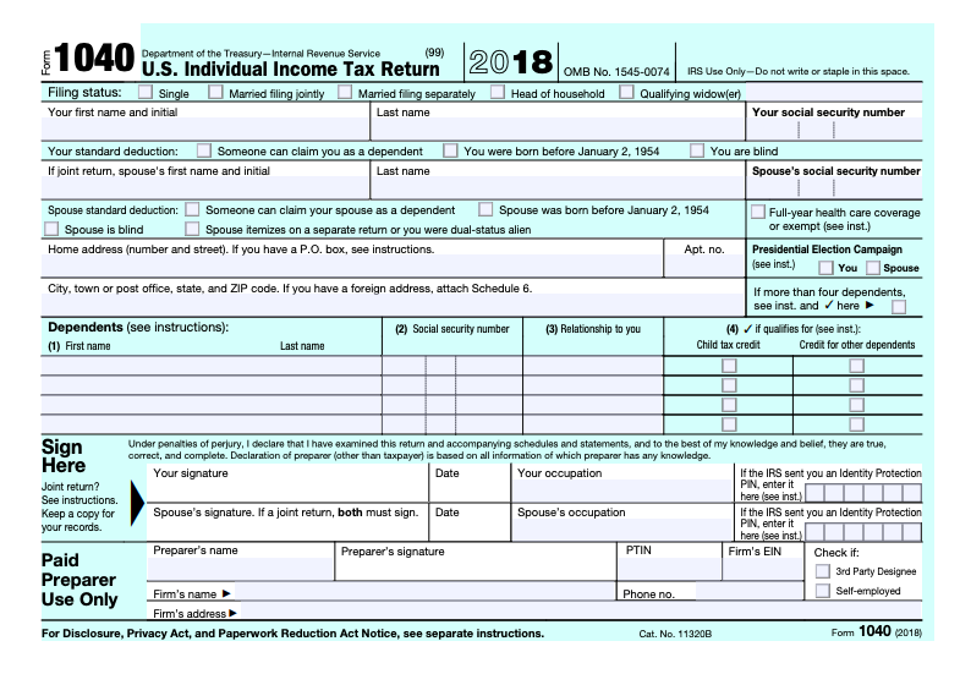
In this guide, we will explore the primary channels for obtaining current and historical 1040 forms, the distinction between tax returns and tax transcripts, and why maintaining a secure digital archive of these documents is a cornerstone of professional money management.
1. Accessing Current Year Forms and Instructions
For those preparing to file their taxes for the most recent fiscal year, obtaining a blank Form 1040 is the first step. While the world has moved largely toward digital solutions, there are still several reliable ways to access the necessary paperwork, ranging from official government portals to physical community locations.
The IRS Official Website (IRS.gov)
The most direct and reliable source for Form 1040 and its various schedules (such as Schedule C for business income or Schedule D for capital gains) is the Internal Revenue Service website. The IRS provides high-resolution, fillable PDF versions of the 1040 that can be downloaded and printed. Navigating to the “Forms and Instructions” section of the site ensures you are receiving the most up-to-date version, incorporating the latest tax law changes and inflation adjustments.
Tax Preparation Software Providers
If you utilize platforms like TurboTax, H&R Block, or FreeTaxUSA, you do not necessarily need to “find” a 1040 independently. These software solutions integrate the form into their user interface. Once you complete the guided questionnaire, the software automatically populates the 1040 for you. In these cases, you can download a “preview” or a final PDF version of your 1040 directly from the software’s dashboard before or after you hit the “submit” button.
Physical Locations and Mail Services
For taxpayers who prefer or require hard copies, the IRS still maintains a presence in local communities. Many public libraries and post offices carry a stock of Form 1040 and the basic instruction booklets during the peak tax season (January through April). Additionally, the IRS offers a service where you can request forms to be sent to you by mail. By calling 1-800-TAX-FORM, you can order specific forms and instructions, though you should allow at least 10 business days for delivery.
2. Retrieving Past Tax Returns and Historical Data
It is common for financial institutions to request your “last two years of tax returns” during a significant financial transaction, such as a home purchase or a business loan application. If you did not save a copy at the time of filing, retrieving this information requires navigating the IRS’s archival systems.
The “Get Transcript” Tool
For most financial purposes—including mortgage applications and FAFSA (Free Application for Federal Student Aid) verification—a tax transcript is sufficient. The IRS “Get Transcript” tool is an online service that allows you to view, print, or download your tax transcripts immediately. A transcript summarizes your return information and includes your Adjusted Gross Income (AGI), which is often the specific figure lenders are looking for. To use this tool, you must verify your identity through ID.me, a secure third-party credential service.
Requesting an Exact Copy via Form 4506
There is a critical difference between a transcript and a copy of your return. A transcript is a summary; a copy is an exact reproduction of the actual Form 1040 you filed, including all attachments and signatures. If you need the actual Form 1040 from a previous year and your tax preparer no longer has it, you must file IRS Form 4506, “Request for Copy of Tax Return.” Be aware that this process involves a fee (currently around $43 per return) and can take up to 75 calendar days to process. This is the “emergency” route used when a transcript simply won’t suffice for legal or complex financial audits.
Third-Party Tax Preparers
If you worked with a Certified Public Accountant (CPA) or a professional tax preparation service, they are legally required to keep a copy of your tax returns for a specific period (usually three to seven years depending on state laws and professional standards). Reaching out to your former preparer is often the fastest way to get a PDF of a past 1040 without having to navigate government wait times.
3. The Role of the 1040 in Personal Finance and Lending
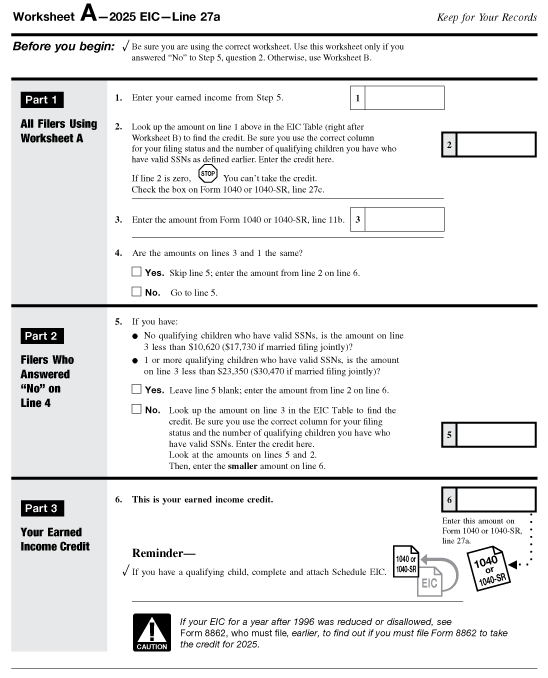
Understanding “where” to get your 1040 is secondary to understanding “why” it is requested. In the world of money management, the 1040 is the ultimate proof of income. It serves as a verified snapshot of your financial life that carries the weight of federal law.
Mortgage Underwriting and Debt-to-Income Ratios
When you apply for a mortgage, lenders use your 1040 to calculate your Debt-to-Income (DTI) ratio. They aren’t just looking at your W-2 wages; they are looking at Line 11 (Adjusted Gross Income) and Line 15 (Taxable Income). For self-employed individuals, the 1040 is even more critical, as it reflects business expenses and net profit. Without a readily available 1040, the underwriting process can grind to a halt, potentially costing you a locked interest rate or a home purchase.
Financial Aid and Education Planning
For families with students heading to college, the 1040 is the backbone of the FAFSA. The Department of Education uses the data from your tax return to determine the Student Aid Index (SAI). Having your 1040 on hand allows you to accurately input your financial data, ensuring that you receive the maximum amount of grants, work-study, and loans for which you are eligible.
Business Valuation and Personal Branding
For entrepreneurs, the 1040 (specifically Schedule C or K-1s attached to it) is a primary document used during business valuations. If you are looking to sell a side hustle or bring on an investor, your personal tax returns provide a historical track record of the business’s profitability. In the niche of personal branding and “solopreneurship,” your 1040 is the ultimate “receipt” for your success, proving that your revenue claims are backed by reported earnings.
4. Security and Digital Organization of Financial Documents
Because the 1040 contains your Social Security Number, address, and detailed income information, it is a high-value target for identity thieves. Managing where you keep these forms is just as important as knowing where to get them.
Secure Cloud Storage vs. Physical Files
In modern personal finance, a hybrid approach to record-keeping is often best. You should maintain a digital “Financial Vault” using encrypted cloud storage (such as a password-protected folder in Dropbox, Google Drive, or a dedicated vault like 1Password). Scanned copies of your 1040 should be named clearly by year (e.g., “2023Form1040Final.pdf”). If you prefer physical copies, they should be kept in a fireproof and waterproof safe.
Protecting Your Data During Retrieval
When downloading your 1040 from the IRS or a tax software site, avoid using public Wi-Fi. Financial data transmission should only occur over a secured, private network. Furthermore, once you have downloaded your 1040 to a local device, ensure that the file is not left in a general “Downloads” folder where other apps or users might access it. Move it immediately to your encrypted storage and delete the unencrypted original.
The Seven-Year Rule
A common question in money management is: “How long should I keep my 1040?” The general rule of thumb is seven years. While the IRS usually has three years to audit a return, they have up to six years if they suspect you underreported your income by more than 25%. Keeping your 1040s for a seven-year cycle ensures you are protected in the event of an inquiry and provides a long-term perspective on your wealth-building journey.
5. Troubleshooting Common Retrieval Issues
Even with the right tools, getting your 1040 can sometimes be a challenge due to administrative hurdles or security protocols.
Identity Verification Hurdles
The IRS has significantly increased its security, now requiring the ID.me verification process. This involves uploading a government ID and performing a “video selfie.” If you are unable to pass this digital verification, you may be unable to access the “Get Transcript” tool. In this case, you must revert to the manual process of requesting a transcript by mail using Form 4506-T, which does not require the same digital biometric verification but takes longer.
Discrepancies in Data
Sometimes, the 1040 you have on file might not match the IRS records—perhaps due to an amended return (Form 1040-X). If you are looking for your 1040 to resolve a discrepancy, always look for the “Tax Account Transcript” rather than the “Tax Return Transcript.” The Account Transcript shows any later changes made by you or the IRS, providing a more accurate picture of your current standing with the Treasury.

Lost Access to Tax Software
If you used a “Free File” or discount software years ago and can no longer log in, don’t panic. You are not beholden to that specific company. You can always go directly to the IRS to retrieve your data. Your relationship with the IRS is the primary one; the software is merely a conduit.
In conclusion, your Form 1040 is more than just a piece of paper; it is a vital instrument in your financial toolkit. Whether you are downloading it for the current year, retrieving it from the archives for a major life purchase, or securing it against potential threats, staying informed on how to manage this document is essential. By treating the 1040 with the professional attention it deserves, you ensure that your financial foundation remains solid, transparent, and ready for whatever opportunities or challenges the future may hold.
aViewFromTheCave is a participant in the Amazon Services LLC Associates Program, an affiliate advertising program designed to provide a means for sites to earn advertising fees by advertising and linking to Amazon.com. Amazon, the Amazon logo, AmazonSupply, and the AmazonSupply logo are trademarks of Amazon.com, Inc. or its affiliates. As an Amazon Associate we earn affiliate commissions from qualifying purchases.