
In today’s dynamic financial landscape, the need for a loan can arise from countless scenarios: an unexpected medical emergency, a car repair, a home renovation project, consolidating high-interest debt, or even funding a new business venture. When these moments strike, the immediate question that often comes to mind is, “Where can I get loans near me?” This seemingly straightforward query opens up a complex web of financial solutions, each with its own advantages, disadvantages, and suitability for different individual circumstances.
Navigating the world of borrowing can feel daunting, but understanding the various options available, from traditional brick-and-mortar institutions to the burgeoning realm of online lenders, is the first step toward making an informed and responsible decision. This comprehensive guide will dissect the diverse avenues for securing a loan, focusing on accessibility, key considerations, and how to choose the right financial partner for your needs. We’ll explore not just where to find loans but also what to look for, ensuring you’re empowered to make choices that align with your financial well-being.

Understanding Your Borrowing Needs and Loan Types
Before embarking on the search for a lender, it’s crucial to first understand the specific type of loan that best fits your situation. Not all loans are created equal, and each serves a distinct purpose with varying terms, interest rates, and eligibility criteria. Identifying your need accurately will significantly narrow down your options and streamline your search for “loans near me.”
Personal Loans: Unsecured Flexibility
Personal loans are perhaps the most versatile and commonly sought-after loan type for a wide array of purposes, from debt consolidation and medical bills to home improvements and large purchases. Typically, these are unsecured loans, meaning they do not require collateral like a car or house. Lenders assess your creditworthiness primarily based on your credit score, income, and debt-to-income ratio.
- Pros: Flexible use of funds, fixed interest rates, predictable monthly payments, can help improve credit score with timely payments.
- Cons: Higher interest rates than secured loans (due to lack of collateral), strict credit requirements.
Secured Loans: Leveraging Assets
In contrast to personal loans, secured loans require collateral. This could be a car (auto loan), a house (mortgage or home equity loan/line of credit), or even savings accounts or certificates of deposit (CD-secured loans). The collateral acts as security for the lender, reducing their risk and often resulting in lower interest rates compared to unsecured options.
- Pros: Lower interest rates, easier to qualify for even with less-than-perfect credit, larger borrowing amounts often available.
- Cons: Risk of losing the asset if you default on payments, funds are often tied to the collateral (e.g., auto loans for cars).
Specialty Loans: Addressing Specific Circumstances
Beyond general personal and secured loans, several specialized loan products cater to unique, often urgent, financial needs. While some can be lifesavers, others come with significant risks and should be approached with extreme caution.
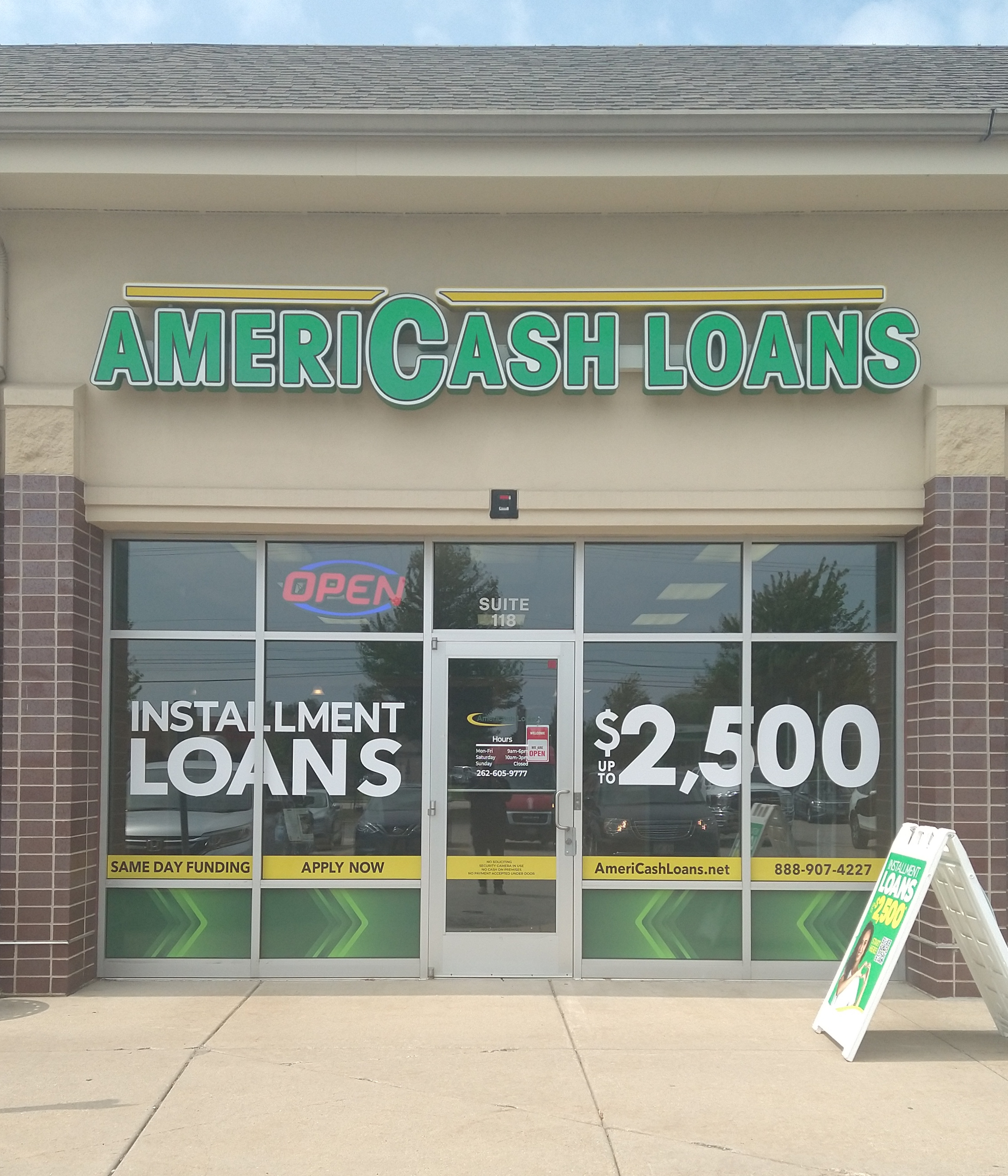
- Payday Loans: Designed for short-term, small-dollar needs, typically repaid on your next payday. While seemingly convenient, they are notorious for extremely high interest rates (APR can be in the triple digits) and can lead to a cycle of debt. Often found in local storefronts advertising “cash advance near me.”
- Title Loans: Secured by your vehicle’s title, allowing you to borrow against its value. Like payday loans, they carry very high interest rates and the significant risk of losing your car if you cannot repay the loan.
- Installment Loans: A broad category, but often refers to short-to-medium term loans with fixed payments over a set period. These can be secured or unsecured and are a common alternative to payday loans, usually with more manageable terms.
Understanding these distinctions is paramount. While a “loan near me” might be convenient, ensuring it’s the right type of loan for your long-term financial health is even more critical.
Traditional Lenders: The Local Connection
When people think of “loans near me,” their minds often first turn to the familiar brick-and-mortar institutions that have been cornerstones of local communities for generations: banks and credit unions. These traditional lenders offer a sense of security, personalized service, and a physical presence that many borrowers value.
Banks: Established Institutions and Relationship Banking
National and regional banks like Chase, Bank of America, Wells Fargo, and many others, are major providers of various loan products, including personal loans, mortgages, auto loans, and business loans. Their extensive branch networks make them highly accessible for those seeking a “loan near me.”
- Pros: Wide range of products, established reputation, potential for relationship-based lending (if you already bank with them), strong digital banking platforms often complement physical branches.
- Cons: Stricter eligibility criteria, potentially less flexible than smaller lenders, may prioritize higher-credit borrowers. For complex situations, the process can sometimes feel bureaucratic.
Credit Unions: Member-Focused Financial Services
Credit unions are non-profit financial cooperatives owned by their members. Their primary mission is to serve their members, often translating to more favorable terms, lower interest rates, and fees compared to traditional banks. Membership is typically based on a common bond, such as employment, geographic location, or community affiliation.
- Pros: Often lower interest rates and fees, more personalized customer service, more flexible underwriting for members, profit-sharing benefits, and a community-centric approach.
- Cons: Membership requirements (though many are open to broad communities), potentially smaller branch networks than major banks, sometimes fewer advanced digital features.
The “Near Me” Advantage: Local Branches and Personalized Support
The key benefit of traditional lenders, especially for the “near me” aspect, is the ability to walk into a local branch, speak directly with a loan officer, and receive personalized guidance. This human touch can be invaluable for complex financial situations or for those who prefer face-to-face interaction. A local branch can help you understand local economic nuances, provide insights specific to your area, and facilitate a smoother application process by having a dedicated point of contact. This personal connection can build trust and provide comfort, particularly for first-time borrowers or those who appreciate a tangible presence for their financial institution.
The Digital Frontier: Online Lenders and Fintech Solutions
The internet has revolutionized the lending industry, introducing a new breed of lenders that prioritize speed, convenience, and accessibility. Online lenders, often part of the broader fintech movement, have made it possible to apply for and receive loan funds without ever stepping foot into a physical branch. This has significantly expanded the answer to “where can I get loans near me,” bringing lenders from across the country directly to your computer or smartphone.
Online Lenders: Speed, Convenience, and Wider Reach
Online lenders operate solely (or primarily) through digital platforms, offering a streamlined application process that can often provide approval and funding within days, sometimes even hours. They often leverage sophisticated algorithms to assess creditworthiness, allowing them to serve a broader spectrum of borrowers, including those with fair or limited credit history who might be overlooked by traditional banks.
- Pros: Fast application and approval process, convenient (apply from anywhere), potentially more lenient credit requirements, competitive rates due to lower overheads, 24/7 access.
- Cons: Less personalized service, may have higher interest rates for higher-risk borrowers, potential for scams (requiring due diligence from the borrower).
Loan Aggregators and Comparison Sites: Streamlining Your Search
A significant innovation in online lending is the emergence of loan aggregators and comparison sites (e.g., NerdWallet, Credit Karma, LendingTree). These platforms do not directly lend money but rather allow borrowers to submit a single application and receive pre-qualified offers from multiple lenders. This enables easy comparison of interest rates, terms, and fees from various providers, effectively bringing dozens of “loan near me” options to one centralized location.
- Pros: Saves time by avoiding multiple applications, offers a wide range of options for comparison, allows for “soft” credit pulls that don’t harm your credit score, transparency in comparing offers.
- Cons: May include lenders with less favorable terms, requires careful review to understand each offer fully, some partners might not be the best fit for every borrower.
Peer-to-Peer Lending: Alternative Funding Models
Peer-to-peer (P2P) lending platforms (e.g., Prosper, LendingClub) connect individual borrowers directly with individual investors, bypassing traditional financial institutions entirely. Investors fund portions of loans, and borrowers make repayments to the platform, which then distributes funds to investors. This model can offer competitive rates for borrowers with good credit and provide access to capital for those who might struggle with traditional avenues.
- Pros: Potentially lower interest rates, more flexible terms, can be accessible to a wider range of credit profiles.
- Cons: Funding can sometimes be slower as it depends on investor interest, platforms are less regulated than traditional banks, variable interest rates can sometimes be higher than expected.
Key Considerations Before You Apply
Finding a potential lender is only half the battle. Before committing to any loan, a thorough evaluation of the offer and your financial capacity is essential. This due diligence ensures you secure a loan that is not only accessible but also sustainable for your budget.
Credit Score and Its Impact
Your credit score (FICO, VantageScore) is a critical determinant of your loan eligibility and the interest rate you’ll receive. A higher score signifies lower risk to lenders, leading to better terms. It’s wise to check your credit score and report before applying to understand where you stand and address any inaccuracies. Lenders will perform a hard inquiry, which can temporarily lower your score, so it’s best to apply when you’re prepared.
Interest Rates, Fees, and Annual Percentage Rate (APR)
This is arguably the most important financial aspect to scrutinize.
- Interest Rate: The percentage charged on the principal amount borrowed.
- Fees: Look out for origination fees (charged for processing the loan), late payment fees, prepayment penalties, and application fees.
- APR (Annual Percentage Rate): This is the total cost of borrowing, including both the interest rate and any fees, expressed as a single percentage. APR provides a more accurate comparison between different loan offers than the interest rate alone. Always compare APRs when evaluating options.
Repayment Terms and Affordability
Consider the loan term (length of time to repay the loan) and how it affects your monthly payments. A shorter term means higher monthly payments but less interest paid over the life of the loan. A longer term results in lower monthly payments but more interest overall. Ensure the monthly payment is comfortably within your budget, allowing you to meet other financial obligations and maintain a healthy savings buffer.
Lender Reputation and Customer Service
Beyond numbers, the reputation of the lender and the quality of their customer service matter. Research reviews, check for complaints with the Better Business Bureau or Consumer Financial Protection Bureau, and assess their responsiveness. A reputable lender will be transparent about terms, responsive to questions, and supportive throughout your loan journey. Be wary of lenders promising guaranteed approval regardless of credit, as these are often predatory.
The Application Process and Responsible Borrowing
Once you’ve identified a suitable loan type and potential lenders, the application process typically involves submitting personal and financial information. However, the journey doesn’t end with approval; responsible borrowing practices are crucial for financial health.
Required Documentation and Eligibility Criteria
Regardless of whether you choose a traditional or online lender, you’ll generally need to provide:
- Proof of Identity: Government-issued ID (driver’s license, passport).
- Proof of Income: Pay stubs, tax returns, bank statements.
- Proof of Address: Utility bill, lease agreement.
- Bank Account Information: For fund disbursement and repayment.
- Social Security Number: For credit checks.
Eligibility criteria will vary by lender but generally include a minimum credit score, income requirements, and a debt-to-income ratio limit. Some lenders might have specific requirements like minimum time in current employment or residency.
Evaluating Loan Offers: Beyond the Headline Rate
When you receive loan offers, don’t just look at the lowest advertised interest rate. Dive into the full loan agreement, scrutinizing the fine print for hidden fees, specific repayment terms, and any restrictive clauses.
- Understand the total cost: Calculate the total amount you’ll repay over the loan term, including all interest and fees.
- Compare monthly payments: Ensure these are manageable within your budget.
- Check for flexibility: Are there options for early repayment without penalty? What are the provisions for hardship?
- Read reviews: See what other customers say about their experience with the lender.
Building a Strong Financial Future Through Prudent Borrowing
Securing a loan is a significant financial decision, and doing so responsibly can actually bolster your financial future. Timely payments on a well-chosen loan can improve your credit score, opening doors to better rates on future credit products. Conversely, defaulting on a loan can severely damage your credit and lead to long-term financial distress.
Before taking on any debt, ask yourself:
- Is this loan truly necessary? Can I achieve my goal through savings or other means?
- Can I comfortably afford the monthly payments? Build a realistic budget that includes the loan payment.
- Do I understand all the terms and conditions? Don’t hesitate to ask questions.
Ultimately, finding “loans near me” isn’t just about geographical proximity or quick access to funds. It’s about finding a financial solution that aligns with your specific needs, offers fair and transparent terms, and supports your journey toward financial stability and growth. By thoroughly researching your options, understanding the implications, and borrowing prudently, you can leverage loans as a powerful tool to achieve your financial goals.
aViewFromTheCave is a participant in the Amazon Services LLC Associates Program, an affiliate advertising program designed to provide a means for sites to earn advertising fees by advertising and linking to Amazon.com. Amazon, the Amazon logo, AmazonSupply, and the AmazonSupply logo are trademarks of Amazon.com, Inc. or its affiliates. As an Amazon Associate we earn affiliate commissions from qualifying purchases.