
In an increasingly challenging economic landscape, the question “where can I get free food near me?” is not merely a query born of destitution but often a proactive step towards astute personal finance and resource optimization. For millions, access to affordable, nutritious food is a significant budget item, and finding free alternatives can provide substantial financial relief, allowing funds to be reallocated to other critical needs like housing, healthcare, or debt reduction. This comprehensive guide aims to demystify the process of locating free food resources, transforming a potentially daunting search into an empowering journey towards greater financial resilience and food security.
Seeking assistance with food is a responsible financial decision, not a sign of failure. It reflects an awareness of available community resources and a commitment to managing one’s budget effectively. Whether you’re facing a temporary financial setback, living on a fixed income, or simply looking to stretch your household budget further, understanding the diverse avenues for obtaining free food can be a game-changer. This article will delve into the various programs, organizations, and innovative community initiatives designed to ensure that everyone has access to nutritious meals, without compromising their financial stability.
Navigating Local Food Assistance Programs
The cornerstone of food security in many communities lies in a network of local assistance programs. These initiatives are often the first and most accessible points of contact for individuals and families seeking immediate food support. Understanding their structure, eligibility requirements, and operational models is crucial for effective utilization.
Food Banks and Pantries
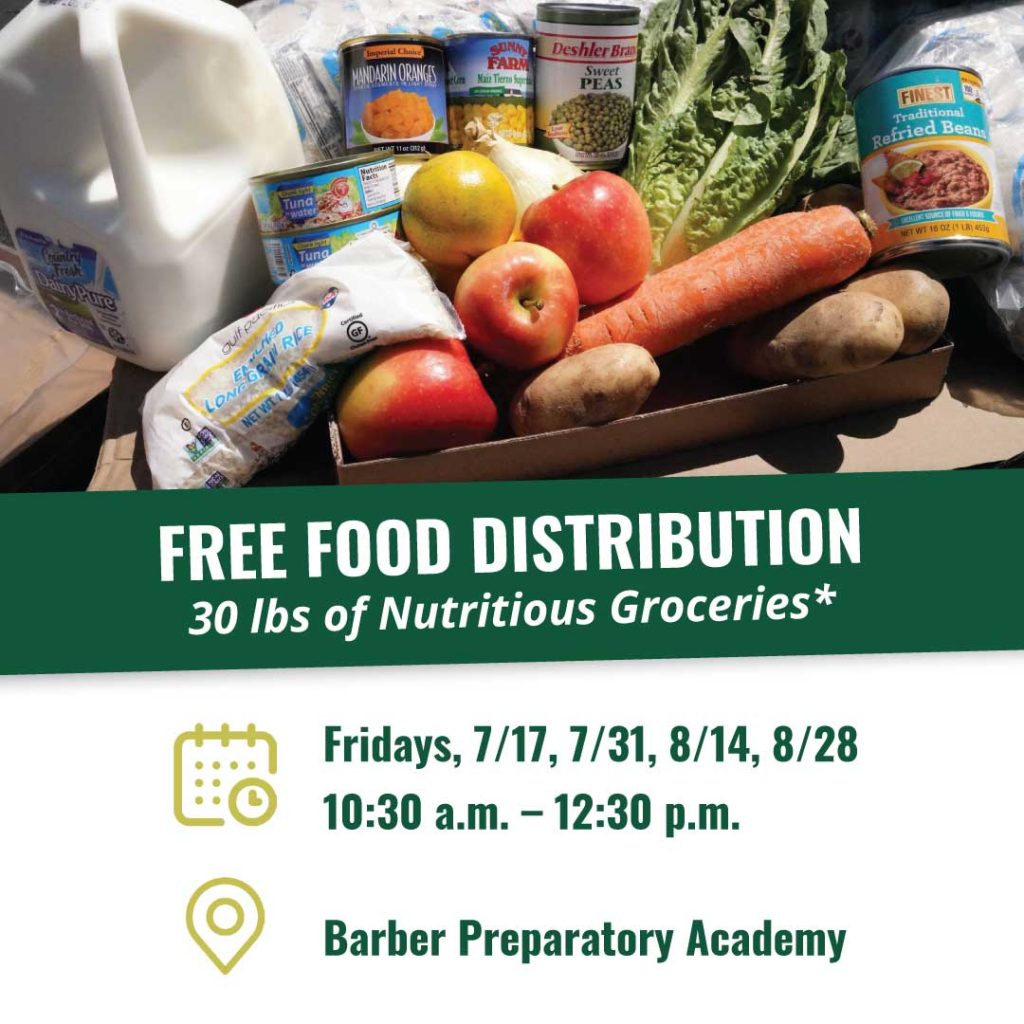
Food banks are large, charitable organizations that collect donated food from various sources—farms, manufacturers, retailers, and public food drives—and then distribute it to smaller, local food pantries. These pantries, often run by churches, community centers, or non-profits, are the direct service providers, offering groceries to individuals and families in need. To access a food pantry, you typically need to visit during their operational hours, and some may require proof of residency or income, though many prioritize immediate need over stringent paperwork. The food provided often includes non-perishable staples, fresh produce, dairy, and sometimes even meat, helping to supplement weekly grocery shopping and alleviate significant financial pressure.
Soup Kitchens and Community Meals
Soup kitchens and community meal programs offer prepared meals in a communal setting. Unlike food pantries, which provide groceries for home preparation, these establishments serve hot, ready-to-eat meals, making them invaluable for individuals who lack cooking facilities or are experiencing homelessness. They often operate on a drop-in basis, requiring no appointments or eligibility criteria, making them highly accessible. Beyond the nutritional aspect, soup kitchens also foster a sense of community and provide a safe space for social interaction, addressing both physical and emotional well-being—a holistic approach to supporting individuals in need, which indirectly contributes to reduced stress and improved focus on other financial goals.
School-Based and Summer Food Programs
Children are particularly vulnerable to food insecurity, and their access to nutritious meals directly impacts their development and academic performance. Many schools offer free or reduced-price meal programs during the academic year, ensuring that eligible students receive breakfast and lunch. Critically, this support doesn’t end when school does. Summer food service programs (SFSP), often run by local schools or community organizations, provide free meals to children and teens during summer breaks. These programs are vital for families on tight budgets, as they reduce the financial burden of feeding children throughout the day when school meals are unavailable, allowing parents to better manage their overall household expenses.
Leveraging Government and Non-Profit Initiatives
Beyond immediate local assistance, a broader framework of government and larger non-profit programs exists to address food insecurity over the long term. These initiatives are designed to provide consistent support, offering a more sustainable approach to food access and financial stability.
SNAP (Supplemental Nutrition Assistance Program) and WIC (Women, Infants, and Children)
The Supplemental Nutrition Assistance Program (SNAP), formerly known as food stamps, is a federal program that provides financial assistance for food purchases to low-income individuals and families. Benefits are issued on an Electronic Benefits Transfer (EBT) card, which functions like a debit card and can be used at most grocery stores and farmers’ markets. SNAP significantly boosts a household’s food budget, freeing up cash for other necessities. Similarly, the Special Supplemental Nutrition Program for Women, Infants, and Children (WIC) provides federal grants to states for supplemental foods, healthcare referrals, and nutrition education for low-income pregnant women, breastfeeding women, and infants and children up to age five at nutritional risk. Both SNAP and WIC are critical financial tools, enabling families to prioritize nutritious food without straining their limited resources.
Senior Nutrition Programs
Older adults often face unique challenges, including fixed incomes, mobility issues, and health concerns, which can impact their access to nutritious food. Senior nutrition programs are specifically tailored to address these needs. Programs like “Meals on Wheels” deliver hot, nutritious meals directly to the homes of homebound seniors, ensuring they receive regular, balanced nutrition. Congregate dining sites, typically located at senior centers, offer free or low-cost meals in a social setting, combating isolation while providing essential sustenance. These programs are a form of indirect financial support, as they remove the burden of grocery shopping and meal preparation costs from seniors’ budgets.
Food Recovery and Gleaning Projects

A significant amount of perfectly edible food goes to waste every day across the globe. Food recovery initiatives aim to rescue this surplus food from grocery stores, restaurants, catering companies, and farms, redirecting it to those in need. Organizations partner with businesses to collect food that would otherwise be discarded due to cosmetic imperfections, overstocking, or approaching expiration dates. Gleaning projects, specifically, involve volunteers harvesting leftover crops from farms after the main harvest, ensuring that perfectly good produce doesn’t go to waste. These initiatives not only combat food waste but also provide a valuable source of fresh, high-quality food to food banks and pantries, diversifying the offerings and improving the nutritional value of available free food.
Exploring Community-Driven and Innovative Solutions
Beyond traditional aid structures, local communities are increasingly developing innovative, grassroots solutions that foster food sharing and mutual aid. These initiatives often leverage technology and community spirit to create accessible and dignified pathways to free food.
Community Fridges and Pantries
Community fridges and “blessing boxes” are rapidly gaining traction as hyper-local solutions to food insecurity. A community fridge is a refrigerator (and often a pantry alongside it) that is publicly accessible, allowing anyone to donate food and anyone to take food, no questions asked. These initiatives operate on a “take what you need, leave what you can” philosophy, fostering a spirit of generosity and mutual support within neighborhoods. They are particularly beneficial for immediate, anonymous access to food, often stocked with fresh produce, dairy, and prepared meals from local restaurants or individuals. This model significantly reduces the transactional friction often associated with formal aid, providing a dignified and convenient option for financial relief on grocery bills.
Food Sharing Apps and Platforms
Technology is playing an increasingly important role in connecting surplus food with those who need it. Various apps and online platforms are emerging that allow individuals and businesses to post food they wish to share, from extra garden produce to catering leftovers, facilitating direct connections. While some apps focus on reducing food waste by offering discounted food, others are purely free, operating on a peer-to-peer sharing model. Examples include apps that connect users to local food waste initiatives or those that simply act as a marketplace for community food sharing. While not strictly “free food near me” in the traditional sense, these platforms provide novel ways to access food at a reduced or zero cost, contributing to a household’s financial well-being by leveraging digital connectivity.
Gardens and Urban Farming Initiatives
For those seeking a more hands-on approach to food security and long-term financial savings, community gardens and urban farming initiatives offer a sustainable solution. Many cities and neighborhoods provide plots in communal gardens where residents can grow their own produce. These initiatives not only yield free, fresh food but also offer educational opportunities, promote physical activity, and build stronger community bonds. While requiring an initial investment of time and effort, the long-term financial benefits of growing your own fruits and vegetables can be substantial, drastically cutting grocery costs and providing a sense of self-sufficiency.
The Broader Financial and Social Impact
The quest for free food extends beyond immediate caloric intake; it intertwines with broader financial health, social well-being, and environmental stewardship. Recognizing these wider implications underscores the importance and legitimacy of seeking out these resources.
Alleviating Financial Strain
The most direct and immediate benefit of accessing free food is the alleviation of financial strain on a household budget. Food is a non-negotiable expense, and for many, it consumes a significant portion of their income. By utilizing food banks, soup kitchens, SNAP, or community fridges, individuals can reallocate funds that would otherwise be spent on groceries towards other pressing financial obligations. This could mean paying rent on time, covering utility bills, saving for emergencies, or even paying down high-interest debt. This budgetary relief is a crucial step towards achieving financial stability and reducing the stress associated with making ends meet. It’s a proactive financial strategy that leverages available community capital.
Health and Well-being Benefits
Beyond the direct financial impact, access to free, nutritious food has profound effects on an individual’s health and overall well-being. Food insecurity is linked to a host of health problems, including malnutrition, chronic diseases, and mental health issues. When individuals and families have consistent access to healthy food, their physical and mental health improves. Children perform better in school, adults are more productive at work, and the elderly maintain better health. This improvement in health, in turn, can lead to fewer medical expenses, fewer missed workdays, and an overall higher quality of life, indirectly contributing to long-term financial resilience by reducing unforeseen costs and increasing earning potential.

Reducing Food Waste
Many free food initiatives, particularly food recovery and community fridge programs, play a vital role in reducing food waste. Globally, a staggering amount of food is lost or wasted, with significant environmental and economic consequences. By diverting perfectly edible food from landfills to plates, these programs not only feed people but also reduce greenhouse gas emissions, conserve resources, and demonstrate a more sustainable approach to food systems. For individuals, participating in or benefiting from these programs means being part of a larger movement that champions resource efficiency, aligning personal financial savings with broader environmental and ethical values.
In conclusion, “where can I get free food near me?” is a powerful question that opens doors to a vast ecosystem of support designed to bolster personal finance and community well-being. From government safety nets like SNAP and WIC to local food banks, soup kitchens, community fridges, and innovative sharing apps, a plethora of resources exist. Embracing these options is a financially savvy decision that can significantly impact a household’s budget, improve health outcomes, and contribute to a more sustainable and equitable society. There is no shame in seeking assistance; rather, it is a testament to resilience, resourcefulness, and a commitment to optimizing one’s financial future. Empower yourself by exploring the avenues available in your community and taking control of your food security.
aViewFromTheCave is a participant in the Amazon Services LLC Associates Program, an affiliate advertising program designed to provide a means for sites to earn advertising fees by advertising and linking to Amazon.com. Amazon, the Amazon logo, AmazonSupply, and the AmazonSupply logo are trademarks of Amazon.com, Inc. or its affiliates. As an Amazon Associate we earn affiliate commissions from qualifying purchases.