
In the world of personal finance and small business management, the smallest recurring expenses often represent the most significant opportunities for optimization. While a single corrugated cardboard box may only cost a few dollars, the cumulative expense for a growing e-commerce side hustle or a large-scale residential move can quickly escalate into the hundreds, if not thousands, of dollars. Sourcing free boxes is not merely an act of frugality; it is a sophisticated financial strategy designed to protect profit margins and minimize the “hidden” costs of logistics.
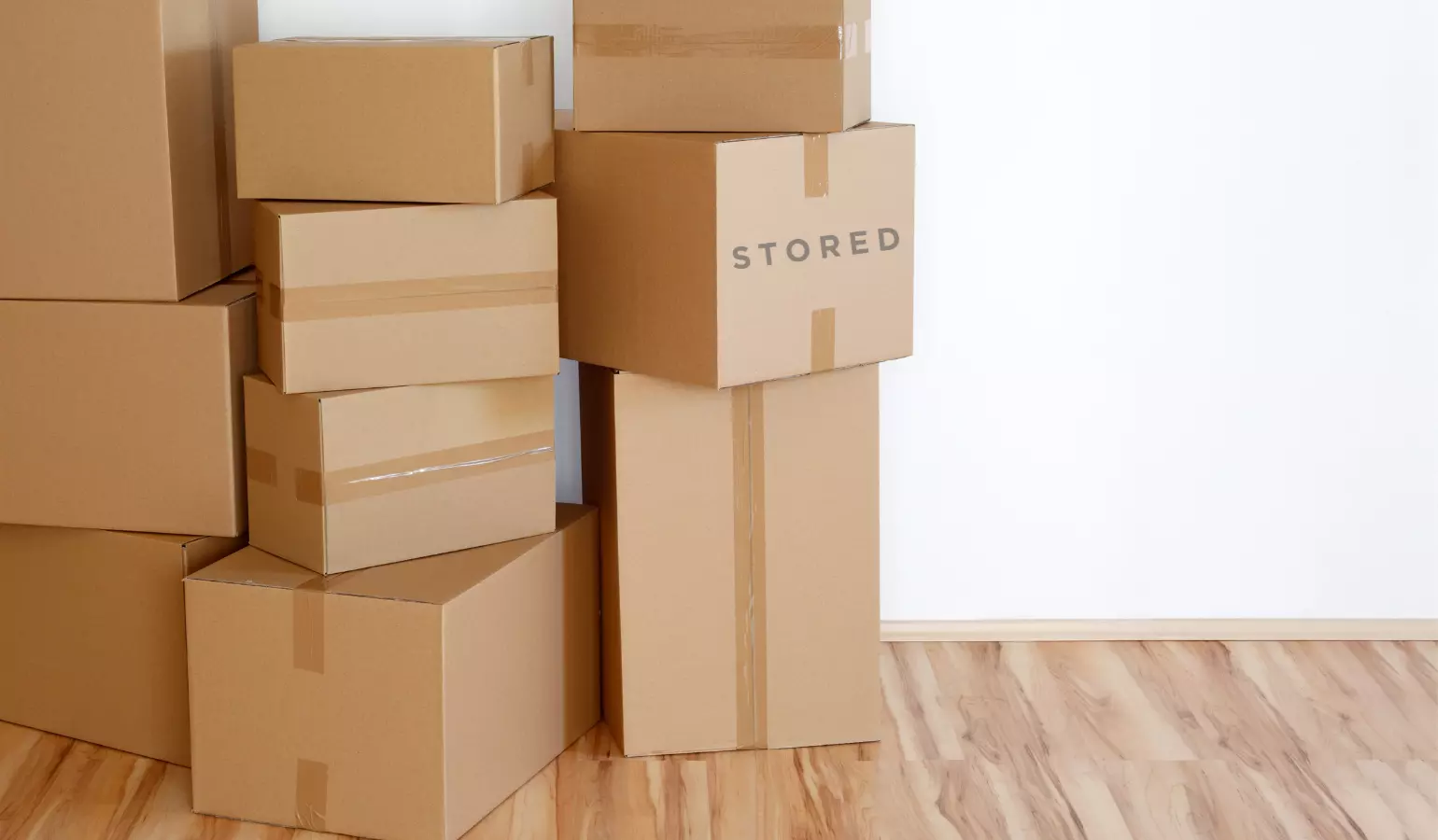
This guide explores the diverse landscape of free resources available to those who understand how to navigate the intersection of retail waste and community surplus. By treating packaging as a manageable overhead cost rather than a fixed expense, you can redirect capital toward higher-yield investments or essential moving costs.
Why Sourcing Free Boxes is a Critical Financial Strategy
Every dollar saved in the operational phase of a project—whether that project is a cross-country move or the launch of an eBay store—is a dollar of pure profit or retained capital. In financial terms, this is often referred to as “expense management,” a core pillar of fiscal health.
The Impact on E-commerce Side Hustles
For entrepreneurs operating in the “resale” economy, shipping costs are the primary enemy of scalability. When you sell an item on platforms like Poshmark, eBay, or Etsy, your net profit is calculated after subtracting the cost of goods sold (COGS), platform fees, and shipping supplies.
If a professional-grade shipping box costs $3.50 at a retail outlet, and your profit on a vintage item is $15.00, you are effectively surrendering over 23% of your profit to packaging alone. By sourcing these materials for free, you immediately increase your ROI. For a business shipping 50 items a month, this simple pivot can save $2,100 annually—capital that could be used for inventory expansion or marketing.
Reducing the Hidden Costs of Residential Relocation
Moving is one of the most significant “non-discretionary” expenses a household can face. From security deposits to professional movers, the financial drain is multi-faceted. Retailers often charge premium prices for “moving kits” because they capitalize on the consumer’s lack of time.
A standard three-bedroom house can easily require 100 boxes of varying sizes. At an average retail price of $2.50 per box, a family is looking at a $250 expense just to contain their belongings. By implementing a strategic sourcing plan four to six weeks before a move, this cost can be eliminated entirely, allowing those funds to be allocated to utility transfers, cleaning services, or emergency reserves.
Top Commercial Sources for High-Quality Free Boxes
The retail sector produces a staggering amount of cardboard waste. For corporations, disposing of this cardboard is an operational cost (recycling fees and labor). By intercepting these boxes, you are providing a service that reduces their waste volume while securing high-quality assets for your own use.
Big-Box Retailers and Wholesalers
Large-scale retailers like Walmart, Target, and Costco are gold mines for high-durability boxes. However, the timing is essential. These stores operate on strict stocking schedules. To successfully source boxes from these locations, one must understand their logistical flow.
Late-night or early-morning visits are usually the most productive, as this is when staff are “breaking down” the daily shipments. Grocery stores are particularly valuable because their boxes are often designed to handle significant weight (such as canned goods) or provide structural integrity (such as apple crates or banana boxes). These reinforced designs are ideal for moving heavy items like books or kitchen appliances without the risk of structural failure.
Specialty Stores: Liquor and Bookstore Opportunities
When it comes to financial efficiency, quality matters as much as quantity. A flimsy box that breaks during transit results in damaged goods, which is a net financial loss. This is why specialty stores are superior to general retailers.
Liquor stores are perhaps the most coveted source for “free” logistical support. Their boxes are engineered to hold glass and liquid, meaning they are exceptionally sturdy and often include internal dividers. These are perfect for fragile items or small-batch shipping for a business. Similarly, bookstores receive shipments of dense, heavy products. A “book box” is typically small enough to remain manageable when full but strong enough to prevent the “bottoming out” that occurs with lower-grade cardboard.
Leveraging Digital Platforms and Community Networks
In the digital age, physical scouting is only half the battle. Technology has enabled a secondary market of “free-cycling” that connects those who have an excess of packing materials with those who need them.
Hyper-Local Marketplace Apps
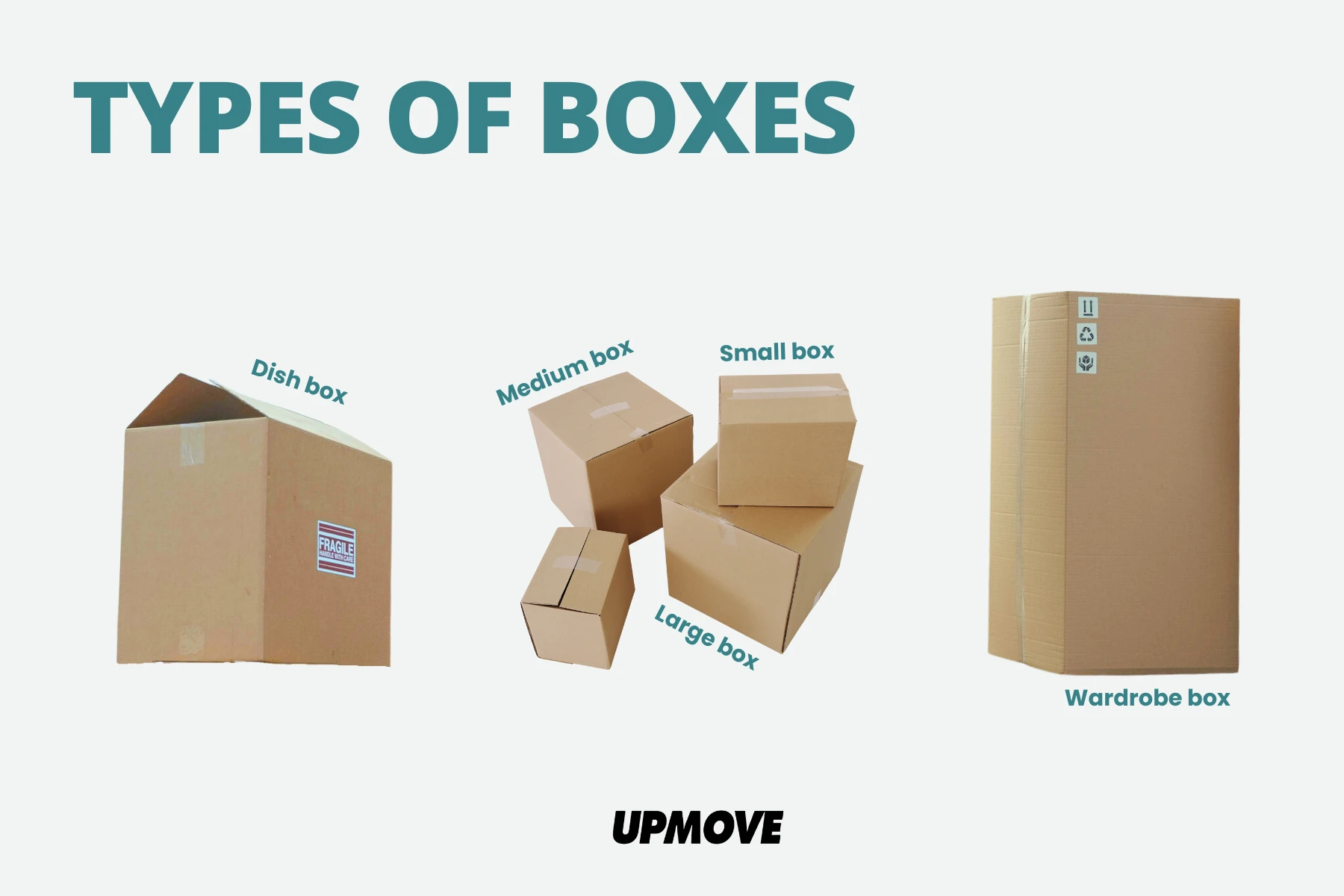
Platforms like Facebook Marketplace and Nextdoor have revolutionized how we manage household surplus. In most suburban and urban environments, there is a constant cycle of people moving in and out. Most people who have just finished a move face a common problem: a garage full of empty boxes that they want to be rid of as quickly as possible.
By setting up alerts for keywords like “free boxes” or “moving supplies,” you can often find entire moving kits—including bubble wrap and packing paper—offered for free to anyone willing to haul them away. From a financial perspective, this is the most efficient method of sourcing, as it often provides “pro-grade” boxes that were originally purchased at a premium price by the previous owner.
Community Exchange Groups and the “Buy Nothing” Movement
The “Buy Nothing Project” and similar community-driven organizations operate on the principle of a gift economy. These groups are excellent resources for recurring shipping needs. By building a rapport within these local networks, a small business owner can create a consistent “supply chain” of used Amazon boxes or padded mailers.
This approach is not only fiscally responsible but also aligns with the growing consumer trend toward sustainability. For a brand, being able to state that you “reuse shipping materials to reduce environmental impact” is a powerful marketing tool that costs nothing but yields significant brand equity.
Logistics and Quality Control: Protecting Your Assets
Sourcing free boxes is only a “win” if those boxes perform their function. If a free box fails and results in a damaged product or a broken heirloom, the financial “savings” are instantly negated by the cost of replacement or insurance claims.
Inspecting for Structural Integrity and Cleanliness
When sourcing from grocery stores or dumpsters (though the latter is rarely recommended), one must be vigilant about hygiene and integrity. Corrugated cardboard is a porous material; it can harbor moisture, odors, and in some cases, pests.
A “free” box that has been sitting in a damp loading dock is a liability. Moisture weakens the structural fibers of the cardboard, reducing its “crush test” rating significantly. Always inspect the seams and corners of the box. If there is any sign of softening, staining, or “bowing,” the box should be rejected. In the context of business finance, this is a form of “quality assurance” that protects your bottom line.
Standardizing Sizes for Shipping Efficiency
For those using free boxes for an online income stream, size standardization is a key factor in shipping costs. Most major carriers (UPS, FedEx, USPS) use “dimensional weight” (DIM weight) to calculate shipping prices. A box that is unnecessarily large for its contents will cost more to ship, even if the weight is low.
When sourcing free boxes, try to find a “signature” size that fits your most common products. This allows you to predict your shipping costs more accurately and reduces the amount of “void fill” (bubble wrap or peanuts) you need to purchase. Saving $2.00 on a box is a poor trade-off if the oversized dimensions of that box cost you an extra $5.00 in postage.
Scalability: When to Move Beyond Free Sourcing
As a business grows or as a move becomes more complex, there is a point where the “time-cost” of sourcing free boxes may exceed the financial savings. This is the principle of “Opportunity Cost.”
If you spend four hours driving around town to save $40 on boxes, you are effectively valuing your time at $10 an hour. If your business generates $50 an hour in revenue, you have actually lost $160 in potential income by chasing “free” supplies.
Calculating the Transition Point
For side hustlers, the transition to buying wholesale packaging usually happens when the volume of shipments exceeds 20-30 units per week. At this stage, the time spent scouting and cleaning used boxes is better spent on marketing, product development, or customer service.
However, even for large-scale operations, the “free” model can still work for specific niches. For example, using “free” USPS Priority Mail boxes is a perfectly legal and financially savvy way to handle shipping, provided you are using the corresponding service level.

Conclusion: The Wealth is in the Waste
Mastering the art of sourcing free boxes is a masterclass in modern financial management. It requires a blend of logistical planning, community engagement, and a keen eye for quality. By eliminating one of the most common “nuisance expenses” in both personal and professional life, you free up capital for what truly matters: growing your net worth, investing in your business, or ensuring your family’s financial security during a transition.
In the economy of the future, the most successful individuals and businesses will be those who can find value where others see waste. The next time you see a stack of flattened cardboard behind a retail store, don’t see it as trash—see it as an untapped asset waiting to improve your balance sheet.
aViewFromTheCave is a participant in the Amazon Services LLC Associates Program, an affiliate advertising program designed to provide a means for sites to earn advertising fees by advertising and linking to Amazon.com. Amazon, the Amazon logo, AmazonSupply, and the AmazonSupply logo are trademarks of Amazon.com, Inc. or its affiliates. As an Amazon Associate we earn affiliate commissions from qualifying purchases.