
Automobile insurance is one of the most significant recurring expenses in a household budget, yet it is often one of the least understood. For many, the quest to find “cheap” auto insurance is driven by a desire to reduce monthly overhead, but in the realm of personal finance, the goal should be “value”—obtaining the necessary protection at the lowest possible price point. Navigating the complex landscape of premiums, deductibles, and coverage limits requires a strategic approach that blends financial literacy with market awareness.
Securing affordable auto insurance is not merely about finding the lowest number on a quote; it is about understanding the variables that insurers use to calculate risk and positioning yourself as a low-risk client. This guide explores the multifaceted world of insurance pricing and provides actionable strategies to optimize your policy for long-term financial health.

Understanding the Factors Influencing Your Premiums
To find the most affordable insurance, one must first understand how insurance companies arrive at their pricing. Actuaries use complex algorithms to determine the likelihood of a policyholder filing a claim. By understanding these levers, you can make informed decisions to lower your costs.
Personal Demographics and the Role of Credit Scores
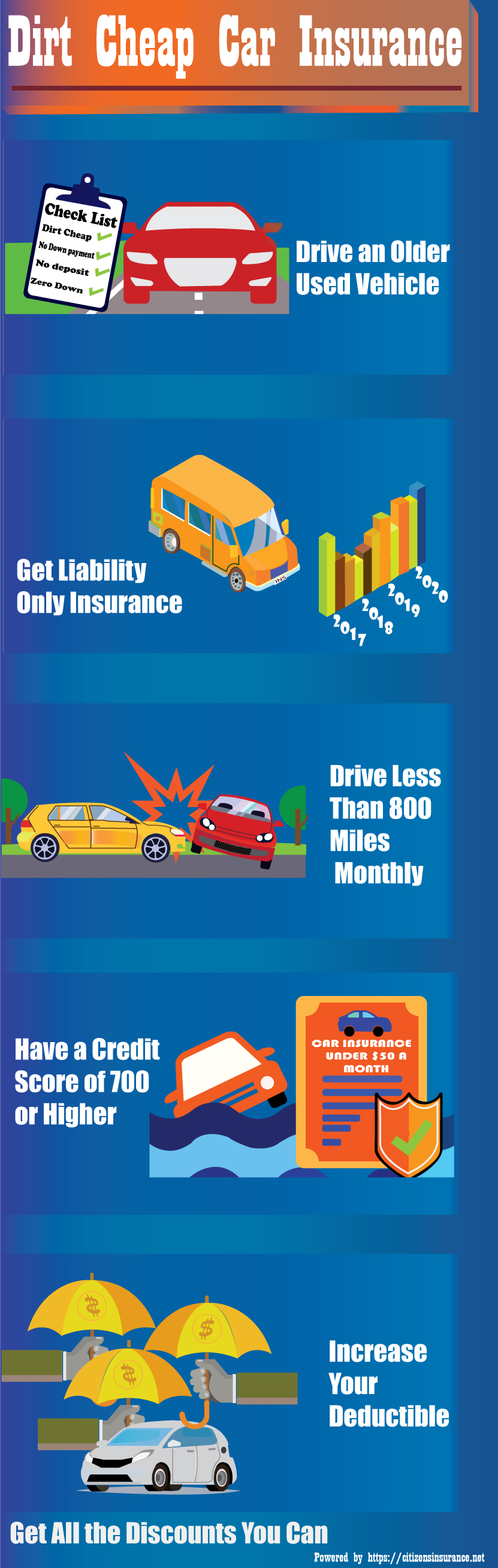
While age and gender are traditional factors—with younger drivers generally paying more due to a lack of experience—one of the most surprising factors in personal finance is the impact of your credit-based insurance score. In many states, insurers use credit history as a predictor of risk. Statistically, individuals with higher credit scores are less likely to file claims. Therefore, improving your credit score is not just beneficial for loan interest rates; it is a direct strategy for lowering your auto insurance premiums.
Vehicle Make, Model, and Safety Ratings
The car you drive significantly dictates your insurance costs. A high-performance sports car is more expensive to insure than a mid-sized sedan, not just because of its repair costs, but because of the statistically higher likelihood of high-speed accidents. When shopping for a vehicle, smart financial planning involves checking the insurance groups for different models. Cars equipped with advanced safety features, such as automatic emergency braking and lane-departure warnings, often qualify for lower rates because they reduce the severity and frequency of accidents.
Driving History and Geographic Location
Your “clout” as a driver is built on your history. A clean driving record free of moving violations and at-fault accidents is the most potent tool for keeping insurance cheap. Furthermore, where you park your car matters. Zip codes with high rates of theft, vandalism, or traffic congestion typically command higher premiums. While you may not move just to save on insurance, being aware of these geographic trends can help you budget more accurately when relocating.
Strategic Shopping: Where and How to Find the Best Rates
The insurance market is highly competitive, and prices for the exact same coverage can vary by hundreds of dollars between providers. Finding “cheap” insurance requires a proactive shopping strategy rather than passive renewal.
Comparing National Carriers vs. Regional Providers
Most consumers gravitate toward “The Big Four” national insurers due to their massive marketing budgets. However, personal finance experts often recommend looking at regional or smaller mutual insurance companies. These companies often have lower overhead costs and may provide more competitive rates for specific niches, such as rural drivers or those with pristine records. By expanding your search beyond the household names, you increase your chances of finding a localized “sweet spot” in pricing.
Utilizing Online Comparison Tools and Financial Aggregators
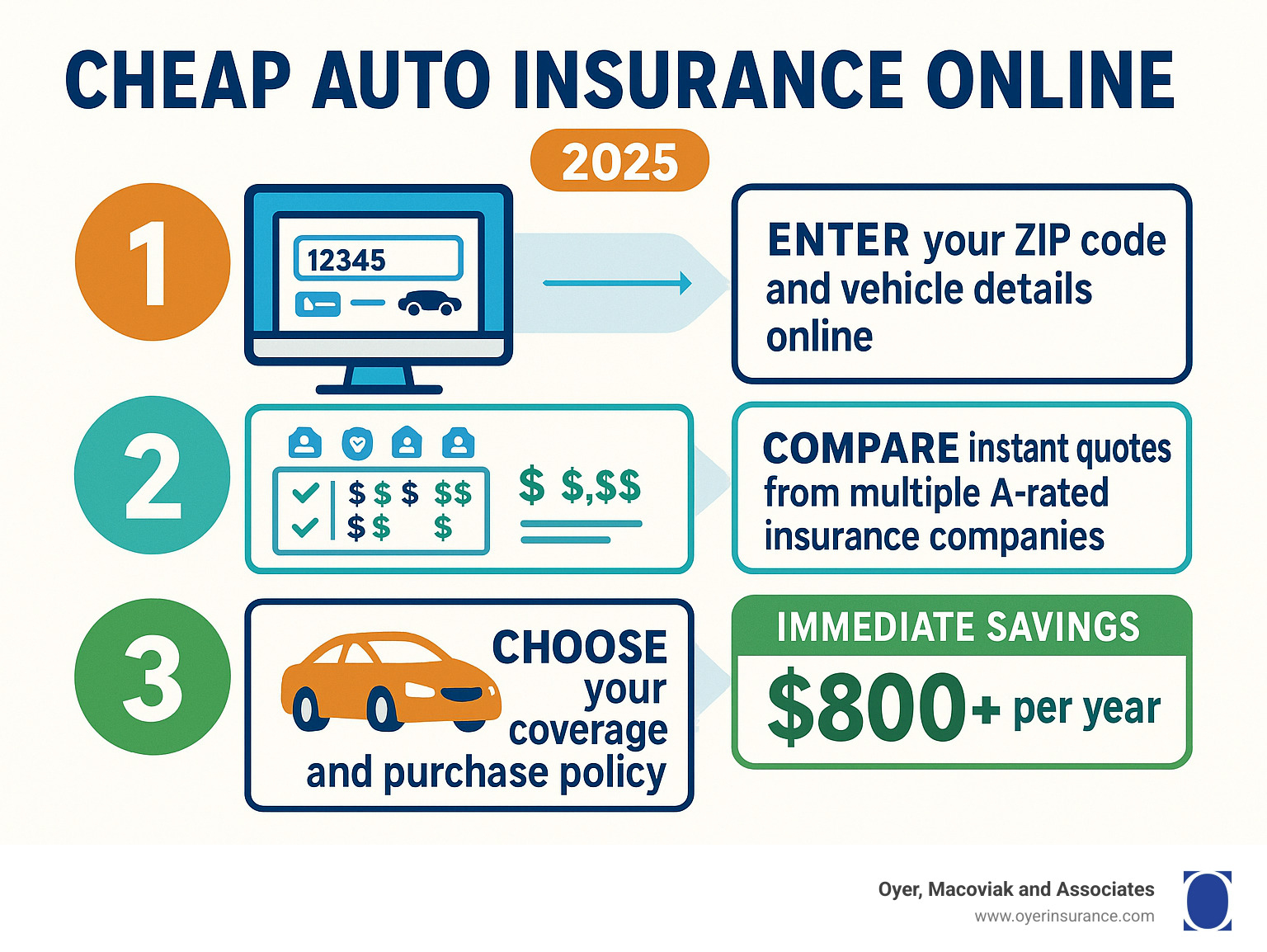
In the digital age, manual calling for quotes is obsolete. Online comparison tools allow you to input your data once and receive multiple quotes. However, it is essential to use these tools as a starting point rather than a final destination. Once you identify the three lowest-priced providers, visit their websites directly or call their agents. Often, direct quotes can be more accurate than those generated by third-party aggregators, and they may reveal additional “web-only” discounts.
The Role of Independent Insurance Brokers
If your financial situation is complex—perhaps you have multiple vehicles, a home, and a small business—working with an independent insurance broker can be a wise move. Unlike captive agents who work for a single company, independent brokers represent multiple carriers. They have the expertise to scan the market for the best value and can often find “cheap” options that are not readily visible to the general public through standard search engines.
Leveraging Discounts and Financial Incentives
The “sticker price” of an insurance policy is rarely what you should actually pay. Most insurance companies offer a suite of discounts that can significantly move the needle on affordability.
Policy Bundling and Multi-Vehicle Discounts
One of the most effective personal finance moves is “bundling.” By placing your auto, homeowners, or renters insurance with the same provider, you can often save between 10% and 25% across all policies. This creates a win-win scenario: the insurer gains more of your business, and you reduce your total insurance outlay. Additionally, insuring multiple vehicles on the same policy almost always results in a lower per-vehicle cost than insuring them separately.
Telematics and Usage-Based Insurance (UBI)
For low-mileage drivers or those who are confident in their safe driving habits, telematics offers a path to significant savings. Programs that track your driving via a smartphone app or a plug-in device (monitoring braking, acceleration, and time of day) allow insurers to price your policy based on how you actually drive, rather than on general demographic data. If you work from home or have a short commute, usage-based insurance can be the single fastest way to secure “cheap” coverage that reflects your actual risk profile.
Professional, Academic, and Affinity Affiliations
Many people overlook the discounts available through their employers, universities, or professional organizations (such as alumni associations or trade unions). Insurers often partner with these groups to offer group rates. Always ask potential insurers if they offer discounts for your specific profession—educators, first responders, and military members frequently qualify for specialized pricing that isn’t advertised to the general public.
Optimizing Your Policy for Long-Term Financial Health
True financial optimization involves more than just finding a low premium; it involves structuring your policy so that it protects your assets without overcharging you for unnecessary coverage.
Adjusting Deductibles to Balance Risk and Reward
The deductible is the amount you pay out of pocket before your insurance kicks in. In the world of personal finance, increasing your deductible is a classic way to lower your premium. Moving from a $500 deductible to a $1,000 deductible can reduce your comprehensive and collision coverage costs by a substantial margin. However, this strategy should only be employed if you have an emergency fund capable of covering that $1,000 in the event of an accident. It is a calculated risk that pays off through lower monthly expenses.
Reevaluating Coverage Limits for Older Vehicles
As a vehicle ages and its market value depreciates, there comes a point where carrying collision and comprehensive coverage no longer makes financial sense. If the annual cost of these coverages plus your deductible exceeds the total value of the car, you are over-insuring an asset. Dropping these optional coverages on an older “beater” car while maintaining high liability limits is a savvy way to slash your insurance bill while still protecting yourself against legal and medical expenses.
Maintaining Continuous Coverage to Avoid Penalties
From a personal finance perspective, a “lapse” in coverage is a major red flag for insurers. Even if you do not own a car for a few months, maintaining a “non-owner” policy can be beneficial. Drivers with a history of continuous coverage are rewarded with lower rates, whereas those who have gaps in their insurance history are often categorized as high-risk, leading to significantly higher premiums when they eventually seek a new policy.
Conclusion: The Proactive Path to Affordable Coverage
Finding cheap auto insurance is not a “set it and forget it” task. It is an ongoing component of a healthy personal finance strategy. Markets change, your personal risk profile evolves, and new insurance products enter the fray every year. By auditing your policy annually, maintaining a high credit score, and leveraging every available discount, you can ensure that you are never paying more than necessary for protection.
Ultimately, the goal is to treat insurance as a tool for wealth preservation. Every dollar saved on a premium is a dollar that can be redirected toward your savings, investments, or debt reduction. By applying the principles of strategic shopping and risk management, you can secure the coverage you need at a price that fits your financial goals.
aViewFromTheCave is a participant in the Amazon Services LLC Associates Program, an affiliate advertising program designed to provide a means for sites to earn advertising fees by advertising and linking to Amazon.com. Amazon, the Amazon logo, AmazonSupply, and the AmazonSupply logo are trademarks of Amazon.com, Inc. or its affiliates. As an Amazon Associate we earn affiliate commissions from qualifying purchases.