
For the majority of households, a vehicle represents the second-largest purchase they will ever make, trailing only the acquisition of a home. Yet, while real estate is generally viewed as an appreciating asset, a car is a textbook example of a depreciating one. To mitigate the financial bleed of depreciation and ensure the highest possible return on investment (ROI) when it comes time to sell or trade in, the question of “where can I get a tune up for my car” must be viewed through a strictly financial lens.
Maintenance is often categorized as an expense, but in a sophisticated personal finance framework, it is more accurately described as capital preservation. Deciding where to take your vehicle for service involves balancing three critical financial pillars: labor costs, parts quality, and the long-term impact on the asset’s resale value.
The Economics of Preventive Maintenance
The modern “tune up” has evolved significantly from the days of adjusting carburetors and distributors. Today, it is a comprehensive digital and mechanical audit designed to ensure optimal fuel efficiency and prevent catastrophic component failure. From a budgetary perspective, the primary goal of a tune up is to avoid the “deferred maintenance tax.”
Avoiding the “Deferred Maintenance” Tax
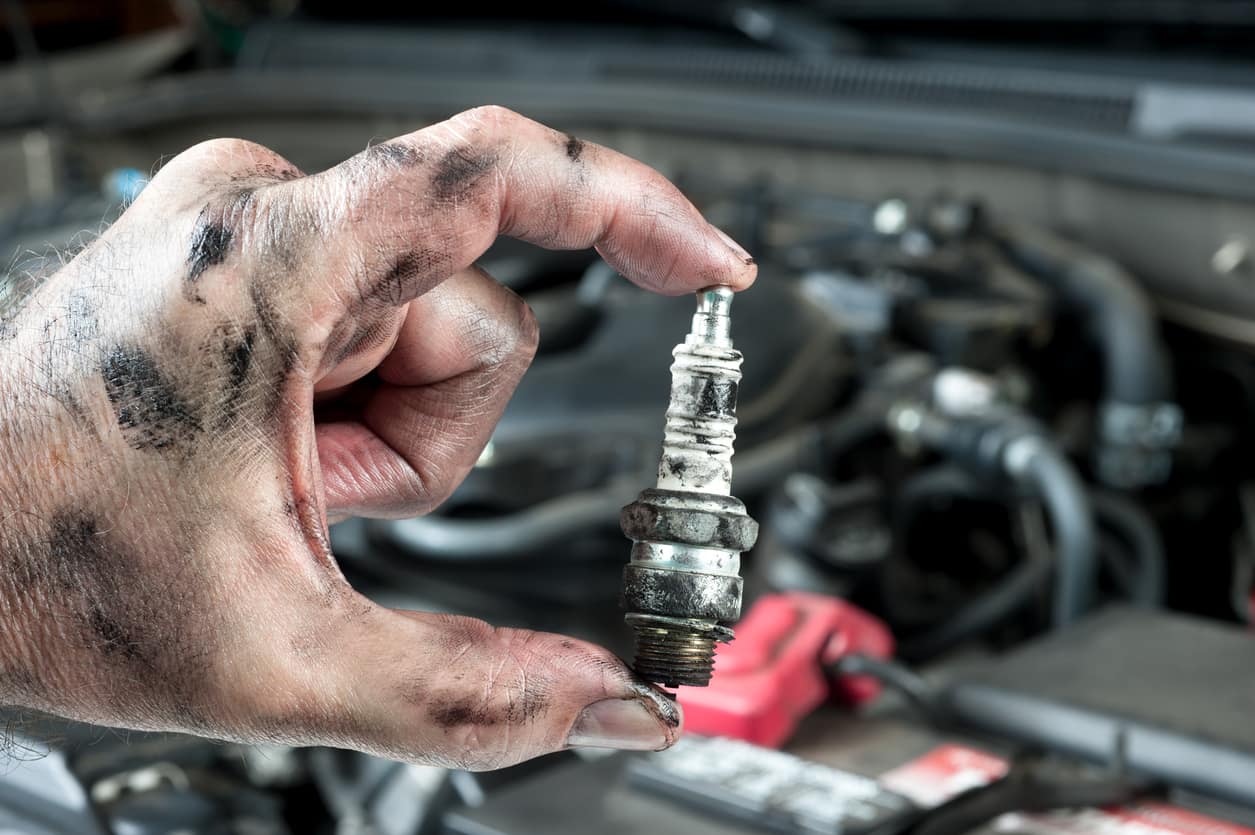
Deferred maintenance is a hidden debt that carries a high interest rate. When a driver ignores a scheduled tune up to save $300 today, they are essentially taking out a high-interest loan against the future reliability of the vehicle. For example, failing to replace spark plugs or clean fuel injectors leads to incomplete combustion. This not only increases monthly fuel expenditures by 5% to 10% but also puts undue stress on the catalytic converter—a component that can cost upwards of $2,000 to replace. By investing in the tune up now, you are effectively generating a guaranteed return on investment through fuel savings and the avoidance of high-cost emergency repairs.
Resale Value and the Service History Premium
In the secondary market, a “Full Service History” (FSH) is a tangible financial asset. When you eventually list your vehicle for sale, a documented trail of professional tune ups allows you to price the asset at the top of its valuation bracket. Buyers are willing to pay a premium for a car that has been maintained at reputable facilities because it reduces their perceived risk. Conversely, a vehicle with no maintenance records is often discounted by 15% to 20% below its book value. Therefore, where you choose to get your tune up matters because the documentation provided by the shop acts as a “certificate of quality” for your asset.
Analyzing the Options: Dealerships, Independent Shops, and National Chains
The choice of where to take your car is ultimately a trade-off between immediate cash flow and long-term asset protection. There are three primary venues for a tune up, each with a distinct financial profile.
The Dealership Premium: Is It Worth the Cost?
Dealerships typically represent the highest price point for a tune up. Their labor rates are often 30% to 50% higher than independent shops, largely due to high overhead costs and the use of Original Equipment Manufacturer (OEM) parts. However, from a brand strategy and value preservation standpoint, the dealership offers specific financial advantages.
For vehicles still under warranty, dealership service ensures that there are no disputes regarding warranty claims should a major component fail. Furthermore, dealerships have access to proprietary software updates and Technical Service Bulletins (TSBs) that independent shops might miss. If you own a high-end luxury vehicle or a complex hybrid/EV, the “dealership premium” can be viewed as an insurance policy. The higher upfront cost preserves the vehicle’s specialized systems, which is critical for maintaining the high resale value associated with premium brands.
Independent Mechanics: Maximizing Value Through Trust
Independent repair shops are the “sweet spot” for many personal finance enthusiasts. These businesses usually have lower overhead and are more flexible with their pricing. The financial benefit here is the ability to use high-quality aftermarket parts, which often perform as well as OEM parts but at a fraction of the cost.
The key to maximizing ROI at an independent shop is the “relationship dividend.” A long-term relationship with a trusted mechanic can lead to more honest assessments of what work is strictly necessary and what can be postponed. This prevents the “upselling” common in larger corporate environments. For vehicles that are five years or older, the independent shop is almost always the most fiscally responsible choice, as the marginal benefit of dealership service begins to diminish as the car’s total market value drops.
National Service Chains: The Convenience vs. Consistency Trade-off
National chains offer standardized pricing and geographical convenience. Economically, these are best for “commodity” maintenance—tasks that are highly standardized and low-risk. Many chains offer “loss leader” pricing on basic tune up services to get customers in the door. While this can be a great way to save on immediate out-of-pocket costs, one must be wary of the volume-based business model. These shops often employ less experienced technicians and may prioritize speed over meticulousness. If you use a national chain, the financial strategy should be to stick strictly to the advertised service and resist high-pressure add-ons.
The Financial Case for DIY Maintenance
In the era of YouTube tutorials and digital diagnostic tools, many car owners are considering the “Do It Yourself” (DIY) route for their tune ups. This is a classic “sweat equity” play that can significantly alter the lifetime cost of vehicle ownership.
Tool Investment vs. Labor Savings
The initial hurdle of DIY maintenance is the capital expenditure required for tools. A basic set of sockets, wrenches, and an OBD-II scanner can cost between $200 and $500. However, considering that professional labor rates can exceed $150 per hour, the tools often pay for themselves after just two tune ups. From an accounting perspective, these tools are not an expense; they are durable goods that provide utility over decades. By removing the labor cost from the equation, a $600 professional tune up can often be performed for $150 in parts and a few hours of time.
Knowing Your Limits to Prevent Costly Mistakes
The risk of the DIY approach is the potential for “unforced errors.” A stripped spark plug thread or an improperly seated gasket can lead to engine damage that dwarfs any savings gained from doing the work yourself. To maintain the financial integrity of your vehicle, the DIY approach should be limited to tasks within your skill level. If a mistake requires a tow truck and a professional intervention, the ROI of the project turns negative instantly. For those who are not mechanically inclined, the most “profitable” move is to pay a professional.
Using Technology and Financial Tools to Optimize Maintenance Spending
In the digital economy, finding where to get a tune up has become a data-driven exercise. Savvy consumers use technology to ensure they are getting the best price-to-value ratio.
Service Comparison Platforms
Several digital platforms allow users to input their vehicle details and receive quotes from multiple local shops. This creates a competitive environment that benefits the consumer. By “shopping” the tune up, you can identify price outliers and negotiate better rates. Additionally, many of these platforms provide “fair price” estimates based on local market data, ensuring you don’t overpay for labor or parts markup.
Sinking Funds and Pre-paid Maintenance Plans
From a cash-flow management perspective, car maintenance should never be a surprise. Financial planners often recommend the use of a “sinking fund”—a dedicated savings account where you deposit a small amount each month specifically for vehicle upkeep. If you know a major tune up is due every 30,000 miles, you can calculate the expected cost and save accordingly.
Alternatively, some manufacturers and third-party providers offer pre-paid maintenance plans. While these require an upfront payment, they often lock in current labor rates and protect you against inflation. When evaluating these plans, calculate the “net present value” of the future services. If the discount offered by the pre-paid plan exceeds the interest you could earn by keeping that money in a high-yield savings account, the plan is a sound financial investment.
Making the Best Financial Decision for Your Asset
Ultimately, “where” you get a tune up for your car depends on where your vehicle sits on its depreciation curve and your personal opportunity cost. If you drive a new, high-value asset, the dealership provides the best protection for your investment. If you drive a middle-aged vehicle, a reputable independent shop offers the best balance of cost and quality. For those with older vehicles and a desire for sweat equity, DIY maintenance offers the lowest possible overhead.
Regardless of the venue, the most expensive tune up is the one you never get. By viewing vehicle maintenance as a strategic financial move rather than a chore, you ensure that your car remains a reliable tool for wealth creation—getting you to work, protecting your safety, and retaining as much value as possible for the day you decide to liquidate the asset. Treating your car like a business asset requires discipline, but the long-term financial rewards of a well-maintained vehicle are undeniable.
aViewFromTheCave is a participant in the Amazon Services LLC Associates Program, an affiliate advertising program designed to provide a means for sites to earn advertising fees by advertising and linking to Amazon.com. Amazon, the Amazon logo, AmazonSupply, and the AmazonSupply logo are trademarks of Amazon.com, Inc. or its affiliates. As an Amazon Associate we earn affiliate commissions from qualifying purchases.