
The intersection of healthcare and digital technology has fundamentally altered the way patients interact with medical professionals. Gone are the days when obtaining a prescription required a physical visit to a brick-and-mortar clinic, complete with waiting room delays and administrative hurdles. Today, the question of “where can I get a prescription online” is answered by a sophisticated ecosystem of telehealth platforms, mobile applications, and integrated digital pharmacies. This evolution is driven by advancements in cloud computing, secure data transmission, and artificial intelligence, making healthcare more accessible than ever before.
The Infrastructure of Modern Telehealth Platforms
To understand where to get a prescription online, one must first understand the technical infrastructure that makes it possible. Telehealth is not merely a video call; it is a complex web of integrated software solutions designed to replicate and enhance the clinical experience.
Synchronous vs. Asynchronous Technology
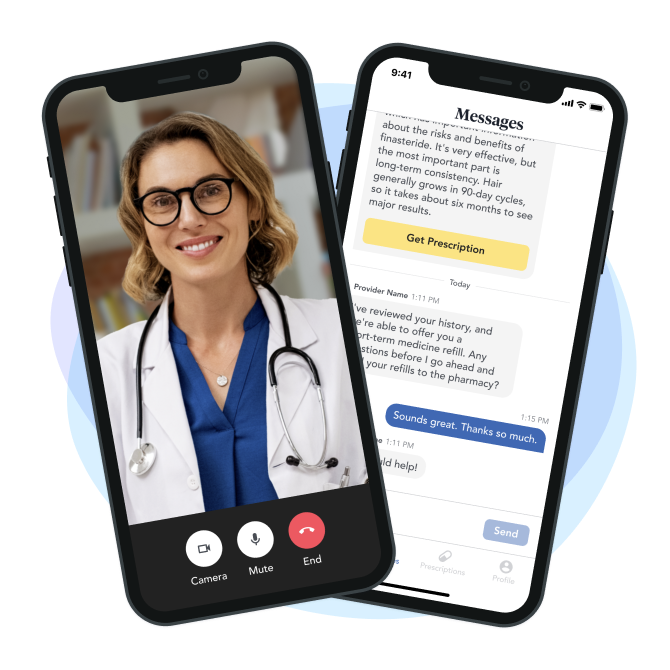
The technology used to facilitate online prescriptions generally falls into two categories: synchronous and asynchronous. Synchronous technology involves real-time interaction, such as high-definition video conferencing or live chat. This requires robust bandwidth and low-latency streaming protocols to ensure that the healthcare provider can accurately assess the patient.
Asynchronous technology, often referred to as “store-and-forward,” allows patients to submit medical questionnaires, photos, and history at their convenience. An automated system then routes this data to a licensed provider who reviews it at a later time. This model is particularly common for routine prescriptions like birth control, hair loss treatments, or dermatological creams. The tech stack behind this involves sophisticated database management and automated triage algorithms that flag high-risk responses for immediate human intervention.
Electronic Health Record (EHR) Integration
The backbone of any reputable online prescription service is its integration with Electronic Health Records. For a platform to be effective, it must communicate seamlessly with existing medical databases. Modern telehealth apps utilize Application Programming Interfaces (APIs) to pull a patient’s medical history and push new prescription data to pharmacies. This ensures that the digital prescription is not an isolated event but a documented part of the patient’s long-term health data.
E-Prescribing Protocols
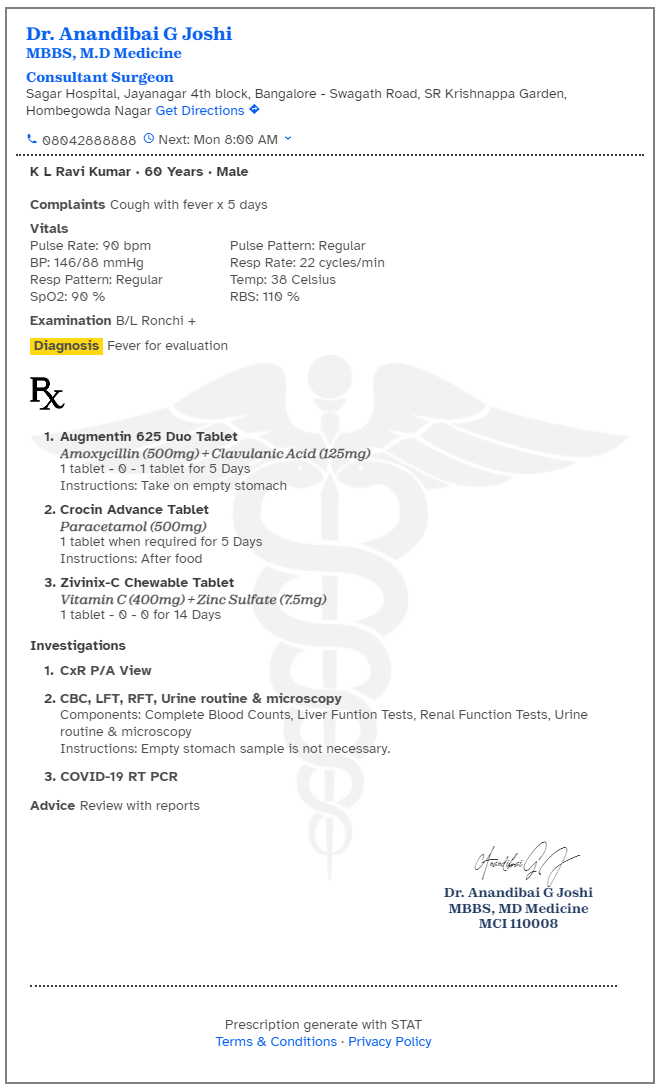
When a doctor approves a medication online, the “prescription” is actually a secure data packet sent via an e-prescribing network. The industry standard, often facilitated by networks like Surescripts, ensures that the digital script is sent directly to the pharmacy’s management software. This reduces manual entry errors and virtually eliminates the risk of forged paper prescriptions, showcasing a major win for digital security and public safety.
Leading Apps and Platforms for Digital Prescriptions
The market is currently saturated with specialized apps, each targeting different niches of the medical field. Choosing where to get a prescription online often depends on the specific software features and the type of care required.
All-in-One Telehealth Giants
Platforms like Teladoc and Amwell have built massive digital infrastructures that serve as virtual hospitals. These apps are designed for general practitioners to treat acute conditions like sinus infections, the flu, or allergies. Their user interfaces (UI) are optimized for ease of use, allowing patients to book appointments, upload insurance cards via OCR (Optical Character Recognition) technology, and enter virtual waiting rooms within minutes.
Direct-to-Consumer (DTC) Health Tech
A newer wave of companies, such as Hims & Hers, Ro, and Nurx, has revolutionized the “lifestyle” prescription space. These platforms utilize highly polished web and mobile interfaces focused on a streamlined user experience (UX). They often use asynchronous models where the tech guides the user through a curated flow of questions. From a technical perspective, these platforms are masters of conversion rate optimization, turning a medical consultation into a seamless digital transaction while maintaining clinical rigor.
Mental Health and Specialized Software
Apps like BetterHelp or Talkspace have integrated psychiatric modules that allow for the online prescription of mental health medications. The technical challenge here is the continuous monitoring of patient progress. These platforms often include mood trackers and AI-driven chatbots that provide data-driven insights to the prescribing physician, allowing for more precise dosage adjustments based on real-world digital feedback.
Navigating Digital Security and Data Privacy
When seeking a prescription online, the most critical technical consideration is the security of Protected Health Information (PHI). Because medical data is highly sensitive, the tech industry must adhere to strict regulatory frameworks, most notably HIPAA (Health Insurance Portability and Accountability Act) in the United States.
End-to-End Encryption
Reputable telehealth platforms employ end-to-end encryption for all video and text communications. This ensures that even if data packets are intercepted during transmission, they remain unreadable to unauthorized parties. Standard TLS (Transport Layer Security) is used for data in transit, while AES-256 bit encryption is the gold standard for data at rest on servers.
Identity Verification and Multi-Factor Authentication (MFA)
To prevent identity theft and prescription fraud, high-end telehealth apps have integrated sophisticated identity verification tools. This often includes biometric authentication (FaceID or fingerprint scanning) and the use of third-party verification services that check a patient’s government ID against real-time databases. Implementing MFA is no longer optional; it is a core requirement for any platform handling medical prescriptions.
SOC2 Compliance and Server Security
Beyond HIPAA, many leading tech platforms in the health space seek SOC2 Type II certification. This is a technical audit that ensures a company’s data management policies are secure, available, and confidential. The use of decentralized cloud storage and routine penetration testing are standard practices for platforms that want to maintain user trust and regulatory standing.
The Role of AI and Machine Learning in Virtual Care
Artificial Intelligence is the latest frontier in the online prescription landscape. It is not replacing doctors but rather acting as a “force multiplier” for medical professionals working within digital platforms.
AI-Powered Triage and Pre-Screening
Before a patient even speaks to a provider, AI-driven symptom checkers can analyze the user’s input against millions of clinical data points. These algorithms can identify potential contraindications—instances where a requested medication might interact poorly with a patient’s existing prescriptions or health conditions. This automated layer of safety is a hallmark of high-tech online prescribing.
Natural Language Processing (NLP) in Documentation
One of the biggest hurdles for doctors is the administrative burden of charting. Advanced telehealth platforms now use NLP to listen to the video consultation and automatically generate clinical notes and prescription orders. This allows the provider to focus entirely on the patient, while the software handles the data entry, improving the accuracy of the digital record.
Predictive Analytics for Pharmacy Fulfillment
On the backend, machine learning helps optimize the logistics of getting the physical medication to the patient. If a platform includes a mail-order pharmacy component, AI is used to predict demand, manage inventory, and select the fastest shipping routes. This ensures that the “online” part of the prescription process ends with the “offline” arrival of the medication in a timely manner.
The Future of Digital Health: Beyond the Video Call
The technology facilitating online prescriptions is moving toward a more holistic, data-driven model. We are entering an era of “Continuous Care” where the prescription is just one data point in a broader digital health journey.
IoT and Wearable Integration
The next generation of telehealth apps will pull data directly from wearable devices like the Apple Watch or Oura Ring. Imagine a scenario where a doctor prescribes blood pressure medication online, and the prescription dosage is automatically adjusted based on real-time data sent from the patient’s smartwatch. This integration of the Internet of Things (IoT) will make online prescriptions more accurate and personalized than traditional in-person visits.
Virtual Reality (VR) Clinics
While still in its infancy, VR technology is being explored as a medium for telehealth consultations. A VR environment could provide a more immersive experience for therapy or specialized physical therapy consultations, with the “prescription” being a set of digital exercises or a regimen managed through the headset’s software.
Decentralized Identifiers (DIDs) and Blockchain
To give patients more control over their data, some tech innovators are looking at blockchain for medical records. Using Decentralized Identifiers, a patient could grant a telehealth platform temporary access to their medical history to secure a prescription without the platform ever “owning” the data. This shift toward a patient-centric data model could redefine the security landscape of online healthcare.
The question of where to get a prescription online is no longer a matter of finding a single website, but of engaging with a sophisticated technological ecosystem. From the encryption protocols that protect your privacy to the AI that assists in your diagnosis, the tech behind online prescriptions is a testament to how far digital innovation has come in solving real-world challenges. As these tools continue to evolve, the barrier between the digital and physical worlds of medicine will continue to thin, providing a more efficient, secure, and accessible healthcare experience for all.
aViewFromTheCave is a participant in the Amazon Services LLC Associates Program, an affiliate advertising program designed to provide a means for sites to earn advertising fees by advertising and linking to Amazon.com. Amazon, the Amazon logo, AmazonSupply, and the AmazonSupply logo are trademarks of Amazon.com, Inc. or its affiliates. As an Amazon Associate we earn affiliate commissions from qualifying purchases.