
In an increasingly digital financial landscape, prepaid debit cards have emerged as a versatile and accessible tool for managing personal finances. Whether you’re seeking to budget more effectively, provide spending money for a dependent, manage travel expenses, or operate outside the traditional banking system, a prepaid debit card offers a convenient and secure solution. Unlike credit cards that rely on borrowed funds or traditional debit cards linked directly to a bank account, prepaid cards are loaded with your own money in advance, offering a straightforward way to control spending without incurring debt.
This guide will thoroughly explore the various avenues available for acquiring a prepaid debit card, delve into their functionalities, highlight essential considerations, and empower you to make an informed choice that aligns with your financial needs.
Understanding Prepaid Debit Cards: An Essential Financial Tool
Before embarking on the journey to acquire a prepaid debit card, it’s crucial to grasp what they are, how they function, and the distinct advantages and potential drawbacks they present. These cards represent a unique segment within the broader financial tools available, catering to a diverse set of users and requirements.
What Exactly is a Prepaid Debit Card?
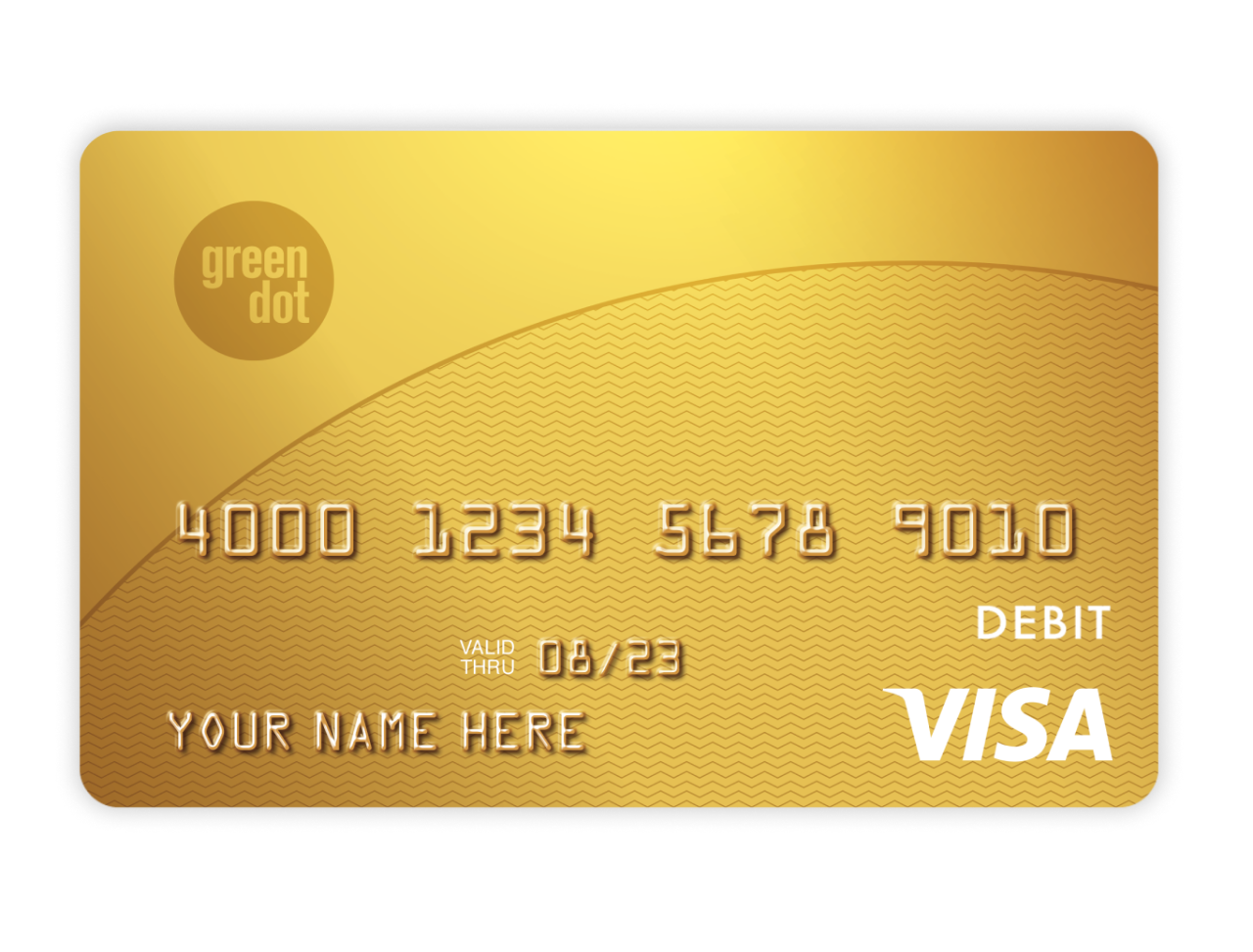
A prepaid debit card is a payment card that allows you to spend money that you have pre-loaded onto the card. It looks and functions much like a standard debit card, complete with a card number, expiration date, and security code, and can be used anywhere major credit and debit cards (like Visa, Mastercard, or Discover) are accepted. However, the fundamental difference lies in its funding mechanism: you are spending your own money, not a line of credit, and the card is not directly tied to a checking or savings account.
This “pay-as-you-go” model means you can only spend the amount of money you have loaded onto the card. Once the funds are depleted, you must reload the card to continue using it. This intrinsic limitation is, in fact, one of its primary strengths, as it enforces strict spending control and prevents overdrafts or debt accumulation.
Key Benefits and Use Cases
The utility of prepaid debit cards spans a wide spectrum, making them attractive to various demographics:
- Budgeting and Spending Control: For individuals striving to stick to a budget, a prepaid card acts as an excellent financial fence. By loading a specific amount for a particular category (e.g., groceries, entertainment), users can prevent overspending.
- Online Shopping Security: Using a prepaid card for online purchases can add an extra layer of security. Should the card details be compromised, only the funds loaded onto that specific card are at risk, limiting potential exposure.
- Travel Companion: Prepaid cards are ideal for travelers. They eliminate the need to carry large amounts of cash, often offer competitive foreign exchange rates, and can be easily replaced if lost or stolen without compromising primary bank accounts.
- Managing Allowances for Dependents: Parents can give teenagers or college students a prepaid card loaded with their allowance, teaching financial responsibility while controlling the maximum amount that can be spent.
- Alternative for the Unbanked or Underbanked: For individuals who don’t have a traditional bank account due to past financial issues, lack of sufficient funds, or preference, prepaid cards offer a pathway to participate in the digital economy, receive direct deposits, and make online payments.
- Payroll and Benefits Distribution: Some employers use prepaid cards for payroll, especially for temporary workers or those without bank accounts. Government benefits can also be loaded onto these cards.
- Gift-Giving: While dedicated gift cards exist, general-purpose reloadable prepaid cards offer more flexibility for recipients, who can use them virtually anywhere.
Potential Drawbacks and Considerations
While beneficial, prepaid debit cards are not without their downsides, primarily centered around fees and features:
- Fee Structures: Many prepaid cards come with various fees, including activation fees, monthly maintenance fees, reload fees, ATM withdrawal fees, inactivity fees, and foreign transaction fees. These can erode your balance if not carefully managed.
- No Credit Building: Unlike secured credit cards, prepaid debit cards do not report activity to credit bureaus, meaning they cannot help improve your credit score.
- Limited Features: They typically lack features common with traditional bank accounts, such as interest earnings, overdraft protection (though this can be a benefit), or check-writing capabilities.
- Reload Limits: Cards often have limits on how much money can be loaded or spent within a certain period.
- FDIC Insurance (Important): While many reputable prepaid cards offer FDIC insurance, usually through a partner bank, it’s crucial to verify this for consumer protection. Unregistered cards or those from less reputable providers might not offer this safeguard.
Top Avenues for Acquiring a Prepaid Debit Card
The accessibility of prepaid debit cards has expanded significantly, making them available through a multitude of channels. Understanding these options is the first step towards securing the right card for your needs.
Major Retail Stores and Pharmacies
One of the most common and convenient ways to get a prepaid debit card is by purchasing one directly off the shelf at various retail locations.
- Where to Look: You’ll typically find a selection of prepaid cards at checkout counters or dedicated gift card kiosks in stores like Walmart, Target, CVS Pharmacy, Walgreens, 7-Eleven, and other grocery or convenience stores.
- The Process: You simply pick out a card, take it to the cashier, and pay an activation fee along with the initial amount you wish to load onto the card (or a minimum amount required to activate it). Brands commonly found include Green Dot, Netspend, Vanilla Visa/Mastercard, and PayPal Prepaid.
- Immediate Use: Many cards purchased this way can be used almost immediately after activation, especially for in-store purchases. However, for online use or full features, you might need to register the card online first.
Online Providers and Financial Technology (FinTech) Companies
The digital realm offers a vast array of prepaid debit card options, often with more features, lower fees (in some cases), and streamlined management through mobile apps.
- Direct-to-Consumer: Companies like Green Dot, Netspend, and PayPal (with their branded prepaid Mastercard/Visa) allow you to apply for and receive a card directly through their websites.
- Neo-banks and Digital Wallets: While some neo-banks (like Chime, although Chime typically offers a full checking account rather than just a prepaid card in the strictest sense) or digital wallet services (like Cash App or Venmo, which offer debit cards linked to your balance) function similarly in terms of spending pre-loaded funds, it’s important to differentiate. Strict prepaid cards aren’t tied to a bank account in the same way. However, their accessibility and direct deposit features often appeal to the same user base.
- Benefits: Applying online often allows for direct deposit setup, online bill pay, and comprehensive mobile app management, providing a more robust financial tool compared to basic retail cards. Cards are typically mailed to your address.
Banks and Credit Unions
While less common for a standalone “prepaid” product in the traditional sense, some banks and credit unions do offer similar solutions, especially for specific demographics or purposes.
- Secured Cards vs. Prepaid: Traditional banks might offer secured credit cards (which require a deposit but build credit) or specialized debit cards for youth accounts, but a simple, reloadable prepaid debit card might be less prominent.
- Access Accounts: Some financial institutions offer “access accounts” or “checkless checking accounts” that function similarly to prepaid cards, allowing direct deposit and debit card usage without traditional checking features. These are often designed for consumers with past banking challenges.
- Prepaid for Specific Programs: Occasionally, banks might partner with government agencies or corporations to issue prepaid cards for benefit disbursements or employee expenses.
Specialized Providers for Specific Needs
Beyond general-purpose cards, there are providers catering to niche requirements.
- Travel Cards: Some companies specialize in travel-focused prepaid cards, often with favorable foreign exchange rates and robust security features for international use.
- Gift Cards: While not reloadable in the long term, general-purpose gift cards (e.g., Visa Gift Card, Mastercard Gift Card) function as single-use prepaid cards and are widely available in stores and online.
- Corporate Expense Cards: Businesses might use prepaid cards to manage employee expenses, offering a controlled way to disburse funds.
Navigating the Activation and Loading Process
Once you’ve acquired your prepaid debit card, the next crucial steps involve activating it and understanding how to load funds onto it. This process is generally straightforward but requires attention to detail to ensure seamless usage.
Activating Your Card
For security reasons, most prepaid debit cards require activation before they can be used.
- Online Activation: The most common method involves visiting the card issuer’s website (the URL is usually printed on the card or packaging). You’ll typically need to enter the card number, expiration date, and security code (CVV). You may also be asked to provide personal information such as your name, address, date of birth, and Social Security Number (SSN). Providing your SSN is often necessary to fully register the card and unlock features like FDIC insurance.
- Phone Activation: An alternative is to call the activation number provided on the card’s packaging. An automated system or customer service representative will guide you through the process.
- Importance of Registration: Registering your card with your personal information is vital. It protects your funds in case the card is lost or stolen, allows for direct deposits, and often makes your funds eligible for FDIC insurance (if the issuer is partnered with an FDIC-insured bank). Unregistered cards typically offer less protection.
Initial and Subsequent Funding Options
Loading money onto your prepaid card is the essence of its functionality. Various methods are available for both initial funding and subsequent reloads.

- Direct Deposit: This is often the most convenient and cost-effective method. You can set up direct deposit of your paycheck, government benefits, or tax refunds directly onto your prepaid card, similar to a traditional bank account. This typically requires providing an account and routing number associated with your card.
- Cash Reload Networks: Many prepaid cards are part of vast cash reload networks. Popular options include:
- MoneyGram: Available at various retail locations.
- Western Union: Also found in numerous stores.
- VanillaDirect Load / Green Dot @ the Register / Netspend Reload Network: These are proprietary networks associated with specific card brands, allowing cash loads at participating retailers (e.g., Walmart, CVS, 7-Eleven). You usually present your card and cash to the cashier. Note that these services often charge a fee per transaction.
- Bank Transfers: If you have a traditional bank account, you might be able to link it to your prepaid card account online and transfer funds electronically.
- Online Transfers from Other Accounts: Some prepaid card providers allow transfers from digital wallets (like PayPal) or other linked accounts.
- Mobile Check Deposit: A growing number of prepaid card services offer mobile check deposit, allowing you to deposit checks by taking a picture with your smartphone.
Understanding Fees Associated with Prepaid Cards
Fees are a critical aspect of prepaid debit cards and can vary significantly between providers. Being aware of these charges is paramount to avoid unexpected deductions from your balance.
- Activation Fees: A one-time fee charged when you initially purchase the card.
- Monthly Maintenance Fees: A recurring fee (e.g., $5-$10 per month) to keep the account active. Some cards waive this fee if you meet certain criteria, such as receiving a direct deposit or maintaining a minimum balance.
- Reload Fees: Charges incurred each time you add money to the card, especially via cash reload networks. These can range from $2 to $5 per transaction. Direct deposit is usually free.
- ATM Withdrawal Fees: Fees for withdrawing cash from an ATM. These often include both a fee from the card issuer and a surcharge from the ATM owner.
- Foreign Transaction Fees: A percentage fee applied to purchases made in a foreign currency or outside your home country.
- Inactivity Fees: Some cards charge a fee if the card remains unused for a certain period (e.g., 90 days).
- Transaction Fees: While less common for everyday purchases, some cards might charge small fees for specific types of transactions or declined transactions.
- Balance Inquiry Fees: Sometimes charged for checking your balance at an ATM.
Always scrutinize the cardholder agreement or terms and conditions before acquiring a card. Look for transparency regarding all potential fees and consider how they align with your intended usage.
Choosing the Right Prepaid Debit Card for Your Needs
With numerous options available, selecting the most suitable prepaid debit card requires careful consideration of your personal financial habits and priorities. A diligent comparison can save you money and enhance your financial management experience.
Assessing Your Usage Patterns
Your primary reasons for getting a prepaid card should heavily influence your choice.
- Primary Use as a Budgeting Tool? If you’re using it to limit spending in specific categories, focus on cards with robust online tracking and mobile app features.
- For Online Shopping? Prioritize cards with strong security features and no foreign transaction fees if you shop internationally.
- Travel Card? Look for low or no foreign transaction fees, widespread acceptance, and easy international reload options.
- Substitute for a Bank Account? If you’re unbanked or underbanked, seek cards that offer direct deposit, online bill pay, and FDIC insurance, essentially mimicking basic checking account functionalities.
- Allowance for Dependents? Consider cards with parental controls, spending limits, and easy ways to transfer funds.
Comparing Fee Structures
This is arguably the most critical aspect of choosing a prepaid card. A seemingly low-cost card can become expensive if its fee structure doesn’t match your usage.
- Prioritize Free Direct Deposit: If you plan to use direct deposit, ensure it’s free.
- Look for Waivable Monthly Fees: Many cards waive monthly fees if you receive a minimum direct deposit amount or maintain a certain balance.
- Evaluate Reload Costs: If you primarily plan to load cash, compare reload fees across different networks.
- ATM Access: If cash withdrawals are frequent, seek cards with access to free ATM networks.
- Read the Fine Print: Don’t just look at the headline features. Dive into the detailed fee schedule to uncover less obvious charges.
Evaluating Features and Benefits
Beyond basic functionality, some prepaid cards offer additional features that can add significant value.
- Mobile App Functionality: A well-designed mobile app allows you to check balances, view transactions, transfer funds, and even deposit checks on the go.
- Online Bill Pay: The ability to pay bills directly from your card’s balance can be a major convenience.
- FDIC Insurance: This is non-negotiable for protecting your funds up to $250,000 in case the issuing bank fails. Always confirm the card is issued by an FDIC-insured bank.
- Alerts and Notifications: Text or email alerts for transactions, low balances, or direct deposit notifications can help you stay on top of your finances.
- Rewards Programs: While rare, some prepaid cards offer cashback or rewards for certain purchases.
- Overdraft Protection (Proceed with Caution): Some cards offer optional overdraft protection, but these often come with high fees and should be approached carefully.
Customer Support and Security
A reliable prepaid card provider should offer robust customer support and strong security measures.
- Availability: Check the availability of customer service (phone, chat, email) and their operating hours.
- Reputation: Research reviews and ratings of the card provider.
- Fraud Protection: Understand the card’s policy for unauthorized transactions. Many prepaid cards offer similar fraud protection to credit cards once registered.
- Data Security: Ensure the provider uses encryption and other security protocols to protect your personal and financial information.
Maximizing the Value of Your Prepaid Debit Card
A prepaid debit card is more than just a piece of plastic; it’s a financial instrument that, when used strategically, can significantly enhance your money management skills and security.
Budgeting and Spending Control
The inherent nature of a prepaid card makes it an excellent budgeting tool.
- Allocate Funds: Designate specific cards for specific categories (e.g., one for groceries, another for entertainment). Load only the budgeted amount for each.
- Track Spending: Regularly check your balance and transaction history via the mobile app or online portal. This immediate feedback helps you adjust spending habits in real-time.
- Avoid Overspending: Since you can only spend what you load, the card naturally prevents you from going into debt or overdrawing.
Leveraging Direct Deposit for Convenience
If eligible, setting up direct deposit for your paycheck or benefits is one of the most advantageous ways to use a prepaid card.
- Faster Access to Funds: Funds from direct deposit are often available sooner than paper checks.
- Avoid Reload Fees: Direct deposit is typically free, saving you money compared to cash reloads.
- Potential Fee Waivers: Many cards waive monthly maintenance fees if you receive a certain amount via direct deposit.
Protecting Your Funds
Security is paramount when dealing with any financial tool.
- Register Your Card: As mentioned, registering your card with your personal information is crucial for fraud protection and FDIC insurance eligibility.
- Treat it Like Cash: If an unregistered card is lost or stolen, the funds on it are often gone forever, just like cash.
- Report Loss/Theft Promptly: If your registered card is lost or stolen, report it to the issuer immediately. Most providers will cancel the old card and issue a new one with your remaining balance.
- Monitor Transactions: Regularly review your transaction history for any suspicious activity.
- Strong PIN and Passwords: Choose a strong PIN for ATM withdrawals and a unique, complex password for your online account.
Understanding FDIC Insurance
Always confirm that your prepaid debit card is issued by an FDIC-insured bank. This protection is vital.
- What it Covers: FDIC insurance protects your funds up to $250,000 per depositor, per insured bank, in the event of the bank’s failure.
- How to Verify: The card packaging, cardholder agreement, or the issuer’s website should clearly state that the card is issued by an FDIC-insured financial institution.
Conclusion
Prepaid debit cards offer a powerful blend of convenience, control, and accessibility, making them an invaluable asset for a diverse range of financial situations. From providing a budgeting lifeline for careful spenders to serving as a vital financial bridge for the unbanked, their utility is undeniable.
By understanding the various acquisition channels—from retail stores and online providers to select banks—and diligently evaluating fee structures, features, and security measures, you can confidently select a card that aligns perfectly with your individual needs. Remember to prioritize transparency, seek out FDIC-insured options, and leverage the card’s features strategically to maximize its value. With the right prepaid debit card in hand, you gain a robust tool to manage your money effectively, securely, and on your own terms.
aViewFromTheCave is a participant in the Amazon Services LLC Associates Program, an affiliate advertising program designed to provide a means for sites to earn advertising fees by advertising and linking to Amazon.com. Amazon, the Amazon logo, AmazonSupply, and the AmazonSupply logo are trademarks of Amazon.com, Inc. or its affiliates. As an Amazon Associate we earn affiliate commissions from qualifying purchases.