
Navigating the financial landscape to secure a loan can often feel daunting, especially when the immediate need is pressing. The question “where can I get a loan from near me?” resonates with individuals seeking accessible, convenient, and reliable financial solutions close to home, whether “near me” refers to a physical location or an easily accessible digital platform. Understanding your options, evaluating their suitability, and preparing for the application process are crucial steps in finding the right financial support. This comprehensive guide delves into the various avenues available for obtaining a loan, exploring both traditional brick-and-mortar institutions and modern online platforms that cater to diverse financial needs.

Exploring Local and Online Avenues for Loans
The quest for a loan “near me” typically begins with identifying potential lenders. While historically this meant visiting a local bank or credit union branch, the definition of “near me” has expanded significantly to include a vast array of online services that offer unparalleled convenience and speed. Both categories present distinct advantages and disadvantages, making it essential to understand which aligns best with your personal circumstances and borrowing preferences.
Traditional Brick-and-Mortar Institutions
For many, the first thought when seeking a loan is to turn to established financial institutions with a physical presence. These lenders offer a personalized touch, face-to-face assistance, and a sense of security that some borrowers prioritize.
Banks (National and Community)
Major national banks, such as Chase, Bank of America, Wells Fargo, and Citibank, have extensive branch networks, making them readily accessible in most communities. They offer a wide range of loan products, including personal loans, auto loans, mortgages, and credit lines, often with competitive interest rates for well-qualified applicants. Their robust infrastructure means they can typically process larger loan amounts and have sophisticated online banking platforms to manage your loan once approved. However, their strict underwriting criteria can make it challenging for those with less-than-perfect credit, and the application process can sometimes be more bureaucratic.
Community banks, on the other hand, are smaller, locally focused institutions that often emphasize personalized service and community development. They may be more flexible in their lending decisions, especially for local businesses or individuals with unique financial situations, as they often have a deeper understanding of the local economy and clientele. While their product range might be narrower than national banks, the human element and potential for a more lenient approach can be a significant advantage.
Credit Unions
Credit unions are non-profit financial cooperatives owned by their members. This member-centric model often translates to lower interest rates on loans, higher savings rates, and fewer fees compared to traditional banks. To join a credit union, you usually need to meet specific eligibility criteria, such as living in a certain area, working for a particular employer, or being part of an associated group. Once a member, you gain access to a full suite of banking services, including personal loans, auto loans, and mortgages. Their local presence often fosters a strong community feel, and their willingness to work with members to improve financial literacy and manage debt can be a significant benefit, particularly for those with fair to good credit.
Local Loan Companies and Pawn Shops
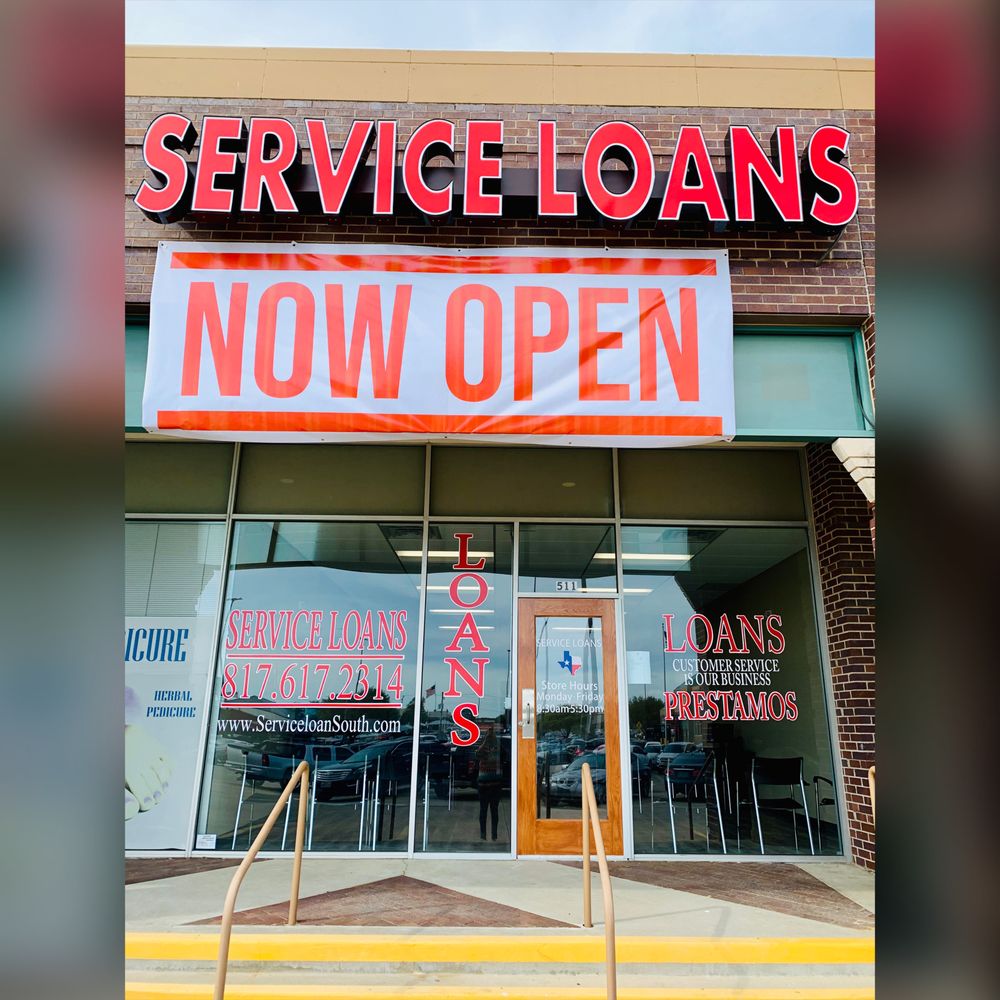
For individuals facing immediate financial distress or those with poor credit scores, local loan companies (often referred to as finance companies) and pawn shops represent alternative options. These lenders typically offer short-term, smaller loans, but often come with significantly higher interest rates and fees. Pawn shops require collateral, meaning you exchange a valuable item for a cash loan and must repay the loan plus interest to reclaim your item. While they offer quick cash without a credit check, the risk of losing your collateral is high. Local loan companies might offer unsecured loans but with rates that can be predatory, making it crucial to thoroughly understand the terms before committing. These options should generally be considered a last resort due to their high cost.
The Rise of Online and Fintech Lenders
In recent years, the digital revolution has transformed the lending landscape, making it possible to secure a loan from the comfort of your home, effectively bringing lenders “near you” through your devices.
Direct Online Lenders
Online lenders operate entirely digitally, often streamlining the application and approval process, leading to quicker funding times. Companies like LendingClub, SoFi, Prosper, and Avant offer personal loans, student loan refinancing, and other financial products. They often use advanced algorithms to assess creditworthiness, sometimes considering factors beyond traditional credit scores, which can be beneficial for those with limited credit history or unique financial profiles. The convenience, speed, and competitive rates (for eligible borrowers) make them an attractive option. However, the lack of face-to-face interaction might be a drawback for some, and vigilance against scams is always necessary.
Loan Aggregators and Comparison Sites
Websites like Credible, Bankrate, or NerdWallet act as marketplaces, allowing you to compare loan offers from multiple lenders (both online and traditional) by submitting a single application. This can save significant time and effort, providing a clear overview of different interest rates, terms, and eligibility requirements without impacting your credit score with multiple hard inquiries. They effectively bring a multitude of loan options “near you” in a digital sense, empowering you to make an informed decision based on your needs.
Deciphering Loan Types and Matching Them to Your Needs
Understanding the different types of loans available is paramount to selecting the most suitable financial product. Each loan type is designed for specific purposes and carries distinct features regarding interest rates, repayment terms, and collateral requirements.
Personal Loans
Personal loans are versatile, unsecured loans that can be used for almost any purpose, from debt consolidation and medical emergencies to home improvements or unexpected expenses. They typically have fixed interest rates and fixed repayment schedules, offering predictability in your monthly payments. Lenders assess your creditworthiness, income, and debt-to-income ratio to determine your eligibility and interest rate. They are a popular choice due to their flexibility and usually lower interest rates compared to credit cards.
Secured vs. Unsecured Loans
The primary distinction here lies in collateral.
- Unsecured Loans: These loans, like most personal loans, do not require collateral. Lenders approve them based solely on your creditworthiness and ability to repay. This means higher risk for the lender, which can translate to higher interest rates for borrowers with lower credit scores.
- Secured Loans: These loans require an asset as collateral (e.g., a car for an auto loan, a home for a mortgage or home equity loan, or even savings for a secured personal loan). The collateral reduces the lender’s risk, often leading to lower interest rates and more favorable terms, even for those with less-than-perfect credit. However, failure to repay means the lender can seize the collateral.

Specialized Loans for Specific Needs
- Auto Loans: Specifically designed for purchasing a vehicle, these are secured loans where the car itself serves as collateral. They typically offer competitive interest rates and structured repayment plans.
- Home Equity Loans (HELOANs) and Home Equity Lines of Credit (HELOCs): These allow homeowners to borrow against the equity they’ve built in their homes. HELOANs provide a lump sum with a fixed interest rate, while HELOCs offer a revolving line of credit that you can draw from as needed. Both are secured by your home, offering potentially lower interest rates but risking your home if you default.
- Business Loans: For entrepreneurs and small business owners, various types of business loans exist, from term loans and lines of credit to SBA-backed loans. Many local banks and credit unions specialize in small business lending, making them a key “near me” resource for local enterprises.
Essential Factors to Evaluate Before Applying
Before you commit to any loan, a thorough evaluation of its terms and your financial capacity is crucial. Overlooking key details can lead to unexpected costs and long-term financial strain.
Your Credit Score and History
Your credit score is arguably the most significant factor lenders consider. A higher score (generally 670 and above) indicates a lower risk, qualifying you for better interest rates and more favorable terms. If your credit score is low, focus on improving it before applying. Pay bills on time, reduce existing debt, and dispute any errors on your credit report. Some lenders specialize in loans for those with fair or poor credit, but these often come with higher interest rates.
Interest Rates and APR
The interest rate is the cost of borrowing money, expressed as a percentage of the principal. The Annual Percentage Rate (APR) provides a more comprehensive measure, as it includes the interest rate plus any additional fees associated with the loan. Always compare APRs when shopping for loans, as this gives you the true cost of borrowing. A small difference in APR can translate into significant savings or additional costs over the life of the loan.
Loan Terms and Repayment Schedules
The loan term is the period over which you agree to repay the loan. Shorter terms typically mean higher monthly payments but less interest paid overall, while longer terms lead to lower monthly payments but more interest accumulated. Understand the full repayment schedule, including the total amount you will repay. Ensure the monthly payments are comfortably within your budget, leaving room for other expenses and savings.
Fees and Hidden Costs
Beyond interest, loans can come with various fees:
- Origination Fees: A one-time fee charged by the lender for processing the loan.
- Late Payment Fees: Penalties for missing a payment deadline.
- Prepayment Penalties: Some lenders charge a fee if you pay off your loan earlier than scheduled.
- Application Fees: Less common for personal loans, but can exist for certain types of financing.
Always read the fine print and ask for a detailed breakdown of all potential fees to avoid surprises.
Navigating the Loan Application and Approval Process
Once you’ve identified potential lenders and understood the terms, the application process is the final hurdle. Being prepared can significantly streamline this stage.
Gathering Your Financial Documents
Before applying, assemble all necessary documentation. This typically includes:
- Proof of identity (government-issued ID)
- Proof of address (utility bill, lease agreement)
- Income verification (pay stubs, tax returns, bank statements)
- Employment verification
- Social Security Number
- Debt-to-income ratio documentation (existing loan statements, credit card balances)
Having these ready will expedite your application and demonstrate your preparedness to the lender.
Comparing Offers and Making a Decision
Do not accept the first offer you receive. Apply to several lenders (using pre-qualification tools that don’t impact your credit score, where available) and compare their offers side-by-side. Look beyond just the interest rate; consider the APR, fees, loan term, and customer service reviews. Choose the offer that best balances affordability, flexibility, and reputable lending practices for your specific needs.
Submitting Your Application and Understanding Approval
Once you select a lender, submit your formal application. This will usually involve a “hard inquiry” on your credit report, which can temporarily ding your score by a few points. Lenders will then review your application and documents. Approval times vary widely; online lenders often provide decisions within minutes to days, while traditional banks might take longer.
Disbursement of Funds
Upon approval, you’ll sign the loan agreement. The funds are then disbursed, typically via direct deposit into your bank account. The timeline for receiving funds can range from one business day for some online lenders to a week or more for traditional institutions. Ensure you understand when the funds will be available and when your first payment is due.
In conclusion, securing a loan “near me” involves a multifaceted approach, blending traditional local options with the expansive reach of online platforms. By diligently assessing your needs, understanding loan types, meticulously evaluating terms, and thoroughly preparing for the application, you can confidently navigate the borrowing landscape and find the financial solution that perfectly aligns with your objectives.
aViewFromTheCave is a participant in the Amazon Services LLC Associates Program, an affiliate advertising program designed to provide a means for sites to earn advertising fees by advertising and linking to Amazon.com. Amazon, the Amazon logo, AmazonSupply, and the AmazonSupply logo are trademarks of Amazon.com, Inc. or its affiliates. As an Amazon Associate we earn affiliate commissions from qualifying purchases.