
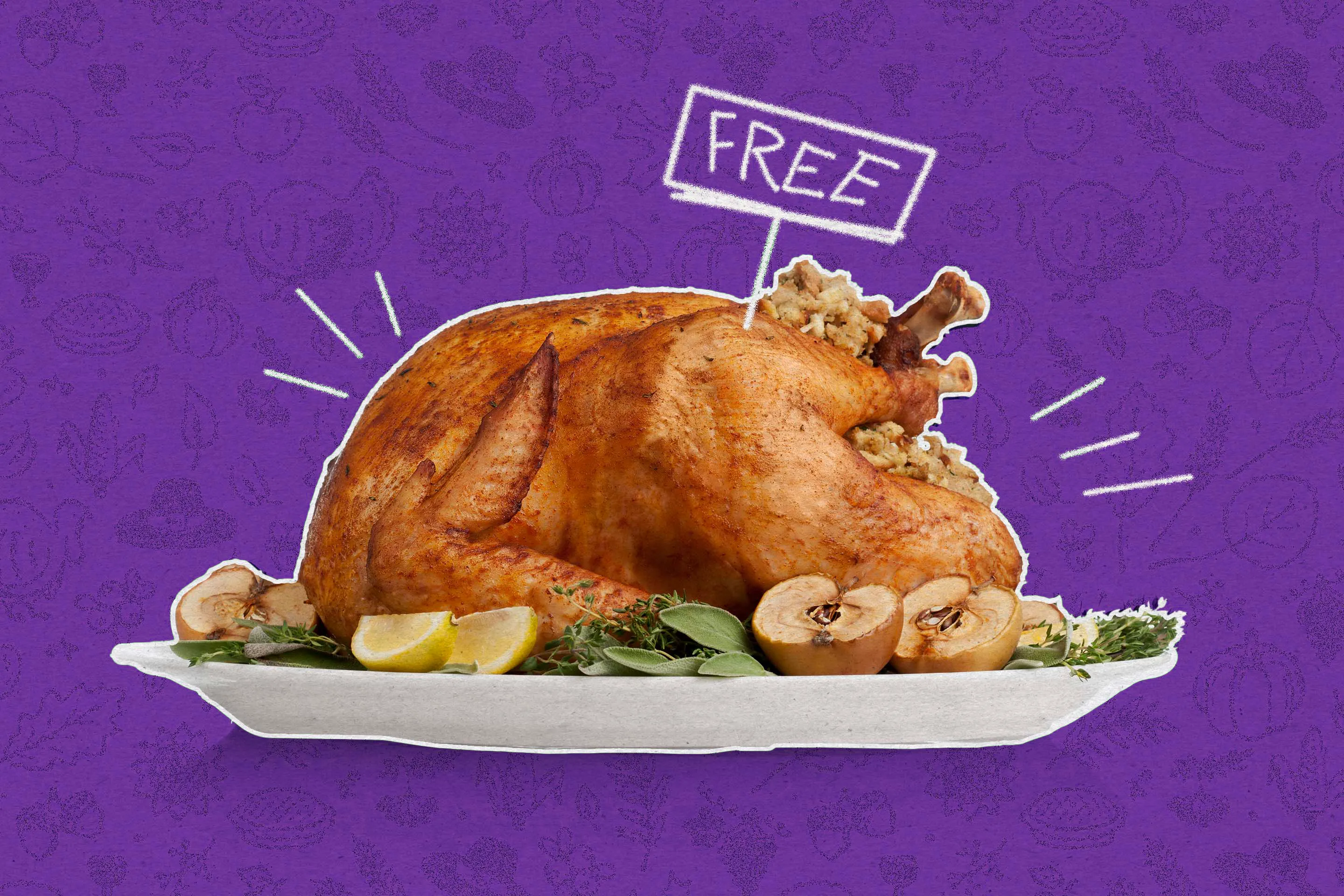
The holiday season, with its vibrant traditions and joyous gatherings, often brings with it significant financial pressures. For many families, the cornerstone of a festive meal – particularly the Thanksgiving turkey – can represent a substantial expense, potentially stretching already tight budgets. The question, “Where can I get a free turkey today?” is far more than a simple query; it’s a reflection of practical personal finance, resourceful budgeting, and the heartwarming spirit of community support during times of increased need. In a world where every dollar counts, especially during celebratory periods, understanding how to access these valuable resources can make the difference between a sparse table and a bountiful feast, allowing families to celebrate without undue financial strain. This article delves into the various avenues available for securing a free turkey, framing this search within the broader context of smart money management and leveraging community aid to navigate holiday expenses responsibly.

Understanding the Landscape of Free Turkey Programs
Accessing a free turkey often involves tapping into a network of generous organizations and thoughtful corporate initiatives designed to support individuals and families, particularly during peak holiday seasons. Identifying the right type of program is the first step in your search.
Community Outreach Programs and Food Banks
Local charities, religious institutions, and food banks are often the primary pillars of support for those seeking holiday meal assistance. Organizations like Feeding America-affiliated food banks, local United Way chapters, Salvation Army, and countless independent community pantries organize extensive drives specifically to distribute turkeys and other holiday fixings. These programs typically operate on a first-come, first-served basis or require pre-registration due to limited supplies. Eligibility often hinges on income levels, family size, and residency within a specific service area. It’s crucial to contact these organizations early in the holiday season – sometimes as early as October – to understand their specific requirements, application deadlines, and distribution schedules. A simple phone call or a visit to their website can provide invaluable information, outlining what documentation you might need, such as proof of address, identification, or income verification.
Corporate and Retailer Giveaways
Beyond charitable organizations, many major supermarkets and retail chains engage in promotional campaigns during the holidays that offer free turkeys. These are often structured as “purchase-with-purchase” deals, where customers receive a free turkey after spending a certain amount on groceries. For example, a supermarket might offer a free 12-pound turkey once a customer accumulates $100 or $150 in purchases over a specific period, or on a single transaction. While not entirely “free” in the strictest sense, these programs can be highly beneficial for families who would be buying groceries anyway. By strategically consolidating their shopping, they can effectively absorb the cost of the turkey into their regular budget. It’s essential to read the fine print for these promotions, noting any exclusions, required loyalty card usage, or specific product purchases that might be necessary. Some retailers also run sweepstakes or lottery-style giveaways, offering a chance to win a free turkey or gift cards for holiday meals.
Government and Non-Profit Initiatives
While less direct in offering individual turkeys, certain government and larger non-profit programs play a foundational role in supporting the networks that distribute free turkeys. Local social services departments, for instance, might not hand out turkeys directly, but they can often provide referrals to specific community organizations that do. Programs like the Supplemental Nutrition Assistance Program (SNAP) or Temporary Assistance for Needy Families (TANF) don’t directly give out turkeys, but the benefits they provide can free up household funds to purchase a turkey, or recipients can use their SNAP benefits at grocery stores that offer turkeys. Furthermore, large national non-profits often provide grants and bulk donations to local food banks, enabling them to purchase and distribute more turkeys to those in need. Understanding this broader ecosystem helps in identifying potential points of contact for assistance.
Strategies for Locating Free Turkey Programs in Your Area
Finding a free turkey isn’t always about knowing a single definitive source; it’s about employing smart search strategies and leveraging local networks to uncover opportunities specific to your community.
Local Searches and Online Databases
The internet is a powerful tool in your search. Start with targeted online searches using keywords like “free turkey giveaway [your city/county]” or “holiday food assistance [your state].” Websites for national organizations like Feeding America (feedingamerica.org), the Salvation Army (salvationarmyusa.org), and United Way (unitedway.org) have locator tools that can help you find local affiliates and their holiday programs. Many communities also have dedicated online resource directories or municipal websites that list local food banks and holiday assistance programs. Additionally, keep an eye on local news websites and social media pages, as these often announce upcoming distribution events.
Leveraging Local Networks
Sometimes, the most effective information comes from people within your own community. Reach out to local community centers, religious organizations (churches, synagogues, mosques, temples), and schools. These institutions often have direct knowledge of, or are themselves involved in, holiday assistance programs. School counselors or social workers, in particular, are excellent resources as they are keenly aware of families in need and the support systems available. Don’t hesitate to inquire with trusted neighbors, local parent groups, or community bulletin boards, as word-of-mouth can be incredibly effective in uncovering smaller, neighborhood-specific initiatives that might not be widely advertised online.
Monitoring Local News and Social Media
Local media outlets — newspapers, TV news channels, and radio stations — frequently highlight upcoming holiday food drives and distribution events as part of their community coverage. Following their websites and social media accounts (Facebook, Twitter, Instagram) can provide real-time updates and announcements. Similarly, joining local community groups on platforms like Facebook or Nextdoor can be beneficial. Members often share information about local giveaways, volunteer opportunities, and resources they’ve discovered. Being proactive in monitoring these channels can give you an edge in securing a turkey before supplies run out.
Maximizing Your Chances and Preparing for Pickup

Once you’ve identified potential sources, strategic action is crucial to successfully secure a free turkey. This involves understanding requirements, acting promptly, and preparing for the logistics of collection.
Eligibility Requirements and Documentation
Most programs offering free turkeys have specific eligibility criteria designed to ensure aid reaches those who need it most. Common requirements include income verification (e.g., pay stubs, benefits statements), proof of residency (utility bill, driver’s license), and identification for all household members (birth certificates, social security cards). Some programs might also ask about family size or if you are receiving other forms of public assistance. Before you visit or apply, make sure you understand exactly what documents are needed. Having all necessary paperwork organized and ready can significantly streamline the process and prevent delays or being turned away.
Early Action and Persistence
Free turkeys, especially around major holidays like Thanksgiving, are highly sought after, and supplies are limited. Programs often operate on a first-come, first-served basis, or have strict registration deadlines that can close weeks in advance. Therefore, early action is paramount. Begin your search as soon as you think you might need assistance, ideally several weeks before the holiday. If your first attempt isn’t successful, or one program runs out of turkeys, don’t give up. Persistence is key; there are often multiple organizations in a given area offering help. Have a list of backup options and be prepared to contact several different sources.
Logistics of Collection
Once you’ve been approved or identified a distribution event, pay close attention to the logistics of collection. Confirm the exact date, time, and location for pickup. Some distributions occur at central food banks, while others might be at churches or community centers. Consider how you will transport the turkey home; a frozen bird can be heavy and require appropriate insulated bags or a cooler if you have a significant distance to travel. Ensure you have adequate space in your vehicle. Also, confirm whether you need to bring your own bags or boxes for other potential holiday fixings that might be included. Being prepared for these practical details will ensure a smooth and successful pickup experience.
Beyond the Turkey: Broader Financial Wellness During Holidays
Securing a free turkey is a fantastic win for holiday budgeting, but it’s also an opportunity to reflect on broader strategies for financial wellness, especially during periods of increased spending.
Budgeting for Holiday Expenses
The free turkey can be the centerpiece of a larger holiday budget strategy. Beyond the main course, consider all other potential expenses: side dishes, desserts, decorations, gifts, and travel. Create a comprehensive holiday budget that allocates funds for each category. By securing a free turkey, you’ve already freed up a significant portion of your food budget, which can then be reallocated to other necessities or even set aside for savings. Look for other ways to save, such as using coupons, buying generic brands, or making gifts instead of purchasing them. A holistic approach to holiday budgeting minimizes stress and prevents post-holiday financial strain.
Exploring Other Food Assistance Options
Many organizations that offer free turkeys also provide other forms of food assistance throughout the year or during the holidays. This can include boxes of non-perishable goods, fresh produce, dairy products, and even holiday-specific sides like stuffing mix or canned vegetables. Don’t limit your inquiry solely to turkeys; ask about other available resources that can further reduce your grocery bill and ensure a well-rounded holiday meal for your family. Understanding the full spectrum of support available can be a game-changer for overall food security.
Sustainable Financial Practices
While holidays bring immediate financial concerns, consider how seeking assistance for a free turkey fits into your long-term financial health. It’s a reminder that seeking help when needed is a smart financial practice, not a sign of failure. Explore resources for year-round budgeting, debt management, and savings. Attend financial literacy workshops, utilize free budgeting apps, or consult with financial counselors. Building sustainable financial practices ensures that you’re better prepared for future holiday seasons and unexpected expenses, fostering greater economic resilience.
The Impact of Community Support and Giving Back
The availability of free turkey programs is a powerful testament to the strength of community and human kindness. It underscores the profound impact that collective effort can have on individual lives, especially during times of vulnerability and celebration.
The Role of Donors and Volunteers
Behind every free turkey program are countless generous individuals, businesses, and foundations who donate money, food, and time. Volunteers dedicate hours to organizing, packaging, and distributing meals, often sacrificing their own holiday preparations to ensure others can celebrate. Their selfless contributions are the backbone of these initiatives, transforming what might otherwise be a financially challenging period into one of warmth and shared abundance. This spirit of giving is a vital component of community well-being, demonstrating how collective compassion can address pressing needs.
Opportunities to Contribute
For those who are in a position to give, the holiday season offers numerous opportunities to contribute to these vital programs. Financial donations allow organizations to purchase turkeys and other food items in bulk, often at reduced costs. Food drives welcome non-perishable goods, and fresh produce or perishable items are sometimes accepted directly by food banks with proper storage facilities. Volunteering your time, whether it’s sorting donations, assisting with distribution, or helping with administrative tasks, is equally valuable. Contributing to these efforts, in any capacity, helps to strengthen the safety net for others and perpetuates the cycle of community support, ensuring that more families can enjoy a festive and worry-free holiday meal.
In conclusion, the quest for a free turkey today is a journey through community generosity, smart personal finance, and strategic resourcefulness. From local food banks and religious institutions to corporate promotions and wider aid networks, numerous avenues exist to help alleviate holiday meal costs. By understanding eligibility, acting early, and preparing diligently, individuals and families can secure this festive staple. More broadly, this search highlights the importance of proactive financial planning, leveraging available community resources, and fostering a spirit of mutual support. Ultimately, ensuring a free turkey on the table is not just about saving money; it’s about preserving dignity, fostering celebration, and reinforcing the enduring power of community to uplift and support one another during cherished times.
aViewFromTheCave is a participant in the Amazon Services LLC Associates Program, an affiliate advertising program designed to provide a means for sites to earn advertising fees by advertising and linking to Amazon.com. Amazon, the Amazon logo, AmazonSupply, and the AmazonSupply logo are trademarks of Amazon.com, Inc. or its affiliates. As an Amazon Associate we earn affiliate commissions from qualifying purchases.