
The credit card is perhaps the most versatile tool in the modern financial arsenal. Beyond serving as a medium for daily transactions, it acts as a bridge to building a robust credit history, a safety net for emergencies, and a vehicle for earning significant rewards on routine spending. However, for many, the initial question—”Where can I get a credit card?”—is often followed by a wave of confusion due to the sheer volume of options available.
In today’s interconnected economy, the sources for credit products have expanded far beyond the brick-and-mortar bank on the corner. From global financial conglomerates and local credit unions to disruptive fintech startups and retail giants, the options are diverse. Choosing where to apply depends heavily on your current credit standing, your financial goals, and your lifestyle. This guide explores the primary avenues for obtaining a credit card and provides strategic insights into making the right choice for your financial future.
1. Traditional Banking Institutions: The Classic Path to Credit
For most individuals, the first point of contact for a credit card is a traditional commercial bank. These institutions range from massive, multi-national entities to smaller regional banks. They offer the widest variety of products, catering to everyone from students and first-time cardholders to high-net-worth individuals seeking premium travel perks.
National Banks and Global Financial Giants
Major players like JPMorgan Chase, American Express, Citibank, and Capital One dominate the credit card market. These institutions are ideal for consumers looking for “best-in-class” rewards programs. Because of their scale, they can offer lucrative sign-up bonuses, extensive travel insurance, and sophisticated mobile apps.
The primary advantage of a national bank is accessibility and infrastructure. You can manage your accounts from anywhere in the world, and their fraud protection systems are among the most advanced in the industry. However, these banks often have stricter credit score requirements. If you are looking for a “premium” card (like a Sapphire Reserve or a Platinum Card), you will generally need a “Good” to “Excellent” credit score—typically 700 or higher.
Regional Banks and Community Lenders
If you prefer a more personalized touch or already have a mortgage or savings account with a local institution, regional banks are an excellent place to start. Banks such as PNC, Fifth Third, or SunTrust (now Truist) offer competitive credit products that are often integrated into their broader banking ecosystems.
Applying for a card where you already have an established relationship can sometimes work in your favor. If a human underwriter reviews your application, they may take your overall history with the bank into account, potentially helping you secure an approval that an automated system at a larger bank might deny.
2. The Rise of Credit Unions: Membership-Based Financial Alternatives
Credit unions are member-owned, not-for-profit cooperatives. This structural difference from traditional banks often translates into more consumer-friendly terms and a more community-focused approach to lending.
Understanding the Credit Union Advantage
Because credit unions do not have to answer to external shareholders, they frequently offer lower interest rates (APR) and fewer fees than big banks. For example, many credit union cards do not charge an annual fee or a foreign transaction fee.
For the borrower, the most significant benefit is often the flexibility in lending criteria. Credit unions are frequently more willing to work with individuals who have “Fair” credit or those who are just beginning to build their credit profiles. They often offer “Secured Credit Cards,” where the user provides a cash deposit that serves as the credit limit—a perfect starting point for someone looking to prove their creditworthiness.
Eligibility and Local Community Impact
The “catch” with credit unions is that you must be a member to apply for their products. Membership is usually based on “common bonds,” such as where you live, where you work, or organizations you belong to (like a labor union or a church). Some of the largest credit unions, such as Navy Federal Credit Union or PenFed, have broad eligibility requirements that include military members, veterans, and their families. Exploring a local credit union is a strategic move if you value lower costs and localized customer service over flashy travel rewards.
3. Digital-First Solutions: Fintechs and Neobanks
The last decade has seen a revolution in financial technology (Fintech). A new generation of “neobanks” and digital platforms has emerged, specifically designed to fix the friction points of traditional banking.
Streamlined Applications and Mobile-Centric Management
Companies like Chime, SoFi, and Petal have reimagined the credit card application process. These platforms often use “alternative data” to determine creditworthiness. Instead of looking solely at your FICO score, they might analyze your income, your spending habits, and your utility bill payment history.
This makes fintech companies an excellent source for younger consumers, immigrants who lack a domestic credit history, or those recovering from past financial mistakes. The application process is typically handled entirely within a mobile app and provides an instant decision, often with a “soft” credit pull that doesn’t hurt your score until you are officially approved.
Specialized Credit for Rebuilding or Modern Lifestyles
Many fintech cards are designed with specific niches in mind. For instance, the Apple Card is deeply integrated into the iOS ecosystem, offering daily cash back and a focus on privacy and simplicity. Other cards, like the X1 Card or TomoCredit, cater to high-earners who may not have long credit histories but possess high cash flow. If you live your life through your smartphone and want a card that offers real-time data visualization of your spending, the fintech route is likely your best bet.
4. Retailers and Co-Branded Partnerships: Strategic Spending Tools
Retailers are some of the most aggressive issuers of credit cards. Almost every major brand, from Amazon and Target to Costco and Delta Airlines, offers a co-branded credit card.
Store-Specific Cards vs. General Purpose Co-Branded Cards
It is important to distinguish between a “closed-loop” store card and a “co-branded” card. A closed-loop card (like a basic Kohl’s or Macy’s card) can only be used at that specific retailer. These are generally easier to get, even with poor credit, but they often come with very high interest rates and low credit limits.
A co-branded card (like the Amazon Prime Visa or the Costco Anywhere Visa) is backed by a major network like Visa or Mastercard. You can use these cards anywhere in the world. These cards are highly beneficial if you spend a significant portion of your budget at a single retailer. For instance, getting 5% back on all Amazon purchases or 4% back on gas via a Costco card can result in hundreds of dollars in annual savings.
Maximizing Loyalty Programs and Cash Back
The primary reason to get a card from a retailer or an airline is the loyalty boost. If you are a frequent flier on United or American Airlines, getting their co-branded card often provides perks like free checked bags, priority boarding, and accelerated miles. However, these cards are “strategic” tools; they should complement your primary credit card rather than replace it, as their rewards are often locked into a specific ecosystem.
5. How to Choose the Right Issuer for Your Financial Profile
Knowing where to get a credit card is only half the battle; knowing which one to apply for is where the real strategy lies. Applying for the wrong card can lead to a “hard inquiry” on your credit report without the benefit of an approval.
Evaluating Rewards, Interest Rates, and Fees
Before applying, you must conduct a self-audit of your finances.
- The Revolver: If you plan to carry a balance from month to month, your primary focus should be the APR. In this case, a local credit union or a “low-interest” bank card is your best option.
- The Transactor: If you pay your bill in full every month, the APR is irrelevant. Your focus should be on rewards (cash back or points) and the annual fee. Ensure the value you get from the rewards exceeds the cost of the fee.
- The Rebuilder: If your credit score is below 600, look for “Secured Cards” from reputable issuers like Capital One or Discover. These cards require a deposit but report to all three credit bureaus, helping you move toward an unsecured card over time.
The Application Process: Documentation and Credit Scores
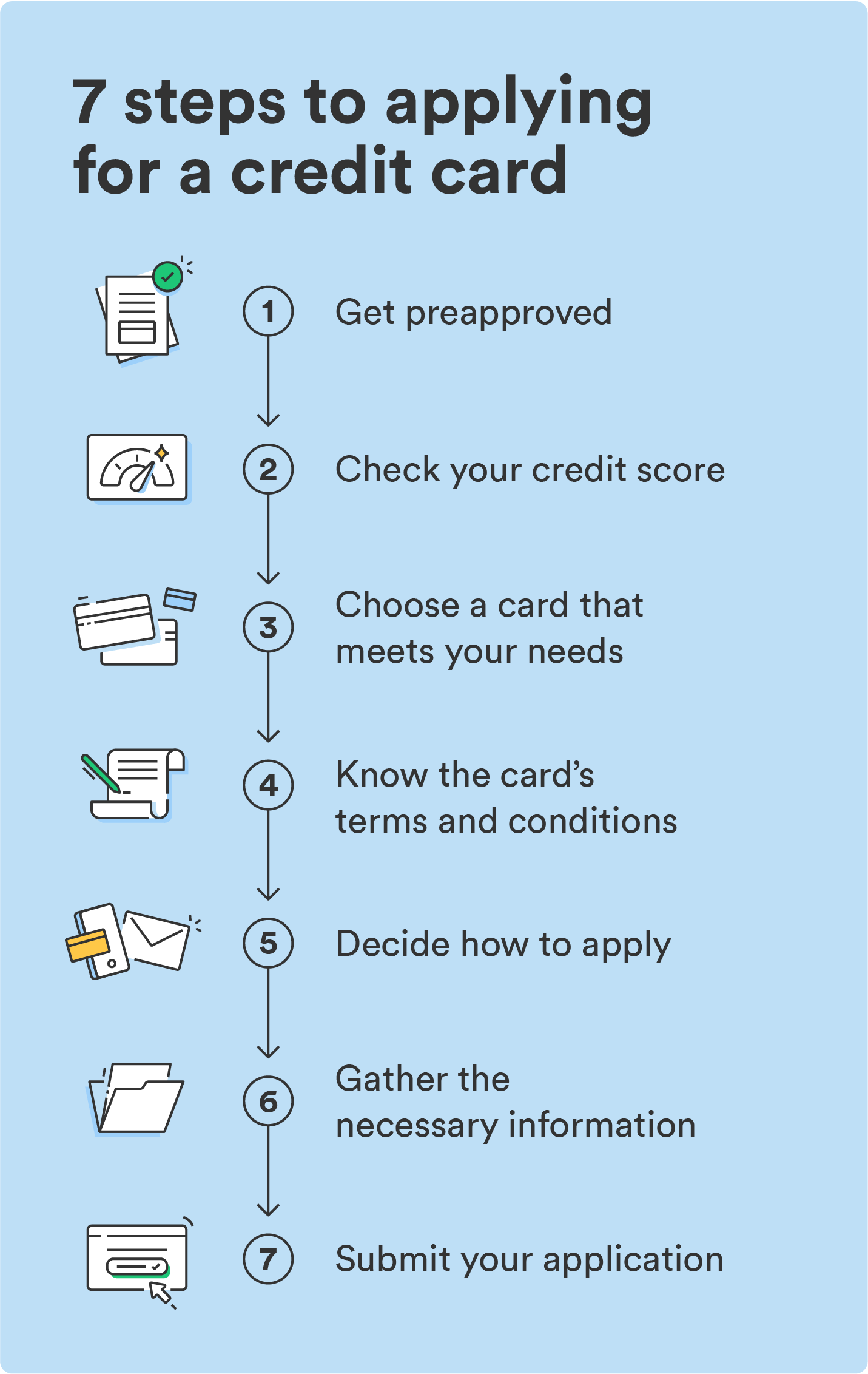
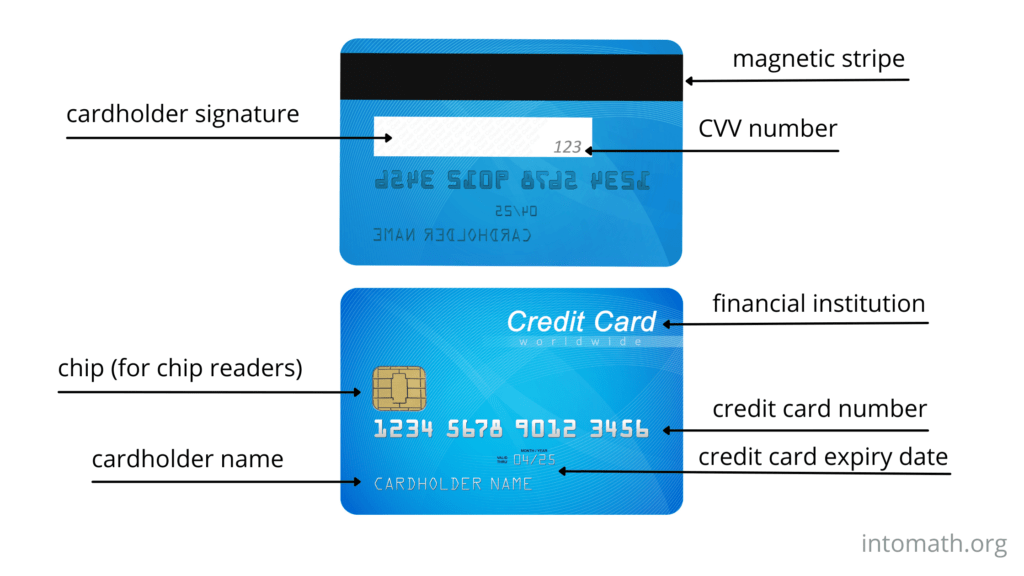
Once you have identified a source—be it a big bank, a credit union, or a fintech app—the application process is relatively standard. You will need to provide your Social Security Number, proof of income, and residential address.
A pro-tip for modern applicants is to use “pre-approval” or “pre-qualification” tools. Many issuers (like American Express, Chase, and Capital One) allow you to see which cards you are likely to be approved for without a hard hit to your credit score. This significantly reduces the risk of rejection and allows you to shop for the best possible terms.
In conclusion, the question of where to get a credit card has no single answer because the “best” place depends on your unique financial DNA. Whether you seek the prestige and rewards of a global bank, the community and low rates of a credit union, the innovation of a fintech startup, or the loyalty perks of a major retailer, the modern market has a solution. By understanding the strengths of each issuer and matching them to your spending habits and credit score, you can turn a simple piece of plastic into a powerful engine for financial growth.
aViewFromTheCave is a participant in the Amazon Services LLC Associates Program, an affiliate advertising program designed to provide a means for sites to earn advertising fees by advertising and linking to Amazon.com. Amazon, the Amazon logo, AmazonSupply, and the AmazonSupply logo are trademarks of Amazon.com, Inc. or its affiliates. As an Amazon Associate we earn affiliate commissions from qualifying purchases.