
For millions of Americans, the annual ritual of filing income taxes centers around one crucial document: IRS Form 1040. This seemingly simple form is the bedrock upon which the U.S. individual income tax system is built, summarizing your income, deductions, credits, and ultimately, calculating whether you owe more taxes or are due a refund. Whether you’re a seasoned taxpayer or facing your first filing season, knowing exactly “where to get a 1040” is the first step towards fulfilling your civic duty and managing your personal finances effectively. This guide will walk you through every available avenue to secure this vital document, alongside valuable insights into its importance and the broader tax preparation process.

Understanding the IRS Form 1040: What It Is and Why You Need It
Before diving into how to obtain a Form 1040, it’s critical to understand what it is and why it’s so indispensable. This foundational knowledge empowers you to approach tax season with greater confidence and clarity.
The Backbone of U.S. Individual Income Tax
At its core, Form 1040, U.S. Individual Income Tax Return, is the standard federal income tax form used by U.S. citizens and resident aliens to report their annual income to the Internal Revenue Service (IRS). It’s where you consolidate all your financial information from the previous calendar year, ranging from wages and salaries to investment income, business profits, and much more. The form then guides you through a series of calculations to determine your total tax liability, subtract any payments already made (such as withholdings from your paycheck), and arrive at either a balance due or a refund amount. Over the years, the Form 1040 has seen various iterations and accompanying schedules, but its fundamental purpose remains unchanged: to provide a complete picture of your taxable income and obligations.
Who Needs to File a Form 1040?
Not everyone is required to file a federal income tax return, but a vast majority of working adults and those with significant income sources will need to. Generally, your filing requirement depends on several factors, including your gross income, filing status (single, married filing jointly, head of household, etc.), age, and whether you are a dependent of someone else. The IRS sets specific gross income thresholds for each filing status. If your income exceeds these thresholds, you are typically required to file a Form 1040. Even if you don’t meet the filing threshold, you might still want to file if you had federal income tax withheld from your pay or if you qualify for certain refundable tax credits, such as the Earned Income Tax Credit (EITC) or the Child Tax Credit, as filing is the only way to receive a refund.
Key Information Reported on Form 1040
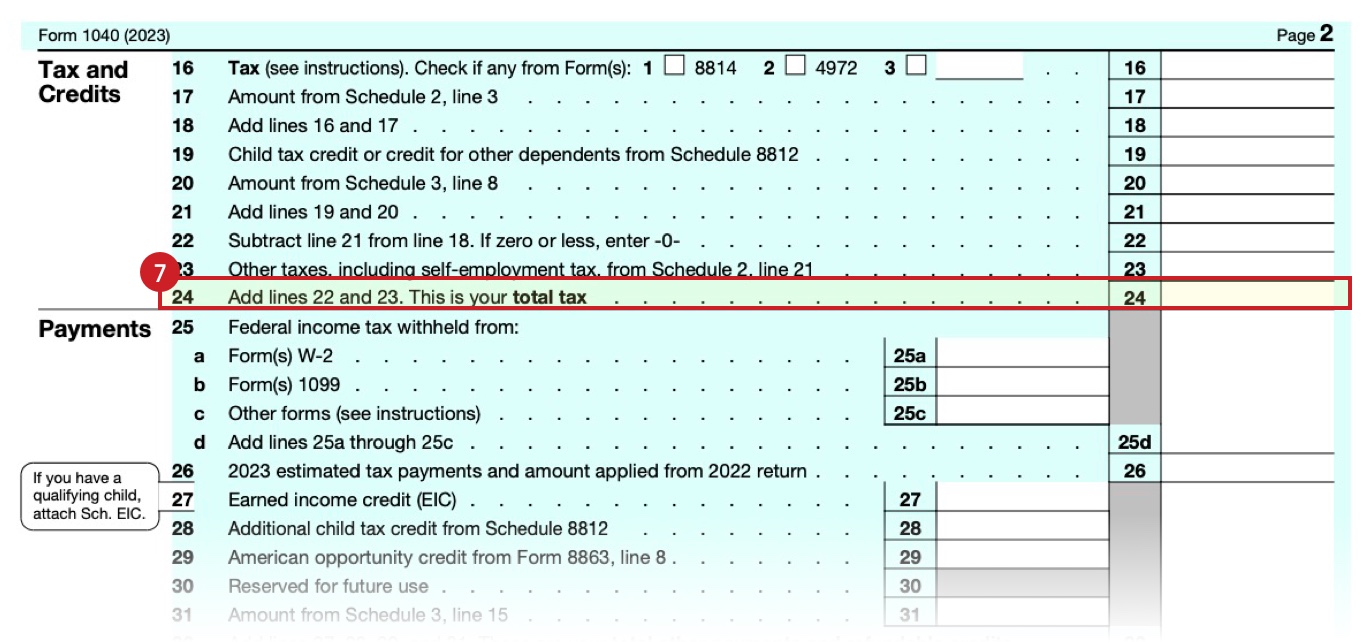
The Form 1040 is structured to capture a comprehensive array of financial data. It starts with basic personal information: your name, address, Social Security number, and filing status. From there, it moves into income sections, where you report wages (from W-2 forms), interest (from 1099-INT), dividends (from 1099-DIV), capital gains/losses (from 1099-B), business income (from Schedule C), and other types of income. Below the income section, you’ll find adjustments to income (formerly called “above-the-line” deductions), such as student loan interest or self-employment tax deductions. Then come the standard or itemized deductions, which reduce your adjusted gross income (AGI) to arrive at taxable income. Finally, the form details tax credits, which directly reduce your tax liability dollar-for-dollar, and calculates any payments you’ve already made through withholding or estimated taxes. Understanding these components is crucial, as accurately populating them directly impacts your final tax outcome.
Digital Pathways: Obtaining Form 1040 Online
In the modern digital age, the internet has become the most convenient and popular method for obtaining tax forms. The IRS, alongside various software providers, has streamlined access, making it easier than ever to get your hands on a Form 1040 with just a few clicks.
Directly from the IRS Website
The official Internal Revenue Service website (IRS.gov) is the definitive source for all federal tax forms and publications. This is arguably the most reliable and direct way to obtain a Form 1040. The site offers current and prior year forms, instructions, and publications in PDF format, available for free download. You simply navigate to the “Forms, Instructions & Publications” section, search for “Form 1040,” and select the tax year you need. The advantage of this method is its directness and accuracy; you’re getting the form straight from the source, ensuring you have the latest official version. It’s an excellent option for those who prefer to fill out forms manually or use a print-and-file approach.
Through Tax Preparation Software
For many taxpayers, downloading a blank Form 1040 and filling it out manually seems daunting. This is where tax preparation software comes into play. Services like TurboTax, H&R Block Tax Software, TaxAct, and FreeTaxUSA are designed to guide you through the entire tax filing process, including generating your Form 1040 and any necessary schedules. When you use these platforms, you don’t typically “download” a blank 1040 in the traditional sense. Instead, you input your financial information into their user-friendly interfaces, and the software populates and calculates all the necessary fields on your behalf. At the end of the process, you can often review and print your completed Form 1040 before electronically filing it with the IRS. Many of these software options offer free versions for simple tax situations, making them accessible to a wide audience.
Downloading Fillable PDFs
While the IRS website primarily offers static PDF forms, some third-party websites and even certain tax software providers offer “fillable” PDF versions of Form 1040. These forms allow you to type directly into the fields on your computer screen before printing, which can be more convenient than handwriting. However, it’s crucial to exercise caution when using third-party sites. Always ensure the source is reputable and that the form is an official, up-to-date IRS document. While fillable PDFs can simplify the typing process, they typically do not perform calculations for you, meaning you’ll still need to manually calculate totals and ensure accuracy, often with the help of the official IRS instructions.
Traditional Routes: Getting Form 1040 Offline
While digital methods offer unparalleled convenience, not everyone has reliable internet access, or some simply prefer a more traditional, tangible approach to tax preparation. Fortunately, several offline avenues remain available for obtaining a physical copy of Form 1040.
At Your Local Post Office or Library
During tax season (typically late January through April), many local post offices and public libraries make common federal tax forms, including Form 1040 and its accompanying schedules, available for free to the public. These locations often have a dedicated rack or counter where you can pick up the forms you need. This method is particularly convenient for those who live near such facilities and prefer to work with paper forms. It’s advisable to call ahead during peak tax season to confirm availability, as supplies can sometimes run out quickly. Libraries, in particular, often serve as community hubs for tax-related assistance, sometimes even hosting IRS-certified volunteers.

Requesting by Mail from the IRS
If you prefer to receive your forms directly from the IRS but don’t want to print them yourself, you can request them by mail. The IRS offers a “Order Forms, Instructions, and Publications” service on its website, or you can call their toll-free number (1-800-TAX-FORM, or 1-800-829-3676). When ordering, you’ll need to specify which forms and instructions you require, including Form 1040, and provide your mailing address. While this method guarantees you receive official IRS forms, it takes time. You should factor in several business days for delivery, so plan accordingly to ensure you receive your forms well before the filing deadline. This option is ideal for those who are not in a rush and appreciate having physical copies delivered to their doorstep.
Visiting a Taxpayer Assistance Center (TAC)
For a more personalized approach, you can visit an IRS Taxpayer Assistance Center (TAC). These offices are run by the IRS and provide in-person help with various tax issues, including obtaining forms. While forms are generally available, the primary purpose of TACs is to offer direct assistance with tax law questions, account inquiries, or issues you can’t resolve online or by phone. It’s often recommended to make an appointment before visiting a TAC, especially during tax season, as walk-in services can be limited and wait times long. You can find your nearest TAC location and its operating hours on the IRS website. This option is particularly beneficial if you have complex questions that might accompany your need for the form itself.
Beyond the Form: Tools and Assistance for Filing Your 1040
Obtaining Form 1040 is just the beginning of your tax journey. Successfully completing and filing it often requires additional resources, tools, and sometimes, professional guidance. Understanding these support systems can demystify the tax process and ensure accuracy.
Free File Program: Eligibility and Benefits
For many low- and moderate-income taxpayers, the IRS offers the Free File program. This partnership between the IRS and leading tax software companies allows eligible individuals to prepare and e-file their federal tax returns for free using guided tax preparation software. The income threshold for eligibility changes annually but typically covers a significant portion of taxpayers. If your Adjusted Gross Income (AGI) falls below this threshold, you can access brand-name software, usually at no cost. Even if your AGI is above the threshold, you might still qualify for Free File Fillable Forms, which is an electronic version of IRS paper forms that you fill out yourself. The Free File program is a powerful resource for saving money on tax preparation fees and efficiently filing your return electronically.
Professional Tax Preparers: When to Seek Expert Help
While many taxpayers comfortably prepare their own Form 1040, certain situations warrant the expertise of a professional tax preparer. If you have a complex financial situation—such as owning a business, navigating intricate investments, dealing with foreign income, or experiencing significant life changes like marriage or divorce—a professional can be invaluable. Tax preparers, including Certified Public Accountants (CPAs), Enrolled Agents (EAs), or other tax professionals, can ensure you take advantage of all eligible deductions and credits, minimize your tax liability, and avoid costly errors. They stay up-to-date on ever-changing tax laws and can provide peace of mind. While there’s a cost associated with their services, the potential savings and stress reduction can often outweigh the fees.
Essential Documents for Form 1040 Preparation
Regardless of how you obtain your Form 1040 or who prepares it, having all your necessary documents organized beforehand is critical. This streamlined approach saves time and reduces the likelihood of errors. Key documents include:
- Income Statements: W-2 forms (from employers), 1099-NEC (nonemployee compensation), 1099-MISC (miscellaneous income), 1099-INT (interest income), 1099-DIV (dividend income), K-1 forms (from partnerships, S corporations, and trusts), 1099-B (stock sales), 1099-R (retirement distributions), and SSA-1099 (Social Security benefits).
- Proof of Deductions and Credits: Receipts for itemized deductions (medical expenses, state/local taxes, mortgage interest from Form 1098, charitable contributions), records for educational expenses (Form 1098-T), child care expenses (provider’s EIN and amount paid), and documentation for health savings accounts (Form 1099-SA).
- Other Relevant Documents: Last year’s tax return, copies of estimated tax payments, and any correspondence from the IRS.
Gathering these documents well in advance can transform a potentially stressful task into a manageable process, ensuring your Form 1040 accurately reflects your financial year.
Proactive Tax Planning: Minimizing Future Headaches
Successfully navigating the current tax season is an achievement, but true financial acumen lies in proactive planning for the future. Understanding key tax deadlines, maintaining diligent records, and considering estimated tax payments can significantly reduce stress and improve your financial health in subsequent years.
Understanding Tax Deadlines
The most well-known tax deadline is typically April 15th (or the next business day if it falls on a weekend or holiday) for filing individual federal income tax returns for the previous calendar year. However, this isn’t the only date to be aware of. If you need more time, you can file for an extension, which generally grants you an additional six months (until mid-October) to file your return, though it does not extend the time to pay any taxes you owe. Other critical deadlines exist for quarterly estimated tax payments (for self-employed individuals or those with significant income not subject to withholding), contributing to IRAs or HSAs for the prior tax year, and various business-related filings. Mark these dates on your calendar and set reminders to avoid penalties and interest.
Record Keeping Best Practices
Effective record-keeping is the unsung hero of stress-free tax filing. Beyond simply having your W-2s, a robust system for tracking all financial transactions related to income, deductions, and credits throughout the year is invaluable. This could involve using digital spreadsheets, accounting software, or simply a dedicated physical folder for tax-related documents. The IRS generally recommends keeping tax records for at least three years from the date you filed your original return or two years from the date you paid the tax, whichever is later. For specific situations, like worthless securities or bad debt deductions, the retention period can be much longer. Good record-keeping not only simplifies tax preparation but also serves as vital documentation if your return is ever questioned by the IRS.
The Importance of Estimated Taxes
For individuals who are self-employed, own a business, or have significant income not subject to withholding (such as rental income, interest, dividends, or capital gains), estimated taxes are a critical component of their financial planning. The U.S. tax system operates on a pay-as-you-go basis. If you don’t have an employer withholding taxes from your pay, you’re generally required to make quarterly estimated tax payments using Form 1040-ES. Failing to pay enough tax throughout the year through withholding and/or estimated payments can result in penalties, even if you pay your full balance by the April deadline. Understanding your income streams and projecting your tax liability throughout the year can help you make accurate estimated payments, thereby avoiding penalties and managing your cash flow more effectively.
In conclusion, the Form 1040 is more than just a piece of paper; it’s a critical tool for managing your financial obligations and, often, receiving entitled refunds. Whether you opt for the digital convenience of the IRS website or tax software, or the tangible comfort of a physical form from a post office, numerous avenues exist to acquire it. Beyond obtaining the form, leveraging available resources like the Free File program, understanding when to consult a professional, and adopting proactive tax planning habits will empower you to navigate the complexities of personal finance and successfully fulfill your tax responsibilities year after year.
aViewFromTheCave is a participant in the Amazon Services LLC Associates Program, an affiliate advertising program designed to provide a means for sites to earn advertising fees by advertising and linking to Amazon.com. Amazon, the Amazon logo, AmazonSupply, and the AmazonSupply logo are trademarks of Amazon.com, Inc. or its affiliates. As an Amazon Associate we earn affiliate commissions from qualifying purchases.