
The modern travel experience is built upon layers of sophisticated technology designed to streamline the movement of millions of people across the globe. At the heart of this logistical web is a single, critical data point: the flight number. While it may seem like a simple alphanumeric code, the flight number is the primary key used by Global Distribution Systems (GDS), airline software, and consumer-facing applications to track, manage, and update travel itineraries.
In the transition from paper-based ticketing to a fully digital infrastructure, the location of this number has shifted from physical cardstock to a variety of digital touchpoints. Identifying where to find your flight number is no longer just about looking at a piece of paper; it is about knowing how to navigate the software ecosystems that power contemporary aviation.
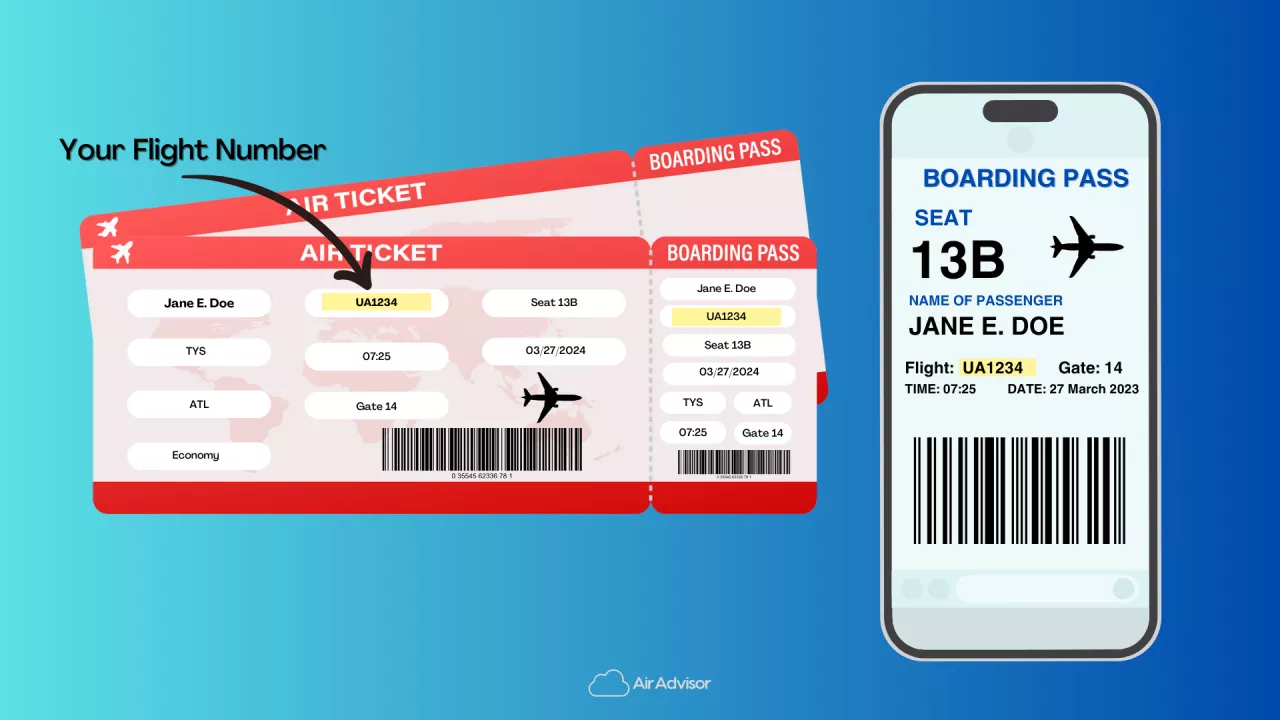
Understanding the Digital Architecture of Your Flight Number
Before diving into the specific digital locations of a flight number, it is essential to understand what this data point represents in the realm of aviation technology. A flight number—typically consisting of a two-character IATA airline code followed by a one- to four-digit number—is not just a label. It is a dynamic identifier within a carrier’s scheduling software.
The Format: What a Flight Number Tells You
From a technical perspective, flight numbers are assigned based on specific algorithms that often denote directionality or importance. For example, many airlines assign even numbers to eastbound or northbound flights and odd numbers to westbound or southbound flights. This systematic numbering allows air traffic control software and airline management systems to categorize data efficiently. When you search for this number, you are accessing a specific entry in an airline’s database that links to a tail number (the physical aircraft), a flight path, and a scheduled slot at an airport.
The Role of PNR vs. Flight Number
A common point of confusion in travel technology is the distinction between the Passenger Name Record (PNR) and the flight number. The PNR, often called a confirmation code or record locator, is a six-character alphanumeric string that identifies your specific reservation in the database. The flight number, however, identifies the service itself. Most travel apps will display both, but for the purpose of tracking a plane’s real-time status via AI tools or flight trackers, the flight number is the essential identifier.
Leveraging Apps and Digital Wallets to Locate Flight Data
The most immediate place to find a flight number in the modern era is within the mobile application ecosystem. Airlines have invested billions into developing “Super Apps” that act as a centralized hub for passenger data.
Airline Native Applications
Upon logging into an airline’s mobile app—such as those provided by Delta, United, or Lufthansa—the flight number is typically surfaced on the home screen or the “My Trips” dashboard. These apps use real-time API calls to the airline’s backend server to fetch your itinerary. The flight number is usually prominently displayed at the top of the digital boarding pass or within the flight details card. The technical advantage of using native apps is the integration of push notifications; if a flight number changes due to a technical equipment swap or a codeshare adjustment, the app UI updates dynamically.
Apple Wallet and Google Pay Integration
For users who prefer not to navigate deep into a specific airline app, digital wallets offer a streamlined alternative. When you check in online, you are often given the option to “Add to Apple Wallet” or “Save to Google Pay.” These files use the .pkpass format, which contains structured metadata. Once the pass is added to your digital wallet, the flight number is extracted from the metadata and displayed in a high-contrast, easily readable format on the digital card. Furthermore, these wallets are programmed to surface the flight number on your device’s lock screen using geofencing technology when you are near the airport.
Third-Party Aggregators and Itinerary Management Software
For frequent travelers, tools like TripIt or App in the Air provide a consolidated view of multiple bookings across different carriers. These platforms function by parsing data from your confirmation emails or via direct API integrations with travel agencies. They use sophisticated parsing algorithms to identify the string patterns of flight numbers (e.g., “AA123” or “LH400”) and organize them into a chronological timeline. This software is particularly useful for finding flight numbers in complex multi-leg journeys where different airlines are involved.
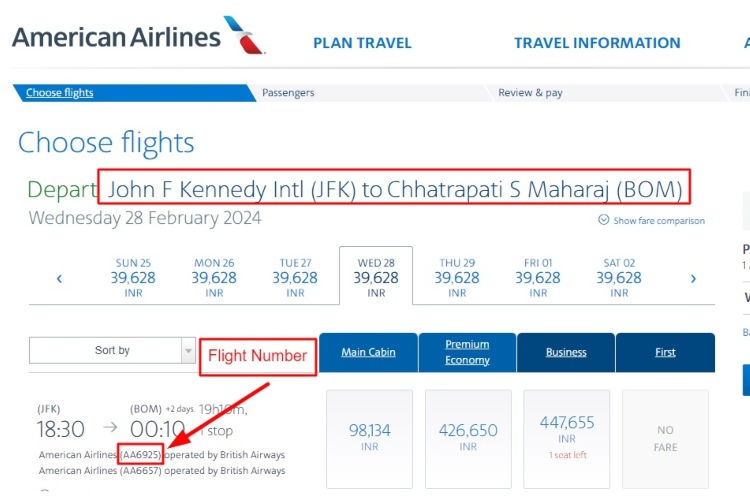
Analyzing Digital Receipts and Confirmation Emails
Despite the rise of apps, the confirmation email remains the “source of truth” for most digital transactions. However, finding the flight number in a wall of text can be a challenge.
The Smart Scanning Features of Modern Email Clients
Modern email platforms like Gmail and Outlook have integrated AI-driven “smart features” that automatically detect travel itineraries. When a confirmation email arrives, the software identifies the schema-markup embedded in the HTML of the email. This allows the email client to create a “summary card” at the top of the message. This card distills the most important information—departure time, arrival time, and the flight number—into a visual widget, saving the user from having to scroll through long terms and conditions or promotional content.
Finding Flight Numbers in PDF E-Tickets
If you are looking at a PDF attachment, which is essentially a digital printout of your ticket, the flight number is usually located in a structured table. Most airline software generates these documents with a standard layout: the flight number is typically found next to the “Flight” or “Carrier” heading. Because PDFs are often non-reflowable, you can use the “Find” function (Ctrl+F or Cmd+F) and type the name of the airline or the word “Flight” to jump directly to the relevant data point.
Real-Time Tracking and AI-Powered Search Tools
If you have lost your confirmation email and do not have the airline app installed, you can still find your flight number using external digital tools that tap into global aviation databases.
Using Search Engines as Instant Trackers
Search engines like Google and Bing have become powerful interfaces for flight data. If you know your departure city, destination, and airline, you can simply type a query such as “Delta flights from JFK to LAX today.” The search engine’s AI will pull a list of active flight numbers for that route from its indexed database. This is a form of “fuzzy searching” where the software matches your intent with real-time flight schedules provided by aggregators like OAG or FlightStats.
Flight Awareness Software and Live Mapping APIs
For a more technical approach, platforms like FlightAware or Flightradar24 allow you to find a flight number by looking at a live map. These services use ADS-B (Automatic Dependent Surveillance-Broadcast) technology, which receives signals directly from aircraft transponders. By clicking on a plane icon over a specific geographic area at a specific time, you can reveal its flight number, altitude, and speed. This is the most direct way to identify a flight number based on physical location rather than administrative records.
Digital Security: Protecting Your Flight Information
As you locate and handle your flight number and associated booking data, it is vital to consider the digital security implications. While a flight number itself is public knowledge, it is often tied to sensitive personal data through your boarding pass and PNR.
The Risks of Sharing Boarding Pass Screenshots
A common mistake in the age of social media is posting a screenshot of a digital boarding pass that contains the flight number and a QR code or Aztec code. These barcodes are not just random patterns; they are encrypted data blocks. A simple barcode-scanning app can extract your full name, frequent flyer number, and PNR from that image. With just the flight number and PNR, an unauthorized individual could potentially log into the airline’s “Manage Booking” portal and cancel your flight or change your seat.
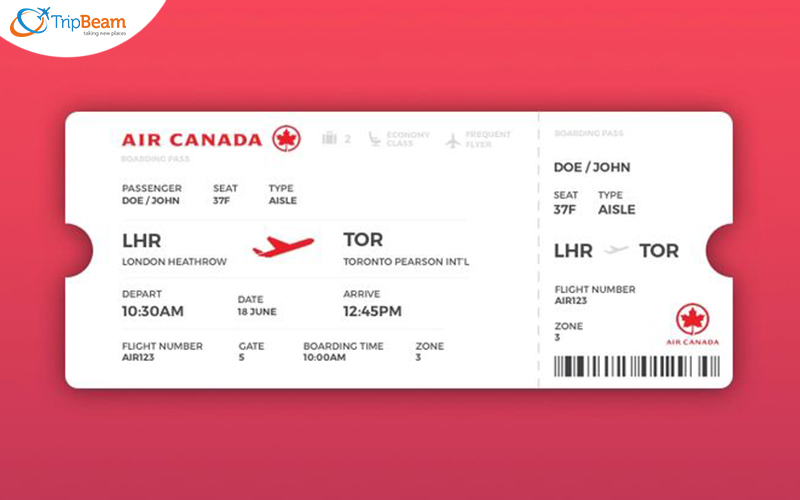
Encryption and Privacy in Travel Tech
To combat these risks, travel technology is moving toward more secure methods of displaying flight information. Modern airline apps use tokenization to ensure that the data displayed on your screen is a secure representation of the data in the backend, rather than a raw, vulnerable string. Furthermore, multi-factor authentication (MFA) is becoming standard for accessing itinerary details. When you go to find your flight number in an app, you may be required to provide a biometric scan (FaceID or fingerprint), ensuring that your travel data—including that critical flight number—remains private.
In conclusion, finding your flight number is a task that spans multiple layers of the digital world, from AI-enhanced email clients and centralized mobile wallets to real-time ADS-B tracking software. By understanding how these technologies organize and surface data, travelers can navigate the complexities of modern aviation with greater efficiency and security. Whether you are looking at a smart-scanned email or a live-tracking map, the flight number serves as your digital anchor in the global airspace.
aViewFromTheCave is a participant in the Amazon Services LLC Associates Program, an affiliate advertising program designed to provide a means for sites to earn advertising fees by advertising and linking to Amazon.com. Amazon, the Amazon logo, AmazonSupply, and the AmazonSupply logo are trademarks of Amazon.com, Inc. or its affiliates. As an Amazon Associate we earn affiliate commissions from qualifying purchases.