
In an era dominated by instantaneous digital transfers, mobile wallets, and contactless payments, the humble paper check remains a resilient and necessary tool in the world of personal and business finance. Whether you are setting up a direct deposit for a new job, authorizing an automated clearing house (ACH) payment for your mortgage, or simply trying to link your bank account to a new investment platform, you will inevitably be asked for your routing and account numbers. For many, staring at a slip of paper covered in mysterious symbols and sequences of digits can be confusing. Understanding how to navigate the anatomy of a check is not just a matter of convenience; it is a fundamental skill in financial literacy that ensures your money moves accurately and securely.
Decoding the Anatomy of a Paper Check
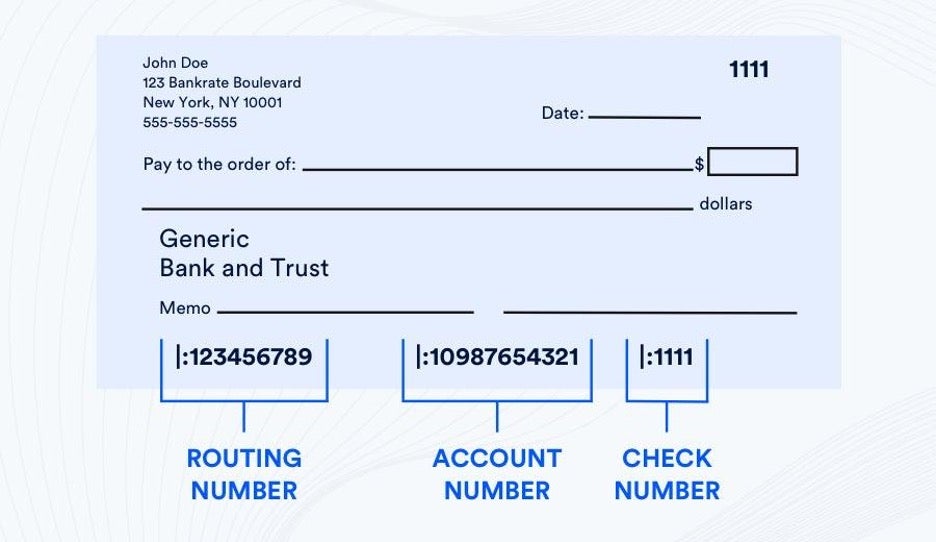
The layout of a check is standardized to ensure that banks and automated systems can process transactions with high precision. While the aesthetic design of the check—the background image or the font of your name—might vary, the placement of critical financial data is almost always identical across all financial institutions in the United States. To find your account number, you must look at the “MICR line,” the string of characters printed in a unique magnetic ink at the very bottom of the document.
The Routing Number: The First Set of Digits
The first nine digits on the bottom-left corner of your check constitute the ABA (American Bankers Association) routing transit number. Think of this as the “address” for your specific bank. It identifies the financial institution responsible for the funds. In the sequence, the routing number is usually flanked by a specific symbol (a vertical line with a colon). This number is essential because it directs the financial system to the correct bank out of the thousands operating globally.
The Account Number: The Second Set of Digits
Immediately following the routing number is your unique account number. This is the “internal address” that tells the bank exactly which vault—or digital ledger—the funds should be drawn from. Account numbers vary in length depending on the bank’s internal systems, typically ranging from 8 to 12 digits. On a standard personal check, the account number is located in the middle of the MICR line. It is usually followed by a symbol that resembles a small square or a bracket. This is the specific number you need when a form asks for your “Bank Account Number.”
The Check Number: The Final Sequence
The final set of digits at the bottom-right of the MICR line is the check number. This is a short sequence (usually 3 or 4 digits) that corresponds to the number printed in the top-right corner of the check. Its purpose is purely for tracking and reconciliation. By identifying the check number, you can keep a record of which payments have cleared and which are still outstanding. When looking for your account number, be careful not to mistake these final digits for part of your account sequence, as doing so will cause your transaction to be rejected.
Why Knowing Your Account Number Matters in Modern Finance
While you might rarely write a physical check to pay for groceries, the information contained on that check is the “key” to the modern plumbing of the financial world. Your account number is the primary identifier for nearly all non-card-based electronic transactions.
Setting Up Direct Deposits and Automated Payments
For most employees, the first encounter with a check’s account number happens during the onboarding process. To receive your salary via direct deposit, your employer requires a voided check or the specific routing and account numbers found on it. Similarly, setting up “autopay” for recurring bills like utilities, insurance, or car loans often requires these numbers. Using your account number for these transactions is frequently preferred over using a debit card because it avoids the “convenience fees” that some vendors charge for processing card payments.
Facilitating Wire Transfers and ACH Transactions
In the realm of high-value finance, such as purchasing real estate or making large business investments, wire transfers are the gold standard. A wire transfer requires absolute precision; a single digit error in the account number can result in funds being sent to the wrong person or getting stuck in a “suspense account” for weeks. Understanding exactly where your account number is located ensures that these high-stakes transfers occur without friction.
Verifying Information for Online Financial Tools
As we move toward a more integrated “Open Banking” environment, many people use third-party apps for budgeting, investing, or tax preparation. Tools like Mint, YNAB, or Robinhood often require you to link your primary checking account. While many now use secure portals to log in directly to your bank, some still require the manual entry of your account and routing numbers. Having a check on hand is the fastest way to verify this data without needing to log in to your online banking portal and navigate through various sub-menus.
Ensuring Security When Sharing Banking Information

Your bank account number is a sensitive piece of financial data. Unlike a credit card number, which can be easily changed if compromised, your bank account number is often linked to your identity for years, if not decades. Guarding this information is a critical aspect of personal financial security.
Protecting Your MICR Line from Prying Eyes
The MICR line—the string of numbers at the bottom of your check—is designed to be read by high-speed sorting machines using magnetic sensors. However, it is also easily readable by humans and cameras. When you provide a check to a merchant or a service provider, you are essentially handing over the keys to your liquid assets. Always ensure you are dealing with reputable entities. If you are asked to provide a “voided check” for a legitimate purpose, write “VOID” in large letters across the center of the check, ensuring you don’t obscure the routing and account numbers at the bottom.
The Risks of Fraudulent Check Duplication
Check fraud remains a multi-billion dollar problem. Fraudsters can use the account and routing numbers from a single check to create counterfeit checks or to authorize unauthorized ACH withdrawals. This is why many financial experts recommend “Positive Pay” systems for businesses and “Account Alerts” for individuals. By knowing exactly where your account number is and how it is used, you can better monitor your statements for any suspicious activity that doesn’t match your check register.
Safe Alternatives to Physical Checks in the Digital Age
If you are uncomfortable sharing the physical account number found on a check, many modern banks offer “virtual” account numbers or secure digital verification services. Furthermore, using a bank’s “Bill Pay” feature allows the bank to send a payment on your behalf, often keeping your specific account number hidden from the recipient. Understanding the traditional check layout allows you to appreciate these modern security layers even more.
Common Misconceptions and Troubleshooting Tips
Not every check looks exactly the same, and different financial institutions have slight variations that can lead to confusion. Being able to troubleshoot these differences is key to maintaining a smooth financial life.
Distinguishing Between Business and Personal Check Formats
Business checks are often larger than personal checks and may have a different layout. In some business formats, the check number might appear before the routing number in the MICR line, or it might be located at the top of the check only. If you are managing a business account, always look for the nine-digit routing number first; the account number will almost always be the sequence immediately following it, regardless of where the check number is placed.
What to Do If Your Check Doesn’t Follow the Standard Layout
Some smaller credit unions or international banks may use non-standard layouts. If you see a sequence of numbers that doesn’t seem to fit the 9-digit routing / variable-digit account / short-digit check number format, do not guess. Contact your bank’s customer service or check your monthly statement. Your statement will always list your account number clearly, which you can then cross-reference with the digits on your check to confirm you are looking at the right section.
Using Mobile Banking Apps to Retrieve Account Details
If you don’t have a physical checkbook handy, your mobile banking app is your best resource. Most apps have a “Direct Deposit” or “Account Details” section that displays your routing and account numbers in a clear, digital format. This is often more reliable than reading a physical check, as it eliminates the risk of misreading a digit or a symbol.
The Future of Banking: Are Paper Checks Still Relevant?
As we look toward the future of money, the physical check is slowly being phased out in favor of e-checks and real-time payment rails. However, the logic of the routing and account number system is likely to persist for a long time.
The Shift Toward E-Checks and Digital Wallets
An “e-check” is essentially a digital version of the paper check process. It uses the same account and routing numbers to pull funds through the ACH network. Even as we transition to platforms like FedNow or Zelle, the underlying architecture often still relies on these core banking identifiers. Learning where to find these numbers on a check today gives you the foundational knowledge needed to navigate the digital financial products of tomorrow.

Why the MICR System Remains a Banking Standard
The MICR (Magnetic Ink Character Recognition) system was developed in the 1950s and has remained the global standard because of its incredible reliability. The symbols and font (typically E-13B or CMC-7) are designed to be error-proof. Even if a check is wrinkled, smudged, or torn, the magnetic ink allows bank hardware to read the account number accurately. This legacy of reliability is why, despite the rise of blockchain and AI, the simple account number on the bottom of a check remains the most trusted way to move money across the global financial ecosystem.
By mastering the simple task of identifying your account number, you take control of your financial identity. You ensure that your paychecks arrive on time, your bills are paid without penalty, and your accounts remain secure in an increasingly complex economic landscape.
aViewFromTheCave is a participant in the Amazon Services LLC Associates Program, an affiliate advertising program designed to provide a means for sites to earn advertising fees by advertising and linking to Amazon.com. Amazon, the Amazon logo, AmazonSupply, and the AmazonSupply logo are trademarks of Amazon.com, Inc. or its affiliates. As an Amazon Associate we earn affiliate commissions from qualifying purchases.