
In the modern financial landscape, the ability to move money efficiently is a cornerstone of personal finance management. Whether you are setting up a direct deposit for a new job, authorizing an automated bill payment, or sending a wire transfer to a family member, you will inevitably be asked for two critical pieces of information: your account number and your routing number. While most people can easily find their account number on a bank statement, the routing number—often referred to as an ABA routing transit number (RTN)—frequently causes confusion.

Understanding where to find this number and how it functions within the global financial infrastructure is essential for anyone looking to master their personal finances. This guide will explore the various methods for locating your routing number, the nuances of its application, and how it serves as a vital tool in your financial arsenal.
Understanding the ABA Routing Number and Its Role in Personal Finance
Before diving into the “where,” it is crucial to understand the “what.” The routing number is a nine-digit code that identifies a specific financial institution in the United States. Developed by the American Bankers Association (ABA) in 1910, this system was designed to facilitate the sorting, bundling, and shipment of paper checks. Today, it serves as the digital address for your bank within the electronic payment network.
What is a Routing Number?
At its core, the routing number is a unique identifier. Think of your account number as your specific “apartment number” and the routing number as the “ZIP code” for the entire building. The nine digits are not random; they provide specific information to the Federal Reserve and other financial institutions. The first two digits indicate the Federal Reserve district where the bank is located, the third digit identifies the Federal Reserve check processing center, and the remaining digits identify the specific bank itself.
Routing Number vs. Account Number: Knowing the Difference
One of the most common mistakes in personal finance is swapping the routing and account numbers. While the routing number identifies the bank, the account number identifies your specific holdings within that bank. For a transaction to be successful, both must be accurate. If you provide an incorrect routing number, the funds may be sent to the wrong institution or, more commonly, the transaction will be rejected, potentially leading to late fees or missed payments.
The Importance of the Routing Number in the ACH Network
Most domestic transfers in the U.S. occur through the Automated Clearing House (ACH) network. This network relies heavily on routing numbers to ensure that trillions of dollars move safely between institutions every year. From your monthly Netflix subscription to your IRS tax refund, the routing number is the silent engine driving these movements.
Primary Methods to Locate Your Routing Number
Locating your routing number is generally a straightforward process, provided you know where to look. Depending on your preference for physical or digital tools, there are several reliable ways to retrieve this information.
The Physical Checkbook: The Traditional Source
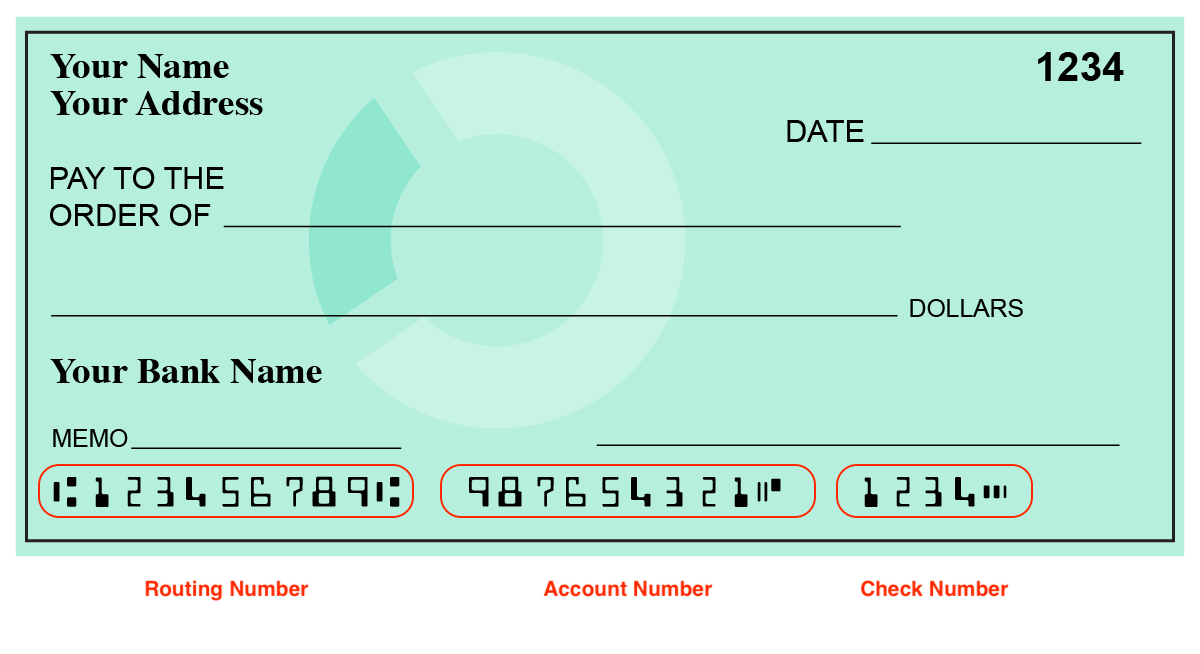
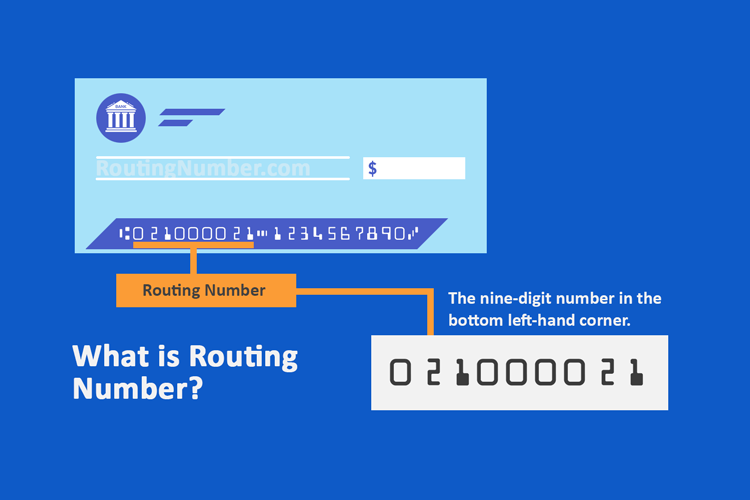
For those who still use paper checks, the most reliable place to find your routing number is at the bottom of a check. If you look at the bottom-left corner, you will see a string of numbers printed in a specialized font known as MICR (Magnetic Ink Character Recognition).
The routing number is the first set of nine digits on the far left, usually flanked by a specific symbol. The second set of numbers is typically your account number, and the third set is the specific check number. It is important to look at a check, not a deposit slip; some banks use different routing numbers for deposits than they do for withdrawals.
Leveraging Online Banking and Mobile Apps
In the era of digital-first finance, most consumers no longer carry checkbooks. Fortunately, banks have integrated routing information into their digital platforms. To find your routing number online, log in to your bank’s secure portal or mobile app and navigate to “Account Details,” “Settings,” or “Account Information.”
In many apps, you may need to click on the specific account (e.g., “Primary Checking”) to view the full details. Many banks also provide a “Find Routing Number” link in their FAQ or Help sections. This method is often the most secure, as it requires multi-factor authentication to access.
Official Bank Websites and Customer Service
If you do not have access to your online account, most banks list their routing numbers on their public-facing websites. You can typically find this by searching for “[Bank Name] + routing number” on a search engine or looking at the footer of the bank’s homepage.
However, a word of caution: large national banks often have different routing numbers based on the state or region where you opened your account. If you opened an account in New York but now live in California, you must use the New York routing number associated with that specific branch. If you are unsure, calling the bank’s customer service line is the safest way to verify the correct number.
Specialized Financial Transactions Requiring Routing Information
While a standard ACH routing number covers most daily needs, certain financial activities require specialized numbers. Understanding these distinctions is a key component of sophisticated financial management.
Domestic vs. International Transfers (SWIFT/BIC)
If you are sending or receiving money across international borders, a standard nine-digit ABA routing number will not suffice. International transactions typically use the SWIFT (Society for Worldwide Interbank Financial Telecommunication) network.
Instead of a routing number, you will need a SWIFT code or a BIC (Bank Identifier Code). These are 8 to 11 characters long and identify banks globally. When managing international investments or paying overseas vendors, ensure you are requesting the SWIFT/BIC code rather than the domestic routing number to avoid significant delays and high wire-rejection fees.
Direct Deposits and Government Payments
Setting up a direct deposit for your salary or government benefits like Social Security is one of the most common uses for a routing number. In these instances, the “ACH Routing Number” is what you need. Most employers provide a form that asks for this number alongside a voided check. Using the correct number ensures that your hard-earned money arrives in your account on time, helping you maintain a consistent cash flow for your budgeting needs.
Wire Transfers: The “Other” Routing Number
It is a common misconception that there is only one routing number per bank. In reality, many larger institutions maintain separate routing numbers for “Electronic/ACH” transfers and “Wire” transfers. Wire transfers are processed through a different system (the Fedwire Funds Service) and are usually used for high-value, time-sensitive transactions like real estate closings. Always double-check with your bank to see if they have a dedicated wire routing number; using the ACH number for a wire transfer is a frequent cause of transaction failure.
Security Best Practices for Your Financial Identifiers
As with any piece of financial data, your routing and account numbers should be handled with care. While a routing number alone is not enough for someone to steal your identity—after all, they are printed on every check you write—the combination of your routing and account numbers provides a gateway to your funds.
Is a Routing Number Public Knowledge?
To some extent, yes. Routing numbers for major banks like Chase, Bank of America, or Wells Fargo are publicly available on their websites. Because the routing number only identifies the institution, it is not “secret” in the same way a password or Social Security number is. However, it is the first half of the key to your bank account.
Protecting Your Full Financial Identity
The real risk arises when your routing number is paired with your account number. With these two pieces of information, an unauthorized individual could potentially initiate an ACH debit (an electronic withdrawal) from your account. To protect yourself:
- Monitor your accounts: Use personal finance tools or banking apps to set up alerts for any transaction over a certain dollar amount.
- Secure your checks: If you still use paper checks, keep them in a locked drawer. Do not leave them in your car or unsecured mailboxes.
- Be wary of phishing: Never provide your routing or account numbers over email or to an unverified caller. Legitimate financial institutions will never ask for these details in an unsolicited communication.
Troubleshooting Common Routing Number Issues
Even with the right information, financial logistics can sometimes get complicated. Being aware of potential pitfalls can save you hours of administrative headache.
Bank Mergers and Changing Numbers
The banking industry is a landscape of constant change. When banks merge or are acquired, routing numbers often change. Usually, the “old” routing number will remain active for a transition period (often several months or even a year), but eventually, you will need to update your direct deposits and automated payments. If your bank has recently undergone a merger, proactively check their website for updates regarding their ABA transit numbers.
Fractional Routing Numbers
On some checks, you might see a “fractional” routing number, usually located in the top-right corner near the check number. This is an older system used for manual processing. While it contains the same information as the nine-digit routing number at the bottom, modern electronic systems and mobile deposit apps almost exclusively use the nine-digit MICR line. If a form asks for your routing number, always use the nine-digit version from the bottom left.
Out-of-State Accounts
As mentioned previously, large banks often have regional routing numbers. If you move across the country but keep your old bank account, your routing number does not change to match your new location. It stays tied to the branch where the account was originally opened. This is a common point of confusion for people setting up local utility payments in a new city. Always use the number associated with the account’s origin, regardless of where you currently reside.
Conclusion: Mastering Your Financial Tools
The routing number is more than just a string of digits; it is a fundamental component of the financial infrastructure that allows for the seamless flow of capital in our economy. By knowing exactly where to find this number—whether on a physical check, through a mobile app, or via an official bank portal—you empower yourself to manage your personal finances with greater precision and confidence.
In an era where “fintech” and “personal finance” are increasingly intertwined, understanding these basic identifiers is the first step toward more advanced financial literacy. Whether you are automating your savings, investing in the market, or simply ensuring your bills are paid on time, your routing number is the bridge between your intentions and your financial reality. Keep it accessible, keep your account details secure, and continue to leverage these tools to build a robust financial future.
aViewFromTheCave is a participant in the Amazon Services LLC Associates Program, an affiliate advertising program designed to provide a means for sites to earn advertising fees by advertising and linking to Amazon.com. Amazon, the Amazon logo, AmazonSupply, and the AmazonSupply logo are trademarks of Amazon.com, Inc. or its affiliates. As an Amazon Associate we earn affiliate commissions from qualifying purchases.