
In the modern financial landscape, your bank account number serves as the foundational “DNA” of your personal economy. It is the unique identifier that allows funds to flow in and out of your possession, whether you are receiving a hard-earned paycheck via direct deposit or paying monthly utilities. Despite its importance, the account number is often kept discreetly hidden by financial institutions to protect against unauthorized access.
For many, the need to locate this number arises during high-stakes moments—setting up a new job’s payroll, applying for a mortgage, or integrating a new financial app. Understanding the various channels through which you can access this information, as well as the security protocols surrounding it, is an essential skill in personal finance management. This guide provides a comprehensive overview of how to locate your account number across digital and physical platforms while maintaining the highest standards of financial security.
The Essential Distinction: Account Numbers vs. Routing Numbers
Before embarking on a search for your account number, it is vital to distinguish it from its constant companion: the routing number. Confusing these two is a common error that can lead to rejected transfers or delayed payments.
Identifying Your Unique Account Number
Your bank account number is a unique set of digits assigned specifically to your individual account (checking, savings, or money market). Unlike a routing number, which is shared by everyone who uses the same bank in a specific region, your account number is your personal financial fingerprint. Most account numbers in the United States range between 8 and 12 digits, though some institutions may use up to 17. It functions as the specific “address” within the bank’s internal system where your money resides.
Understanding the Purpose of the Routing Number
The American Bankers Association (ABA) routing number is a nine-digit code that identifies the specific financial institution involved in a transaction. Think of the routing number as the “zip code” for your bank. It tells the global financial system which building to send the money to, while the account number tells them which specific “mailbox” inside that building belongs to you. You will almost always need both numbers to complete an Electronic Funds Transfer (EFT).
Why the Distinction Matters for Financial Safety
Mistyping a routing number usually results in a generic error because the system cannot find the bank. However, mistyping an account number can potentially send funds to the wrong individual or cause a significant administrative headache. Professional financial management requires a “double-check” culture—always verify both numbers independently before confirming a transaction.
Digital Access: Finding Your Account Number via Mobile and Online Platforms
In the era of FinTech, most consumers interact with their banks through digital interfaces. While these platforms are designed for convenience, they also include “security by design” features that may mask your account number to prevent shoulder-surfing or unauthorized screenshots.
Navigating Your Bank’s Mobile App
The most common way to find your account number today is through your bank’s mobile application. Once you have authenticated your identity via biometrics (FaceID or fingerprint) or a passcode, you should navigate to the specific account in question.
- Select the Account: Tap on your “Checking” or “Savings” balance.
- Account Details/Info: Look for a tab or icon labeled “Account Details,” “Settings,” or a small “i” (information) icon.
- Unhide the Number: For security, many apps show only the last four digits (e.g., ****6789). You will usually see an icon shaped like an eye or a button labeled “Show” that reveals the full string of digits.
Using Web Browsers for Online Banking Portals
If you prefer using a desktop or laptop, the online banking portal offers a more expansive view of your financial data. After logging in through the bank’s official website, look for a “Summary” or “Accounts” page. Often, clicking on the name of the account will open a drawer or a new page containing the full account number and the routing number. Many banks also provide a “Download Voided Check” or “Direct Deposit Form” feature on their websites, which automatically generates a document containing all necessary numbers for your employer or service provider.
Security Features in Digital Banking Access
When accessing your account number digitally, ensure you are on a private, secure Wi-Fi network. Public Wi-Fi at cafes or airports can be intercepted by malicious actors. Furthermore, ensure that your bank has Multi-Factor Authentication (MFA) enabled. This ensures that even if someone gains access to your password, they cannot reach the screen displaying your account number without a secondary code sent to your mobile device.
Physical Documentation: Traditional Methods of Locating Account Details

While digital methods are fast, physical documents remain the most reliable “paper trail” for verifying banking information. If you do not have a smartphone or access to the internet, these traditional methods are your primary resource.
Reading a Personal Check: The Bottom-Line Formula
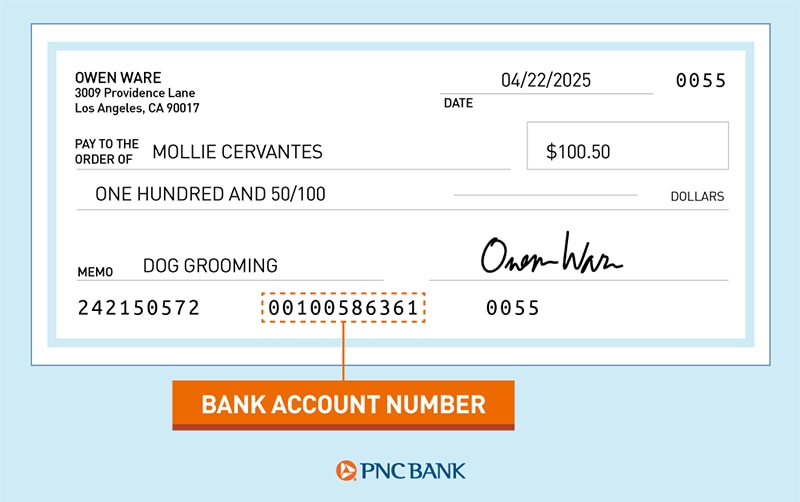
A personal check is perhaps the most straightforward way to find your account number. At the bottom of every check is a string of numbers printed in a special font called MICR (Magnetic Ink Character Recognition). This line contains three distinct sections:
- The Routing Number: The first nine digits on the left.
- The Account Number: The set of numbers in the middle (usually followed by a unique symbol).
- The Check Number: The short sequence on the far right, which matches the number in the top right corner of the check.
It is important to ignore the check number when providing your account information for a transfer.
Analyzing Monthly Statements and Paper Records
Every month, your bank generates a statement summarizing your transactions. Whether you receive this in the mail or download it as a PDF, the account number is prominently displayed, usually at the top right or top left of the first page. Note that some banks may “mask” the account number on the statement for security, showing only the last few digits. If this is the case, you may need to refer to your original “Account Opening” documents provided when you first joined the institution.
Locating Numbers on Official Bank Correspondence and Tax Forms
If you cannot find a check or a statement, look for tax documents such as a 1099-INT (interest income form). Financial institutions are required to provide these annually if your account earned interest. These forms almost always list the full or partial account number for IRS identification purposes. Additionally, the “Welcome” packet you received when opening the account serves as a legal record of your account details.
Strategic Situations: When You Need Your Account Number the Most
Knowing where to find your account number is only half the battle; understanding when and how to use it strategically is key to sophisticated financial management.
Setting Up Direct Deposits and Automated Payroll
The most frequent request for an account number comes from Human Resources departments. To receive your salary directly into your account, you will need to provide your account and routing numbers. Many companies now use automated portals like Workday or ADP. When entering this data, ensure you are using the “Direct Deposit” routing number, as some large banks have different routing numbers for wire transfers versus standard ACH (Automated Clearing House) deposits.
Managing Electronic Funds Transfers (EFT) and Wire Transfers
When moving large sums of money—such as a down payment for a house—you will likely use a wire transfer. This process is more immediate than an ACH transfer but requires absolute precision. In these cases, it is often best to call your bank or visit a branch to confirm the specific “Wire Transfer Routing Number,” as it may differ from the number found on your checks. Providing the wrong number in a wire transaction can lead to the funds being held in a “clearing account” for days while the error is rectified.
Utilizing Financial Apps and Third-Party Integration
Modern personal finance often involves tools like Mint, YNAB (You Need A Budget), or Venmo. These apps use secure APIs to link to your bank. While they often use “Plaid” or similar services to connect without you needing to type in your account number, there are times when manual entry is required. Always verify the legitimacy of an app before inputting your account number. Look for 256-bit encryption and a clear privacy policy that states they do not sell your financial data.
Safeguarding Your Financial Identity: Best Practices for Account Information
Your bank account number is a gateway to your liquid assets. Protecting it is just as important as protecting your Social Security number or your physical wallet.
Protecting Your Information from Social Engineering
Scammers often use “phishing” or “vishing” (voice phishing) to trick individuals into revealing their account numbers. A legitimate bank will never call, text, or email you asking for your full account number or your password. If you receive a suspicious request, hang up and call the official number on the back of your debit card. Professional financial institutions already have your information; they do not need you to provide it to them via an unsolicited communication.
Responding to a Compromised Account Number
If you suspect that your account number has fallen into the wrong hands—perhaps through a lost checkbook or a compromised website—time is of the essence. You should immediately contact your bank’s fraud department. In most cases, the bank will “freeze” the account and issue you a new account number. While this requires updating all your direct deposits and automatic bill payments, it is a necessary step to prevent unauthorized withdrawals.

The Role of Multi-Factor Authentication in Financial Privacy
In the niche of personal finance, MFA is the gold standard of security. By requiring a second form of verification to view sensitive details like your account number, you create a fail-safe. Even if a hacker manages to log into your online banking using a stolen password, they will be blocked from seeing your full account number without the physical token or mobile code in your possession.
By mastering the various ways to locate your bank account number and understanding the context in which it is used, you empower yourself to navigate the financial world with confidence and security. Whether through a mobile app, a paper check, or a formal statement, your account information is the key to managing your wealth effectively. Always treat this information with the professional care it deserves.
aViewFromTheCave is a participant in the Amazon Services LLC Associates Program, an affiliate advertising program designed to provide a means for sites to earn advertising fees by advertising and linking to Amazon.com. Amazon, the Amazon logo, AmazonSupply, and the AmazonSupply logo are trademarks of Amazon.com, Inc. or its affiliates. As an Amazon Associate we earn affiliate commissions from qualifying purchases.