
Finding cheap auto insurance is a critical component of a healthy personal finance strategy. In an era of rising inflation and fluctuating market conditions, the cost of vehicle ownership can quickly spiral out of control if not managed with precision. However, “cheap” should not be synonymous with “inadequate.” The goal for any savvy consumer is to find the intersection of minimal cost and maximum protection. Securing an affordable policy requires a deep dive into how insurance companies assess risk, an understanding of the competitive landscape, and a commitment to leveraging every available financial lever to lower premiums.
Understanding the Variables That Drive Your Premiums
To find the most affordable auto insurance, one must first understand the calculus used by underwriters to determine rates. Insurance is essentially the pricing of risk; the more likely you are to file a claim, the higher your premium will be. By identifying the factors within your control, you can systematically lower your profile as a high-risk client.
The Impact of Credit-Based Insurance Scores
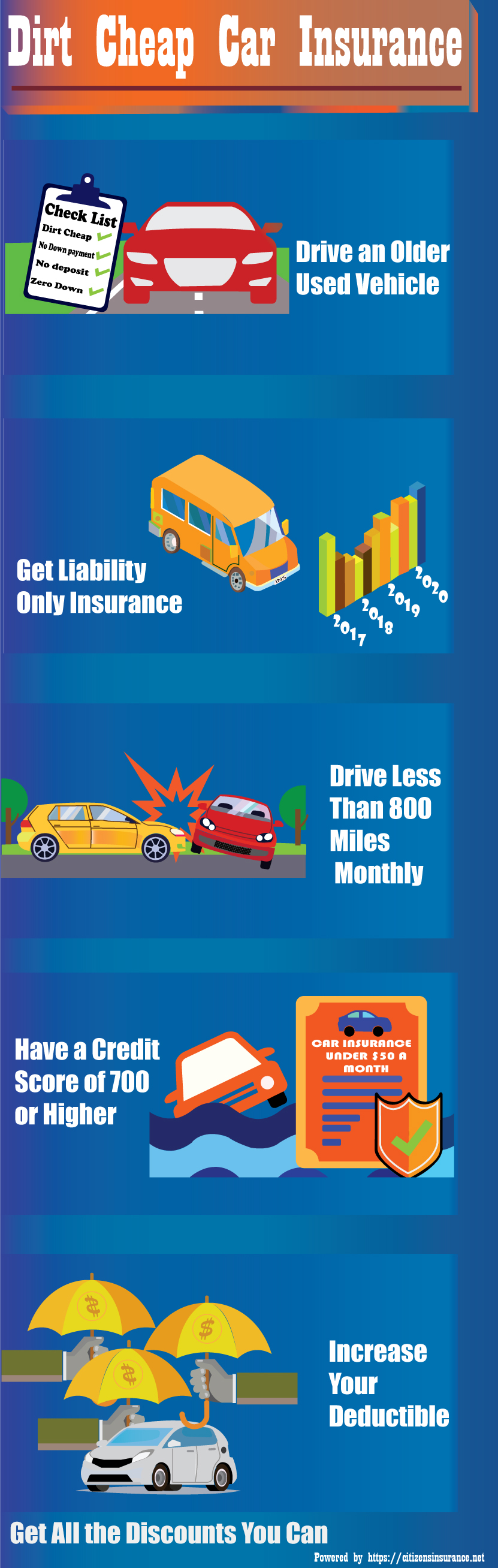
In the realm of personal finance, your credit score is often your most valuable asset. In most states, insurance companies use a credit-based insurance score to predict the likelihood of a policyholder filing a claim. Statistically, individuals with higher credit scores tend to file fewer claims and are perceived as more financially responsible. If your credit is in the “fair” or “poor” range, you may be paying double what a driver with “excellent” credit pays for the exact same coverage. Improving your credit score by paying down revolving debt and ensuring on-time payments is one of the most effective long-term strategies for securing cheap auto insurance.
Driving History and Risk Profiling
Your motor vehicle record (MVR) is the primary document insurers review. A clean driving record—free of speeding tickets, at-fault accidents, and DUIs—is the fastest ticket to low rates. Most insurance companies look back three to five years. If you have incidents on your record, time is your best ally. As these infractions age, their impact on your premium diminishes. Additionally, many carriers offer “accident forgiveness” programs, which, while sometimes requiring a small upfront fee, can prevent a massive rate hike after a single mistake.
Geographic and Vehicle-Specific Factors
Where you park your car matters as much as how you drive it. Zip codes with high rates of theft, vandalism, or heavy traffic congestion naturally command higher premiums. Furthermore, the type of vehicle you choose to insure is a major cost driver. High-performance sports cars and luxury vehicles are more expensive to repair and more likely to be stolen. Conversely, vehicles equipped with advanced safety features, such as lane-departure warnings and automatic emergency braking, often qualify for significant discounts because they reduce the severity and frequency of accidents.
Strategic Comparison Shopping Techniques
The insurance market is highly fragmented, with hundreds of carriers ranging from national giants to small regional players. Because each company uses a unique proprietary algorithm to calculate risk, prices for the same level of coverage can vary by thousands of dollars per year. Comparison shopping is not just a suggestion; it is a financial necessity.
Leveraging Online Aggregators and Direct Insurers
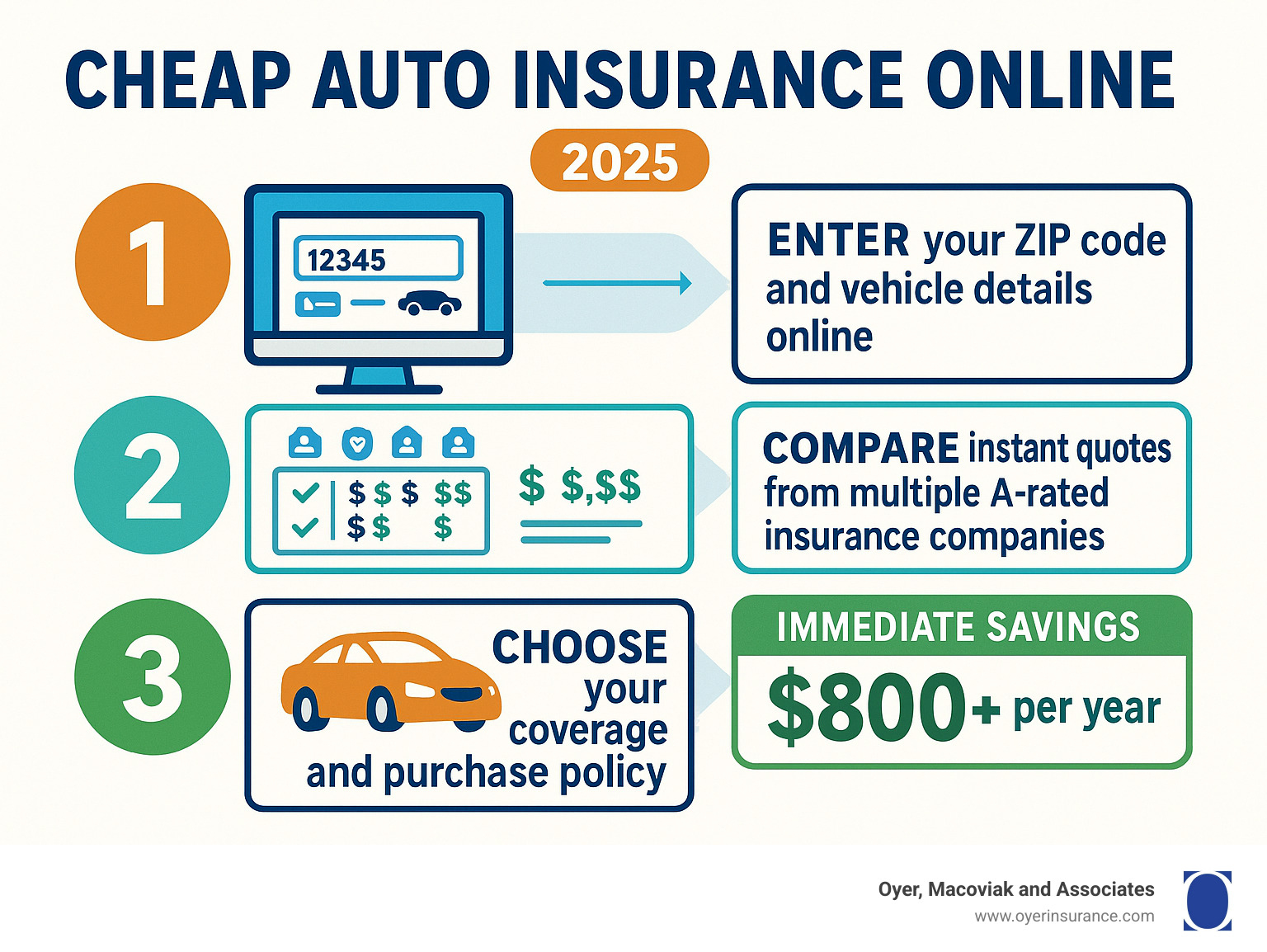
The digital age has simplified the process of gathering quotes. Online aggregation tools allow you to input your data once and receive quotes from multiple carriers simultaneously. This provides a baseline for what the market thinks you should be paying. However, it is also important to visit the websites of direct insurers who may not participate in these aggregator platforms. Companies that sell directly to consumers often bypass the commission costs associated with middleman agents, potentially passing those savings on to you in the form of lower premiums.
The Value of Independent Insurance Agents
While online tools are efficient, they often lack the nuance of a professional consultation. Independent insurance agents represent multiple companies rather than just one. Unlike “captive” agents who work for a single brand, independent agents can scan the market to find the best fit for your specific financial situation. They often have access to smaller, regional insurance companies that do not spend millions on national advertising but offer highly competitive rates for local drivers. An agent can also help you navigate complex coverage options to ensure you aren’t paying for “extras” you don’t need.
Timing Your Search for Maximum Savings
Insurance rates are not static. It is a best practice to shop for a new policy at least once a year or whenever a major life event occurs. Getting married, buying a home, or moving to a new neighborhood can all trigger lower rates. Furthermore, searching for a new policy roughly 30 days before your current policy expires is ideal. Many insurers offer an “early shopper” discount for those who secure their next policy before their current one lapses, as this behavior is correlated with financial stability and responsibility.
Maximizing Discounts and Policy Adjustments
Once you have identified a competitive base rate, the next step in finding cheap auto insurance is to aggressively apply discounts and adjust your policy structure to align with your risk tolerance and cash flow.
Bundling and Multi-Policy Incentives
One of the most effective ways to slash premiums is through “bundling.” By placing your homeowners, renters, or life insurance with the same carrier as your auto insurance, you can often save between 10% and 25% across all policies. Insurance companies value customer retention, and the more “lines” of insurance you have with them, the less likely you are to switch to a competitor. This loyalty is rewarded with substantial multi-policy discounts.
Telematics and Usage-Based Insurance (UBI)
For low-mileage drivers or those who are confident in their safe driving habits, telematics offers a revolutionary way to save. Usage-based insurance programs involve installing a small device in your vehicle or using a smartphone app to track driving behaviors such as braking intensity, speed, and the time of day you drive. If the data proves you are a safe driver, companies can offer discounts of up to 40%. This is particularly beneficial for remote workers or retirees who spend less time on the road and therefore represent a lower risk to the insurer.
Adjusting Deductibles and Coverage Limits
A fundamental rule of insurance is that the more risk you assume, the less the insurance company charges you. By raising your deductible—the amount you pay out of pocket before insurance kicks in—you can significantly lower your monthly premium. For example, moving from a $500 deductible to a $1,000 deductible can reduce your collision and comprehensive coverage costs by 15% to 30%. However, this strategy requires you to have an emergency fund in place to cover that higher deductible if an accident occurs. Additionally, if you drive an older vehicle with a low market value, it may be financially prudent to drop collision and comprehensive coverage entirely, as the cost of the premiums may eventually exceed the potential payout in the event of a total loss.
Maintaining the “Good Driver” Advantage for Long-Term Savings
Securing a cheap rate is only half the battle; maintaining it requires a proactive approach to your driving habits and your relationship with your insurer. Personal finance is about consistency, and auto insurance is no different.
Defensive Driving and Educational Credits
Many states and insurance companies offer discounts to drivers who voluntarily complete an approved defensive driving course. These courses, often available online for a nominal fee, teach accident avoidance techniques and refresh your knowledge of traffic laws. The resulting discount usually lasts for three years and can pay for the cost of the course many times over. This is especially helpful for younger drivers (who face high base rates) and senior drivers (who may face age-related increases).
Avoiding Coverage Lapses
In the eyes of an insurance company, a lapse in coverage is a major red flag. Whether you sold your car or simply forgot to pay your bill, even a few days without insurance can cause your future premiums to skyrocket. Insurers view a continuous insurance history as a sign of financial reliability. If you are between vehicles, consider a “non-owner” policy to maintain your continuous coverage status. This keeps you in the “preferred” tier of customers and ensures that when you do purchase a new vehicle, you are eligible for the lowest possible rates.
Reviewing Policy Details Annually
The insurance market is constantly evolving, with new companies entering the fray and existing companies changing their risk appetites. A company that was the cheapest for you two years ago might now be the most expensive because they have shifted their focus to a different demographic. By conducting an annual “insurance audit,” you ensure that your coverage remains optimized for your current financial reality. Check for new discounts you might now qualify for, such as a “good student” discount for a child on your policy or a professional organization discount through your employer or alumni association.
Ultimately, finding cheap auto insurance is a process of active management. It requires a combination of maintaining a strong financial profile, shopping the market with a critical eye, and understanding the mechanics of policy structures. By treating insurance as a flexible financial product rather than a static bill, you can protect your assets and your wallet simultaneously, ensuring that you are never paying more than necessary for the protection you require.
aViewFromTheCave is a participant in the Amazon Services LLC Associates Program, an affiliate advertising program designed to provide a means for sites to earn advertising fees by advertising and linking to Amazon.com. Amazon, the Amazon logo, AmazonSupply, and the AmazonSupply logo are trademarks of Amazon.com, Inc. or its affiliates. As an Amazon Associate we earn affiliate commissions from qualifying purchases.