
In the intricate world of personal finance and business operations, your bank account number stands as a fundamental identifier. It’s a series of digits — typically between 8 and 12, though this can vary — that uniquely pinpoints your specific account within your bank. While often overshadowed by more frequently used debit card numbers or online login credentials, your bank account number is indispensable for a wide array of financial transactions, from setting up direct deposit to initiating large wire transfers. Knowing precisely where to locate this crucial piece of information is not just about convenience; it’s a vital aspect of managing your financial life effectively and securely.
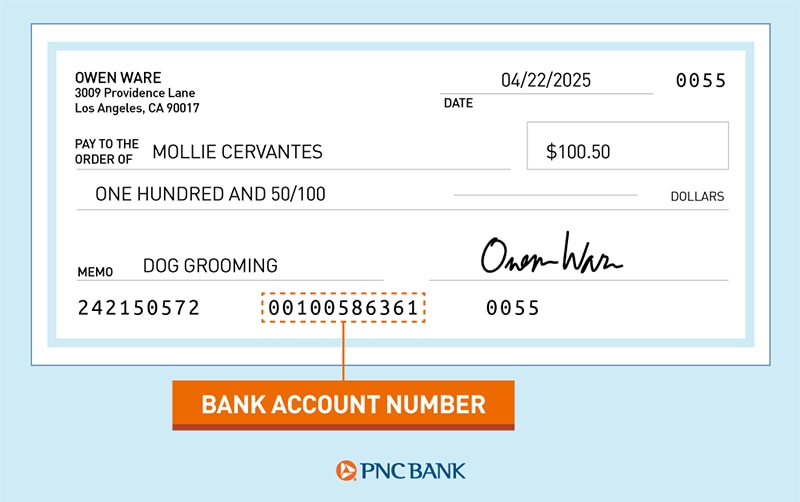
This guide will demystify the process, detailing every common location where you can reliably find your bank account number. We’ll also delve into why this number is so important, how it differs from other financial identifiers, and the critical security measures you should always employ when handling it. Whether you’re a seasoned financial professional or just starting to navigate your banking journey, understanding the whereabouts and implications of your bank account number is a cornerstone of sound financial literacy within the “Money” landscape.
The Ubiquity and Importance of Your Bank Account Number
Understanding what your bank account number is and why it holds such significance is the first step towards mastering your financial details. It’s more than just a random sequence of digits; it’s the backbone of many essential financial interactions that underpin modern commerce and personal budgeting.
What is a Bank Account Number?
A bank account number is a unique identifier assigned by your financial institution to a specific checking, savings, or other deposit account you hold. Unlike a debit card number, which identifies your card and is linked to a payment network, your account number directly identifies your primary deposit account at the bank. It works in conjunction with your bank’s routing number, which identifies the financial institution itself, to ensure funds are accurately directed to and from your specific account.
Typically, these numbers do not contain sensitive personal information like your name or Social Security number. However, because they grant access for transactions to or from your account, their security and accurate use are paramount. The structure and length of account numbers can vary significantly between banks and even between different types of accounts within the same bank, although a common range is 8 to 12 digits. Some international banks, particularly in Europe, use an International Bank Account Number (IBAN), which is a much longer alphanumeric code that incorporates the bank account number, routing number, and country code into one standardized format.
Why is it So Crucial?
The importance of your bank account number cannot be overstated. It is a prerequisite for numerous financial activities that are integral to both personal and business finance. Without it, many common transactions would be impossible or significantly more complicated.
One of the most frequent uses is setting up direct deposit. Whether it’s your salary, government benefits, or a pension, direct deposit requires your bank account number (and often your routing number) to ensure funds land directly in your account without the need for physical checks. This streamlines income reception, making it faster and more reliable.
Similarly, automated bill payments often leverage your bank account number. Many utility companies, landlords, or loan servicers offer the option to deduct payments directly from your checking account. This method, often facilitated through ACH (Automated Clearing House) transfers, relies on your account number for authorization and execution. It helps in avoiding late fees and simplifies recurring expenditures.
Beyond regular income and expenses, your bank account number is vital for transferring funds between accounts, especially when linking external accounts at different financial institutions. For instance, if you use a budgeting app or an investment platform that needs to pull funds from or push funds to your primary bank, your account number will be required during the setup phase. It’s also essential for initiating wire transfers, particularly for larger sums or international transactions, where precision and direct account-to-account transfer are critical. In business finance, it’s fundamental for payroll processing, vendor payments, and receiving customer payments via ACH. Without this core identifier, many of the efficiencies we take for granted in modern banking would simply not exist, underscoring its pivotal role in the “Money” ecosystem.
Primary Locations to Discover Your Account Number
Given its importance, your bank account number is generally accessible through several reliable channels. Knowing where to look can save you time and provide peace of mind when you need it most.
Your Physical Checkbook
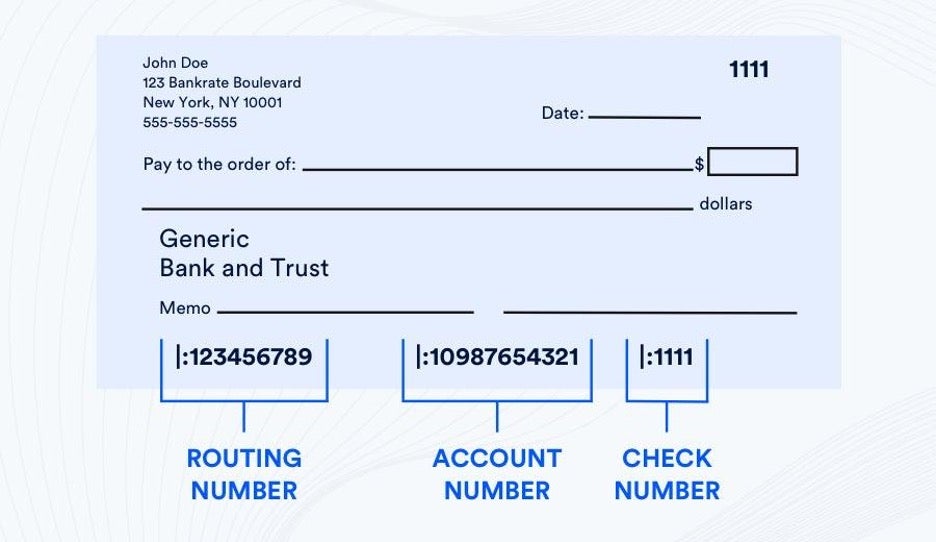
For those who still use paper checks, your checkbook is one of the most straightforward places to find your account number. Look at the bottom of any personalized check. You’ll typically find three sets of numbers printed in magnetic ink (MICR line). From left to right, these are usually:
- Routing Number: A nine-digit code identifying your bank.
- Account Number: Your specific account number, usually appearing in the middle.
- Check Number: The unique number for that particular check.
While the order is generally consistent, it’s wise to double-check with your bank if you’re unsure, especially as some credit unions or smaller banks might have a slightly different layout. Ensure you’re looking at your actual account number and not accidentally copying the check number.
Monthly Bank Statements (Paper and Digital)
Your bank statement is another definitive source for your account number. Whether you receive paper statements in the mail or access digital statements online, your account number will be prominently displayed.
- Paper Statements: When you receive your monthly statement, scan the top section. Your account number is typically found near your name and address, often alongside the routing number for your bank.
- Digital Statements: If you’ve opted for paperless statements, log into your online banking portal and navigate to the statements section. You can download a PDF version of any past statement, which will display your account number in the same prominent location as a physical statement. This method is particularly useful as it offers a historical record and easy access from anywhere with internet connectivity.
Online Banking Portals
In today’s digital age, online banking portals are arguably the most common and convenient way to access your financial information, including your account number.
After logging into your bank’s secure website, navigate to your account summary or details page. Typically, clicking on a specific checking or savings account will reveal a wealth of information. Your account number is usually listed clearly on this page, though some banks may partially mask it with asterisks for security and require you to click a “show number” button or enter a password to reveal the full sequence. This extra step is a security measure to prevent unauthorized viewing. Always ensure you are on a secure, legitimate banking website before entering any credentials.
Mobile Banking Applications
Similar to online banking portals, most modern mobile banking applications provide quick access to your account number.
Once you’ve logged into your bank’s official mobile app on your smartphone or tablet, select the specific account you need information for. Within the account details or summary screen, you should find your account number. Like online portals, some apps may initially display a masked version (e.g., ********1234) and require a tap or biometric authentication (fingerprint, face ID) to reveal the complete number. This feature combines convenience with enhanced security for on-the-go access.
Contacting Your Bank Directly
If you’ve exhausted all other options or simply prefer direct communication, contacting your bank is a foolproof way to retrieve your account number.
- Customer Service Hotline: Call your bank’s customer service number, which can usually be found on the back of your debit card, on their official website, or on a bank statement. Be prepared to go through a verification process, which might involve answering security questions, providing personal details, or verifying recent transactions. This is to ensure you are the legitimate account holder.
- Visit a Local Branch: For those who prefer in-person assistance, visiting a local branch of your bank is an option. Bring a valid form of photo identification (e.g., driver’s license, passport) as the teller will need to verify your identity before providing any account details. This method offers the highest level of personal assistance and security.
Each of these methods provides a reliable pathway to locate your bank account number, empowering you to manage your financial transactions with confidence.
Understanding Related Financial Identifiers
While your bank account number is critical, it’s part of a broader ecosystem of financial identifiers. Confusing these numbers can lead to transaction errors, so it’s essential to understand their distinct purposes.
Differentiating Account Number from Debit/Credit Card Number
A common point of confusion arises between a bank account number and a debit or credit card number. While both are associated with your funds, they serve entirely different functions:
- Bank Account Number: This number identifies your specific checking or savings account at your financial institution. It’s used for direct transfers to and from your account (e.g., direct deposit, ACH payments, wire transfers) and is tied to the underlying balance of your funds. It’s generally not used for point-of-sale purchases.
- Debit/Credit Card Number: This 16-digit number (or similar length for some cards) identifies your specific payment card and links it to a payment network (Visa, MasterCard, American Express, etc.). It’s primarily used for making purchases in stores, online, or withdrawing cash from ATMs. For debit cards, it draws funds directly from your checking account, but it’s the card number, not the account number, that facilitates the transaction at the merchant’s end. Credit card numbers, conversely, access a line of credit. Sharing your card number carries a much higher immediate fraud risk than sharing your account number (when done securely), as it allows direct spending.
The Role of the Routing Number
The routing number, also known as an ABA (American Bankers Association) number, is a nine-digit code that identifies your financial institution within the U.S. banking system. It’s essentially the address for your bank, ensuring that funds are directed to the correct bank when transferred.
- How it Works with Your Account Number: For most domestic transactions (like direct deposits, ACH transfers, and bill payments), both your routing number and account number are required. The routing number tells the system which bank to send the money to, and the account number tells that bank which specific account within their system should receive or send the funds.
- Where to Find It: Like your account number, your routing number is typically found on your checks (the first set of numbers from the left), on your bank statements, and within your online or mobile banking portal. Some banks have different routing numbers for different regions or types of transactions (e.g., wires vs. ACH), so always verify the correct one for your specific need.
SWIFT/IBAN for International Transfers
When dealing with international financial transactions, particularly wire transfers, you’ll encounter two additional identifiers: SWIFT codes and IBANs.
- SWIFT Code (Society for Worldwide Interbank Financial Telecommunication): Also known as a BIC (Bank Identifier Code), a SWIFT code is an international standard for identifying banks worldwide. It’s an 8- or 11-character alphanumeric code that helps identify a specific bank and sometimes a specific branch in an international transaction. Most U.S. banks use SWIFT codes for incoming international wire transfers.
- IBAN (International Bank Account Number): Primarily used in Europe and some other parts of the world, an IBAN is a standardized international numbering system for bank accounts. It combines the country code, bank identifier, and the account number (along with a check digit) into a single, longer alphanumeric string. The IBAN simplifies and standardizes international payments, reducing errors. If you are sending money to or receiving money from an account in an IBAN-compliant country, you will need the recipient’s IBAN. U.S. banks do not use IBANs for domestic accounts, but if you’re making an international transfer from a U.S. account to an IBAN-compliant country, you will still need to provide the recipient’s IBAN.
Understanding these different identifiers is crucial for ensuring your money goes exactly where it’s intended, whether across town or across continents, solidifying your grasp on effective financial management.
Security Best Practices When Handling Your Account Number
While your bank account number is less prone to immediate fraud than a debit or credit card number, it’s still sensitive information that requires diligent protection. Misuse can lead to unauthorized withdrawals or financial complications.
Protecting Against Fraud and Identity Theft
The primary risk associated with your bank account number is its use in setting up unauthorized direct debits or withdrawals. While regulations like the ACH network provide mechanisms for disputing unauthorized transactions, prevention is always better than cure.
- Be Vigilant with Phishing Attempts: Never provide your bank account number in response to unsolicited emails, texts, or calls, even if they appear to be from your bank. Banks will rarely ask for this information directly through these channels. Always initiate contact with your bank using official phone numbers or secure online portals.
- Secure Physical Documents: Shred old bank statements, voided checks, and any other documents containing your account number before disposing of them.
- Use Strong Passwords and Two-Factor Authentication: For your online banking accounts, employ unique, complex passwords and enable two-factor authentication (2FA) whenever available. This adds an extra layer of security, making it harder for unauthorized individuals to access your account details, even if they somehow obtain your login credentials.
- Monitor Your Accounts Regularly: Routinely review your bank statements and transaction history. Quickly identify and report any suspicious or unfamiliar transactions to your bank. Early detection is key to mitigating potential losses.
- Avoid Public Wi-Fi for Banking: When accessing your online banking portal or mobile app, avoid using unsecured public Wi-Fi networks. These networks can be vulnerable to eavesdropping, potentially exposing your sensitive data. Use a secure home network or your mobile data connection instead.
When and How to Share Your Account Number Safely
Despite the need for caution, there are legitimate circumstances where sharing your bank account number is necessary. The key is to do so securely and only with trusted entities.
- Direct Deposit Setup: When providing your account number to an employer, government agency (for tax refunds or benefits), or other legitimate income source, ensure you are using official forms or secure online portals provided by the entity. For employers, this often involves a payroll form.
- Automated Bill Payments: When setting up recurring payments with utility companies, landlords, or lenders, provide your account number only through their official websites (ensuring the site is secure with “https://” in the URL) or secure automated phone systems.
- Linking External Accounts: If you are linking your bank account to a reputable financial app (e.g., investment platforms, budgeting tools, payment services), these apps typically use encrypted connections and often require you to log directly into your bank through a secure, embedded window, rather than just typing in your account number directly into the app. Always use well-known and reputable applications.
- Wire Transfers: When initiating or receiving a wire transfer, you will need to provide your account number. Confirm the recipient’s or sender’s details directly with them through a verified channel (e.g., a phone call to a known number, not an email address that could be compromised) to prevent errors or fraud.
- In-Person at Your Bank: When dealing with a bank teller or representative in person, they will require your account number and valid ID to assist you with transactions or account inquiries. This is a secure environment.
Always question requests for your account number from unfamiliar sources. If in doubt, contact your bank directly to verify the legitimacy of the request.
What to Do If Your Account Information is Compromised
Despite your best efforts, financial data breaches or fraudulent activity can occur. Knowing the steps to take if your account information is compromised is crucial for protecting your funds and identity.
- Contact Your Bank Immediately: As soon as you suspect unauthorized access or fraudulent activity involving your account number, contact your bank’s fraud department. Most banks have dedicated teams and 24/7 hotlines for this purpose. They can freeze your account, investigate suspicious transactions, and guide you through the next steps.
- Change Passwords: Immediately change the passwords for your online banking portal and any other financial accounts that might be linked or use similar credentials.
- Monitor Your Credit Report: Regularly check your credit report for any unauthorized accounts or inquiries. You can obtain a free copy of your credit report from each of the three major credit bureaus (Equifax, Experian, TransUnion) annually.
- Report to Authorities: Depending on the severity and nature of the compromise, you may need to report the incident to law enforcement or the Federal Trade Commission (FTC) in the U.S. The FTC’s IdentityTheft.gov website offers resources and a recovery plan.
- Document Everything: Keep a detailed record of all communications with your bank, police reports, and any other relevant documentation. This will be invaluable for investigations and disputes.
By adhering to these security best practices, you can significantly reduce the risk of financial fraud and maintain greater control over your sensitive financial information, a critical aspect of personal and business finance within the “Money” sphere.
Common Scenarios Requiring Your Bank Account Number
Beyond its role as a basic identifier, your bank account number facilitates a variety of routine and critical financial transactions. Understanding these applications helps underscore why quick access to this number is often essential.
Setting Up Direct Deposit for Payroll or Benefits
Perhaps the most common and widely appreciated use of your bank account number is for direct deposit. This process enables funds, such as your salary, government benefits (e.g., Social Security), or pension payments, to be electronically transferred directly into your checking or savings account.
When you start a new job or apply for benefits, you’ll typically be asked to fill out a direct deposit authorization form. This form will require your bank’s routing number and your specific account number. Providing this information ensures that your funds are deposited swiftly and securely, eliminating the need for physical checks and speeding up access to your money. It’s a cornerstone of modern payroll and benefit distribution systems, offering convenience and reliability for millions.
Automated Bill Payments
Many individuals and businesses leverage automated bill payments to manage recurring expenses, ensuring bills are paid on time without manual intervention. This often involves providing your bank account number to service providers.
From utility companies (electricity, gas, water) to internet providers, insurance premiums, and mortgage or loan payments, many entities offer the option to set up automatic deductions from your bank account. You authorize the payee to initiate ACH transfers directly from your account on a scheduled basis. This method helps avoid late fees, simplifies budgeting, and reduces the administrative burden of writing and mailing checks. Always ensure you are setting up these payments with reputable organizations through their official, secure channels.
Initiating Wire Transfers or ACH Payments
Your bank account number is indispensable for initiating various types of electronic fund transfers, particularly for larger sums or specific transaction types.
- Wire Transfers: For time-sensitive or high-value transfers, especially internationally, wire transfers are often used. To send a wire, you’ll need the recipient’s full bank account number, their bank’s routing number (or SWIFT/BIC code for international wires), and their name and address. Similarly, to receive a wire, you’ll provide your sender with your account number and your bank’s routing/SWIFT code. Wire transfers are typically processed quickly but often come with fees and are generally irreversible, making accuracy paramount.
- ACH Payments (Automated Clearing House): While direct deposit and automated bill payments are types of ACH transactions, the term also applies to other forms of electronic funds transfer, such as paying vendors or initiating bank-to-bank transfers. Your account number, paired with the routing number, is fundamental to these low-cost, high-volume transactions that power much of the financial system.

Linking External Accounts or Payment Apps
In an increasingly interconnected financial landscape, you often need to link your primary bank account to other financial services or applications.
- Investment Platforms: If you use an online brokerage or investment app, you’ll need to link your bank account to fund your investment accounts and withdraw profits. This often involves providing your bank account number (and routing number) to establish the connection, typically through a secure verification process that might include small test deposits.
- Peer-to-Peer (P2P) Payment Apps: While apps like Venmo or PayPal primarily use your debit card or email/phone number for transactions, linking your bank account directly allows for larger transfers, faster withdrawals, or the ability to send money without a card. You’ll enter your bank account and routing number during the setup of these links.
- Budgeting and Financial Management Tools: Many personal finance apps that help you track spending or create budgets require linking to your bank accounts to pull transaction data. While some use secure API connections without requiring you to manually enter your account number, others might ask for it during the initial setup.
In each of these scenarios, your bank account number acts as the unique identifier that enables the seamless movement of money, making it a cornerstone of effective financial management and personal “Money” strategy. Always ensure you are providing this information to legitimate and trusted services, verifying their security protocols before proceeding.
aViewFromTheCave is a participant in the Amazon Services LLC Associates Program, an affiliate advertising program designed to provide a means for sites to earn advertising fees by advertising and linking to Amazon.com. Amazon, the Amazon logo, AmazonSupply, and the AmazonSupply logo are trademarks of Amazon.com, Inc. or its affiliates. As an Amazon Associate we earn affiliate commissions from qualifying purchases.