
Navigating tax season can feel overwhelming, but understanding your filing options is the first step towards a stress-free experience. Whether you prefer personalized assistance, the convenience of digital tools, or a blend of both, numerous avenues exist to help you fulfill your tax obligations accurately and on time. This guide explores the diverse landscape of tax filing solutions, empowering you to choose the method best suited for your financial situation and preferences.
Navigating Your Tax Filing Journey: In-Person and Digital Avenues
The question “where can I file taxes near me?” often implies a search for convenience and reliability. Fortunately, the modern financial landscape offers a spectrum of choices, from traditional brick-and-mortar services that provide face-to-face interaction to sophisticated online platforms that allow filing from anywhere. Each option caters to different levels of tax complexity, financial literacy, and personal comfort with digital tools, ensuring that virtually every taxpayer can find a suitable solution.
Local Professional Tax Preparers
For many, the assurance of expert guidance during tax season is invaluable. Professional tax preparers offer personalized service, helping navigate complex tax laws and optimize deductions.
-
Certified Public Accountants (CPAs) & Enrolled Agents (EAs): These licensed professionals offer comprehensive tax services, including preparation, planning, and representation before the IRS. CPAs and EAs are ideal for individuals with complex financial situations such as business ownership, extensive investments, or international income. Their expertise provides peace of mind, ensuring accuracy and potentially identifying significant savings. They often build long-term relationships, offering year-round financial advice beyond just filing.
-
Retail Tax Preparation Services: Chains like H&R Block and Jackson Hewitt provide accessible, walk-in services with locations often found in commercial areas. They cater to a broad range of taxpayers, from simple W-2 filers to those with moderate complexities. These services are known for their convenience and often offer guarantees against errors or audit assistance, making them a popular choice for many seeking a balance between professional help and ease of access.
-
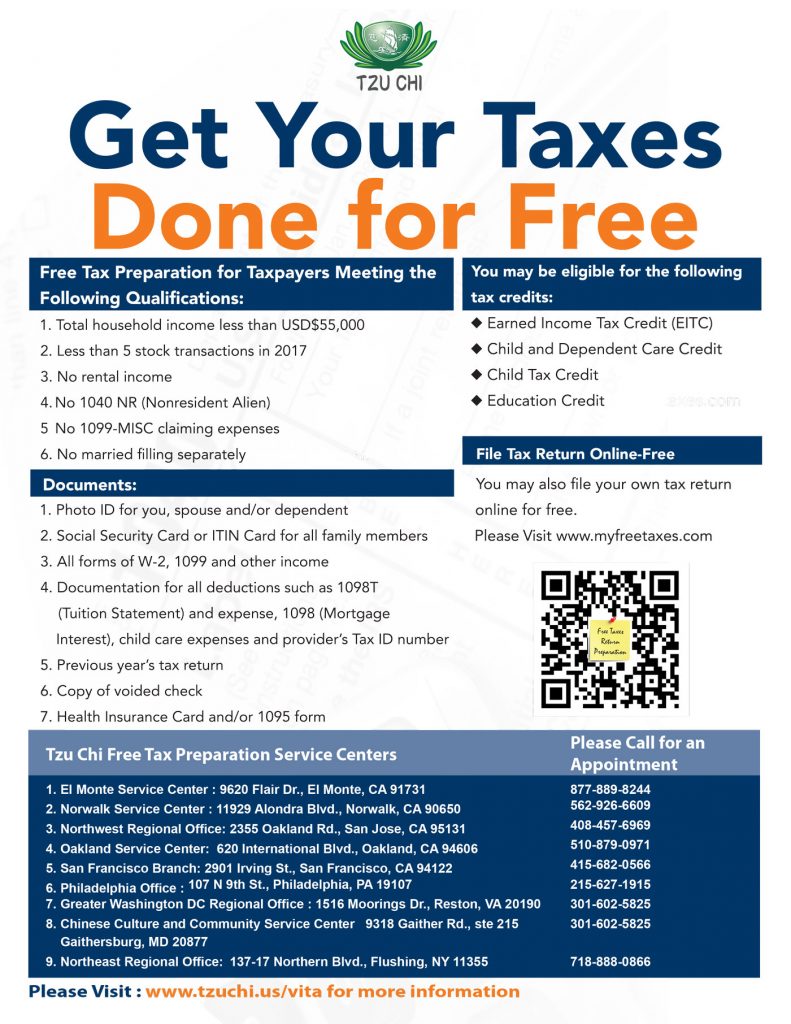
Community-Based Free Tax Help: For eligible taxpayers, programs like the Volunteer Income Tax Assistance (VITA) and Tax Counseling for the Elderly (TCE) offer free tax preparation. VITA sites assist individuals, families, and persons with disabilities, limited English speakers, and those who earn $64,000 or less. TCE provides free tax help, specifically for those aged 60 and older, focusing on pensions and retirement-related issues. These programs are invaluable community resources, staffed by IRS-certified volunteers.
Embracing Online Solutions for Tax Season
The digital revolution has transformed tax filing, making it more accessible and often more cost-effective. Online platforms and software allow millions of Americans to file their taxes from the comfort of their homes, leveraging guided processes and automated calculations. This convenience has made online filing a dominant force in personal finance, appealing to a tech-savvy generation and anyone seeking efficiency.
DIY Tax Software Platforms
Do-it-yourself tax software has democratized tax preparation, providing powerful tools that guide users through the filing process step-by-step.
-
Popular Software Providers: Companies like TurboTax, TaxAct, and FreeTaxUSA offer various versions of their software, from free options for simple returns to premium packages for complex scenarios involving investments, rental properties, or self-employment income. These platforms typically feature intuitive interfaces, import capabilities for financial documents, and robust error-checking mechanisms. They empower users to take control of their tax filing with confidence, offering explanations for various deductions and credits.
-
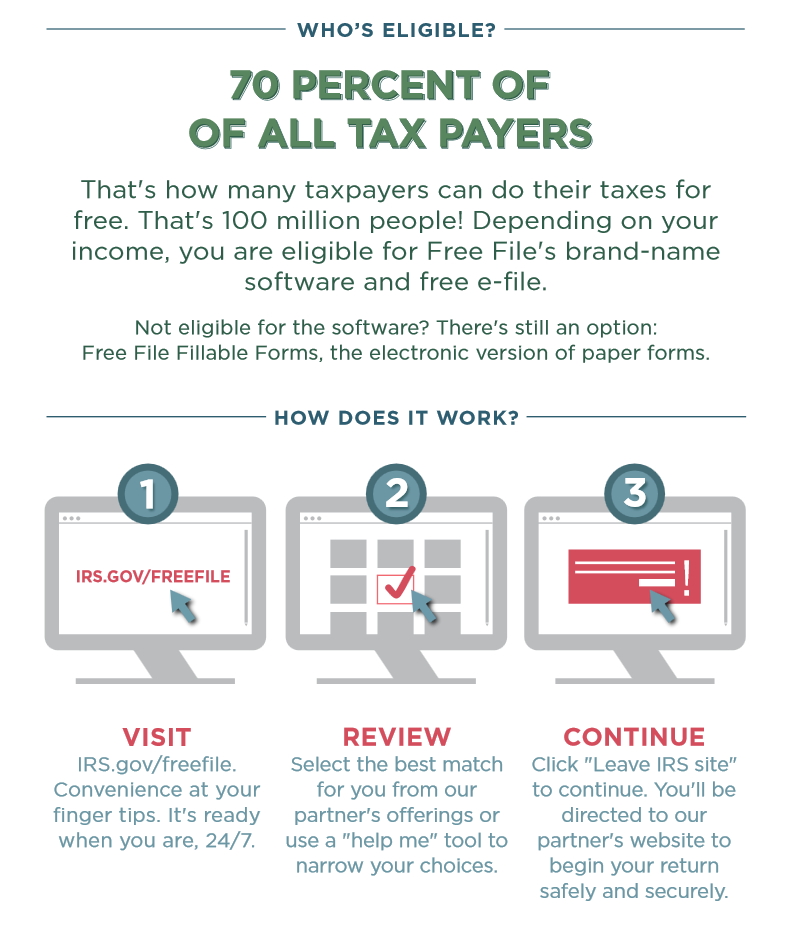
IRS Free File Program: The IRS partners with several commercial tax software providers to offer the Free File Program. This initiative allows eligible taxpayers (those with an Adjusted Gross Income, or AGI, below a certain threshold, which is $79,000 for tax year 2023) to file federal tax returns for free using guided tax preparation software. It’s essential to access Free File through the IRS website to ensure you’re using a legitimate partner and not a look-alike site. Some state returns may also be free through this program.
Hybrid and Virtual Tax Assistance
Bridging the gap between fully DIY and traditional in-person services are hybrid and virtual options. These combine the convenience of online platforms with professional oversight. Many online tax software providers now offer options where users prepare their return, and a CPA or EA reviews it before filing. Alternatively, fully virtual CPA services allow taxpayers to work with a professional remotely, exchanging documents and communications digitally, offering expert advice without the need for a physical visit.

Choosing Your Best Filing Method: Key Considerations
Selecting the right tax filing method is a personal decision that hinges on several factors. There isn’t a one-size-fits-all answer, as what works best for one individual may not be suitable for another. Thoughtfully evaluating your specific circumstances will lead you to the most effective and least stressful filing experience.
Personal Tax Complexity
The intricacy of your financial situation is perhaps the most significant determinant. A taxpayer with only a W-2 and no deductions beyond the standard deduction might find free online software entirely sufficient. Conversely, someone with multiple income streams, complex investments, business expenses, rental properties, or significant life changes (like marriage, divorce, or a new child) would likely benefit from the expertise of a professional preparer or robust premium software to ensure accuracy and maximize eligible deductions and credits.
Cost-Benefit Analysis
Evaluating the cost of filing versus the value received is crucial. Free online software is attractive for simple returns, while paid software offers more features and support for moderate complexities. Professional tax preparers charge fees that reflect their expertise and time, but this investment can pay off through optimized returns, audit support, and year-round tax planning advice. Weigh the monetary cost against the peace of mind, time saved, and potential financial benefits of professional accuracy.
Convenience, Time, and Support Needs
Consider how much time you’re willing to dedicate to preparing your taxes and your comfort level with technology. In-person services offer direct interaction and often require scheduling appointments, while online software provides 24/7 access from any location. If you anticipate needing support throughout the process or desire audit protection, ensure your chosen method provides adequate customer service or professional representation. Some individuals prefer the simplicity of handing over documents, while others enjoy the control of a DIY approach.
Essential Steps for a Smooth Tax Filing Experience
Regardless of the filing method you choose, a smooth tax season largely depends on proactive preparation. Taking a few key steps before you even begin to file can significantly reduce stress and help ensure accuracy, potentially maximizing your refund or minimizing your tax liability.
Organize All Financial Documents
The cornerstone of accurate tax filing is thorough documentation. Begin gathering all necessary forms as they arrive. This includes W-2s from employers, 1099s for various income types (e.g., 1099-INT for interest, 1099-DIV for dividends, 1099-MISC/NEC for freelance income), K-1s for partnership or S-Corp income, and 1098s for mortgage interest or student loan interest. Also collect records for any potential deductions or credits, such as charitable contributions, medical expenses, childcare costs, or business expenses if self-employed.
Be Mindful of Deadlines and Extensions
The primary deadline for filing federal income tax returns for most individuals is typically April 15th (or the next business day if April 15th falls on a weekend or holiday). While filing an extension (Form 4868) grants you more time to file your return, it does not extend the time to pay any taxes owed. If you anticipate owing money, you should still estimate and pay those taxes by the original deadline to avoid penalties and interest. Familiarize yourself with state tax deadlines, which can vary.
Review and Double-Check Thoroughly
Before submitting your tax return, conduct a meticulous review. Verify all personal information, including names, addresses, and Social Security numbers, for accuracy. Confirm that all sources of income have been reported and that you have claimed all eligible deductions and credits. If using tax software, review the summary and check for any glaring discrepancies. For direct deposit refunds, double-check your bank account and routing numbers. A careful review can prevent errors that could delay your refund or trigger IRS correspondence.
Proactive Tax Planning for Financial Well-being
Choosing “where to file taxes near me” is an annual decision, but optimal financial health benefits from year-round tax awareness. Viewing tax preparation not just as an obligation but as an integral part of your personal finance strategy can lead to significant benefits. Ongoing record-keeping, understanding tax implications of financial decisions, and consulting with professionals periodically can help you make informed choices that positively impact your financial future. Whether you lean on local experts or embrace digital efficiency, taking control of your tax journey is a powerful step toward greater financial well-being.
aViewFromTheCave is a participant in the Amazon Services LLC Associates Program, an affiliate advertising program designed to provide a means for sites to earn advertising fees by advertising and linking to Amazon.com. Amazon, the Amazon logo, AmazonSupply, and the AmazonSupply logo are trademarks of Amazon.com, Inc. or its affiliates. As an Amazon Associate we earn affiliate commissions from qualifying purchases.