
The desire to contribute positively to one’s community is a powerful motivator, and few acts of kindness are as direct and impactful as donating food. Whether it’s clearing out a pantry, supporting a local initiative, or responding to an urgent call for help, the immediate question often arises: “Where can I drop off food donations today?” In an increasingly digital world, the answer to this question is no longer a matter of scouring phone books or relying solely on word-of-mouth. Technology has revolutionized how we connect with charitable organizations, making the process of finding donation points, understanding needs, and even arranging pickups more efficient and transparent than ever before. This article will delve into the technological tools and strategies that empower individuals to make timely and impactful food donations, transforming a simple act of charity into a digitally-enabled, seamless experience.
The Digital Revolution in Charitable Giving
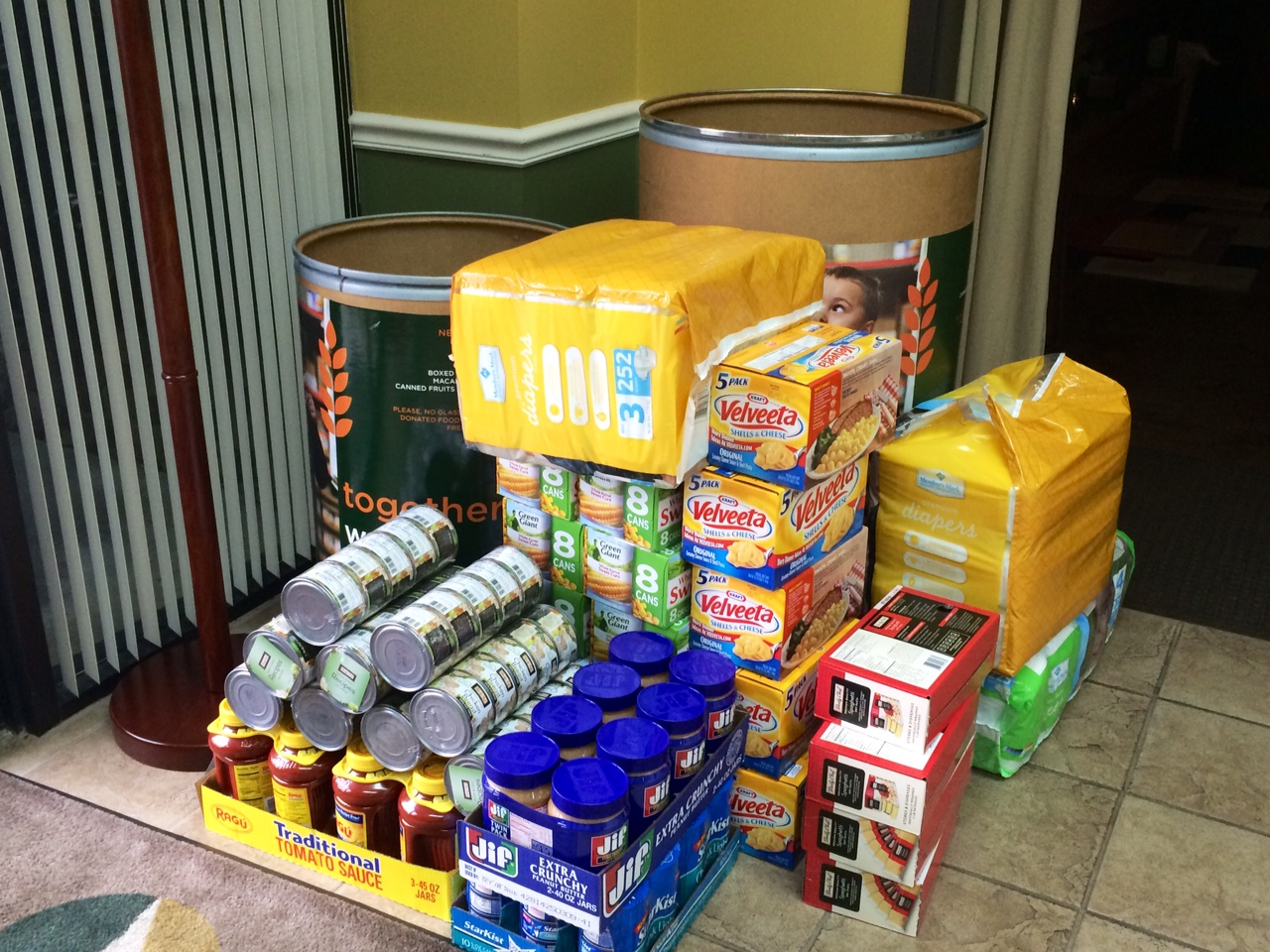
For decades, finding a place to donate food involved a mix of local knowledge, newspaper ads, or direct calls to community centers. Today, the landscape has fundamentally shifted, with digital platforms and tools providing instant access to a wealth of information. This transformation isn’t just about convenience; it’s about optimizing the flow of resources to those who need them most, reducing food waste, and fostering a more connected giving community.
Beyond Google: Specialized Platforms for Food Donations
While a quick Google search can certainly point you towards local food banks, the real power lies in specialized digital platforms designed specifically for charitable giving. Organizations like Feeding America (in the U.S.) or national food bank networks in other countries offer comprehensive online directories. These websites often feature interactive maps, search filters based on location or type of donation, and up-to-date contact information for thousands of member food banks and pantries.
The benefits of these dedicated platforms are manifold. They often provide real-time updates on urgent needs (e.g., “currently seeking canned protein or baby formula”), operating hours, specific donation guidelines (e.g., “no glass containers,” “please check expiry dates”), and even volunteer opportunities. Unlike a general search engine, these curated platforms ensure that the information is verified, relevant, and directly from the organizations themselves, minimizing the risk of outdated or incorrect details. They also frequently highlight smaller, local pantries that might not have a strong independent online presence, ensuring that your donation can reach a broader network of beneficiaries.
The Power of Location-Based Mobile Applications
The advent of smartphones has put unprecedented tools for community engagement directly into our pockets. A growing number of mobile applications are now dedicated to facilitating charitable donations, including food. These apps leverage the power of GPS technology to provide hyper-local, real-time information about nearby food donation drop-off points.
Many of these applications go beyond simple directories. They might allow users to filter by specific donation types (e.g., non-perishable goods, fresh produce, pet food), view current hours of operation, and even receive push notifications about urgent local needs or upcoming food drives. Some advanced apps integrate with scheduling features, enabling donors to set reminders or even arrange for pickup services, particularly for larger donations or perishable items from restaurants and grocers looking to reduce waste. This level of integration transforms the act of donating from a sporadic intention into a convenient, scheduled activity, vastly increasing the likelihood of follow-through. For individuals looking to make an immediate impact, these apps offer unparalleled ease, guiding them directly to the nearest, most suitable drop-off point with turn-by-turn navigation.
Navigating the Landscape of Food Donation Apps and Websites
With an increasing number of digital tools available, choosing the right platform can sometimes feel overwhelming. Understanding what features to prioritize and how emerging technologies like AI are shaping the future of giving can help donors make more informed and impactful decisions.
Key Features to Look for in Donation Platforms
When evaluating a website or mobile app for food donations, several key features enhance usability and effectiveness:
- Robust Search and Filtering: The ability to search by zip code, city, or even specific street address is crucial. Filters for donation type (canned goods, fresh produce, toiletries, etc.), organization type (food bank, shelter, community pantry), and operating hours allow for highly targeted searches.
- Clear Donation Guidelines: Reputable platforms will clearly outline what items are accepted, any restrictions (e.g., no expired food, no open containers), and preparation instructions.
- Verified Information and Updates: Ensure the platform regularly updates its listings, particularly contact information, operating hours, and current needs. User reviews or feedback mechanisms can also be helpful.
- User-Friendly Interface: An intuitive design, easy navigation, and mobile-friendliness are essential for a smooth experience.
- Communication Tools: Direct links to the organization’s website, phone number, or email can facilitate further inquiries or coordination.
- Scheduling and Pickup Options: For larger donations or those unable to transport items, platforms that offer scheduling for drop-offs or even pickup services add significant value.
By focusing on these features, donors can quickly identify platforms that simplify the donation process and ensure their contributions reach the intended recipients efficiently.
Leveraging AI for Personalized Donation Suggestions
Artificial intelligence is increasingly being integrated into charitable platforms, moving beyond simple search functions to offer more personalized and impactful giving experiences. Imagine an AI tool that analyzes your location, past donation history, and even the contents of your smart pantry (if you have one) to suggest optimal donation opportunities.
Such AI-powered systems could:
- Match Specific Needs: Connect donors with organizations that have an urgent need for the exact items they wish to donate, minimizing sorting efforts and ensuring resources are precisely allocated.
- Optimize Timing: Suggest ideal donation times based on food bank intake schedules and donor availability, reducing bottlenecks.
- Predictive Analytics: For food banks, AI can analyze historical data, economic indicators, and even weather patterns to predict future demand, allowing them to proactively solicit specific donations before critical shortages occur.
- Impact Tracking: Future AI tools might offer more detailed feedback on the impact of a donation, showing how it contributed to feeding individuals or families, thereby fostering greater donor engagement and trust.
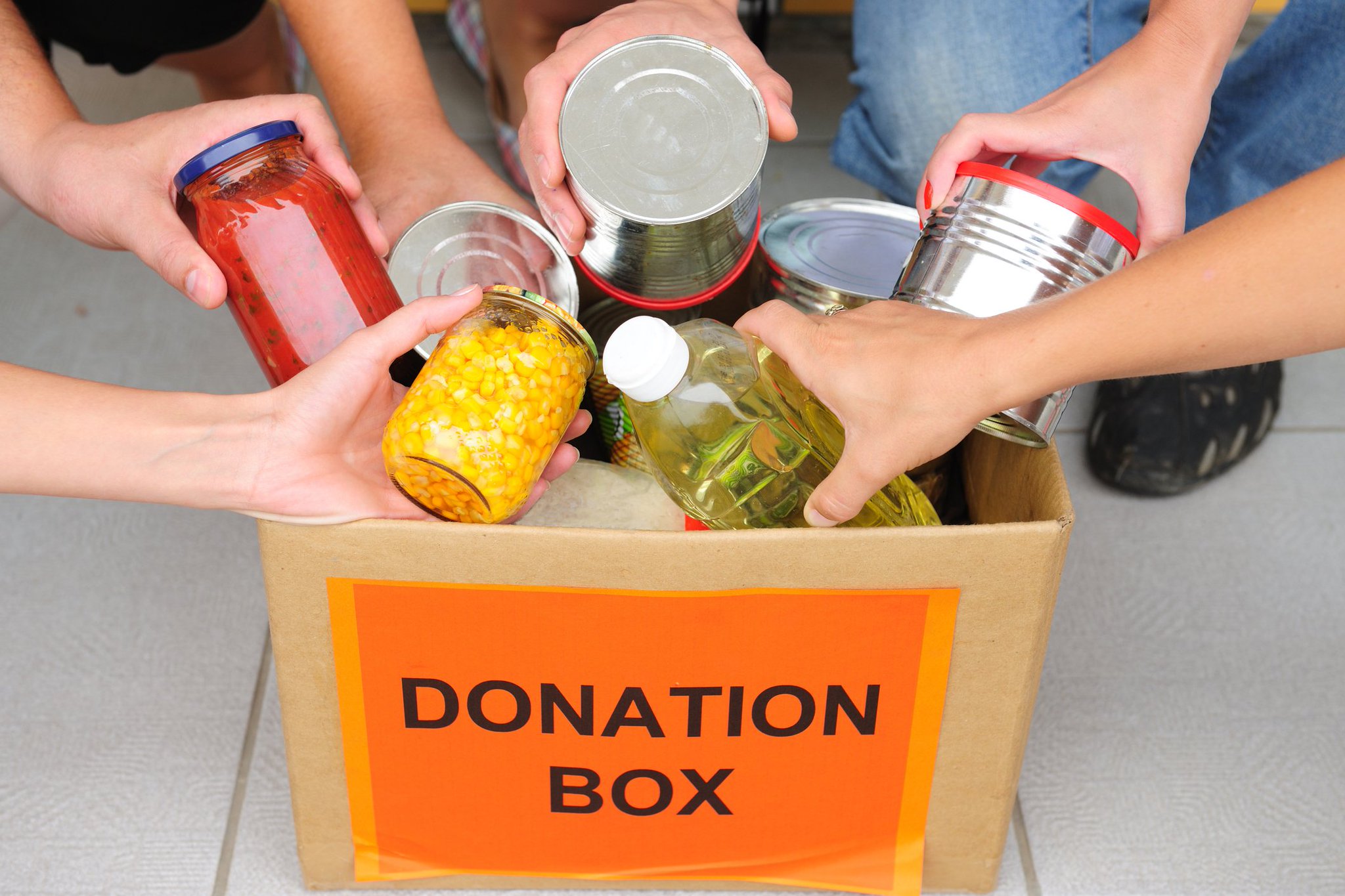
While some of these applications are still emerging, the potential of AI to create more intelligent, responsive, and efficient donation ecosystems is immense, promising a future where every donation is perfectly matched to a need.
Digital Security and Best Practices for Online Giving
Engaging with digital platforms for charitable activities brings with it the inherent need for vigilance regarding online security. While technology streamlines the process, donors must ensure their information is protected and that their generosity reaches legitimate causes.
Protecting Your Data When Using Donation Platforms
When using websites or apps to find food donation points, several best practices can help safeguard your personal information:
- Look for HTTPS: Always ensure the website address begins with “https://” (the ‘s’ stands for secure) and displays a padlock icon in the browser bar. This indicates that your connection to the site is encrypted.
- Review App Permissions: Before installing a new donation app, carefully review the permissions it requests. Does it really need access to your photos or contacts? Be wary of apps asking for unnecessary access.
- Create Strong, Unique Passwords: If you create an account on a donation platform, use a strong password that you don’t use for other services. Consider using a password manager.
- Be Skeptical of Unsolicited Requests: Be cautious of emails or messages from unknown sources requesting donations, especially if they ask for personal financial details directly. Always go to the organization’s official website.
- Avoid Public Wi-Fi for Sensitive Transactions: If you need to enter personal information (e.g., when signing up for a donor account), avoid doing so on unsecured public Wi-Fi networks.
Verifying the Credibility of Digital Donation Channels
The digital landscape, while convenient, can also be exploited by fraudulent entities. Before committing to a donation point found online, take steps to verify its legitimacy:
- Cross-Reference Information: If you find a food pantry through an app, cross-reference its details (address, phone number) with its official website or a trusted national food bank directory.
- Check for Charity Ratings: Utilize independent charity evaluators like Charity Navigator, GuideStar, or CharityWatch. While these primarily rate financial health for monetary donations, they can confirm the legitimacy and good standing of the overarching organization.
- Look for Transparency: Reputable organizations are transparent about their mission, operations, and how donations are used. Their websites should clearly state their tax-exempt status (e.g., 501(c)(3) in the U.S.).
- Contact Directly: If in doubt, call the food pantry or organization directly using a phone number obtained from a verified source (like their official website) to confirm their needs and drop-off procedures.
By exercising due diligence, donors can ensure their valuable contributions are directed to genuine causes and not to scams.
The Future of Food Donations: Tech-Driven Solutions
The intersection of technology and philanthropy is constantly evolving, promising even more innovative solutions to address food insecurity and streamline the donation process. The future of food donations will likely be characterized by greater transparency, efficiency, and a more seamless integration into our daily lives.
Blockchain for Transparency and Traceability
Blockchain technology, known for its decentralized and immutable ledger, holds immense potential for transforming food donations. Imagine a system where every donation, from a single can to a bulk delivery, is recorded on a blockchain. This would provide unprecedented transparency and traceability:
- Donor Confidence: Donors could track their contribution from the moment it’s dropped off to when it reaches the end recipient, ensuring accountability and building trust.
- Fraud Prevention: The tamper-proof nature of blockchain could significantly reduce instances of fraud within the charitable supply chain.
- Supply Chain Optimization: Food banks could gain real-time insights into inventory levels, donor origins, and distribution networks, allowing for more efficient resource allocation and reduced waste.
- Smart Contracts: Automated smart contracts could trigger payments or notifications based on predetermined conditions, such as a donation reaching a specific pantry or being distributed to a certain number of families.
While still in its nascent stages for this application, blockchain’s promise of an auditable, transparent giving ecosystem is compelling.

IoT and Smart Logistics for Food Rescue
The Internet of Things (IoT) and advanced logistics technologies are set to revolutionize how surplus food is rescued and redistributed. IoT sensors could be deployed throughout the food supply chain, from farms to grocery stores, to monitor inventory levels, expiry dates, and product quality in real-time.
- Automated Identification of Surplus: Sensors could automatically flag food items nearing their expiry date or deemed surplus, prompting immediate alerts to food rescue organizations.
- Optimized Routing and Delivery: Data analytics and AI-powered logistics platforms could then calculate the most efficient routes for volunteers or delivery services to collect these items and transport them to nearby food banks or pantries before they spoil.
- Cold Chain Monitoring: For perishable donations, IoT sensors could ensure that food remains at safe temperatures during transport and storage, guaranteeing its quality and safety.
- Smart Home Integration: In the long term, smart home devices could even integrate with donation platforms, reminding users of upcoming food drives or suggesting donations based on pantry inventory.
These technological advancements promise to create a hyper-efficient food rescue network, dramatically reducing waste and ensuring that more nutritious food reaches those who need it most, all powered by data and interconnected devices.
In conclusion, the simple question “where can I drop off food donations today” has evolved beyond a manual search into a gateway to a sophisticated network of technological solutions. From specialized digital directories and location-based mobile apps to the emerging potential of AI, blockchain, and IoT, technology is making charitable giving more accessible, efficient, and transparent than ever. Embracing these tools not only simplifies the act of donation for individuals but also strengthens the entire ecosystem of food relief, ensuring that every act of kindness finds its way to making a meaningful difference in the community. As technology continues to advance, our ability to combat food insecurity will only grow, paving the way for a more connected and compassionate world.
aViewFromTheCave is a participant in the Amazon Services LLC Associates Program, an affiliate advertising program designed to provide a means for sites to earn advertising fees by advertising and linking to Amazon.com. Amazon, the Amazon logo, AmazonSupply, and the AmazonSupply logo are trademarks of Amazon.com, Inc. or its affiliates. As an Amazon Associate we earn affiliate commissions from qualifying purchases.