
The question of where to deposit money was once answered simply by a trip to the local street-corner bank. However, the evolution of the financial landscape has transformed this routine task into a multi-faceted decision involving digital ecosystems, retail partnerships, and automated technologies. Whether you are holding a stack of physical currency, a paper check, or digital funds looking for a higher yield, the “where” and “how” of depositing money now depends heavily on your specific financial goals, your bank’s infrastructure, and your need for immediate liquidity.

Understanding the modern deposit landscape is essential for optimizing your personal finance strategy. Moving money efficiently not only ensures your funds are safe and insured but also dictates how quickly you can access those funds for bills, investments, or emergencies.
Traditional Banking Solutions: The Bedrock of Cash Deposits
Despite the rapid rise of fintech, traditional brick-and-mortar institutions remain the primary destination for physical cash deposits. These institutions offer a level of tangible security and human oversight that digital-only platforms sometimes lack.
Local Bank Branches and In-Person Tellers
The most direct way to deposit money remains the bank teller. For individuals or small business owners dealing with large volumes of cash, the teller window provides immediate verification and a printed receipt. This is often the only viable option for depositing significant amounts of currency—typically over $3,000 to $5,000—where automated machines might struggle with the bulk or trigger hardware errors.
When depositing in person, the primary advantage is the ability to resolve discrepancies on the spot. If a bill is rejected or the count is off, a human representative can provide immediate assistance. Furthermore, in-person deposits are often cleared faster for existing customers with a positive banking history, as the bank can verify the source of funds immediately.
Smart ATMs and Deposit-Enabled Terminals
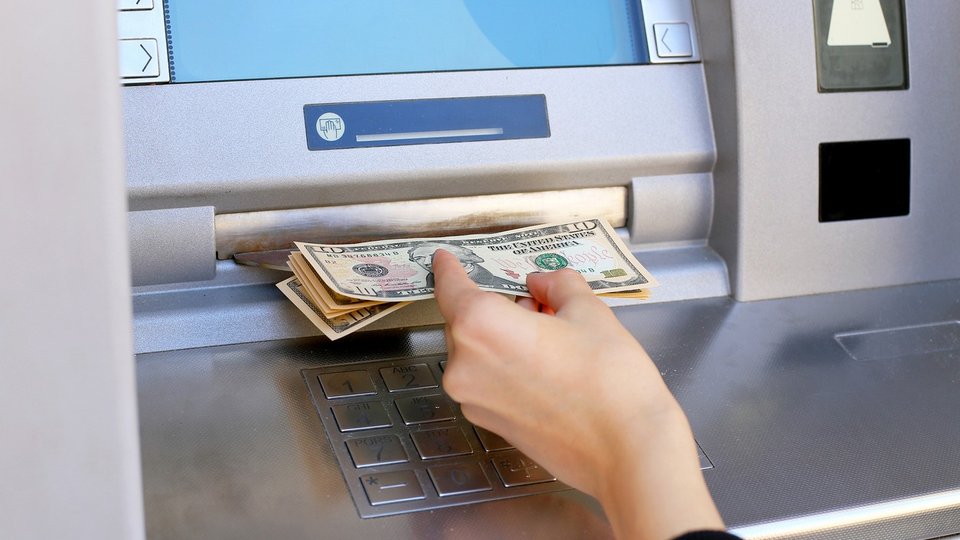
The “Smart ATM” has revolutionized the way we deposit money outside of standard business hours. Unlike older machines that required funds to be placed in an envelope—leading to multi-day verification delays—modern deposit-enabled ATMs use sophisticated imaging technology to scan checks and count currency in real-time.
When using these terminals, the money is often credited to your account almost instantly, though a portion may be held until the next business day depending on the bank’s policy. Most major national banks (such as Chase, Bank of America, and Wells Fargo) have expanded their ATM networks to include partner machines, allowing you to deposit funds even if you are far from a dedicated branch. However, it is vital to ensure the ATM is “in-network” to avoid high fees or the risk of the machine rejecting the transaction.
Digital-First and Neobank Options for the Modern Saver
The rise of digital-only banks, often called neobanks, has created a unique challenge: how do you deposit physical money into an account that doesn’t have a physical branch? These institutions have developed creative workarounds that often integrate with existing retail infrastructure.
Mobile Check Deposits and App-Based Banking
For paper checks—ranging from payroll to personal gifts—the mobile app is now the standard deposit tool. Using Remote Deposit Capture (RDC) technology, users simply take a photo of the front and back of the endorsed check.
This method is highly efficient but comes with specific caveats. Digital banks often impose daily and monthly limits on mobile deposits to mitigate the risk of fraud. Furthermore, because the bank does not physically possess the check, funds may be held for one to five business days while the bank verifies the sender’s account. To ensure a smooth deposit, it is crucial to endorse the check with “For Mobile Deposit Only” if the app requires it, preventing the check from being processed twice.
Cash-to-App Services: Bridging the Physical and Digital
Digital banks like Chime, Ally, or Varo often partner with retail giants to facilitate cash deposits. This process, often referred to as a “Green Dot” or “Reload” service, allows you to walk into a participating retailer, hand over your cash and your debit card (or a barcode from your app), and have the funds transferred to your digital account.
While convenient, these services frequently come with a convenience fee, often ranging from $3.95 to $5.95 per transaction. For those who frequently deal in cash, these fees can eat into savings quickly, making it more cost-effective to maintain a secondary account at a local credit union solely for the purpose of free cash deposits and electronic transfers.
Retail Networks and Third-Party Deposit Services
The intersection of retail and finance has expanded the “where” of depositing money to include grocery stores, pharmacies, and convenience stores. This infrastructure is particularly valuable for the unbanked or underbanked populations, as well as those who live in “banking deserts” where traditional branches are scarce.
Grocery Stores and Pharmacy Chains
Major chains like Walmart, CVS, Walgreens, and 7-Eleven have become de facto financial hubs. Through services like MoneyGram or Western Union, or through direct partnerships with banks, these locations allow for “Vanilla Direct” or “Swipe Reload” transactions.
The process is straightforward: you inform the cashier you wish to add money to an account or a prepaid card. They scan a barcode generated by your banking app, you pay the cash amount plus the fee, and the transaction is processed through a third-party network. This method is highly accessible, with many locations open 24/7, providing a level of flexibility that traditional banks cannot match.
Credit Unions and Shared Branching
Credit unions offer a unique “Shared Branching” network that significantly expands where you can deposit money. Through the CO-OP Shared Branch network, members of one credit union can walk into a different participating credit union and perform transactions as if they were at their home branch. This allows for the personal touch of a local institution with the geographical reach of a national bank. If you belong to a credit union, you can often deposit cash or checks at thousands of locations nationwide without incurring out-of-network fees.
Strategic Cash Management: Beyond the Standard Checking Account
When deciding where to deposit money, it is important to look beyond simple storage and consider the growth potential of those funds. Not all deposit locations are created equal when it comes to interest rates and financial utility.
Brokerage Accounts and Money Market Funds
If you have a significant sum of money that does not need to be accessed for daily expenses, depositing it into a brokerage account (like Vanguard, Fidelity, or Charles Schwab) may be more beneficial than a standard checking account. These firms allow you to deposit funds via Electronic Funds Transfer (EFT) or check.
Once in the account, the money can be placed in a Money Market Fund. These funds often offer significantly higher interest rates than traditional savings accounts while maintaining high liquidity. While they are not technically FDIC-insured in the same way a bank account is, they are considered very low-risk and are a staple of sophisticated cash management.
High-Yield Savings Accounts (HYSA)
For emergency funds or short-term savings, the “where” should almost always be a High-Yield Savings Account. Most HYSAs are hosted by online-only banks that save on overhead costs and pass those savings to the customer in the form of higher Annual Percentage Yields (APY).
Depositing money into an HYSA usually requires an initial transfer from a linked checking account. By strategically moving your “lazy” money from a zero-interest checking account to a high-yield environment, you ensure your deposits are working for you, combating the erosive effects of inflation.
Security and Best Practices for Handling Deposits
Regardless of where you choose to deposit your money, adhering to strict security protocols is non-negotiable. The financial system is robust, but it is not immune to error or fraud.
Understanding Deposit Limits and Regulatory Reporting
When depositing large sums of cash, you must be aware of the Bank Secrecy Act. Financial institutions are required by law to file a Currency Transaction Report (CTR) for any cash deposit exceeding $10,000. This is a standard anti-money laundering measure and is not a cause for concern for legitimate depositors. However, attempting to “structure” deposits—making multiple smaller deposits to avoid the $10,000 threshold—is a federal offense. Transparency with your financial institution is always the best policy.

Verifying Transactions and Avoiding Scams
Always retain your deposit receipts, whether physical or digital, until the funds have cleared and appear in your available balance. In the world of mobile deposits, be wary of “check-cashing scams” where an unknown party asks you to deposit a check and send them a portion of the funds. Once the bank identifies the check as fraudulent, they will claw back the full amount from your account, leaving you responsible for the loss.
Ultimately, the best place to deposit your money depends on the form the money takes and how quickly you need it. By leveraging a combination of traditional branches for cash, mobile apps for checks, and high-yield digital accounts for savings, you can create a seamless and efficient financial ecosystem that keeps your capital safe and accessible.
aViewFromTheCave is a participant in the Amazon Services LLC Associates Program, an affiliate advertising program designed to provide a means for sites to earn advertising fees by advertising and linking to Amazon.com. Amazon, the Amazon logo, AmazonSupply, and the AmazonSupply logo are trademarks of Amazon.com, Inc. or its affiliates. As an Amazon Associate we earn affiliate commissions from qualifying purchases.