
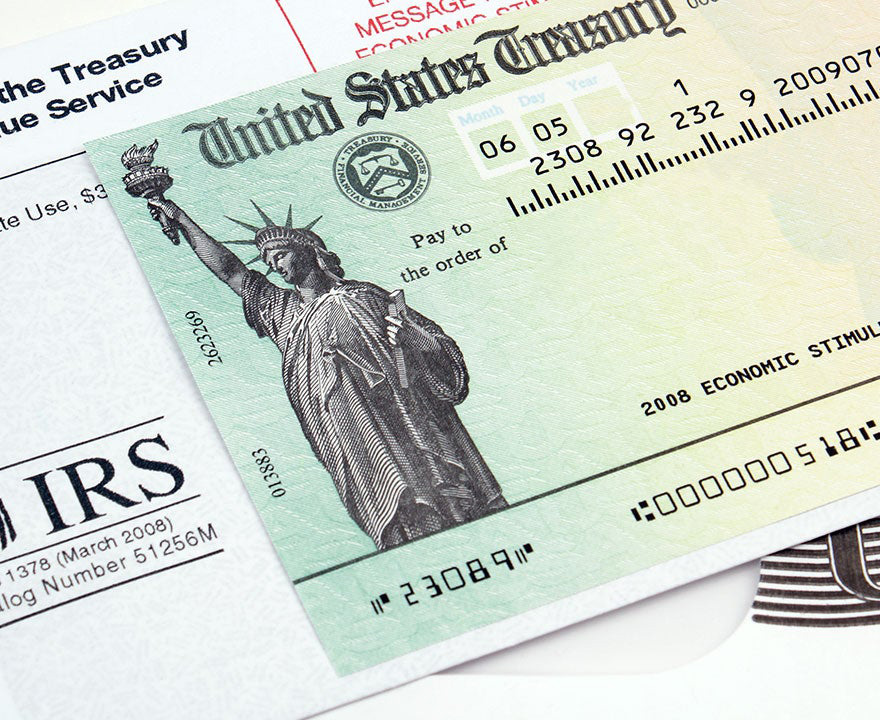
For millions of taxpayers, the arrival of a tax refund check is one of the most anticipated financial events of the year. Whether it represents a hard-earned windfall, a much-needed safety net, or capital for a new investment, that rectangular piece of paper from the U.S. Treasury carries significant value. However, in an increasingly digital economy, receiving a physical check can present a logistical hurdle: where exactly can you turn that paper into spendable cash or a digital balance?
Choosing the right location to cash your tax return check is more than a matter of convenience; it is a strategic financial decision. Depending on where you go, you might encounter varying fees, identification requirements, and processing times. This guide explores the most reliable venues for cashing your tax refund, ranging from traditional banks to retail giants and mobile solutions, ensuring you keep as much of your refund as possible.

Traditional Financial Institutions: The Safest and Most Cost-Effective Options
When it comes to financial transactions, traditional banks and credit unions remain the gold standard. They offer the highest level of security and, for account holders, the lowest possible cost. Because a tax refund is a government-issued check, it is considered “low risk,” which often makes the cashing process smoother than it would be for a personal check.
Cashing at Your Local Bank or Credit Union
If you already have a checking or savings account, your own bank is the best place to start. Most banks allow customers to cash or deposit government checks free of charge. When you deposit the check into your account, federal regulations (specifically Regulation CC) often require banks to make at least the first $225 available the next business day, though many institutions provide immediate access to the full amount for established customers.
If you do not have an account, you can still approach a bank, but be prepared for a different experience. Some banks will cash a government check for non-customers for a flat fee (typically ranging from $4 to $10) or a small percentage of the check’s value. However, many national chains have tightened their policies and may refuse to cash checks for non-account holders altogether.
Cashing at the Issuing Bank (The U.S. Treasury)
Technically, the “issuing bank” for a tax refund is the U.S. Treasury. While you cannot walk into a Treasury building to get cash, certain banks that have a relationship with the government may be more inclined to honor these checks. It is a common misconception that any bank must cash a government check; while they are encouraged to do so, private institutions maintain the right to set their own policies. However, because the U.S. government’s credit is ironclad, the risk of the check bouncing is virtually zero, which makes banks more likely to assist you even if you aren’t a regular patron.
Retail and Grocery Alternatives: Convenience for a Small Fee
For those who do not have a traditional bank account—often referred to as the “unbanked” or “underbanked”—retailers and grocery stores provide a vital service. These locations offer extended hours, including weekends and evenings, which are often more accessible than banking hours.
National Retailers Like Walmart
Walmart is one of the most popular destinations for cashing tax refund checks due to its transparent fee structure and widespread locations. The company has a dedicated “MoneyCenter” in most stores designed specifically for these transactions.
As of the current fiscal year, Walmart typically charges a maximum fee of $4 for checks up to $1,000 and $8 for checks over $1,000 (up to a certain limit, usually $5,000 or $7,500 during tax season). This is often significantly cheaper than specialized check-cashing stores. The primary advantage here is the “one-stop shop” nature of the transaction: you can cash your check and immediately use the funds for household essentials or load the balance onto a pre-paid debit card.
Major Grocery Store Chains
Many regional and national grocery chains, such as Kroger, Publix, and Safeway, offer check-cashing services at their customer service desks. These stores often see tax season as an opportunity to gain foot traffic, sometimes offering “loyalty card” discounts on cashing fees.
Fees at grocery stores are usually competitive, but they often have lower ceilings on the check amount they are willing to cash compared to Walmart or a bank. It is advisable to call ahead to ensure their system can handle a large government check and to confirm what form of primary and secondary identification they require.
Digital Solutions and Mobile Apps: Cashing Checks from Your Smartphone
In the modern financial landscape, you no longer need to leave your house to cash a tax return check. Financial technology has advanced to the point where your smartphone can serve as a portable teller window. This is particularly useful for those who prefer managing their personal finances digitally.
Using Your Mobile Banking App
If you have a bank account, the most efficient way to “cash” your check is via mobile deposit. By taking a photo of the front and back of the endorsed check through your bank’s secure app, the funds are moved into your account electronically. While this isn’t “cashing” in the sense of receiving physical bills immediately, it is the fastest way to get the money into your spending ecosystem. Most banks have higher mobile deposit limits for government checks than they do for personal checks, recognizing the verified nature of IRS disbursements.
Third-Party Apps: PayPal, Venmo, and Ingo Money
For those without a bank account, apps like PayPal and Venmo have introduced “Cash a Check” features. These services are often powered by Ingo Money. The process involves taking a photo of the check within the app.
These apps usually offer two tiers of service:
- Money in Minutes: You pay a fee (often 1% to 5% of the check value, with a minimum of $5) to have the funds cleared and available in your digital wallet within minutes.
- No-Fee Deposit: If you can wait 10 days, the service is often free. This is an excellent option for the disciplined consumer who wants to avoid fees and doesn’t have an urgent need for the liquidity.
Specialized Check-Cashing Stores: What to Know Before You Go
Specialized check-cashing stores and payday lenders are ubiquitous in many urban areas. While they offer high accessibility and are often open 24/7, they should generally be viewed as a last resort due to their cost structure.
Understanding the Cost of Convenience
Unlike banks or large retailers, specialized check-cashing outlets exist solely to profit from transaction fees. For a tax refund check, which can be several thousand dollars, a fee of 3% to 5% can result in you losing hundreds of dollars of your refund. For example, on a $3,000 refund, a 5% fee is $150—money that could be better spent on savings or debt repayment.
Avoiding Predatory Lending Practices
The danger of using these stores isn’t just the flat fee. Many of these establishments may attempt to cross-sell you on high-interest payday loans or “refund anticipation loans.” As a rule of thumb in personal finance, you should never pay interest to access money that is already yours. If you must use a check-cashing store, go in with a clear plan: cash the check, pay the one-time fee, and leave without engaging in further credit products.
Best Practices for Receiving and Managing Your Tax Refund
Cashing the check is only the first step. To ensure the process is seamless and that you are protected against fraud or loss, there are several financial best practices to keep in mind.
Required Documentation and Identification
Regardless of where you go, you will need valid, government-issued photo identification. A driver’s license, state ID, or passport is mandatory. If you are cashing a large check at a retail location, they may also ask for your Social Security number or a secondary form of ID (like a utility bill or a credit card) to verify your identity.
It is also vital that you do not endorse (sign) the back of the check until you are physically standing in front of the teller or cashier. A signed check is essentially as good as cash; if you lose a signed check on the way to the bank, anyone who finds it could theoretically attempt to cash it.
The Shift Toward Direct Deposit
While this guide focuses on cashing physical checks, the most insightful advice for future tax seasons is to opt for direct deposit. The IRS reports that 8 out of 10 taxpayers receive their refunds via direct deposit. It is faster, eliminates the risk of a check being lost or stolen in the mail, and removes the need to pay cashing fees.
If you do not have a bank account, you can still use direct deposit by directing your refund to a prepaid debit card or a mobile finance app like ChashApp or Chime. These platforms provide you with a routing and account number specifically for this purpose, allowing you to bypass the physical check-cashing cycle entirely.
Conclusion
Your tax refund is a significant financial asset. Whether you choose the zero-cost route of a traditional bank, the convenience of a Walmart MoneyCenter, or the modern ease of a mobile app, the goal is to maximize the value of your return. By understanding the fees and requirements associated with each method, you can make an informed decision that aligns with your personal financial goals and keeps your money where it belongs: in your pocket.
aViewFromTheCave is a participant in the Amazon Services LLC Associates Program, an affiliate advertising program designed to provide a means for sites to earn advertising fees by advertising and linking to Amazon.com. Amazon, the Amazon logo, AmazonSupply, and the AmazonSupply logo are trademarks of Amazon.com, Inc. or its affiliates. As an Amazon Associate we earn affiliate commissions from qualifying purchases.