
In an increasingly digital financial landscape, the paper check remains a persistent and necessary tool for many. Whether it is a payroll disbursement, a tax refund, a gift from a relative, or a settlement from an insurance claim, the question of “where can I cash a check near me” is one that millions of people ask every year. Navigating this process effectively requires more than just finding the nearest open door; it involves understanding fee structures, liquidity timelines, and the broader financial tools available to maximize the value of your money.
This guide provides a deep dive into the various avenues available for converting a paper check into usable cash, evaluating each based on cost, convenience, and security.
Banking Institutions: The Primary Gateway for Cashing Checks
For most individuals, a traditional bank or credit union remains the most reliable and cost-effective venue for cashing a check. These institutions are the backbone of the financial system and offer the highest levels of security for your transactions.
Traditional Banks vs. Credit Unions
If you already hold a checking or savings account, cashing a check at your own institution is almost always free. This is the gold standard of personal finance management. However, for those who do not have an account, the process becomes slightly more complex.
Credit unions, which are member-owned cooperatives, often provide more personalized service and lower fees than large national banks. If you are looking for a long-term financial home, a local credit union might offer “shared branching” services, allowing you to cash checks even if you aren’t at your specific home branch. On the other hand, large national banks have the advantage of massive ATM networks and longer operating hours, providing geographic flexibility.
Cashing a Check at the Issuing Bank
If you do not have a bank account, your best option is often to visit the bank that issued the check—this is the bank whose name is printed on the front of the check. Because the issuing bank can instantly verify the account holder’s balance and the check’s authenticity, they are more likely to cash it for a non-customer.
It is important to note that most banks charge a flat fee or a small percentage (usually 1% to 3%) for this service to non-customers. Furthermore, you will be required to provide valid government-issued identification, such as a driver’s license or passport, to complete the transaction.
Retail and Grocery Alternatives: Accessibility Beyond Banking Hours
When traditional banks are closed—such as on Sunday or late in the evening—retailers and grocery stores serve as vital financial hubs. Many major chains have recognized the demand for accessible financial services and have integrated “Money Centers” into their stores.
Major Supermarket Chains and Their Policies
Supermarkets are often the most convenient “near me” option for check cashing. Chains like Kroger, Publix, Safeway, and H-E-B offer check-cashing services at their customer service desks. These stores typically handle payroll checks and government checks with ease, though they may be more hesitant to cash personal hand-written checks due to the higher risk of fraud.
The fees at grocery stores are generally competitive, often ranging from $3 to $6 for checks up to a certain limit (frequently $1,000 or $5,000). For many, the ability to cash a paycheck while simultaneously doing weekly grocery shopping represents a significant “time-is-money” advantage.
Big Box Retailers: Walmart and Beyond
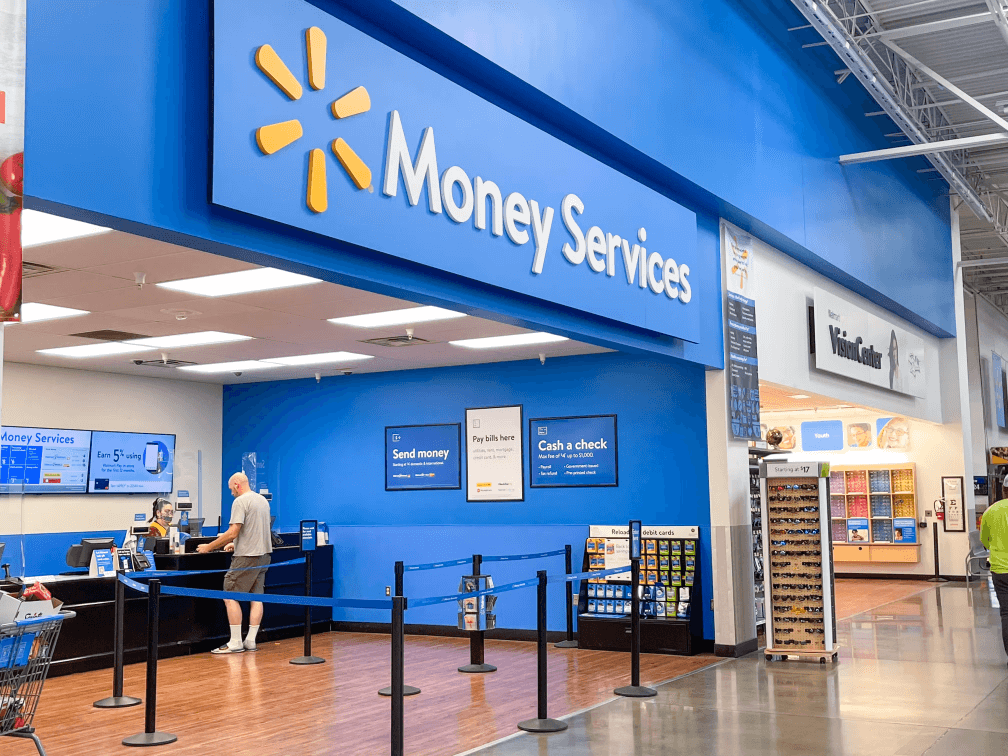
Walmart is perhaps the most prominent non-bank financial service provider in the United States. Through their MoneyCenter, they provide a standardized fee structure for cashing various types of checks, including tax refunds, 401(k) disbursements, and insurance settlements.
The advantage of using a large retailer like Walmart lies in their transparency. Their fees are posted clearly, and they offer the option to load the funds directly onto a pre-paid debit card, which can help those without traditional bank accounts manage their money more digitally. However, always be aware of the “limit” policies, as many retailers have a maximum check value they are willing to process.
Digital Solutions and Mobile FinTech

The rise of financial technology (FinTech) has shifted the “near me” concept from a physical location to the palm of your hand. For those who value speed and do not require physical currency immediately, digital tools are the most efficient way to handle a check.
Mobile Check Deposit: The Convenience of Your Smartphone
If you have a bank account, the most logical “place” to cash a check is through your bank’s mobile app. This process, known as Remote Deposit Capture (RDC), allows you to take a photo of the front and back of the endorsed check and upload it to your account.
While this doesn’t put physical cash in your hand immediately, the funds are typically available within one to two business days. From a personal finance perspective, this is the most secure method, as it eliminates the risk of carrying large amounts of cash and creates an immediate digital paper trail for your records.
Prepaid Card Apps and Digital Wallets
For the “unbanked” or “underbanked” population, apps like PayPal, Venmo, and various prepaid card apps (like Netspend) offer check-cashing features. These apps use third-party services like Ingo Money to verify the check.
The fee structure for these digital tools usually offers two choices: a “Money in Minutes” option for a higher fee (typically 2% to 5%) or a “Money in Days” option which is often free. This choice allows users to prioritize either speed or cost-savings depending on their current financial liquidity needs.
Specialized Financial Service Centers
When traditional banks and retailers are not an option, specialized check-cashing stores provide a critical, albeit more expensive, service. These outlets are designed specifically for rapid transactions and high accessibility.
Check-Cashing Outlets: When to Use Them
Businesses like PLS, Ace Cash Express, and Check Into Cash are ubiquitous in urban areas. Their primary value proposition is speed and lack of bureaucracy. Unlike banks, which may hold funds for several days, these outlets provide “instant” cash.
However, this convenience comes at a high price. These stores often charge the highest fees in the industry. They are best used as a last resort in financial emergencies. From a strategic money management standpoint, relying on these services long-term can significantly erode your net income due to the cumulative cost of transaction fees.
24/7 Kiosks and Convenience Store Services
In some regions, 7-Eleven stores and other 24-hour convenience hubs host automated kiosks (such as Vcom) that allow for check cashing and bill payment. These are particularly useful for workers on non-traditional shifts who cannot access services during standard business hours. While the technology is impressive, users should be vigilant about their surroundings when withdrawing large amounts of cash from a kiosk in a high-traffic or poorly lit area.
Strategic Financial Considerations and Best Practices
Choosing where to cash a check is a decision that impacts your overall financial health. To ensure you are making the smartest move with your money, you must look beyond mere location.
Understanding Fee Structures and Hidden Costs
The cost of cashing a check can vary wildly from $0 to over $50 depending on the check’s value and the service provider. Always ask for the “total cost of the transaction” before handing over your check.
- Flat Fees: Best for large checks.
- Percentage Fees: Best for small checks.
- Loading Fees: Some places charge extra to put your money on a card.
By calculating the annual cost of these fees, many people realize that opening a basic, no-fee checking account would save them hundreds of dollars a year—a crucial step in building long-term wealth.

Required Documentation and Security Protocols
To cash a check anywhere, you must follow specific security protocols to protect yourself and the institution from fraud.
- Identification: Always carry a valid, unexpired government ID. Some places may require a secondary form of ID or a thumbprint.
- Endorsement: Do not sign the back of your check until you are physically at the counter or ready to take the photo for a mobile deposit. A pre-signed check is essentially as good as cash; if you lose it, anyone can potentially cash it.
- Verification: Be prepared for the teller to call the issuer to verify funds. This is a standard procedure and is not a reflection on your personal credit.
Ultimately, the best place to cash a check “near you” is the one that balances immediate need with long-term financial wisdom. While a check-cashing store might be the closest, the mobile app on your phone or a local credit union is almost always the better choice for your bottom line. By understanding the landscape of modern money tools, you can ensure that more of your hard-earned cash stays in your pocket.
aViewFromTheCave is a participant in the Amazon Services LLC Associates Program, an affiliate advertising program designed to provide a means for sites to earn advertising fees by advertising and linking to Amazon.com. Amazon, the Amazon logo, AmazonSupply, and the AmazonSupply logo are trademarks of Amazon.com, Inc. or its affiliates. As an Amazon Associate we earn affiliate commissions from qualifying purchases.