
The democratization of the financial markets has undergone a radical transformation over the last decade. Not long ago, the question “where can I buy stocks?” would have led you to a high-priced mahogany office or a frantic phone call to a floor broker. Today, the stock market is accessible to anyone with a smartphone and a few dollars. However, the abundance of choice brings a new challenge: selecting the right platform that aligns with your financial goals, risk tolerance, and technical requirements.
In this guide, we will explore the various avenues available for purchasing stocks, ranging from traditional powerhouse brokerages to the cutting-edge fintech apps that have revolutionized the industry.

1. Navigating the Landscape: Types of Brokerage Platforms
When deciding where to buy stocks, you must first understand that not all brokers are created equal. The industry is generally divided into three categories, each catering to a different level of expertise and service requirement.
Full-Service Brokerages
Full-service brokers are the “concierges” of the investing world. Firms like Morgan Stanley, Merrill Lynch, and Edward Jones offer more than just a platform to execute trades; they provide bespoke financial advice, estate planning, tax coordination, and portfolio management.
While these are excellent options for high-net-worth individuals who prefer a hands-off approach, they come with significant costs. These brokers usually charge either a percentage of assets under management (AUM) or high commissions per trade. If you are asking where to buy stocks because you want a professional to manage the entire process for you, a full-service broker is the logical choice.
Online Discount Brokers
Online discount brokers represent the middle ground and are currently the most popular choice for the average investor. Giants like Fidelity Investments, Charles Schwab, and Vanguard have eliminated most trading commissions for U.S. stocks and ETFs.
These platforms provide a robust suite of tools, including sophisticated research reports, real-time data, and comprehensive educational resources. They are ideal for investors who want to make their own decisions but still want the security and extensive customer service of an established financial institution.
Mobile-First Fintech Apps
The newest entrants to the market are mobile-first platforms like Robinhood, Webull, and Public. These apps were designed with the “user experience” as the priority. They often feature “gamified” interfaces that make buying a stock as easy as ordering a pizza.
One of the greatest advantages of these apps is the introduction of fractional shares. If a single share of a high-priced tech company costs $3,000, these platforms allow you to buy $5 worth of that share. This has lowered the barrier to entry significantly, making them the primary answer for many young or first-time investors wondering where to start.
2. Choosing the Right Account Type for Your Purchases
Knowing where to buy stocks also involves knowing how to hold them. Once you choose a platform, you must decide which type of account to open. This decision has massive implications for your taxes and your ability to access your money.
Individual Taxable Brokerage Accounts
This is the most flexible type of account. There are no limits on how much you can contribute annually, and you can withdraw your money at any time. However, you are subject to capital gains taxes. If you sell a stock for a profit, the government will take a cut. If you hold the stock for more than a year, you qualify for the long-term capital gains rate, which is typically lower than your standard income tax rate.
Retirement Accounts (IRAs and 401ks)
If your goal for buying stocks is long-term wealth building, you should look into Individual Retirement Accounts (IRAs). These are offered by almost all online brokers.
- Traditional IRA: Your contributions may be tax-deductible, and the investments grow tax-deferred. You pay taxes when you withdraw the money in retirement.
- Roth IRA: You contribute after-tax dollars, but your investments grow tax-free, and qualified withdrawals in retirement are also tax-free.
Choosing to buy stocks within these shells is often a smarter financial move than using a standard taxable account, provided you don’t need the money until you reach age 59½.

Robo-Advisors: The Automated Alternative
If you want to buy stocks but don’t want to pick individual companies, robo-advisors like Betterment or Wealthfront are excellent choices. These platforms use algorithms to build a diversified portfolio of stocks (usually through ETFs) based on your risk profile. They handle the “where” and the “what” for you, automatically rebalancing your portfolio and performing tax-loss harvesting to minimize your liabilities.
3. Critical Factors to Evaluate Before You Deposit
Not all platforms are a good fit for every investor. Before you commit your capital to a specific broker, you must evaluate several key performance indicators that will affect your long-term returns.
Fee Structures and Hidden Costs
While “zero-commission” is the industry standard now, brokers still need to make money. Some do this through “Payment for Order Flow” (PFOF), where they send your trade requests to market makers in exchange for a fee. This can sometimes result in a slightly worse execution price for you.
Other fees to look out for include:
- Inactivity fees: Charged if you don’t trade for a certain period.
- Transfer-out fees: Charged if you decide to move your stocks to a different broker.
- Margin interest rates: The cost of borrowing money from the broker to buy more stocks.
Research Tools and Educational Depth
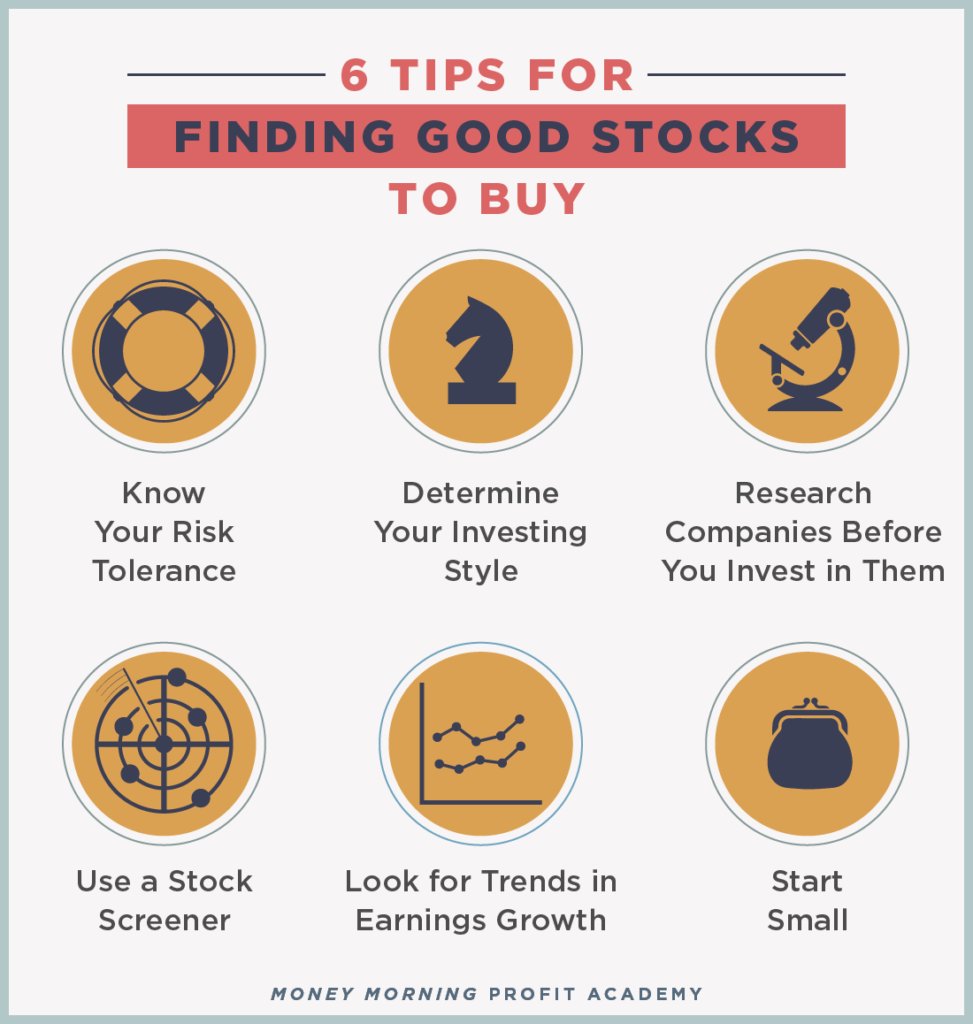
For the self-directed investor, the quality of information is paramount. Does the broker provide free access to Morningstar or Reuters research? Do they have a “stock screener” that allows you to filter companies by price-to-earnings (P/E) ratios or dividend yields? A platform that simply offers a “buy” button without context is often insufficient for anyone serious about growing their wealth.
Security, Insurance, and Regulation
You must ensure that any platform you use is a member of the Securities Investor Protection Corporation (SIPC). This protects your assets (up to $500,000, including a $250,000 limit for cash) if the brokerage firm fails. Additionally, the broker should be regulated by the Financial Industry Regulatory Authority (FINRA) and the Securities and Exchange Commission (SEC). Never buy stocks through an unregulated platform or an offshore “bucket shop.”
4. The Execution: Moving from Search to Ownership
Once you have identified where you want to buy your stocks, the actual process of purchasing is straightforward but requires an understanding of market mechanics.
Funding Your Account
Most brokers allow you to link your bank account via ACH transfer. This is usually free but can take 1–3 business days for the funds to clear. Some modern apps allow for “instant deposits,” giving you a credit to trade with while your bank transfer is still pending. For larger, time-sensitive amounts, wire transfers are available, though banks typically charge a fee for this service.
Understanding Order Types
When you are ready to click “buy,” you will usually face two primary choices:
- Market Order: This tells the broker to buy the stock immediately at the best available current price. It guarantees execution but does not guarantee the price.
- Limit Order: This tells the broker to buy the stock only if the price hits a specific level or lower. This guarantees your price but does not guarantee that the trade will actually happen if the stock never drops to your limit.
For most long-term investors, limit orders are the preferred method to avoid “slippage” during periods of high market volatility.
Diversification: Buying More Than One Stock
The question of “where can I buy stocks” often evolves into “what stocks should I buy?” Financial experts generally advise against putting all your money into a single company. This is where Exchange-Traded Funds (ETFs) come in. Most brokers allow you to buy ETFs just like individual stocks. An ETF like the VOO (Vanguard S&P 500 ETF) allows you to own a tiny piece of 500 of the largest companies in the U.S. simultaneously. This spreads your risk and is often the most efficient way for beginners to start their investing journey.
Conclusion: Building Your Financial Future
The answer to “where can I buy stocks” is no longer a single location, but a diverse ecosystem of digital platforms tailored to every type of investor. Whether you choose a high-touch full-service firm, a feature-rich online discount broker, or a streamlined mobile app, the most important step is starting.
By focusing on platforms that offer low fees, robust security, and the specific account types (like IRAs) that fit your needs, you set the foundation for long-term compound growth. Investing in the stock market remains one of the most effective ways to build wealth over time, and with today’s tools, the barrier to entry has never been lower. Choose your platform wisely, diversify your holdings, and maintain a disciplined, long-term perspective.
aViewFromTheCave is a participant in the Amazon Services LLC Associates Program, an affiliate advertising program designed to provide a means for sites to earn advertising fees by advertising and linking to Amazon.com. Amazon, the Amazon logo, AmazonSupply, and the AmazonSupply logo are trademarks of Amazon.com, Inc. or its affiliates. As an Amazon Associate we earn affiliate commissions from qualifying purchases.