
Embarking on a journey often begins with a single, pivotal question: “Where can I buy plane tickets?” While seemingly straightforward, the answer unravels into a complex web of financial decisions, strategic timing, and a savvy understanding of the travel market. For the prudent traveler, this isn’t merely about completing a transaction; it’s about optimizing an expenditure, ensuring value for money, and making informed choices that align with personal finance goals. In an era where travel costs can fluctuate wildly, understanding the landscape of airfare purchasing is paramount to securing your dream trip without breaking the bank. This comprehensive guide will dissect the various avenues for acquiring plane tickets, viewed through the lens of personal finance, helping you become a more astute and economical traveler.
The Core Financial Decision: Direct vs. Third-Party Bookings
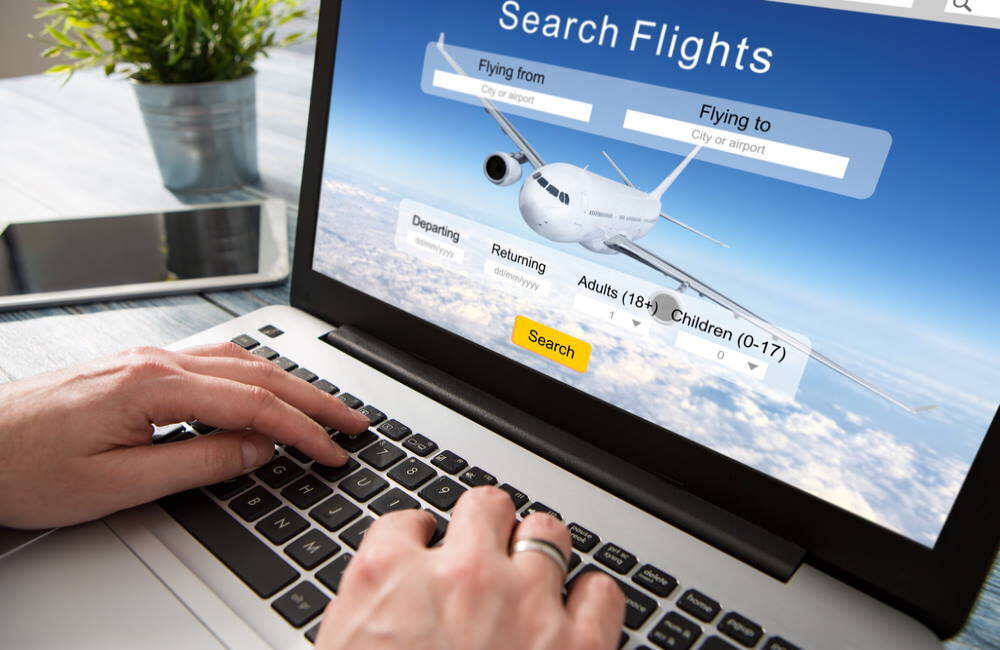
The fundamental choice facing any plane ticket purchaser is whether to book directly with an airline or through an intermediary. Each path presents distinct financial implications, offering a balance of potential savings, flexibility, and customer service experience. Understanding these nuances is crucial for making a financially sound decision.
Booking Directly with Airlines: Benefits for Your Wallet
Opting to book directly through an airline’s official website or app often comes with a suite of financial and logistical advantages, particularly for those prioritizing long-term value and certainty.
Price Match Guarantees
Many airlines offer price match guarantees, promising to match a lower fare found elsewhere or even refund the difference. This provides a safety net, allowing consumers to book with confidence directly, knowing they are getting a competitive rate. Beyond mere matching, some airlines occasionally offer exclusive deals or discounts directly on their platforms, making their site the cheapest option available. This can be a subtle but significant financial win, eliminating the need to scour multiple third-party sites endlessly.
Loyalty Programs and Miles Accumulation
Perhaps the most compelling financial incentive for direct booking is the seamless accumulation of loyalty points or miles. Most airline frequent flyer programs reward direct purchases more generously, often offering bonus miles for booking through their channels. These miles are a powerful financial asset, redeemable for future flights, upgrades, or even hotel stays, effectively reducing future travel costs. For the dedicated traveler, building status within an airline’s loyalty program can unlock perks like free checked bags, priority boarding, and lounge access – all of which translate into tangible savings and enhanced travel experiences over time. This long-term investment in a specific airline can yield substantial financial dividends.
Direct Customer Service and Flexibility for Changes
While not a direct monetary saving at the point of purchase, the ease of managing changes or cancellations can have significant financial implications down the line. Booking directly typically means a simpler, more direct line of communication with the airline’s customer service. In situations requiring flight changes, cancellations, or rebooking due to unforeseen circumstances, dealing directly with the carrier can often result in lower (or waived) change fees, more flexible rebooking options, and faster resolution. This mitigates potential financial losses from missed flights or complicated administrative hurdles, providing a valuable layer of financial security and peace of mind.
Leveraging Online Travel Agencies (OTAs): The Price Comparison Advantage
Online Travel Agencies (OTAs) like Expedia, Booking.com, Kayak, and Google Flights act as aggregators, presenting a vast array of flight options from multiple airlines. Their primary appeal lies in their ability to simplify price comparison and unearth competitive deals.
Aggregation for Best Deals
OTAs excel at scouring numerous airlines and routes simultaneously, often displaying the lowest available prices from various carriers in one convenient interface. This saves the consumer invaluable time and effort, making it easier to identify the most financially attractive option at a glance. For travelers whose primary concern is the bottom-line cost, OTAs can be an indispensable tool for uncovering fleeting deals or lesser-known routes that might offer significant savings.
Package Deals (Flight + Hotel) Savings
A notable financial advantage offered by many OTAs is the ability to bundle flights with hotels, car rentals, or even activities. These package deals frequently offer substantial discounts compared to booking each component separately. For travelers planning a comprehensive trip, this can represent a significant reduction in overall travel expenses, effectively making the flight component cheaper when viewed as part of the larger financial outlay. It’s a smart financial strategy for budget-conscious vacationers.
Potential Drawbacks: Hidden Fees, Customer Service Layers
While OTAs offer attractive initial prices, it’s crucial for the financially savvy traveler to be aware of potential pitfalls. Some OTAs may add their own booking fees, which are only revealed late in the booking process, or may display basic fares that don’t include essentials like baggage, leading to unexpected costs. Furthermore, in the event of flight changes, cancellations, or other issues, dealing with an OTA adds an extra layer of customer service. Resolving problems can be more time-consuming and complex as the OTA acts as an intermediary between you and the airline, potentially delaying refunds or rebooking and adding to the overall financial and emotional cost of a disrupted journey. Always read the fine print regarding fees and cancellation policies.
Strategic Timing and Flexibility: Maximizing Your Savings
Beyond where you buy your ticket, when and how flexibly you approach your travel dates can significantly impact the final price. Strategic timing and an open mind are powerful financial tools in the pursuit of cheaper airfare.
The “Goldilocks Zone” for Booking: When to Buy for Optimal Prices
Airfare pricing is dynamic, influenced by demand, seasonality, and the airline’s revenue management algorithms. Finding the sweet spot – not too early, not too late – is key.
Advance Purchase Windows (Domestic vs. International)
General wisdom suggests that for domestic flights, booking 1 to 3 months in advance often yields the best prices. For international travel, this window typically extends to 2 to 8 months out. Booking too far in advance can mean missing out on sales, while booking last-minute usually results in exorbitant prices as airlines capitalize on urgent demand. Financial discipline here means resisting the urge to book impulsively and instead timing your purchase within these optimal windows.
Impact of Seasonality and Holidays
Prices skyrocket during peak travel seasons, major holidays, and school breaks. Flying during the “shoulder season” (just before or after peak season) or off-peak periods can lead to substantial savings. For instance, traveling in late fall or early spring can often be significantly cheaper than during the summer or Christmas period. Being aware of major events, festivals, or local holidays at your destination can also prevent you from booking during unexpectedly high-demand periods. Adjusting your travel dates by even a few days can sometimes shave hundreds off the ticket price, a direct financial benefit.
Embracing Flexibility: Dates, Airports, and Layover Considerations
A rigid travel plan can be financially punitive. A willingness to adapt can unlock significant savings.
Using Flexible Date Search Tools
Most major OTAs and airline websites offer “flexible date” search options (e.g., ” +/- 3 days” or “cheapest month”). Utilizing these tools is a fundamental money-saving tactic. By seeing a calendar view of prices, you can pinpoint the cheapest departure and return dates, often shifting your trip by just a day or two to save a considerable sum. This direct financial insight empowers travelers to make cost-effective schedule adjustments.
Exploring Alternative Airports
Many destinations are served by multiple airports, or larger metropolitan areas have several options within a reasonable distance. Flying into or out of a smaller, less congested airport – even if it means a slightly longer commute to your final destination – can sometimes be significantly cheaper. Always factor in the cost and time of ground transportation when comparing, but often, the savings on airfare outweigh these ancillary costs. This requires a small upfront research investment for a potentially large financial return.
The Value of a Layover
Direct flights are convenient but often carry a premium. For budget-conscious travelers, embracing flights with one or more layovers can lead to substantial savings. While a longer journey might be less appealing, the financial benefit can be compelling, especially on long-haul international routes. Evaluate the trade-off between your time and your money; sometimes, a few extra hours in transit are a worthwhile sacrifice for a significantly cheaper ticket.
Beyond the Basics: Advanced Money-Saving Tactics
For the truly financially astute traveler, there are several advanced strategies that can further reduce the cost of plane tickets, moving beyond conventional booking methods.
Harnessing Price Alerts and Prediction Tools
In the dynamic world of airfare, staying constantly updated can feel like a full-time job. Fortunately, technology can do the heavy lifting.
How Price Alerts Work (Google Flights, Skyscanner)
Services like Google Flights, Skyscanner, and Hopper allow you to set up price alerts for specific routes and dates. You receive notifications when the fare drops, enabling you to snag a deal as soon as it appears. This passive monitoring ensures you don’t miss out on price fluctuations that could save you a significant amount, without the need for constant manual checking. It’s like having a personal financial assistant for your travel budget.
Understanding Price Prediction Algorithms
Some tools, notably Hopper, offer price prediction algorithms, advising whether to “buy now” or “wait.” While not foolproof, these algorithms analyze historical data and current trends to forecast future price movements. Incorporating their insights into your buying decision can provide an educated guess on when to pull the trigger, potentially saving you money by buying at the optimal predicted low point. Treat these as informed financial guidance rather than absolute guarantees.
The Power of Incognito Mode and VPNs (Dispelling Myths vs. Reality)
There’s a persistent urban legend that airlines track your searches and raise prices on subsequent visits. While the exact impact is debated, understanding the underlying principles is useful.
Cookies and Dynamic Pricing: What You Need to Know
Airlines and OTAs do use cookies to track browsing behavior, but the direct impact on dynamic pricing for individual users searching the same flight repeatedly is less clear-cut than often portrayed. Prices genuinely fluctuate based on demand, inventory, and algorithms. However, using incognito/private browsing mode or clearing your browser’s cookies can ensure that your search history isn’t influencing what fares you see, giving you a ‘fresh’ look at prices. While it might not always yield a cheaper price, it ensures you’re seeing the most current, uninfluenced market rate.
Browser Settings and Price Consistency
A more tangible application of privacy is using a Virtual Private Network (VPN) to appear as if you are browsing from a different country. Airfare prices can vary based on the point of sale, with some countries seeing lower prices for the exact same flight. Experimenting with different VPN locations might occasionally reveal a cheaper fare, though this is less consistent than other methods and can sometimes lead to issues with payment if your credit card’s billing country doesn’t match the point of sale. It’s an advanced tactic for the truly dedicated financial hacker.
Credit Card Rewards and Travel Points: A Smart Financial Play
Leveraging credit card rewards is one of the most powerful financial strategies for reducing the cost of air travel. It transforms everyday spending into travel currency.
Maximizing Sign-Up Bonuses
Many travel rewards credit cards offer substantial sign-up bonuses, often enough for a round-trip domestic or even international flight, simply for meeting a minimum spending requirement within the first few months. Strategically opening new cards when you have planned large expenses can be a highly effective way to accrue points rapidly, directly offsetting future flight costs. This requires careful financial planning and responsible credit management.
Earning Points on Everyday Spending
Beyond sign-up bonuses, using travel rewards credit cards for all your regular expenses (groceries, utilities, dining) allows you to accumulate points steadily. Choose cards that offer bonus points in categories where you spend the most. These accumulated points act as a constantly growing financial asset, ready to be deployed for future flights.
Redeeming Points for Flights: Valuation Strategies
Understanding how to redeem points for maximum value is crucial. Not all points are created equal, and redemption values vary. Aim to redeem points when their value per cent is high, often when cash fares are expensive. Learning about airline transfer partners and sweet spots for redemption can unlock premium travel experiences (e.g., business class flights) at a fraction of the cash cost, representing an immense financial saving. This requires research and strategic financial planning.
Budgeting for the Unforeseen: Protecting Your Travel Investment
A plane ticket is an investment in an experience, and like any investment, it carries risks. Smart financial planning involves anticipating potential pitfalls and protecting your outlay.
The Value of Travel Insurance: A Financial Safety Net
While an added upfront cost, travel insurance can be an invaluable financial shield against unforeseen events.
Trip Cancellation/Interruption Coverage
Life happens. Illness, family emergencies, or job loss can force a last-minute cancellation. Travel insurance can reimburse non-refundable flight costs (and other pre-paid expenses) if your trip is cut short or canceled for covered reasons. This prevents a complete financial loss of your ticket investment.
Medical Emergencies Abroad
A medical emergency in a foreign country can lead to astronomical bills, potentially bankrupting even financially stable individuals. Travel medical insurance is a critical component for international travelers, covering emergency medical treatment and evacuation, saving you from devastating financial burden.
Baggage Loss and Delays
Lost luggage can ruin a trip and incur unexpected expenses for replacement items. Baggage insurance can compensate for lost, stolen, or delayed baggage, helping you cover immediate needs and recoup the value of lost items, safeguarding your financial comfort during travel.
Understanding Ancillary Fees: Budgeting Beyond the Ticket Price
The advertised ticket price is often just the beginning. Savvy financial travelers account for all potential ancillary fees.
Baggage Fees (Checked vs. Carry-on)
Many airlines, especially low-cost carriers, charge for checked bags, and sometimes even for larger carry-on bags. These fees can quickly add up, significantly increasing the overall cost of your flight. Always check the airline’s baggage policy before booking and factor these costs into your budget. Packing light can be a direct financial saving.
Seat Selection Fees
Some airlines charge for advance seat selection, especially for preferred seats or those with extra legroom. While not strictly necessary, if you have specific seating needs, budget for these fees or be prepared to accept an assigned seat at check-in.
In-Flight Services and Upgrades
Food, drinks, Wi-Fi, and entertainment on budget airlines might come at an additional cost. Decide what services are essential and factor them into your overall travel budget. Similarly, while tempting, last-minute upgrade offers to premium cabins can be expensive; weigh the luxury against the financial outlay.
Ethical and Sustainable Travel: A Financial and Conscientious Choice
As global awareness grows, the financial and environmental costs of travel are increasingly intertwined. Making conscientious choices can align with long-term financial values and contribute to a more sustainable future.
Carbon Offsetting Programs: Investing in a Greener Flight
For those concerned about the environmental impact of their air travel, carbon offsetting offers a way to mitigate their footprint.
Understanding Carbon Footprint Calculators
Many airlines and third-party organizations offer carbon calculators to estimate the emissions generated by your flight. This allows you to quantify the environmental impact and subsequently invest in offsetting programs. While not a direct financial saving, it’s an investment in environmental sustainability, aligning with broader ethical financial principles.
Choosing Reputable Offsetting Providers
When opting to offset, choose certified and reputable programs that invest in verified projects (e.g., renewable energy, reforestation). This ensures your financial contribution genuinely supports carbon reduction efforts, offering a return on investment for the planet.
Supporting Responsible Airlines: Alignment with Your Values
Beyond emissions, airlines vary in their broader corporate social responsibility.
Researching Airline Environmental and Labor Practices
Some airlines are more proactive in investing in fuel-efficient fleets, sustainable aviation fuels, and fair labor practices. Researching these aspects allows you to make a choice that aligns with your personal values, even if it sometimes means a slightly higher initial ticket price. This is a form of ethical consumption, where financial decisions reflect a commitment to responsible business.

The Long-Term Financial Impact of Ethical Choices
While the immediate financial saving might not be evident, supporting airlines with strong ethical and environmental track records can contribute to a more sustainable industry in the long run. This can foster innovation that eventually leads to more efficient, potentially cheaper, and less environmentally damaging forms of air travel for everyone. It’s a long-term investment in the future of travel.
In conclusion, the question “Where can I buy plane tickets?” is fundamentally a question of financial strategy. By understanding the various purchasing channels, employing smart timing and flexibility, leveraging advanced saving tactics, and budgeting comprehensively for both expected and unexpected costs, you can transform the daunting task of buying plane tickets into an empowering exercise in personal finance. May your travels be frequent, fulfilling, and financially astute.
aViewFromTheCave is a participant in the Amazon Services LLC Associates Program, an affiliate advertising program designed to provide a means for sites to earn advertising fees by advertising and linking to Amazon.com. Amazon, the Amazon logo, AmazonSupply, and the AmazonSupply logo are trademarks of Amazon.com, Inc. or its affiliates. As an Amazon Associate we earn affiliate commissions from qualifying purchases.