
Investing in the stock market can feel like navigating a complex maze, especially when you’re targeting a specific company like NVIDIA. Known globally for its pioneering work in graphics processing units (GPUs), artificial intelligence, and accelerated computing, NVIDIA has become a prominent name in many investment portfolios. For those looking to capitalize on the tech giant’s growth, understanding the precise steps and considerations for purchasing its stock is paramount. This article will demystify the process, guiding you through how and where to acquire NVIDIA shares, ensuring you make informed decisions within the realm of personal finance and investing.
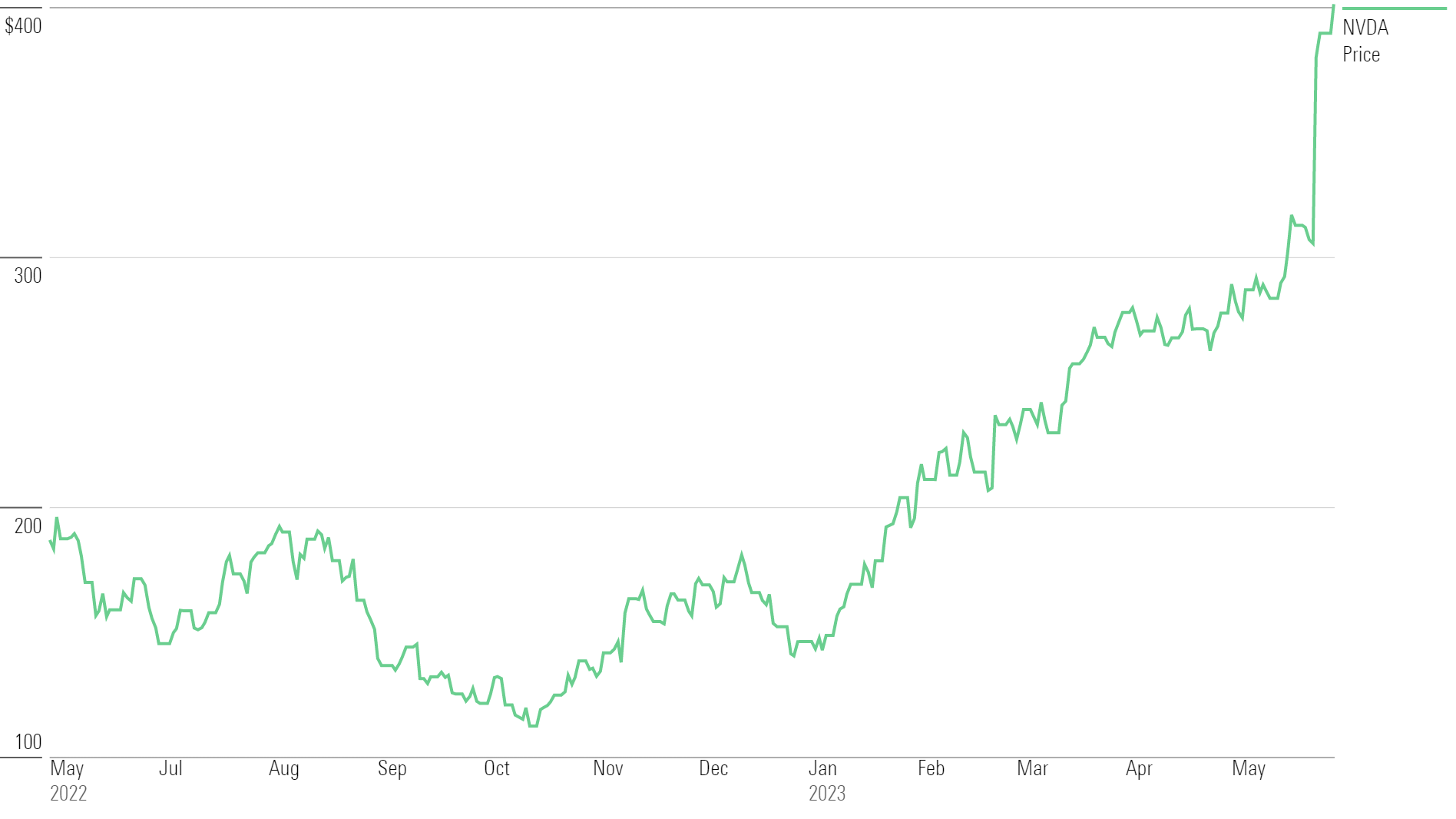
Understanding NVIDIA as an Investment Vehicle
Before diving into the mechanics of buying shares, it’s crucial to understand why NVIDIA stands out as a potential investment. Its market position and growth trajectory are fundamental to grasping its appeal in the financial landscape.
The Tech Giant Behind the Ticker
NVIDIA Corporation (NASDAQ: NVDA) is an American multinational technology company incorporated in Delaware and based in Santa Clara, California. It is a dominant force in the design of graphics processing units (GPUs) for the gaming and professional markets, as well as system on a chip units (SoCs) for the mobile computing and automotive market. More recently, NVIDIA has become a powerhouse in artificial intelligence, deep learning, and data center technologies, with its GPUs being essential components for AI research and deployment. This diversification and leadership in high-growth sectors make it a compelling subject for investors looking at long-term capital appreciation.
Why Consider Investing in NVIDIA?
Investors often look at NVIDIA for several key reasons, all rooted in its financial performance and market standing:
- Market Leadership: NVIDIA holds a dominant position in several high-growth industries, including gaming GPUs, data center AI accelerators, and professional visualization. This leadership provides a strong competitive moat.
- Innovation and Growth Sectors: The company is at the forefront of technological innovation, particularly in artificial intelligence, autonomous driving, and the metaverse. These are sectors expected to experience significant growth for decades, positioning NVIDIA for sustained revenue expansion.
- Strong Financial Performance: Historically, NVIDIA has demonstrated robust revenue growth, healthy profit margins, and increasing free cash flow, indicative of a well-managed and financially sound enterprise. While past performance is not an indicator of future results, it provides a basis for evaluating management effectiveness.
- Analyst Sentiment: Many financial analysts often assign positive ratings to NVIDIA, reflecting confidence in its future prospects and market position. While not a sole factor, it contributes to overall market sentiment.
However, like all investments, NVIDIA stock comes with inherent risks, including market volatility, intense competition, and regulatory scrutiny. A thorough understanding of these factors is essential for any prudent investor.
The Essential Steps to Buying NVIDIA Stock
Once you’ve decided that NVIDIA aligns with your investment goals and risk tolerance, the practical steps to purchasing shares are straightforward. The process primarily involves selecting a brokerage, opening and funding an account, and placing your trade.
Opening a Brokerage Account
The first and most critical step is to open an investment brokerage account. A brokerage firm acts as an intermediary, facilitating the buying and selling of stocks on your behalf on public exchanges. There are numerous brokerage firms available, ranging from large established institutions to newer online-only platforms.
To open an account, you typically need to provide:
- Personal Information: Your name, address, date of birth, and Social Security Number (or Tax ID).
- Employment Information: Your employer’s name and address.
- Financial Information: Details about your income, net worth, and investment experience. This helps the brokerage assess your suitability for various investment products.
- Proof of Identity: A valid government-issued ID, such as a driver’s license or passport.
The application process is usually completed online and can take anywhere from a few minutes to a few days for verification.
Funding Your Account
After your brokerage account is opened and approved, you’ll need to deposit money into it before you can buy stocks. Brokerage firms offer several ways to fund your account:
- Electronic Funds Transfer (EFT): This is the most common method, linking your bank account directly to your brokerage account. Funds typically clear within 1-3 business days.
- Wire Transfer: A faster option, often used for larger sums, but may incur fees.
- Check Deposit: You can mail a check to your brokerage, though this is usually the slowest method.
- Account Transfer: If you have an investment account at another brokerage, you can transfer your entire portfolio (or specific assets) to your new account.
Ensure the funds have settled in your brokerage account before attempting to place a trade, as unsettled funds may restrict your buying power.
Placing Your Order
With funds in your account, you are ready to buy NVIDIA stock. This involves navigating your brokerage platform’s trading interface.
- Search for NVIDIA: Use the search bar to find NVIDIA by its name or ticker symbol, NVDA.
- Specify Quantity: Decide how many shares you want to buy. If your brokerage offers fractional shares (see below), you can also specify a dollar amount (e.g., “$100 worth of NVDA”).
- Choose Order Type:
- Market Order: Instructs your broker to buy shares immediately at the best available current market price. While quick, the execution price might fluctuate slightly from what you see at the moment of placing the order.
- Limit Order: Allows you to set a maximum price you’re willing to pay per share. Your order will only be executed if the stock’s price falls to or below your specified limit. This gives you more control over the purchase price but doesn’t guarantee execution if the stock never reaches your limit.
- Review and Confirm: Always review all details of your order before confirming the trade to ensure accuracy.
Once confirmed, your order will be sent to the market. If it’s a market order or a limit order that meets its conditions, the trade will be executed, and you will become a proud owner of NVIDIA stock.
Choosing the Right Brokerage Platform
Selecting the right brokerage firm is a crucial decision that can impact your investing experience, costs, and access to research tools. The landscape of brokerage services has evolved significantly, offering options for every type of investor.
Full-Service vs. Discount Brokers

- Full-Service Brokers: These firms offer comprehensive financial planning, personalized investment advice, wealth management, and a wide array of investment products, often through dedicated financial advisors. They are generally more expensive, charging higher commissions and management fees, but provide tailored guidance for complex financial situations. This option might be suitable for investors with substantial assets who prefer hands-on, personalized service.
- Discount Brokers (Online Brokers): These platforms prioritize low costs, often offering commission-free trading for stocks and ETFs. They provide self-directed trading tools, research, and educational resources, allowing investors to manage their own portfolios. While they offer less personalized advice, they are ideal for cost-conscious investors who are comfortable making their own investment decisions. The vast majority of individual investors buying NVIDIA stock will use a discount online broker.
Key Factors When Selecting a Broker
When evaluating brokerage platforms, consider the following:
- Commissions and Fees: Look for low or zero-commission trades for stocks and ETFs. Be aware of other potential fees, such as account maintenance fees, transfer fees, or inactivity fees.
- Investment Options: Ensure the broker offers access to the specific investments you’re interested in, including individual stocks like NVIDIA, ETFs, mutual funds, and potentially other asset classes.
- User Interface and Tools: A user-friendly platform with intuitive trading tools, robust charting capabilities, and comprehensive research resources can greatly enhance your investing experience.
- Customer Service: Accessible and responsive customer support (via phone, chat, or email) is invaluable, especially for new investors or when encountering technical issues.
- Educational Resources: Many brokers offer articles, webinars, tutorials, and courses to help investors improve their financial literacy and trading skills.
- Regulatory Compliance and Security: Ensure the brokerage firm is regulated by appropriate bodies (like FINRA and SEC in the U.S.) and offers strong security measures, including SIPC insurance for your account.
Popular Brokerage Options
Without endorsing specific platforms, generally well-regarded online discount brokers that allow you to buy NVIDIA stock include:
- Established Players: Firms like Charles Schwab, Fidelity, and TD Ameritrade (now part of Schwab) offer robust platforms, extensive research, and a wide range of investment products suitable for both beginners and experienced investors.
- Newer, Mobile-Focused Platforms: Apps like Robinhood, Webull, and E*TRADE (now part of Morgan Stanley) cater to a more tech-savvy audience with streamlined interfaces and often commission-free trading. These can be particularly appealing for investors starting with smaller amounts.
Researching reviews, comparing features, and testing demo accounts can help you find the best fit for your investing style.
Different Ways to Invest in NVIDIA
Beyond directly purchasing individual shares, there are other avenues to gain exposure to NVIDIA’s performance, which might suit different investment strategies or risk profiles.
Direct Stock Purchase (Individual Shares)
This is the most direct method, where you buy shares of NVDA through your brokerage account. When you buy individual shares, you directly participate in the company’s stock price movements. This method offers the highest potential for gain if NVIDIA performs well but also carries the highest risk specific to that single company. It requires you to conduct your own research into NVIDIA’s financials, industry position, and future prospects.
Exchange-Traded Funds (ETFs) and Mutual Funds
For investors seeking diversification or a less hands-on approach, investing in ETFs or mutual funds that hold NVIDIA stock can be an attractive option.
- ETFs: Many technology-focused ETFs or broader market index ETFs (like those tracking the NASDAQ 100 or S&P 500) will include NVIDIA as one of their top holdings due to its market capitalization. Investing in such an ETF means you own a small fraction of many companies, including NVIDIA, thereby diversifying your portfolio. This reduces company-specific risk while still allowing you to benefit from NVIDIA’s performance as part of a larger basket of stocks.
- Mutual Funds: Similar to ETFs, actively managed technology mutual funds or growth funds may hold NVIDIA stock. These funds are managed by professional fund managers who make investment decisions on behalf of their investors. While they offer diversification, they often come with higher expense ratios compared to passively managed ETFs.
This approach is excellent for investors who want exposure to NVIDIA’s growth story without putting all their eggs in one basket.
Fractional Shares
A growing number of brokerage firms now offer fractional share investing. This allows you to buy a portion of a share rather than a whole share. For example, if NVIDIA stock is trading at $500 per share, and you only have $100 to invest, you can buy 0.2 shares. This lowers the barrier to entry for high-priced stocks, enabling investors with smaller budgets to build diversified portfolios. If your chosen brokerage offers fractional shares, it’s an excellent way to start investing in NVIDIA even if you can’t afford a full share.
Important Considerations Before Investing
Investing in the stock market, including buying NVIDIA stock, should always be approached with a clear understanding of financial principles and risk management.
Understanding Market Volatility
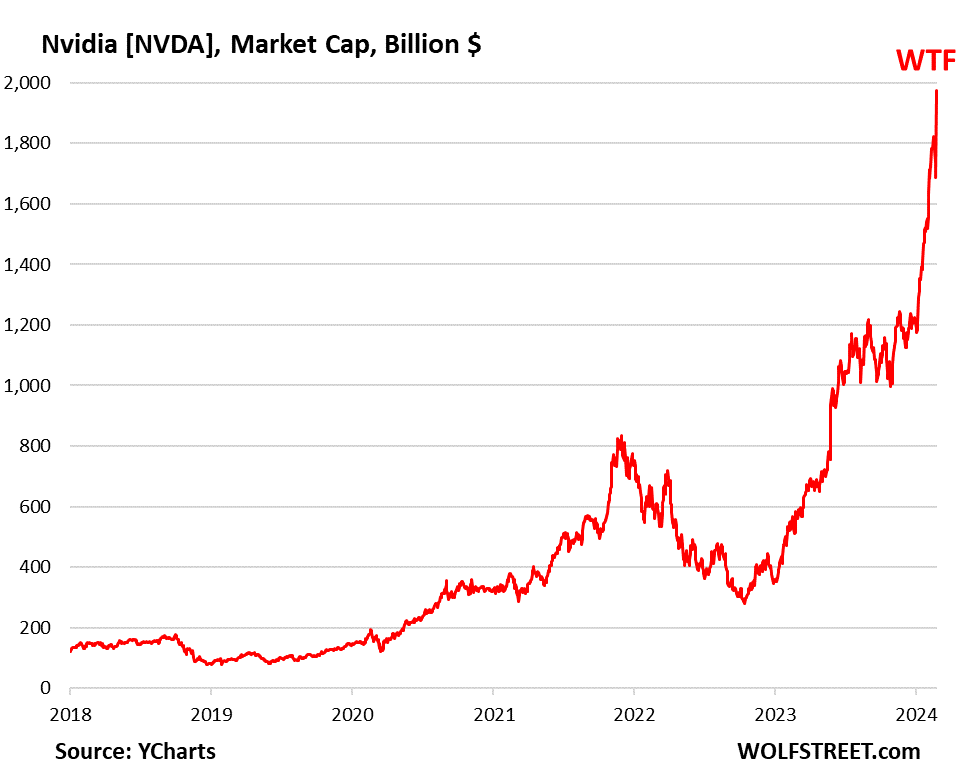
Stock prices are inherently volatile, influenced by company news, industry trends, economic indicators, geopolitical events, and overall market sentiment. NVIDIA, being a prominent technology stock, can experience significant price swings. It’s crucial to understand that the value of your investment can go up or down, and there’s no guarantee of returns. Investing should always be done with capital you can afford to lose.
Diversification and Risk Management
While NVIDIA offers an exciting investment opportunity, it’s rarely wise to put all your investment capital into a single stock. Diversification—spreading your investments across various companies, industries, and asset classes—is a fundamental principle of risk management. If one investment underperforms, others may offset those losses, leading to a more stable portfolio over time. Consider how NVIDIA fits into your broader investment strategy and whether your overall portfolio is adequately diversified.
Long-Term vs. Short-Term Strategy
Before you buy, define your investment horizon. Are you looking to hold NVIDIA stock for many years, riding out short-term market fluctuations with the expectation of long-term growth? Or are you looking for short-term gains, which typically involve higher risk and more active trading? A long-term perspective often involves less stress and can allow you to benefit from compounding returns and the fundamental growth of a strong company like NVIDIA. Short-term trading requires significant market knowledge, time, and tolerance for high risk.
Investing in NVIDIA can be a rewarding experience for those who do their homework and align their decisions with their financial goals. By choosing the right brokerage, understanding the process, and adhering to sound investment principles, you can confidently take steps towards owning a piece of this innovative tech leader. Always remember to conduct your own due diligence and consider consulting a financial advisor if you need personalized guidance.
aViewFromTheCave is a participant in the Amazon Services LLC Associates Program, an affiliate advertising program designed to provide a means for sites to earn advertising fees by advertising and linking to Amazon.com. Amazon, the Amazon logo, AmazonSupply, and the AmazonSupply logo are trademarks of Amazon.com, Inc. or its affiliates. As an Amazon Associate we earn affiliate commissions from qualifying purchases.