
The decision to purchase a used car is a financially savvy one for many, offering significant savings compared to buying new, while still providing reliable transportation. In today’s dynamic market, the options for acquiring a pre-owned vehicle are more diverse than ever, ranging from traditional dealerships to cutting-edge online platforms and private sales. Navigating this landscape requires not just an understanding of where to look, but also a strategic approach to budgeting, financing, and due diligence to ensure a sound investment. This guide delves into the various avenues available for purchasing a used car, offering insights into each to help you make an informed and financially responsible choice.
Navigating the Diverse Used Car Market
The journey to finding the perfect used car begins with exploring the various types of sellers and platforms available. Each comes with its own set of advantages, disadvantages, and financial implications.
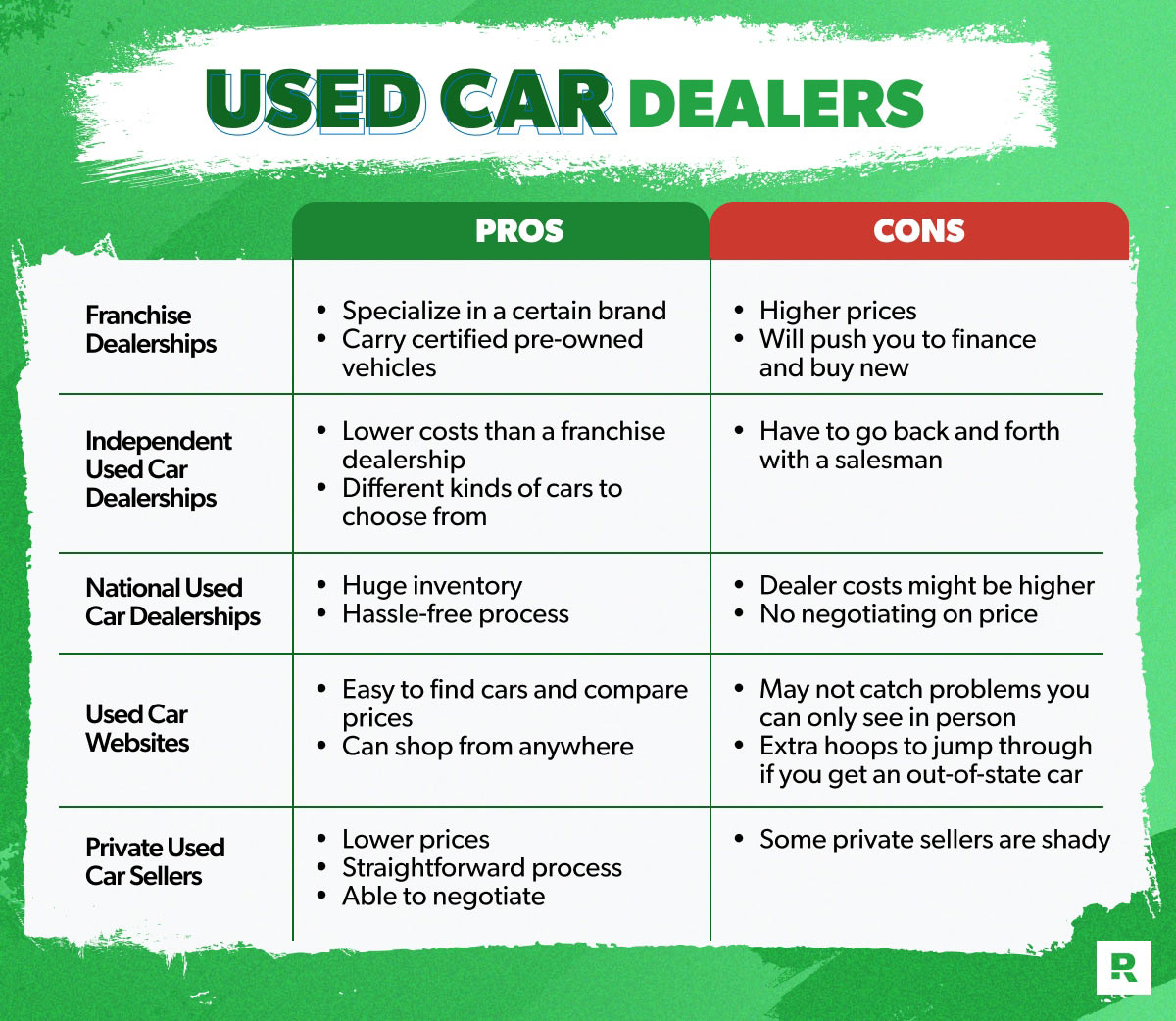
Dealerships: The Traditional Route
For many, dealerships remain the most familiar and often the most secure option for buying a used car. They offer a structured environment, often with financing options and warranties, which can provide peace of mind.
New Car Dealerships (Certified Pre-Owned – CPO)
New car dealerships frequently have a dedicated section for used vehicles, particularly Certified Pre-Owned (CPO) cars. These vehicles are typically late-model, low-mileage cars that have undergone rigorous multi-point inspections and refurbishments by the manufacturer or dealership. CPO cars often come with extended warranties, roadside assistance, and other perks that mimic new car ownership benefits. While they generally cost more than non-CPO used cars, the added assurance and reduced risk of unexpected repairs can make them a financially prudent choice for those prioritizing reliability and warranty coverage. The transparency of a dealership, combined with the quality assurance of a CPO program, often justifies the higher price point for many buyers.
Independent Used Car Dealerships
These establishments specialize exclusively in selling used cars, offering a broader and often more eclectic inventory across various makes and models. Independent dealerships can be an excellent source for finding specific, older, or less common vehicles. They often have more flexibility in pricing and negotiation than new car dealerships, which can translate to better deals for the discerning buyer. However, the level of quality assurance can vary significantly. While some independent dealers are highly reputable, others might not offer the same comprehensive inspection or warranty options as CPO programs. It’s crucial for buyers to conduct thorough research, check reviews, and insist on a pre-purchase inspection from an independent mechanic when considering an independent dealership.
Online Marketplaces and Platforms
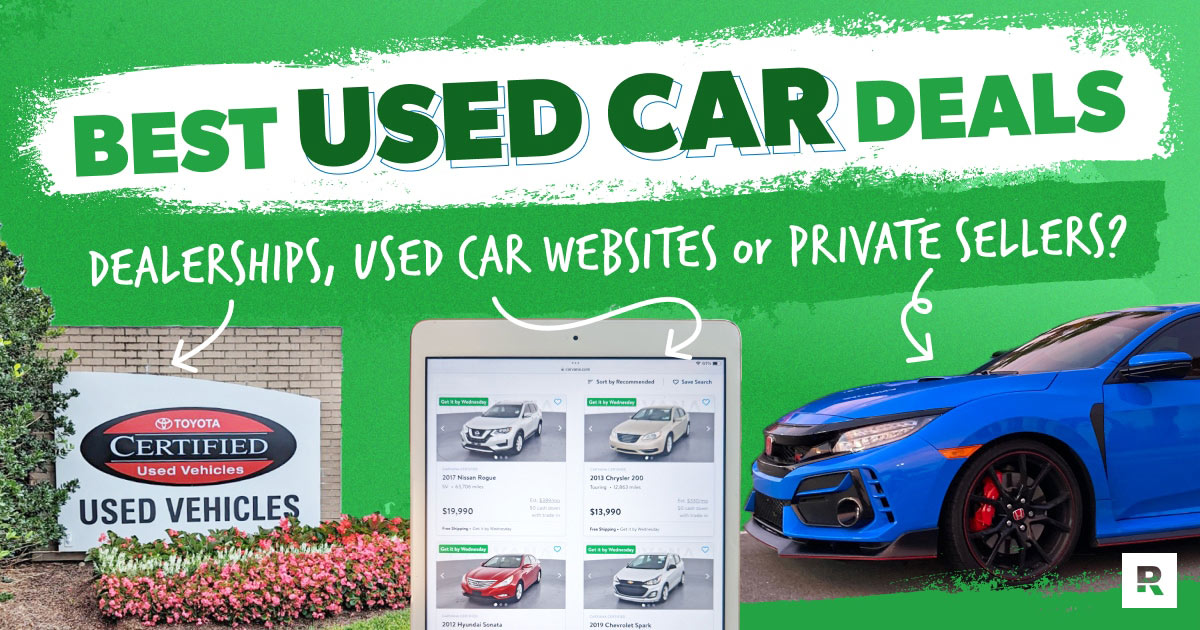
The digital age has revolutionized how we shop for cars, bringing unprecedented convenience and a vast selection directly to our screens. Online platforms can significantly broaden your search and potentially unearth better deals.
Dedicated Used Car Sites (AutoTrader, Cars.com, CarGurus)
Websites like AutoTrader, Cars.com, and CarGurus aggregate listings from both dealerships and private sellers, offering powerful search filters that allow you to narrow down options by make, model, year, price, mileage, features, and location. These platforms provide a wealth of information, including vehicle history reports (often for an additional fee), pricing analysis tools, and seller contact details. They are invaluable resources for comparing prices, understanding market value, and identifying potential vehicles before you even step foot on a lot or meet a seller. The sheer volume of listings ensures a competitive market, which can often translate into better pricing for buyers.
Online-Only Retailers (Carvana, Vroom, Shift)
A newer wave of online-only retailers, such as Carvana, Vroom, and Shift, has disrupted the traditional car-buying model. These companies facilitate the entire car purchase process online, from browsing and financing to trade-ins and home delivery. They often boast transparent, no-haggle pricing, 7-day money-back guarantees, and detailed vehicle condition reports. The convenience factor is paramount here, as buyers can complete a purchase entirely from their home. While these services simplify the process and offer a modern approach, their prices might sometimes be slightly higher than private sales or certain dealerships due to the added convenience and service infrastructure. However, for buyers valuing convenience, transparency, and a streamlined experience, these platforms offer a compelling alternative.
General Classifieds (Craigslist, Facebook Marketplace)
For budget-conscious buyers and those comfortable with a bit more legwork, general classifieds like Craigslist and Facebook Marketplace can be treasure troves of private seller listings. These platforms often feature some of the lowest prices because sellers aren’t dealing with dealership overheads. However, this avenue demands the highest level of caution and due diligence. While you might find a great deal, you also face a higher risk of encountering misrepresented vehicles, scams, or sellers unwilling to provide complete history information. Always prioritize meeting in a public place, bringing a trusted friend, and never committing to a purchase without a thorough inspection by a qualified mechanic.
Private Sellers: Unlocking Potential Savings
Buying from a private seller can often yield the best financial savings, as you’re cutting out the middleman and negotiating directly with the owner. However, this approach also places more responsibility on the buyer.
Finding Private Listings
Beyond general classifieds, private listings can be found through various channels. Word-of-mouth recommendations, local bulletin boards, and even cars with “for sale” signs in their windows are traditional methods that still hold relevance. Specialized forums or online communities for specific car makes or models can also connect you with enthusiasts looking to sell well-maintained vehicles. The key is to be proactive and explore diverse avenues to maximize your chances of finding a suitable car at a competitive price.
The Private Sale Process and Pitfalls
Engaging with a private seller requires a more hands-on approach. After initial contact, you’ll need to arrange to see the car, conduct a thorough inspection, and take a test drive. Be prepared to ask detailed questions about the car’s history, maintenance records, and reasons for selling. Negotiation is typically expected and can lead to significant savings. However, the biggest drawback of private sales is the “as-is” nature of the transaction; there are no warranties or consumer protections beyond what’s legally mandated for title transfer. It’s imperative to secure a pre-purchase inspection by a third-party mechanic and ensure all paperwork, including the title and bill of sale, is correctly completed to avoid future legal or financial complications.
Essential Financial Considerations Before Buying
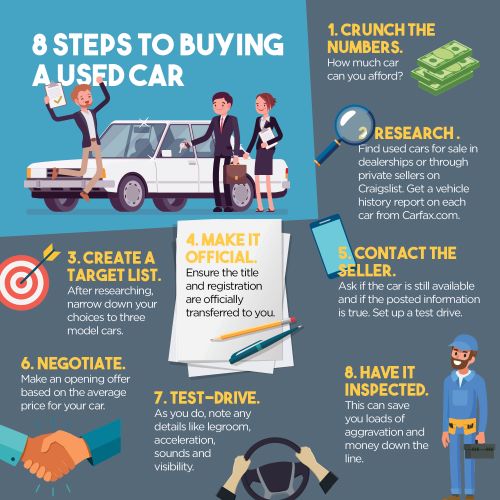
Before you even begin to look at cars, establishing a clear financial framework is paramount. A used car is a significant investment, and understanding its full financial impact is crucial for long-term financial health.
Budgeting and Affordability
Your budget should encompass more than just the sticker price. Factor in the cost of insurance, registration fees, potential repairs, and ongoing maintenance. Use online tools to estimate insurance premiums for specific models. Consider a realistic down payment you can afford without depleting your emergency savings. Furthermore, understand how your monthly car payment will fit into your overall budget, ensuring it doesn’t strain your finances. A common rule of thumb is that your total car expenses (payment, insurance, fuel, maintenance) should not exceed 10-15% of your gross monthly income.
Financing Your Used Car
Unless paying cash, financing will be a key component of your purchase. Banks and credit unions often offer more favorable interest rates than dealership financing, so it’s wise to get pre-approved for a loan before you start shopping. This gives you a clear budget and negotiation leverage. Your credit score will significantly impact the interest rate you receive; a higher score means lower interest payments over the life of the loan. Carefully review loan terms, including the annual percentage rate (APR) and the length of the loan, as these directly affect your total cost. A longer loan term might mean lower monthly payments but will result in paying more interest over time.
Understanding Total Cost of Ownership
Beyond the purchase price and loan interest, a car incurs various “total cost of ownership” expenses. This includes depreciation (though less significant for used cars than new ones), fuel costs, and potential repair bills. Research the reliability and common issues for specific makes and models you’re considering. Some cars have a reputation for being more expensive to maintain or having higher insurance premiums. Utilize online resources like Kelley Blue Book or Edmunds to estimate these ongoing costs, allowing for a more holistic financial assessment before committing to a purchase.
Key Steps for a Smart Used Car Purchase
Regardless of where you decide to buy, a systematic approach is essential to protect your financial interests and ensure you drive away with a reliable vehicle.
Research and Due Diligence
Thorough research is your most powerful tool. Once you’ve identified potential vehicles, obtain a vehicle history report (such as CarFax or AutoCheck). These reports provide invaluable information about past accidents, service records, ownership changes, and title issues (like salvage titles). Cross-reference the car’s VIN (Vehicle Identification Number) with any online checks. Research common mechanical problems associated with the specific make and model you’re considering. Finally, consult pricing guides like Kelley Blue Book (KBB) or Edmunds to gauge a fair market value for the car based on its condition, mileage, and features. This knowledge will empower you during price negotiations.
Pre-Purchase Inspection (PPI)
This step cannot be overstated, especially when buying from a private seller or an independent dealership. A pre-purchase inspection involves having an independent, certified mechanic thoroughly examine the vehicle before you finalize the purchase. This inspection can uncover hidden mechanical issues, signs of accident damage, or deferred maintenance that might not be obvious to the untrained eye. A PPI typically costs a reasonable fee (e.g., $100-$200) but can save you thousands in future repairs or prevent you from buying a lemon. If a seller refuses a PPI, it’s a significant red flag, and you should likely walk away.
Test Driving and Negotiation
A comprehensive test drive is crucial. Drive the car in various conditions: on highways, city streets, and uneven roads. Pay attention to how it handles, accelerates, brakes, and shifts. Listen for unusual noises, feel for vibrations, and check all electrical components. After the test drive and a satisfactory PPI, you’re in a strong position to negotiate. Be confident and prepared to walk away if you don’t feel the price is fair or if the seller is unwilling to budge. Have your research and PPI report handy to justify your offer. Remember, every dollar saved in negotiation is a dollar in your pocket.
Completing the Purchase Legally and Securely
Once you’ve agreed on a price, ensure all necessary paperwork is correctly handled. This includes transferring the title, obtaining a bill of sale, and understanding your local registration requirements. Verify the seller’s identity and ensure they are the legal owner of the vehicle. For payment, avoid carrying large amounts of cash for private sales; consider a cashier’s check or an electronic transfer through a reputable financial institution. If buying from a dealership, review all contracts meticulously before signing, understanding every fee and condition. Confirm that the vehicle is properly insured before you drive it off the lot.
In conclusion, buying a used car can be a highly rewarding financial decision when approached strategically. By understanding the diverse market, diligently budgeting, carefully researching, and executing each step of the purchase process with precision, you can secure a reliable vehicle that meets your needs without overspending. The key is patience, informed decision-making, and prioritizing financial prudence at every turn.
aViewFromTheCave is a participant in the Amazon Services LLC Associates Program, an affiliate advertising program designed to provide a means for sites to earn advertising fees by advertising and linking to Amazon.com. Amazon, the Amazon logo, AmazonSupply, and the AmazonSupply logo are trademarks of Amazon.com, Inc. or its affiliates. As an Amazon Associate we earn affiliate commissions from qualifying purchases.