
In the modern financial landscape, the reloadable Visa card has emerged as a versatile and essential tool for a wide demographic of users. Whether you are looking to stick to a strict budget, provide a safe spending method for a teenager, or find a secure alternative to carrying cash while traveling, knowing where to purchase and how to manage these cards is vital. Unlike traditional credit cards, reloadable Visa cards do not require a credit check, making them an accessible entry point into the digital economy for those who are unbanked or looking to repair their financial standing.

This guide explores the primary locations where you can acquire these cards, the financial nuances of their use, and how to select the right card to fit your specific economic needs.
Major Retailers and Physical Locations for Immediate Purchase
One of the greatest advantages of reloadable Visa cards is their ubiquity. For those who need a card immediately, physical retail locations offer the most convenient solution. These “over-the-counter” options allow you to purchase the plastic and load your initial funds in a single transaction.
Big-Box Retailers and Pharmacies
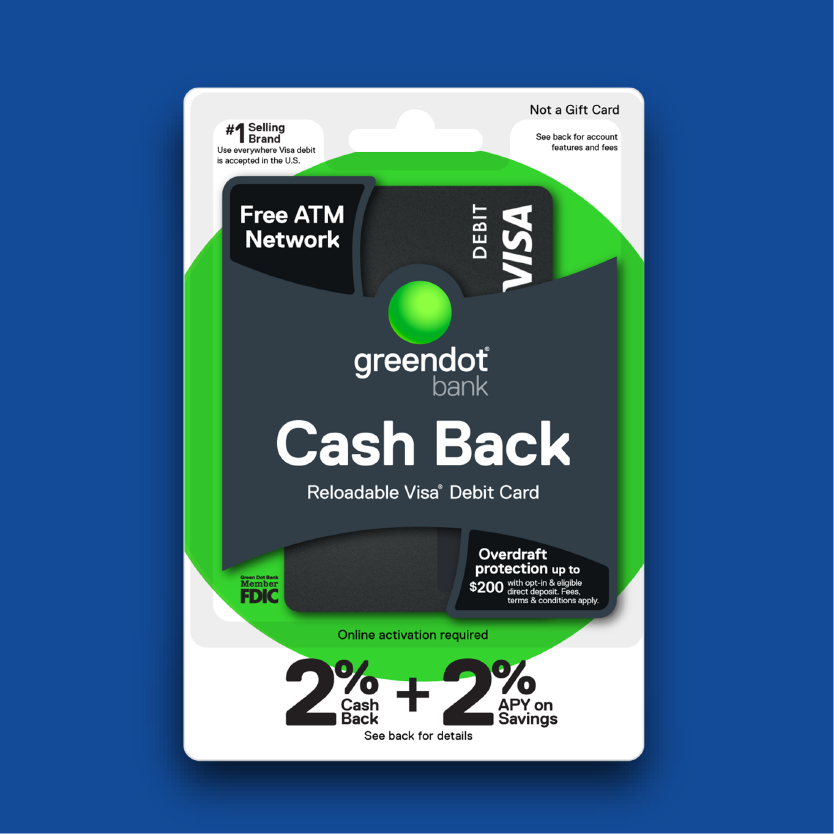
The most common places to find reloadable Visa cards are large national retailers such as Walmart, Target, and Kroger. These stores typically feature a “Gift Card Mall” or a dedicated financial services kiosk where you can find brands like Netspend, Green Dot, and MyVanilla. Similarly, national pharmacy chains like CVS, Walgreens, and Rite Aid stock these cards near the checkout counters. When purchasing at these locations, you will generally pay a small “purchase fee” or “activation fee,” which usually ranges from $3.95 to $9.95.
Convenience Stores and Gas Stations
For 24/7 access, convenience stores such as 7-Eleven and various gas station brands (Circle K, Speedway, etc.) are reliable sources. These locations are particularly useful for those who need to reload their cards with cash after traditional banking hours. While the selection might be more limited than at a large grocery store, the core functionality of the Visa network remains the same.
Dedicated Financial Service Centers
Check-cashing stores and money transfer centers, such as Western Union or MoneyGram locations, frequently issue their own branded reloadable Visa cards. These institutions are geared toward consumers who manage their finances outside of the traditional banking system. Buying a card here often comes with the added benefit of being able to handle other financial tasks—like bill payments or money transfers—all in one location.
Why Choose a Reloadable Visa for Your Personal Finances?
Beyond the “where,” it is important to understand the “why.” Integrating a reloadable Visa card into your personal finance strategy offers several strategic advantages that go beyond simple convenience.
Enhancing Security and Reducing Fraud Risk
In an era of frequent data breaches, many consumers are hesitant to use their primary debit or credit cards for online shopping or at unfamiliar vendors. A reloadable Visa card acts as a financial firewall. Because the card is not linked to your primary bank account, the maximum risk is limited to the balance on the card. If the card details are compromised, a fraudster cannot drain your savings or max out your credit line. This makes them an excellent tool for digital security within your personal finance ecosystem.
A Tool for Strict Budgeting and Debt Avoidance
For those struggling with overspending, a reloadable card functions as a modern “envelope system.” By loading only a specific amount of “discretionary income” onto the card—such as your monthly dining or entertainment budget—you create a hard limit that cannot be exceeded. Unlike a credit card, which allows for debt accumulation, or a traditional debit card, which might allow for expensive overdrafts, a reloadable Visa card simply declines when the balance reaches zero. This promotes disciplined spending and helps users stay within their means.
Financial Inclusion for the Unbanked
For many individuals, traditional banking is inaccessible due to high minimum balance requirements or past banking history issues. Reloadable Visa cards provide these users with a pathway to participate in the modern economy. With a reloadable card, users can receive direct deposits, pay bills online, and make purchases where cash is not accepted. This inclusion is a critical step in building financial stability and moving toward more complex financial goals.
Navigating the Cost Structure: Common Fees to Watch For
While reloadable Visa cards offer significant utility, they are not free. To manage your money effectively, you must understand the fee schedules associated with these products. The “cost of ownership” can vary wildly between different card issuers.
Activation and Purchase Fees
As mentioned previously, most cards purchased at a retail store require an upfront fee. This covers the cost of the physical card and the processing required to initialize it. If you order a card online directly from an issuer’s website, this fee is often waived, though you will have to wait for the card to arrive in the mail.
Monthly Maintenance and Inactivity Charges
Many reloadable cards charge a monthly service fee, often between $5 and $10. Some issuers will waive this fee if you meet certain criteria, such as depositing a minimum amount (e.g., $500) via direct deposit each month. Conversely, some cards charge “inactivity fees” if the card is not used for a period of 90 days or more. It is essential to read the “Long Form Disclosure” provided with the card to understand these recurring costs.
Transaction and Withdrawal Costs
Depending on the card’s plan, you might be charged a small fee for every purchase (though this is becoming less common in favor of monthly fees). More common are ATM withdrawal fees. In addition to the fee charged by the ATM owner, the card issuer may charge their own fee for the transaction. To minimize these costs, look for cards that offer a network of “fee-free” ATMs or offer “cash back” options at grocery store checkouts.
Maximizing Your Card’s Utility and Functionality
Once you have purchased your card, the focus shifts to how to use it as an efficient financial tool. Modern reloadable cards have evolved to offer features that rival traditional checking accounts.
Setting Up Direct Deposit
Most major reloadable Visa cards offer a routing and account number, allowing you to set up direct deposit for your paycheck or government benefits. This is often the most cost-effective way to use the card. Not only does it provide faster access to your funds—sometimes up to two days earlier than traditional banks—but it also frequently unlocks “premium” features or waives monthly maintenance fees.
Mobile App Integration and Money Management
Top-tier providers offer robust mobile apps that allow you to monitor your balance in real-time, view transaction history, and even set up text alerts for every purchase. Some apps include “sub-accounts” or “vaults” where you can set aside money for specific goals, effectively turning your reloadable card into a rudimentary savings tool.
Reloading Methods: Cash, Bank Transfer, and Mobile Check Deposit
Understanding how to put money back onto your card is crucial for long-term use.
- Cash Reloads: Using networks like Green Dot @theRegister or ReadyCheck, you can hand cash to a cashier at participating retailers to have it added to your balance. Note that retailers usually charge a fee for this service (often around $3.95 to $5.95).
- Bank Transfers: If you have a traditional bank account, you can often link it to your card to transfer funds electronically.
- Mobile Check Deposit: Many card apps allow you to take a photo of a check to deposit it directly onto the card, providing a convenient alternative to visiting a bank or check-cashing store.
Factors to Consider Before You Buy
Before heading to the store or signing up online, evaluate your specific financial habits. Not all reloadable Visa cards are created equal, and the “best” card depends entirely on how you plan to use it.
Accessibility of Reload Locations
If you plan to reload your card with cash frequently, choose a card that is compatible with the stores you visit most often. A card that is easy to reload at a neighborhood pharmacy is far more valuable than one that requires a cross-town trip to a specific retailer.
Compatibility with Digital Wallets
In an increasingly contactless world, ensure the card you choose can be added to Apple Pay, Google Pay, or Samsung Pay. This adds an extra layer of convenience and security, allowing you to leave the physical plastic at home and make payments using your smartphone or smartwatch.
Customer Support and Protection Policies
Finally, investigate the issuer’s reputation for customer service. If your card is lost or stolen, you want an issuer that makes it easy to freeze the card and dispute unauthorized charges. While prepaid cards once had fewer protections than credit cards, many now offer “Zero Liability” policies through the Visa network, provided the card is registered in your name.

Conclusion: Integrating the Reloadable Visa into Your Financial Life
The search for where to buy a reloadable Visa card is the first step toward a more controlled and flexible financial experience. Whether you pick one up at a local supermarket for a specific trip or sign up for one online to serve as your primary spending account, these cards offer a unique blend of accessibility and security.
By carefully considering the fee structures, leveraging mobile management tools, and utilizing features like direct deposit, you can transform a simple piece of plastic into a powerful engine for budgeting and financial inclusion. In the realm of personal finance, knowledge is the most valuable currency; understanding the mechanics of reloadable cards ensures that you are using your tools to build wealth and security rather than losing it to unnecessary fees.
aViewFromTheCave is a participant in the Amazon Services LLC Associates Program, an affiliate advertising program designed to provide a means for sites to earn advertising fees by advertising and linking to Amazon.com. Amazon, the Amazon logo, AmazonSupply, and the AmazonSupply logo are trademarks of Amazon.com, Inc. or its affiliates. As an Amazon Associate we earn affiliate commissions from qualifying purchases.