
The humble calculator, a device once considered revolutionary, remains an indispensable tool in modern life, bridging the gap between simple arithmetic and complex mathematical computations. From balancing a checkbook to charting a calculus problem, the need for a reliable calculating device persists. With an overwhelming array of options available, understanding where and what to buy can be a significant decision, particularly given the rapid evolution of technology that now places powerful computational tools in our pockets. This guide explores the diverse landscape of calculators, their applications, and the myriad of venues where they can be acquired.
Navigating the Digital vs. Physical Landscape
Before embarking on the quest to purchase a calculator, it’s crucial to understand the two primary forms available today: physical hardware and digital software. Each offers distinct advantages and disadvantages, catering to different user needs and preferences.
The Enduring Appeal of Physical Calculators
Despite the ubiquity of smartphones and computers, dedicated physical calculators continue to hold a significant market share, and for good reason. They offer a tactile experience that many users prefer, with dedicated buttons and displays optimized for numerical input and output. Physical calculators are typically free from the distractions of notifications and other applications, making them ideal for focused work, particularly in academic or professional settings. Their battery life is often measured in months or even years, thanks to efficient power management and solar charging capabilities. Furthermore, many educational institutions and standardized testing bodies specifically require or only permit certain models of physical calculators, making them a non-negotiable tool for students. The robust design of many models ensures longevity, making them a one-time investment that can last for years.
The Rise of Digital Calculator Solutions
The digital realm has brought forth a diverse ecosystem of calculator solutions that are often free or low-cost, incredibly versatile, and always at hand.
- Smartphone Apps: Nearly every smartphone comes with a basic calculator app, and app stores offer a vast selection of scientific, graphing, financial, and even specialized calculators. These apps leverage the powerful processing capabilities of modern phones, often providing feature sets comparable to dedicated hardware. Their portability is unmatched, as most people carry their phones everywhere.
- Online Calculators: Numerous websites offer specialized calculators for specific tasks, from mortgage payments and unit conversions to complex scientific equations and statistical analysis. These are often free, require no installation, and are accessible from any internet-connected device. They are particularly useful for quick, ad-hoc calculations where a dedicated device isn’t necessary.
- Computer Software: Spreadsheet programs like Microsoft Excel or Google Sheets are incredibly powerful computational tools, capable of complex calculations, data analysis, and even basic programming. Dedicated calculator software for desktops, ranging from simple scientific calculators to advanced mathematical environments like MATLAB or Wolfram Alpha, offers unparalleled functionality for professionals and researchers.
While digital solutions offer convenience and often robust features, they come with potential drawbacks, including distractions from other apps, reliance on battery life of the host device, and strict prohibitions in many examination settings.
Types of Calculators and Their Applications
The world of calculators is far from monolithic; devices are specialized to meet distinct computational needs. Identifying the type of calculator you require is the first step toward a successful purchase.
Basic & Desktop Calculators
These are the most common and simplest calculators, designed for fundamental arithmetic operations (addition, subtraction, multiplication, division). Desktop models often feature larger buttons and displays, sometimes with printing capabilities for an audit trail.
- Applications: Everyday household tasks, basic office accounting, retail transactions, quick calculations in any setting.
- Key Features: Large display, clear buttons, solar power, often basic memory functions.
Scientific Calculators
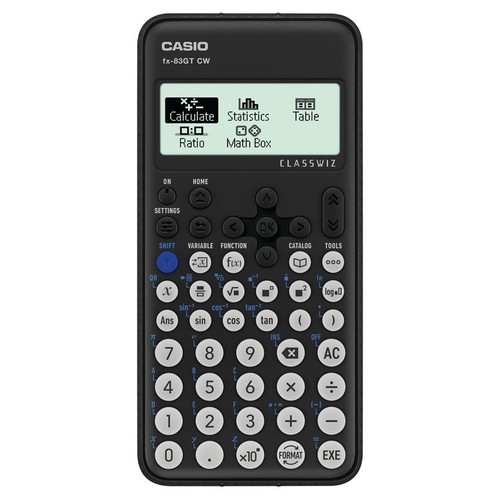
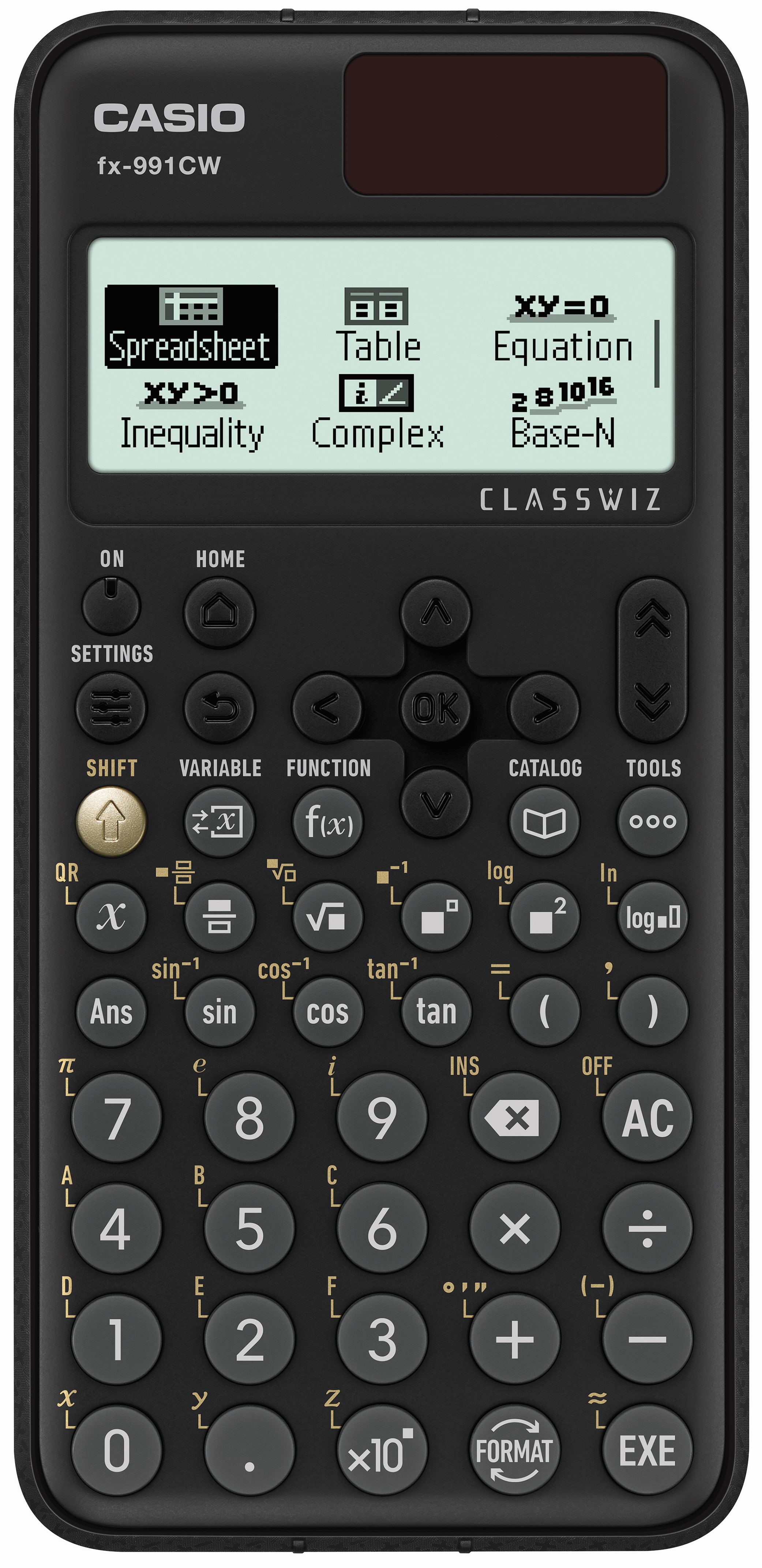
A staple for students in middle school, high school, and early college, scientific calculators expand significantly on basic functions. They handle trigonometric functions, logarithms, exponents, roots, fractions, and basic statistical computations.
- Applications: Algebra, geometry, trigonometry, pre-calculus, physics, chemistry, biology. Required for most standardized science and math tests (e.g., SAT, ACT, AP exams).
- Key Features: Multi-line display, dedicated function buttons, often a replay function for reviewing previous entries.
- Popular Models: Casio fx-series (e.g., fx-991EX), Texas Instruments TI-30XS Multiview.
Graphing Calculators
These are the powerhouses of the calculator world, primarily used by advanced high school students, college students in STEM fields, and professionals. Graphing calculators can plot functions, solve equations graphically, perform matrix operations, handle calculus functions, and even be programmed.
- Applications: Calculus, statistics, engineering, finance, computer science. Essential for many higher-level standardized tests (e.g., AP Calculus, SAT Math Level 2, some university entrance exams).
- Key Features: Large, often color display, advanced programming capabilities, connectivity to computers, extensive memory.
- Popular Models: Texas Instruments TI-84 Plus CE, TI-Nspire CX II CAS, Casio fx-CG50 (PRIZM).
Financial/Business Calculators
Specifically designed for financial professionals, these calculators excel at computations related to investments, loans, and real estate. They feature dedicated functions for time value of money (TVM), cash flow analysis, bond calculations, and depreciation.
- Applications: Accounting, finance, real estate, banking, business management. Crucial for certifications like the CFA or actuarial exams.
- Key Features: TVM functions (N, I/Y, PV, PMT, FV), cash flow worksheets, dedicated business functions.
- Popular Models: HP 12c, Texas Instruments BA II Plus Professional.
Specialty Calculators
Beyond these main categories, specialized calculators cater to niche requirements. Printing calculators provide a paper trail for accounting, construction calculators help with estimations and measurements, and medical dosage calculators (often as apps) assist healthcare professionals.
Key Factors to Consider Before Purchasing
Making an informed decision about a calculator involves more than just identifying the type. Several factors can influence the best choice for your specific needs.
User Needs and Academic/Professional Requirements
The most critical consideration is the specific purpose of the calculator. Are you a student? If so, what level of math or science are you studying? Check with your instructor or academic institution for any specific model requirements or restrictions, especially for exams. For professionals, does your field require specialized functions (e.g., financial analysis, surveying)? Ensuring compliance with exam board regulations is paramount for students taking standardized tests.
Budget and Value
Calculator prices vary widely, from under $10 for a basic model to over $200 for a high-end graphing calculator. While it’s tempting to opt for the cheapest option, consider the long-term value. A durable, reliable scientific or graphing calculator can last through several years of academic study. Refurbished models from reputable sellers can offer significant savings. Evaluate not just the initial cost, but the longevity and the features you genuinely need to avoid overspending on capabilities you won’t use.
Features and Functionality
Beyond the core functions of each calculator type, consider specific features that enhance usability. A clear, high-resolution display (color can be a significant advantage for graphing), a comfortable button layout, and intuitive menu navigation can greatly improve the user experience. Some advanced calculators offer programming capabilities, connectivity options (USB for data transfer, Wi-Fi for updates), and even rechargeable batteries. For exam use, ensure the calculator’s features are permitted.
Ergonomics and User Experience
A calculator is a tool you might use for extended periods. Consider its physical design: how it feels in your hand, the size and responsiveness of the buttons, and the readability of the screen under various lighting conditions. Build quality is also important; a robust design will withstand drops and daily wear and tear.
Where to Find Your Ideal Calculator
Once you’ve identified the type of calculator and considered the essential factors, the next step is locating a reputable vendor. Both brick-and-mortar stores and online retailers offer a vast selection.
Brick-and-Mortar Retailers
For those who prefer to see and handle a product before buying, or need a calculator immediately, physical stores are an excellent option.
- Office Supply Stores (e.g., Staples, Office Depot, Ryman): These stores typically carry a wide range of basic, desktop, and scientific calculators. Some larger branches may also stock popular graphing and financial models. They are good for finding common models and often have staff who can assist with basic queries.
- Electronics Stores (e.g., Best Buy, Currys PC World): Major electronics retailers usually offer a more comprehensive selection of scientific and graphing calculators, often including the latest models. Their staff may have better knowledge of advanced features.
- Discount & Department Stores (e.g., Walmart, Target, Argos): These retailers are a good source for basic and entry-level scientific calculators at competitive prices. Their selection of advanced models might be limited.
- Academic Bookstores (College/University Campuses): University bookstores are almost guaranteed to stock the specific models required for their courses. While convenient, prices might be higher than other retailers.
- Supermarkets/Pharmacies: Primarily offer very basic, inexpensive calculators suitable for simple everyday arithmetic.
Online Marketplaces and Specialty Stores
The internet offers the widest selection, often with competitive pricing and the convenience of home delivery.
- Amazon, eBay: These massive online marketplaces provide an unparalleled selection of new and used calculators from various brands and sellers. You can find everything from vintage models to the latest releases, often with extensive user reviews. Always check seller ratings and product authenticity, especially for high-value items.
- Manufacturer Websites (e.g., Texas Instruments, Casio, HP): Purchasing directly from the manufacturer guarantees authenticity and often provides access to exclusive bundles, accessories, and direct customer support.
- Specialized Educational Retailers: Websites focused on academic supplies often cater to schools and students, sometimes offering bulk discounts or educational pricing programs.
- Refurbished & Used Electronics Retailers: Stores like Micro Center (in the US) or online platforms specializing in refurbished electronics can offer significant savings on higher-end models. Ensure products come with a warranty.
Second-hand Market and Rentals
For budget-conscious buyers, or those with short-term needs, alternatives to new purchases exist.
- Used Electronics Stores, Pawn Shops, Online Classifieds (e.g., Craigslist, Facebook Marketplace): These sources can yield great deals on scientific and graphing calculators, but thorough inspection is advised to ensure functionality and condition.
- Rental Programs: Some universities, libraries, or even specific academic departments offer calculator rental programs for courses where they are required, providing a cost-effective solution for temporary use.

Making the Smart Purchase
Regardless of where you choose to buy, a little preparation goes a long way. If you’re buying for a specific class or exam, double-check the exact model requirements. Read reviews from multiple sources to gauge user satisfaction and identify potential issues. Compare prices across various retailers, both online and physical, to ensure you’re getting the best deal. Always verify the seller’s return policy and warranty information. Finally, consider purchasing a protective case or screen protector, especially for graphing calculators, to safeguard your investment. By carefully weighing your needs against the available options, you can confidently acquire the perfect computational companion for your academic, professional, or personal endeavors.
aViewFromTheCave is a participant in the Amazon Services LLC Associates Program, an affiliate advertising program designed to provide a means for sites to earn advertising fees by advertising and linking to Amazon.com. Amazon, the Amazon logo, AmazonSupply, and the AmazonSupply logo are trademarks of Amazon.com, Inc. or its affiliates. As an Amazon Associate we earn affiliate commissions from qualifying purchases.